Fertilizing your hay field is one of the most important steps for maintaining productivity and profitability. Proper nutrient management enhances growth, boosts forage quality, and ensures healthy, resilient grasses.
By applying balanced fertilizers, farmers can maximize yield, improve livestock nutrition, and reduce long-term maintenance costs.Hay fields are heavy feeders, and nutrients are continuously removed during each cutting.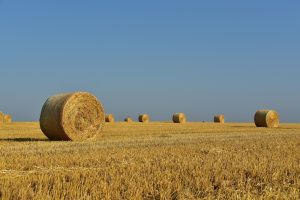
Regular fertilization replenishes nitrogen, phosphorus, and potassium, which are critical for strong roots, fast regrowth, and disease resistance. Well-fertilized fields also suppress weeds naturally, promote soil health, and extend the life of your hay stand.
In this article, we will cover 20 compelling reasons why fertilizing your hay field is essential, provide expert insights into how it supports sustainable farming, and explain the measurable benefits for both crop and livestock productivity.
Why Should You Fertilize Your Hay Field? 20 Best Reasons
1. Increase Forage Yield – Best for Maximizing Harvest
Fertilizing hay fields boosts overall forage yield by supplying essential nutrients to grasses. Nitrogen, phosphorus, and potassium enhance plant growth and biomass production. Higher yields ensure more hay for feeding livestock throughout the year.
Regular nutrient application strengthens stems, promotes leaf development, and improves regrowth after cutting. This creates denser and more productive hay stands. Fertilized fields respond faster to rain and irrigation, producing consistently higher yields.
A well-fertilized hay field reduces wasted space and improves harvesting efficiency. Livestock receive more nutritious hay per acre, lowering feed costs. This creates a more sustainable and profitable operation.
Pros:
-
Higher yields
-
Faster growth
-
Stronger stems
-
Denser hay
-
More leaf mass
-
Better regrowth
-
Cost-effective
Cons:
-
Requires proper timing
-
Needs soil testing
-
Overuse risks runoff
2. Improve Nutrient Content – Best for Livestock Nutrition
Fertilized hay fields produce forage with higher nutrient density. Nitrogen boosts protein content, while phosphorus and potassium support overall plant health. Livestock benefit from hay that meets energy and protein needs.
Higher nutrient content improves animal weight gain and milk production. It also reduces the need for supplemental feed. Consistent fertilization ensures forage maintains nutritional quality throughout the season.
Healthy, nutrient-rich hay prevents deficiencies and promotes livestock well-being. Fertilized fields are more resilient to stress and drought. This makes feeding management more predictable and effective.
Pros:
-
Higher protein
-
Improved energy
-
Better minerals
-
Supports livestock
-
Reduces supplements
-
Consistent quality
-
Enhances animal growth
Cons:
-
Needs proper mix
-
Soil testing required
-
Over-application can burn
3. Strengthen Root Systems – Best for Field Longevity
Fertilizing hay fields encourages deep and robust root development. Strong roots improve plant anchorage and water absorption. This ensures hay survives periods of drought or heavy grazing.
Potassium is critical for root growth and stress tolerance. Well-fertilized fields produce plants that regrow quickly after cutting. Healthy roots also compete better with weeds, reducing infestations.
Deep-rooted grasses reduce soil erosion and enhance field durability. They increase resilience against compaction and heavy equipment traffic. This extends the productive life of the hay field.
Pros:
-
Strong roots
-
Drought resistant
-
Less erosion
-
Fast regrowth
-
Weed competition
-
Reduces compaction
-
Field longevity
Cons:
-
Requires balanced nutrients
-
Needs monitoring
-
Over-fertilizing can harm roots
4. Promote Faster Regrowth – Best for Multiple Harvests
Fertilization accelerates grass regrowth after each cutting. Nutrient-rich soils enable plants to recover quickly, allowing multiple harvests per season. Faster regrowth increases overall productivity.
Nitrogen is especially critical for leafy regrowth. Fertilized plants have thicker stems and more leaf area. This ensures each cutting yields more hay.
Timely fertilization reduces gaps in production and maintains field density. Faster regrowth also improves weed suppression naturally. Overall, it allows more efficient use of resources and land.
Pros:
-
Quick regrowth
-
Multiple harvests
-
Thicker stems
-
Higher yield
-
Weed suppression
-
Efficient land use
-
Consistent forage
Cons:
-
Must follow schedule
-
Can increase mowing
-
Nutrient runoff risk
5. Enhance Drought Tolerance – Best for Risk Management
Fertilized hay fields withstand dry conditions better due to stronger roots and nutrient balance. Potassium plays a key role in water retention and stress resistance. Plants maintain productivity even during low rainfall periods.
Fertilized fields recover faster after drought events. Stronger root systems allow grasses to access deeper water reserves. This minimizes production losses and ensures reliable feed supply.
Drought-tolerant hay fields reduce the need for irrigation and supplemental feeding. They also help maintain livestock health during dry spells. Proper fertilization acts as insurance against unpredictable weather.
Pros:
-
Stress resistant
-
Access deeper water
-
Minimizes yield loss
-
Supports livestock
-
Faster recovery
-
Reduces irrigation
-
Stable production
Cons:
-
Requires monitoring
-
Needs balanced nutrients
-
Initial cost
6. Reduce Weed Pressure – Best for Cleaner Fields
Fertilized hay fields promote vigorous grass growth, which outcompetes weeds. Nutrient-rich soils encourage fast canopy closure, shading emerging weeds. Dense stands reduce light availability for weed seeds.
Strong, healthy grasses form a natural barrier that suppresses weed germination. Fields require fewer herbicides, making them safer for livestock and the environment. Well-managed fertilization plans improve overall field hygiene.
Vigorous growth also prevents bare spots where weeds often invade. This lowers labor costs for weed control. Over time, this creates more uniform and productive hay fields.
Pros:
-
Suppresses weeds naturally
-
Reduces herbicide use
-
Dense canopy
-
Fewer bare spots
-
Saves labor
-
Eco-friendly
-
Long-term control
Cons:
-
Requires consistent fertilization
-
Needs monitoring
-
Nutrient imbalance can harm crops
7. Increase Disease Resistance – Best for Healthier Stands
Fertilization strengthens plant immunity by providing essential nutrients. Phosphorus and potassium improve plant resilience against fungal and bacterial infections. Healthy hay fields recover faster from pest and disease attacks.
Balanced nutrient levels promote strong tissue structure, which resists pathogen penetration. Fertilized fields have uniform growth, reducing stress spots where diseases often start. Timely nutrient supply minimizes losses from infections.
Disease-resistant fields reduce the need for chemical treatments. Livestock feeding on healthy hay are also less prone to contamination. Overall, this supports safer and more reliable hay production.
Pros:
-
Stronger immunity
-
Reduces infections
-
Fewer chemical sprays
-
Uniform growth
-
Resilient stands
-
Faster recovery
-
Safer hay
Cons:
-
Requires testing
-
Balanced mix critical
-
Cost of fertilizer
8. Improve Soil Fertility – Best for Long-Term Productivity
Regular fertilization replenishes essential soil nutrients removed during hay harvest. Nitrogen, phosphorus, and potassium restore soil balance for sustainable production. Improved soil fertility benefits future hay cycles.
Organic fertilizers and mineral supplements increase microbial activity, enhancing nutrient cycling. This creates a richer and more productive soil ecosystem. Fields become more resilient and productive over time.
Enhanced soil fertility supports sustainable farming practices. It reduces dependency on external inputs while maintaining yields. Proper management ensures optimal field performance season after season.
Pros:
-
Restores nutrients
-
Boosts microbes
-
Long-term yield
-
Sustainable farming
-
Reduces future input
-
Soil health
-
Supports regrowth
Cons:
-
Requires testing
-
Can be expensive
-
Over-fertilization risk
9. Improve Palatability – Best for Livestock Feeding
Fertilized hay fields produce more tender and leafy forage. High nutrient content improves taste and digestibility for livestock. Animals consume more and gain weight efficiently.
Nitrogen-rich grass increases crude protein content, enhancing feed quality. Palatable hay encourages consistent intake across all livestock types. This supports milk production, weight gain, and overall health.
Fields with improved palatability reduce waste from selective feeding. Livestock prefer fertilized hay over older, tougher plants. Consistent fertilization ensures high-quality forage each harvest.
Pros:
-
More palatable
-
Higher protein
-
Boosts weight gain
-
Better milk yield
-
Encourages intake
-
Reduces waste
-
Livestock satisfaction
Cons:
-
Must manage nutrients
-
Needs consistent application
-
Can promote rapid regrowth
10. Extend Field Longevity – Best for Sustainable Management
Fertilization strengthens grasses and roots, extending the life of hay stands. Nutrient management prevents thinning and bare patches. Longer-lasting fields reduce the need for replanting.
Healthy plants resist environmental stress and mechanical damage from harvesting equipment. Fertilization supports sustainable hay production over multiple seasons. This reduces overall land maintenance costs.
Proper field care with fertilizer ensures long-term productivity. Over decades, well-fertilized fields remain viable without costly renovation. This is essential for commercial hay operations.
Pros:
-
Extends field life
-
Supports sustainability
-
Reduces replanting
-
Strong roots
-
Thick canopy
-
Less erosion
-
Lower costs
Cons:
-
Requires monitoring
-
Needs balanced mix
-
Initial investment
11. Enhance Color and Appearance – Best for Visual Quality
Fertilized hay fields maintain a rich green color throughout the growing season. Nitrogen boosts chlorophyll production, giving grasses a vibrant appearance. Lush fields signal healthy growth and nutrient-rich forage.
Better visual quality helps farmers monitor field health and detect nutrient deficiencies early. A dark green field is also an indicator of strong, productive hay stands. This allows timely interventions before yield is affected.
Vibrant fields also increase farm aesthetics and market appeal. Buyers often prefer hay from visually healthy fields. Consistent fertilization maintains both productivity and appearance.
Pros:
-
Lush green
-
Indicates health
-
Monitors deficiencies
-
Attractive fields
-
High market appeal
-
Quick visual feedback
-
Supports strong growth
Cons:
-
Nitrogen sensitive
-
Over-fertilization risks
-
Requires monitoring
12. Increase Seed Head Quality – Best for Reproduction
Fertilization improves grass seed head development, ensuring better reproduction. Phosphorus and potassium are essential for flowering and seed production. Strong seed heads contribute to sustainable hay field regeneration.
Nutrient-rich soils allow grasses to produce more seeds per plant. This supports natural reseeding and long-term field productivity. Better seed head formation ensures hay fields remain dense and uniform.
Healthy seeds also improve genetic strength of grasses. This reduces the need for replanting with external seed. Fertilization ensures each season produces high-quality seed heads.
Pros:
-
Strong seed heads
-
Supports reseeding
-
Enhances reproduction
-
Dense field
-
Uniform growth
-
Genetic strength
-
Long-term sustainability
Cons:
-
Needs proper timing
-
Overuse may burn
-
Requires monitoring
13. Support Beneficial Soil Microbes – Best for Soil Health
Fertilizers, especially organic or balanced mineral types, nourish soil microorganisms. These microbes enhance nutrient cycling and soil fertility naturally. Healthy microbial populations improve overall hay field performance.
Beneficial bacteria and fungi break down organic matter, releasing nutrients slowly. This enhances root absorption and soil structure. Fertilized fields become biologically active and more resilient to stress.
Strong microbial activity also reduces pathogen pressure. Healthy soils improve nutrient efficiency and reduce chemical dependency. Fertilization is therefore critical for long-term soil vitality.
Pros:
-
Boosts microbes
-
Enhances nutrient cycling
-
Improves soil structure
-
Reduces pathogens
-
Better root absorption
-
Sustainable soil health
-
Supports regrowth
Cons:
-
Needs correct type
-
Over-fertilization can harm microbes
-
Requires testing
14. Reduce Lodging Risk – Best for Upright Growth
Fertilized hay fields develop stronger stems that resist lodging (falling over). Nitrogen promotes leaf growth while potassium strengthens stems. Upright plants improve harvest efficiency and reduce losses.
Strong stems prevent matting, which can lead to rot or mold. Fertilization ensures consistent plant height and structure. Dense, upright hay allows machinery to cut efficiently.
Reduced lodging also improves forage quality. It prevents nutrient loss from flattened leaves. Proper fertilization maintains field integrity throughout the season.
Pros:
-
Strong stems
-
Reduces lodging
-
Easier harvest
-
Preserves quality
-
Uniform height
-
Supports machinery
-
Less waste
Cons:
-
Needs balanced mix
-
Excess nitrogen weakens stems
-
Monitoring required
15. Improve Water Use Efficiency – Best for Drought Management
Fertilized hay fields absorb and retain water more efficiently. Strong roots access deeper moisture, while healthy foliage reduces evaporation. Nutrient-rich plants tolerate dry periods better than unfertilized ones.
Potassium plays a major role in regulating water transport. Fertilization ensures that grasses maintain productivity during dry spells. This reduces irrigation needs and improves field sustainability.
Efficient water use lowers costs and protects the environment. It also supports consistent forage quality. Fertilization acts as both yield booster and risk management tool.
Pros:
-
Efficient water use
-
Drought resistant
-
Reduces irrigation
-
Maintains yield
-
Strong roots
-
Consistent quality
-
Cost-effective
Cons:
-
Requires monitoring
-
Needs correct nutrient balance
-
Overuse may harm plants
16. Minimize Pest Pressure – Best for Healthier Plants
Healthy, fertilized plants resist insect and disease pressure better. Strong growth allows plants to recover quickly from minor pest damage. Fertilization indirectly reduces vulnerability by boosting plant immunity.
Nutrient balance prevents weak tissue formation that pests exploit. Fertilized fields grow densely, leaving fewer gaps for pest colonization. This reduces chemical pesticide requirements.
Consistently healthy plants attract fewer insects. Livestock consuming nutrient-rich hay are also safer. Proper fertilization integrates into overall pest management strategy.
Pros:
-
Strong growth
-
Reduces pests
-
Less pesticide
-
Dense canopy
-
Healthy leaves
-
Resilient plants
-
Sustainable management
Cons:
-
Must monitor nutrients
-
Needs consistent application
-
Over-fertilization can attract some pests
17. Enhance Forage Digestibility – Best for Animal Performance
Fertilization improves leaf quality, increasing digestibility for livestock. Higher nitrogen levels promote leafy, tender growth. Livestock gain more energy from nutrient-rich hay.
Improved digestibility translates to better feed efficiency. Animals convert forage into weight gain or milk more effectively. Fertilized hay minimizes wastage caused by tough, fibrous stems.
Digestible hay supports animal health and productivity. It reduces supplemental feed requirements. Properly fertilized fields are therefore both efficient and economical.
Pros:
-
Tender forage
-
High digestibility
-
Boosts feed efficiency
-
Supports weight gain
-
Reduces supplements
-
Healthier livestock
-
Minimizes waste
Cons:
-
Needs correct timing
-
Overuse increases fiber
-
Requires monitoring
18. Support Consistent Cutting Schedule – Best for Operational Efficiency
Fertilized hay fields regrow predictably, allowing a reliable cutting schedule. Faster recovery ensures multiple harvests per season. This improves planning for storage and feeding.
Predictable growth reduces gaps between cuts. Farmers can maximize equipment efficiency and labor scheduling. Fertilized fields maintain uniform height and density.
Operational consistency lowers overall production costs. It ensures hay is available when needed for livestock. Fertilization directly impacts farm efficiency and profitability.
Pros:
-
Predictable growth
-
Multiple harvests
-
Better planning
-
Equipment efficiency
-
Labor optimization
-
Uniform field
-
Reduced costs
Cons:
-
Needs precise application
-
Requires monitoring
-
Over-fertilization can harm plants
19. Reduce Soil Compaction – Best for Field Longevity
Fertilized fields develop robust root systems that aerate the soil naturally. Healthy roots reduce compaction caused by machinery. Looser soil enhances water infiltration and nutrient uptake.
Fertilization encourages thick, fibrous roots. These roots create natural channels for air and water. Over time, compacted soils recover faster with healthy grass growth.
Reduced soil compaction promotes long-term productivity. It prevents damage during repeated harvests. Fertilization therefore contributes to sustainable soil management.
Pros:
-
Strong roots
-
Less compaction
-
Better aeration
-
Water infiltration
-
Nutrient efficiency
-
Sustainable soil
-
Long-term productivity
Cons:
-
Needs balanced nutrients
-
Requires monitoring
-
Overuse can harm soil biology
20. Increase Economic Return – Best for Farm Profitability
Fertilized hay fields produce more hay per acre, increasing revenue. Higher nutrient content improves market value and animal performance. Overall, investment in fertilizer yields measurable financial benefits.
Better field health reduces losses from weeds, drought, and pests. Efficient growth lowers costs for reseeding and supplemental feed. Fertilized fields maximize output with minimal risk.
Farmers benefit from both quantity and quality of hay. Sustainable fertilization supports long-term farm profitability. Proper nutrient management transforms hay production into a stable revenue source.
Pros:
-
Higher yield
-
Better quality
-
Increased revenue
-
Reduced losses
-
Efficient production
-
Supports livestock
-
Long-term profit
Cons:
-
Initial cost
-
Requires planning
-
Monitoring needed
Why Should You Fertilize Your Hay Field FAQs
1. How often should I fertilize my hay field?
Fertilization depends on soil test results, grass type, and cutting schedule. Generally, applying fertilizer 2–3 times per year is recommended for optimal growth. Early spring and after the first cut are common application times.
2. What type of fertilizer is best for hay fields?
A balanced N-P-K fertilizer suited for your soil test is ideal. Nitrogen promotes growth, phosphorus strengthens roots, and potassium improves stress tolerance. Organic options, like compost or manure, can also enhance soil fertility.
3. Can I fertilize my hay field without harming livestock?
Yes. Fertilize when animals are not grazing. Avoid over-application to prevent runoff, and wait a few days before allowing livestock back into the field.
4. How does fertilization affect hay quality?
Fertilized hay is higher in protein and energy, making it more digestible. Nutrient-rich forage supports weight gain, milk production, and overall animal health. It also reduces the need for supplemental feed.
5. Can fertilization reduce weeds in my hay field?
Yes. Healthy, dense grasses outcompete weeds naturally. Proper nutrient management strengthens plants and closes canopy gaps, reducing weed germination and growth.
6. Is soil testing necessary before fertilizing?
Absolutely. Soil tests identify nutrient deficiencies and prevent over- or under-application. This ensures fertilizers are applied efficiently and economically.
7. Does fertilization help during drought or stress periods?
Yes. Fertilized plants have stronger roots and better water retention, improving drought tolerance. Nutrient-rich hay fields recover faster after stress events, maintaining both yield and quality.
Conclusion
Fertilizing your hay field is essential for achieving maximum yield, high-quality forage, and long-term field sustainability. Proper nutrient management strengthens roots, boosts regrowth, improves palatability, and supports healthy livestock production.
Well-fertilized fields reduce weed pressure, enhance disease resistance, and improve soil fertility. They also allow farmers to maintain consistent cutting schedules and increase economic returns.
By investing in fertilization and monitoring soil health, you create resilient, productive hay fields that support sustainable farming. Regular nutrient applications protect your investment, ensuring every acre delivers optimal forage.
Adding fertilization to your hay management plan is a cost-effective strategy that enhances both crop and livestock performance. Farmers who follow a balanced fertilization program can expect higher yields, stronger fields, and healthier livestock year after year.
Recent Posts
The best fertilizer for Aechmea fasciata is essential for promoting vibrant bract coloration, strong root systems, and steady vegetative growth throughout the active season. Selecting fertilizers...
The best fertilizer for landscaping is essential for maintaining lush lawns, vibrant plants, and healthy soil structure across diverse outdoor environments. Selecting fertilizers with NPK ratios such...