Choosing the best place to put your Monstera plant in your house can determine whether the plant thrives or struggles. Monstera plants, especially Monstera deliciosa and Monstera adansonii, naturally grow under tropical forest canopies where they receive filtered sunlight and warm temperatures.
Understanding where you should put your Monstera plant in your house helps prevent common problems such as yellow leaves, slow growth, and weak stems. Studies show that indoor plants placed in optimal lighting conditions grow up to 40% faster than plants kept in low-light environments.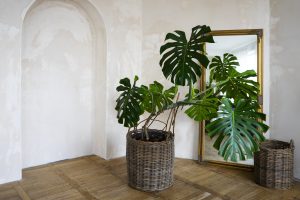
Monsteras are climbing plants that prefer bright indirect light, moderate, and stable temperatures between 65–80°F (18–27°C). When placed correctly inside a home, they can grow several feet per year and develop their famous split leaves.
In this guide, you will learn the best places to put your Monstera plant in your house, including window placement, room selection, humidity zones, and support systems that encourage healthy indoor growth.
Where Should I Put My Monstera Plant In My House?10 Best Locations
1. East-Facing Window Area – Natural Lighting Zone – Best Window Placement For Monstera Plants
Beginners should start by placing their Monstera plant near an east-facing window where it receives gentle morning sunlight. This type of light is bright enough to encourage growth but soft enough to prevent leaf burn. Many indoor plant experts recommend east-facing windows for tropical houseplants.
Morning sunlight helps stimulate photosynthesis and encourages healthy leaf development. The plant will receive several hours of indirect light throughout the day as the sun moves across the sky. This environment closely replicates the plant’s natural forest habitat.
Positioning a Monstera near an east-facing window often results in strong stems and larger split leaves. It also reduces the risk of sun damage compared to west-facing windows. For beginners, this is one of the easiest placements to manage.
Pros
• Gentle light
• Healthy leaves
• Faster growth
• Natural sunlight
• Easy placement
• Low stress
• Ideal beginners
Cons
• Limited light
• Window needed
• Seasonal changes
2. Bright Living Room Corner – Indoor Display Area – Best Decorative Placement For Monstera Plants
Beginners should start by placing their Monstera plant in a bright corner of the living room that receives indirect light from nearby windows. Living rooms often provide the space needed for Monsteras to grow tall and spread their leaves. This placement also allows the plant to act as a decorative centerpiece.
Large Monsteras can grow several feet wide and tall when healthy. A spacious living room location ensures the plant has enough room to expand without crowding furniture. Interior designers frequently recommend Monsteras as statement plants.
When positioned correctly, a Monstera in the living room creates a tropical indoor atmosphere. The large leaves add texture and natural beauty to modern interiors. This placement balances aesthetics with plant health.
Pros
• Decorative look
• Large space
• Easy viewing
• Natural decor
• Statement plant
• Interior style
• Air freshness
Cons
• Space needed
• Light monitoring
• Furniture crowding
3. Near A North-Facing Window – Soft Light Zone – Best Low-Light Placement For Monstera Plants
Beginners should start by placing their Monstera plant near a north-facing window if brighter windows are unavailable. North-facing windows provide soft, consistent light throughout the day. While less intense, it can still support healthy Monstera growth.
This location works well in apartments or homes with limited sunlight. The plant receives enough light to survive without experiencing harsh sun exposure. It is also safer for delicate leaves.
Monsteras placed in north-facing windows may grow slightly slower but remain healthy. Consistent lighting conditions reduce stress and leaf damage. With proper watering and humidity, plants can still thrive.
Pros
• Gentle lighting
• Stable conditions
• Leaf protection
• Easy care
• Apartment friendly
• Reduced stress
• Safe placement
Cons
• Slower growth
• Smaller leaves
• Limited brightness
4. Close To A South-Facing Window With Sheer Curtains – Filtered Sunlight Area – Best Bright Light Placement For Monstera Plants
Beginners should start by placing the Monstera plant near a south-facing window with sheer curtains to filter sunlight. South-facing windows produce the brightest indoor lighting conditions. Curtains help diffuse the sunlight and prevent leaf burn.
This placement provides the high light levels that Monsteras love. Bright filtered light encourages larger leaves and strong growth. Many professional growers use similar lighting conditions in greenhouses.
Filtered sunlight helps the plant maintain healthy foliage and vibrant color. Plants often develop larger leaf holes in these conditions. It is an excellent option for maximizing growth.
Pros
• Maximum light
• Faster growth
• Large leaves
• Vibrant color
• Strong stems
• Ideal brightness
• Healthy plants
Cons
• Curtain needed
• Heat exposure
• Sunburn risk
5. Bathroom With Natural Light – Humidity Zone – Best Humid Placement For Monstera Plants
Beginners should start by placing their Monstera plant in a bathroom with natural light. Bathrooms often provide higher humidity levels due to showers and running water. Tropical plants benefit greatly from this moisture.
High humidity prevents leaf edges from drying or turning brown. The warm environment mimics tropical rainforest conditions where Monsteras grow naturally. Plants may grow faster in this type of environment.
As long as the bathroom has a window, this placement can be excellent. The plant receives both humidity and indirect light. This combination encourages lush foliage growth.
Pros
• High humidity
• Tropical climate
• Healthy leaves
• Reduced dryness
• Faster growth
• Natural moisture
• Ideal environment
Cons
• Window required
• Limited space
• Lighting varies
6. Near A Window With A Moss Pole – Climbing Support Area – Best Growth Placement For Monstera Plants
Beginners should start by placing the Monstera plant near a window with a moss pole or climbing support. Monsteras are natural climbers that attach their aerial roots to tree trunks in the wild. Providing support allows them to grow vertically indoors.
When supported properly, Monsteras often develop larger leaves. The plant will grow upward instead of spreading across the floor. This makes it easier to manage in small spaces.
Climbing structures also improve airflow around the plant. Healthy airflow reduces fungal problems and encourages strong stems. A moss pole helps replicate the plant’s natural growth habit.
Pros
• Vertical growth
• Larger leaves
• Natural climbing
• Space saving
• Strong stems
• Healthy structure
• Decorative look
Cons
• Pole cost
• Setup effort
• Maintenance needed
7. Away From Air Conditioners – Stable Climate Area – Best Temperature Placement For Monstera Plants
Beginners should start by placing their Monstera plant away from air conditioners, heaters, or cold drafts. Sudden temperature fluctuations can stress tropical plants. Stable environments help maintain healthy growth.
Air vents often produce dry air that damages plant leaves. Dry conditions can cause browning tips and slow growth. Protecting the plant from these conditions improves long-term health.
Monsteras thrive best in temperatures between 65–80°F. Consistent warmth encourages strong vines and lush foliage. Stable climate zones are essential for tropical plants.
Pros
• Stable climate
• Healthy leaves
• Reduced stress
• Warm environment
• Consistent growth
• Better health
• Easy management
Cons
• Placement limits
• Temperature checks
• Room planning
8. Bedroom With Indirect Light – Relaxing Indoor Area – Best Bedroom Placement For Monstera Plants
Beginners should start by placing a Monstera plant in a bedroom that receives indirect light from windows. Bedrooms often provide quiet environments with stable temperature levels. This placement supports consistent plant health.
Large green leaves can also create a calming atmosphere. Many homeowners use Monsteras as natural decor in bedrooms. The plant’s tropical appearance adds a peaceful touch.
A bedroom placement works well if the plant still receives adequate daylight. Indirect light from windows is usually sufficient. Proper watering and humidity complete the care routine.
Pros
• Calm atmosphere
• Decorative plant
• Stable climate
• Natural decor
• Easy care
• Relaxing space
• Stylish interior
Cons
• Light limits
• Space needed
• Growth monitoring
9. Home Office Near Window – Productivity Area – Best Work Space Placement For Monstera Plants
Beginners should start by placing their Monstera plant in a home office near a window. Studies show that indoor plants can improve productivity and reduce stress in work environments. A Monstera can enhance the workspace visually and mentally.
The plant receives bright indirect light from nearby windows. This location provides enough light for healthy growth. At the same time, it adds natural beauty to the office.
Large leaves also improve room aesthetics and air freshness. Many professionals use plants to make workspaces more comfortable. Monsteras are particularly popular for office environments.
Pros
• Productivity boost
• Natural decor
• Stress reduction
• Bright workspace
• Easy viewing
• Stylish office
• Air freshness
Cons
• Space required
• Lighting checks
• Water spills
10. Indoor Plant Shelf Near Window – Display Zone – Best Decorative Shelf Placement For Monstera Plants
Beginners should start by placing their Monstera plant on an indoor plant shelf near a bright window. Shelves elevate the plant and help maximize exposure to indirect light. This placement also enhances decorative appeal.
Elevated placement prevents the plant from sitting directly on cold floors. It also allows vines to cascade beautifully if the plant begins trailing. Shelves can turn a simple plant into a visual centerpiece.
Plant shelves are popular in modern indoor gardening. They allow multiple plants to grow in one area. Proper light exposure ensures the Monstera remains healthy.
Pros
• Decorative display
• Better lighting
• Space saving
• Modern design
• Easy access
• Organized plants
• Elevated growth
Cons
• Shelf needed
• Weight limits
• Water spills
Best Locations To Put Your Monstera Plant In Your House (FAQs)
1. Where should I put my Monstera plant in my house?
The best place is near a bright window with indirect sunlight, such as an east-facing or north-facing window.
2. Can Monstera grow in low light?
Yes, Monsteras can survive in low light but growth will be slower and leaves may become smaller.
3. Should Monstera be near a window?
Yes. Monsteras grow best when placed 3–6 feet from a window with bright indirect light.
4. Can I put Monstera in the bathroom?
Yes, as long as the bathroom has natural light. Bathrooms provide humidity that tropical plants enjoy.
5. Can Monstera stay in direct sunlight?
Direct sunlight can burn leaves. Filtered or indirect light is recommended.
6. How much space does a Monstera need?
Monsteras can grow 6–10 feet tall indoors, so they need plenty of vertical and horizontal space.
7. Can Monstera grow in a bedroom?
Yes, if the room receives indirect sunlight. Bedrooms with windows are suitable locations.
Conclusion
In conclusion, choosing the best place to put your Monstera plant in your house is essential for healthy growth and beautiful foliage. Proper placement ensures the plant receives enough light, humidity, and stable temperatures.
The best location overall is near an east-facing window with bright indirect sunlight because it provides ideal lighting conditions without risking leaf burn.
The runner-up placement is a south-facing window with sheer curtains, since filtered bright light encourages faster growth and larger leaves.
By selecting the right location, your Monstera can grow tall, develop stunning split leaves, and become a centerpiece in your home. Start placing your Monstera correctly today and enjoy a thriving tropical plant indoors.
Recent Posts
Central Texas gardens face unique challenges due to hot summers, occasional drought, and variable soil conditions. Selecting the best plants for Central Texas ensures a vibrant, resilient landscape...
Choosing the best plants for Florida patio ensures a thriving, vibrant space that can withstand these conditions while adding beauty and comfort.Florida patios offer a unique environment for...