The timing of liquid fertilizer applications is critical for maximizing nutrient absorption and plant health. Applying fertilizer at the wrong time can result in nutrient loss, leaf burn, or weak root growth.
Early morning or late afternoon are generally the most effective daily periods. Cooler temperatures during these times reduce evaporation and allow plants to absorb nutrients efficiently before the heat of the day.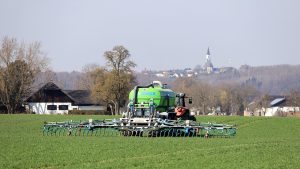
Seasonal timing also plays a major role in fertilizer effectiveness. Early spring promotes root establishment, late spring supports blade growth, and late summer or early fall can strengthen stress tolerance.
In this guide, we will cover the best time to put down liquid fertilizer, including daily windows, seasonal periods, and growth-stage strategies to ensure thick, healthy, and vibrant lawns or gardens throughout the year.
When’s The Best Time To Put Down Liquid Fertilizer?
1. Early Morning Applications – Ideal for Maximum Absorption
Applying liquid fertilizer in the early morning, ideally between 5 a.m. and 9 a.m., takes advantage of cooler temperatures and higher soil moisture. Plants are still hydrated from overnight dew, which improves nutrient uptake.
Early morning applications reduce the risk of leaf burn caused by sunlight and heat. Nutrients such as nitrogen and phosphorus penetrate soil quickly, supporting root and blade development.
Homeowners and professionals both benefit from early morning timing, especially on warm-season and cool-season grasses. Overall, this period maximizes efficiency and ensures healthier growth.
Pros:
• High absorption
• Root support
• Reduces burn
• Thickens turf
• Efficient
• All grasses
• Early optimal
Cons:
• Short window
• Requires planning
• Morning dew needed
2. Late Afternoon Applications – Reduces Evaporation
Late afternoon applications, around 4 p.m. to 7 p.m., minimize nutrient loss from heat and sunlight. Plants can absorb nutrients overnight, ensuring long-lasting root and leaf growth.
This timing is especially beneficial for warm-season grasses, garden vegetables, and flowering plants. Cooler evening temperatures reduce stress, and soil retains moisture longer, allowing fertilizer to penetrate deeper.
Homeowners see improved turf density and garden health when applying in late afternoon. Professionals use this period to maintain large landscapes efficiently.
Pros:
• Reduced evaporation
• Root support
• Evening safe
• Thickens turf
• Easy apply
• Nutrient efficiency
• All grasses
Cons:
• Short window
• Requires planning
• Not for early morning growth
3. Midday Applications – Generally Not Recommended
Applying fertilizer during midday hours (10 a.m.–2 p.m.) is often discouraged. High temperatures increase evaporation, and nutrients may be lost before absorption.
Leaves can scorch, reducing the effectiveness of nitrogen and potassium. Plants under stress are less able to take up nutrients, making this timing inefficient.
Homeowners should avoid mid-day fertilization, especially in summer. Professionals may only use this period in shaded or cool conditions.
Pros:
• Rarely useful
• Quick application
• Convenient
Cons:
• High evaporation
• Leaf burn
• Reduced absorption
4. Spring Applications – Early Growth and Recovery
Early spring is a critical seasonal period for fertilization. Grass comes out of dormancy and requires nitrogen and phosphorus for root establishment and leaf growth.
Applying liquid fertilizer as soil warms above 50°F ensures rapid nutrient uptake. Roots develop quickly, and turf density improves throughout spring.
Both homeowners and professionals rely on early spring applications to promote a strong start for cool-season and warm-season grasses. Overall, early spring fertilization sets the stage for the growing season.
Pros:
• Root growth
• Early green-up
• Thickens turf
• Prepares soil
• Fast absorption
• Reduces stress
• All grasses
Cons:
• Requires soil check
• Short window
• Frequent applications
5. Late Spring Applications – Promote Blade Growth
Late spring applications, typically May through early June, encourage strong above-ground growth. Phosphorus and nitrogen feed the developing blades, improving density and color.
This timing supports healthy grass and garden plants before summer heat. Proper irrigation enhances absorption and prevents nutrient runoff.
Homeowners see rapid green-up and thick lawns. Professionals use this period for landscape maintenance and turf recovery.
Pros:
• Blade growth
• Root support
• Thickens turf
• Nutrient efficiency
• All grasses
• Reduces stress
• Fast green-up
Cons:
• Heat-sensitive
• Requires water
• Moderate P
6. Summer Applications – Only When Needed
Summer fertilization is limited to drought-tolerant, warm-season grasses. Midday applications are risky due to heat, so early morning or late afternoon is preferred.
Use lower nitrogen and higher potassium formulas to increase stress resistance. Fertilizer helps maintain turf color and root strength during hot months.
Homeowners should avoid over-application to prevent scorching. Professionals may use summer fertilization strategically for golf courses or sports fields.
Pros:
• Stress resistance
• Root support
• Blade color
• Evening safe
• Early morning ok
• Thickens turf
• Maintains health
Cons:
• Heat stress
• Requires water
• Risk burn
7. Fall Applications – Strengthen Roots for Winter
Late fall, after growth slows, is ideal for strengthening roots. Fertilizer applied during cool, calm periods enhances nutrient storage in roots.
Nitrogen should be moderate, and potassium higher to improve winter hardiness. Timing ensures lawns are ready to survive winter dormancy.
Homeowners benefit from spring-ready lawns. Professionals rely on fall applications for commercial landscapes. Overall, fall timing improves long-term turf health.
Pros:
• Root strength
• Winter prep
• Nutrient storage
• Thickens turf
• Cool safe
• Reduces stress
• All grasses
Cons:
• Slow growth
• Moderate N
• Requires monitoring
When’s The Best Time To Put Down Liquid Fertilizer FAQs
Q1: When is the best time of day to apply liquid fertilizer?
Early morning or late afternoon to reduce evaporation and maximize absorption.
Q2: Can liquid fertilizer be applied in summer?
Yes, but only in early morning or late afternoon to avoid heat stress.
Q3: Should cool-season and warm-season grasses be fertilized at different times?
Yes, nutrient needs and timing vary based on grass species.
Q4: Can I fertilize during rain?
Avoid applying during heavy rain to prevent nutrient runoff.
Q5: How often should liquid fertilizer be applied?
Every 2–4 weeks depending on growth rate and fertilizer strength.
Q6: Is evening application better than morning?
Both are effective, but evening reduces evaporation and runoff.
Q7: Does soil type affect timing?
Yes, sandy soils may need more frequent application, while clay retains nutrients longer.
Conclusion
In conclusion, the best time to put down liquid fertilizer depends on the time of day, season, and grass or plant type. Early morning is ideal for absorption, while late afternoon reduces evaporation, making both periods effective.
Spring applications are crucial for root establishment and blade growth. Summer applications are limited and must avoid heat, while fall timing strengthens roots for winter.
Homeowners and professionals should always consider soil moisture, temperature, and daily conditions. Proper timing ensures thick, healthy, and vibrant lawns or gardens year-round.
Consistency in fertilization timing promotes nutrient efficiency, reduces stress, and prepares plants for seasonal changes. Following these strategies ensures maximum growth, healthy roots, and resilient turf.
Recent Posts
Central Texas gardens face unique challenges due to hot summers, occasional drought, and variable soil conditions. Selecting the best plants for Central Texas ensures a vibrant, resilient landscape...
Choosing the best plants for Florida patio ensures a thriving, vibrant space that can withstand these conditions while adding beauty and comfort.Florida patios offer a unique environment for...