Carrot farming requires effective weed management strategies because carrots grow slowly during early development stages and cannot compete well with aggressive weeds. Many farmers searching for best weed control methods for carrot production for high yield and clean root development focus on combining chemical, mechanical, and cultural control techniques.
Weeds in carrot fields can reduce yield by up to 70% if left uncontrolled, according to agricultural extension studies. Proper weed control improves root quality, reduces harvesting losses, and enhances overall crop uniformity.
Modern carrot production relies on integrated weed management using selective herbicides, mulching, hand weeding, and crop rotation techniques. These methods help reduce herbicide resistance and support sustainable farming.
In this guide, we explore the 10 best weed control methods used in carrot production, including pre-emergence herbicides, cultural control practices, mechanical tools, and modern weed suppression strategies.
What Weed Control Can Be Used In Carrot Production?
1. Pendimethalin Herbicide – Best for Pre-Emergence Broadleaf and Grass Weed Control
Pendimethalin is a selective pre-emergence herbicide widely used in carrot production to control annual grasses and broadleaf weeds. Farmers searching for best pre-emergence herbicide for carrot weed control and early field protection commonly rely on this product. It works by preventing weed seed germination while allowing carrots to establish successfully.
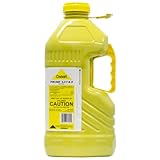
This herbicide is typically applied before weed seeds emerge to create a protective soil barrier. Pendimethalin controls weeds such as pigweed, crabgrass, and foxtail effectively. Proper application ensures carrots receive nutrients and sunlight without competition.
Farmers prefer Pendimethalin because it provides long-lasting weed suppression and reduces early manual labor costs. It supports uniform carrot growth and enhances yield consistency. When applied correctly, it reduces crop stress and improves root quality.
Pros:
• Long residual
• Pre-emergence control
• Broad spectrum
• Cost saving
• Easy application
• Crop safe
• Yield protection
Cons:
• Timing critical
• Soil dependent
• Weather sensitive
2. Linuron Herbicide – Best for Post-Emergence Broadleaf Weed Control
Linuron is commonly used as a post-emergence herbicide in carrot farming for controlling broadleaf weeds. Farmers searching for best selective herbicide for carrot post-emergence weed management often choose Linuron. It works by inhibiting photosynthesis in target weeds while protecting carrot plants.
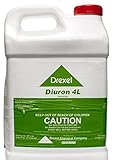
This herbicide effectively controls weeds such as lambsquarters and ragweed. Linuron is applied when carrots have developed enough tolerance to avoid crop injury. Proper dosage ensures safe and effective weed suppression.
Linuron helps farmers maintain clean fields and improved crop uniformity, especially in commercial carrot production. It reduces manual weeding and improves harvesting efficiency. Consistent application supports better carrot root development.
Pros:
• Post-emergence
• Broadleaf control
• Selective action
• Field cleanliness
• Labor reduction
• Crop safety
• Uniform growth
Cons:
• Dosage sensitive
• Resistance risk
• Application timing
3. Hand Weeding – Best for Organic Carrot Farming Weed Control
Hand weeding is a traditional and highly effective weed control method used especially in organic carrot production. Farmers searching for best organic weed control methods for carrot farms without herbicides rely heavily on manual removal. It allows precise weed elimination without harming carrot seedlings.

This method is particularly useful during early carrot growth stages. Hand weeding removes weeds close to plant rows where mechanical tools cannot reach. It ensures minimal soil disturbance and protects delicate carrot roots.
Although labor-intensive, hand weeding promotes chemical-free farming and high-quality organic carrot production. It is ideal for small-scale farms and specialty markets. Manual weed removal also reduces herbicide resistance development.
Pros:
• Chemical free
• Precise removal
• Organic friendly
• Safe method
• Weed accuracy
• Soil protection
• Resistance prevention
Cons:
• Labor intensive
• Time consuming
• Costly labor
4. Mechanical Cultivation – Best for Large-Scale Field Weed Suppression
Mechanical cultivation uses weed control equipment such as rotary hoes and cultivators to remove weeds between carrot rows. Farmers searching for best mechanical weed control tools for commercial carrot production use this approach to reduce herbicide dependence. It uproots weeds while improving soil aeration.

This method is highly effective when weeds are still young and small. Cultivation equipment works best in dry soil conditions to prevent weed regrowth. Proper row spacing improves cultivation efficiency.
Mechanical cultivation supports sustainable weed management and reduces chemical inputs. It enhances soil structure and improves water infiltration. Farmers often combine this method with herbicides for integrated weed management.
Pros:
• Chemical reduction
• Large-scale use
• Soil aeration
• Cost effective
• Quick removal
• Sustainable method
• Row efficiency
Cons:
• Weather dependent
• Equipment cost
• Root damage
5. Mulching – Best for Moisture Retention and Weed Suppression
Mulching is a cultural weed control method using organic or plastic materials to cover soil surfaces. Farmers searching for best mulching techniques for carrot weed suppression and moisture retention widely adopt this method. Mulch blocks sunlight, preventing weed germination.

Organic mulch materials include straw, compost, and dried leaves. Plastic mulch provides stronger weed suppression and improves soil temperature regulation. Both methods reduce soil moisture evaporation.
Mulching enhances carrot root development and improves soil fertility. It reduces labor costs associated with weed removal. This technique is popular among sustainable and organic carrot farmers.
Pros:
• Weed barrier
• Moisture retention
• Soil fertility
• Temperature control
• Organic option
• Labor saving
• Root protection
Cons:
• Material cost
• Installation effort
• Plastic disposal
6. Crop Rotation – Best for Long-Term Weed Control Strategy
Crop rotation involves alternating carrots with other crops to break weed life cycles and reduce weed pressure. Farmers searching for best crop rotation strategies for carrot weed and pest control often integrate cereals and legumes. This method reduces weed seed buildup in soil.

Different crops require varied cultivation methods that suppress weed growth naturally. Crop rotation also improves soil nutrients and reduces disease risk. Rotational cropping creates unfavorable conditions for persistent weeds.
This method supports sustainable agriculture and long-term soil health improvement. Farmers benefit from reduced herbicide reliance and improved crop yields. Crop diversity enhances overall farm productivity.
Pros:
• Weed cycle break
• Soil fertility
• Pest reduction
• Sustainable practice
• Yield improvement
• Chemical reduction
• Soil health
Cons:
• Planning needed
• Crop limitation
• Market dependency
7. Flame Weeding – Best for Pre-Emergence Weed Control Without Chemicals
Flame weeding uses controlled heat to kill young weed seedlings before carrot emergence. Farmers searching for best chemical-free flame weed control methods for carrot production use propane burners. Heat destroys weed tissues without disturbing soil.

This method is commonly used in organic carrot farming systems. Flame weeding is applied before carrot seedlings appear to avoid crop damage. It effectively controls shallow-rooted weed seedlings.
Flame weeding supports environmentally friendly weed management and reduces herbicide usage. It is effective for early-season weed suppression. Farmers use this technique as part of integrated weed control programs.
Pros:
• Chemical free
• Quick control
• Organic approved
• Soil safe
• Early suppression
• Eco-friendly
• Resistance prevention
Cons:
• Fuel cost
• Fire risk
• Weather sensitive
8. Oxyfluorfen Herbicide – Best for Residual Weed Control in Carrots
Oxyfluorfen is a selective herbicide used for residual weed control in carrot fields. Farmers searching for best residual herbicide for carrot production long-term weed protection frequently use this product. It controls many broadleaf weeds and grasses.
This herbicide forms a protective soil barrier that prevents weed germination. Proper application timing ensures carrot crop safety and weed suppression. Oxyfluorfen works effectively in dry soil environments.
It provides long-term weed control and reduces field maintenance costs. Farmers benefit from improved crop uniformity and yield stability. Residual weed protection supports high-quality carrot production.
Pros:
• Residual control
• Broad spectrum
• Long protection
• Field stability
• Yield support
• Crop selective
• Maintenance reduction
Cons:
• Soil restrictions
• Application timing
• Crop sensitivity
9. Cover Cropping – Best for Natural Weed Suppression
Cover crops such as rye and clover are planted to suppress weeds before carrot planting. Farmers searching for best cover crop strategies for carrot weed prevention and soil health widely use this technique. Cover crops reduce weed seed germination by competing for resources.
Cover crops improve soil structure and increase organic matter. They also prevent soil erosion and enhance nutrient cycling. Farmers incorporate cover crops into soil before carrot planting.
This method promotes sustainable weed control and improves soil fertility naturally. It reduces herbicide use and improves farm biodiversity. Cover cropping supports environmentally friendly carrot production.
Pros:
• Natural suppression
• Soil enrichment
• Erosion control
• Nutrient cycling
• Chemical reduction
• Biodiversity boost
• Moisture retention
Cons:
• Extra planning
• Crop competition
• Termination cost
10. Integrated Weed Management (IWM) – Best Overall Weed Control System
Integrated Weed Management combines chemical, mechanical, and cultural weed control methods. Farmers searching for best integrated weed management systems for carrot production high yield and sustainability rely on IWM strategies. It reduces weed resistance and improves crop protection.

IWM uses herbicides, crop rotation, mulching, and mechanical cultivation together. This approach maximizes weed suppression and reduces environmental risks. It allows farmers to adapt strategies based on field conditions.
Integrated systems improve long-term weed control, sustainability, and farm profitability. Farmers achieve consistent carrot yield and better root quality. IWM is widely recommended in modern agricultural production.
Pros:
• Multi-strategy
• Resistance reduction
• Sustainable method
• High efficiency
• Yield improvement
• Flexible system
• Long-term control
Cons:
• Complex planning
• Higher management
• Knowledge required
What Weed Control Can Be Used in Carrot Production FAQs
1. What is the most effective herbicide for carrots?
Selective herbicides such as Pendimethalin and Linuron are widely used for carrot weed control.
2. Can carrots be grown without herbicides?
Yes, organic farmers use hand weeding, mulching, and flame weeding.
3. Why is weed control important in carrot farming?
Weeds compete for nutrients, sunlight, and water, reducing carrot yield and quality.
4. When should weed control begin in carrot production?
Weed control should start before carrot emergence and continue during early growth stages.
5. What mechanical tools help control carrot weeds?
Cultivators, rotary hoes, and inter-row weeders are commonly used.
6. How does crop rotation help weed control?
Crop rotation breaks weed life cycles and reduces weed seed buildup in soil.
7. What is integrated weed management?
It is a combination of chemical, cultural, and mechanical weed control methods.
Conclusion
In conclusion, the best weed control method for carrot production is Integrated Weed Management because it combines multiple techniques to deliver long-term and sustainable results. The runner-up method is Pendimethalin herbicide due to its strong pre-emergence weed control and reliable field protection.
Integrated Weed Management was chosen as best because it reduces herbicide resistance, improves yield consistency, and supports sustainable farming. Pendimethalin is runner-up because it effectively prevents weed germination and supports early carrot establishment.
Other weed control techniques such as mulching, crop rotation, and mechanical cultivation further enhance carrot productivity and soil health. Combining several methods allows farmers to adapt weed control strategies to different environmental conditions.
Farmers seeking maximum carrot yield should implement integrated weed management strategies alongside proper soil preparation and irrigation planning. Adopting these weed control techniques ensures high-quality carrot production, improved profitability, and long-term farm sustainability.
Recent Posts
Choosing the best fungicide for phytophthora is essential because this aggressive water mold spreads rapidly in wet conditions and can destroy entire root systems if left untreated. Phytophthora is...
Choosing the best fungicide for gummosis is critical because early treatment can stop fungal spread and restore plant health effectively. Gummosis is a destructive tree disease that leads to sap...