The Kashmir Cypress is one of the most striking and resilient conifer trees ever cultivated, admired for its tall, elegant form and its ability to thrive in a wide range of climates.
Gardeners, landscapers, and tree enthusiasts often choose this evergreen because of its long-term value, but a key question consistently arises: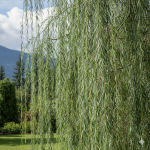
What is the lifespan of a Kashmir Cypress? Understanding its longevity helps homeowners and tree caretakers predict how the tree will mature, how long it will remain structurally sound, and what level of maintenance it requires over decades.
In this guide, you will learn everything about the lifespan of the Kashmir Cypress, including its age expectancy, environmental influences, growth behavior, long-term care requirements, and the scientific factors that determine how long this majestic conifer lives.
Once you understand these details, you will be fully equipped to plant, care for, and sustain a Kashmir Cypress for generations. In this guide.
What Is the Lifespan of a Kashmir Cypress? — Full Explanation
The Kashmir Cypress (Cupressus cashmeriana), also known as the Bhutan Cypress or Weeping Cypress, is a conifer native to the Himalayan regions. It is famous for its graceful, drooping foliage and tall columnar growth.
The lifespan of this species is exceptionally long when compared to ordinary landscaping trees. Under ideal climatic and soil conditions, the Kashmir Cypress can live between 600 and 1,000 years, with some historical specimens believed to be even older.
Its longevity is influenced primarily by four biological and environmental factors:
1. Genetic Strength
This tree is naturally adapted to harsh mountain climates, giving it an inherent ability to resist drought, pests, fungal infections, and temperature fluctuations. Unlike short-lived ornamental trees, the Kashmir Cypress has slow but steady growth, which contributes to stronger trunk development and long-term vitality.
2. Climate
Although the tree is tolerant, cold mountain environments are its natural habitat. In warm or humid regions, its lifespan can shorten due to stress factors, including fungal infections and high soil moisture. However, when planted in moderate climates with well-drained soil, it performs exceptionally well and still lives for centuries.
3. Soil Conditions
The Kashmir Cypress requires well-drained, slightly acidic to neutral soil. Poor drainage can significantly reduce its lifespan by causing root rot or fungal diseases. Deep soils encourage deeper root systems, which enhance longevity.
4. Maintenance
With proper pruning, irrigation management, and disease monitoring, its lifespan increases dramatically. Without maintenance, the tree may still live a long time, but structural issues—such as branch dieback—can compromise its health earlier.
Altogether, these factors make the Kashmir Cypress one of the most long-lived ornamental trees available to modern landscapers.
Deep Dive: How the Tree Lives 600–1,000+ Years
A. Slow Growth Equals Longer Life
Trees with slow growth rates often live longer than fast-growing species. The Kashmir Cypress grows about 12–24 inches per year, depending on climate. This slow pace allows the tree to form dense, resin-rich wood that resists decay, insects, and weathering.
B. Strong Resin Production
The tree produces natural resins that act as internal preservatives. These resins protect the heartwood from fungal invasion and insect damage, contributing to extremely long lifespans.
C. Minimal Natural Predators
In its native habitat, few pests prey on the Kashmir Cypress. Even in cultivated environments, only a handful of pests—such as bagworms or spider mites—pose a threat, and even then only under stress conditions.
D. Disease Resistance
The Kashmir Cypress is resistant to:
-
Canker diseases
-
Root rot (if soil is well drained)
-
Needle blights
-
Snow and ice damage
This resistance is another major reason it lives for many centuries.
E. Strong Wind and Frost Tolerance
Its flexible, drooping branches reduce the chances of breakage during storms, further extending lifespan.
Ideal Conditions for Maximum Lifespan
To help your Kashmir Cypress reach its ultimate lifespan potential (600–1,000+ years), the following conditions are recommended:
1. Climate Requirements
-
Cool to moderately warm climates
-
Avoid extreme humidity
-
Tolerates light frost
-
Thrives in elevations or locations with good air circulation
2. Soil Conditions
-
Well-drained soils are crucial
-
Slightly acidic to neutral pH range (6.0–7.0)
-
Deep soils allow stronger root anchoring
3. Watering
Young trees need consistent watering, but mature trees tolerate drought. Overwatering greatly shortens lifespan by inviting fungal problems.
4. Mulching
Mulch helps regulate soil temperature and moisture while preventing shallow root exposure.
5. Pruning
Minimal pruning is recommended—just removal of dead or decaying branches. Heavy pruning can stress the tree.
6. Spacing
Provide enough room for full canopy expansion. Crowding stresses the tree and shortens its life.
Comparing Lifespan With Other Cypress Species
| Cypress Tree | Average Lifespan |
|---|---|
| Kashmir Cypress | 600–1,000+ years |
| Italian Cypress | 100–200 years |
| Leyland Cypress | 30–50 years |
| Monterey Cypress | 200–300 years |
| Arizona Cypress | 50–100 years |
| Bald Cypress | 400–600 years |
The Kashmir Cypress clearly stands out as one of the longest-living cypress species.
Common Threats That Shorten the Lifespan of a Kashmir Cypress
Even though it is naturally long-lived, certain conditions can drastically shorten its life:
1. Poor Drainage
Excess soil moisture causes root damage, leading to early decline.
2. Soil Compaction
Compacted soil restricts oxygen flow to roots.
3. Overwatering
One of the fastest ways to kill a young Kashmir Cypress.
4. Pests
Though rare, pests such as bagworms, cypress aphids, and mites can cause decline.
5. Fungal Diseases
High humidity can encourage needle blight.
6. Severe Pollution
Airborne chemicals and industrial emissions may weaken long-term health.
7. Physical Damage
Improper pruning or construction damage near the roots affects longevity.
Growth Stages of a Kashmir Cypress Over Its Lifespan
Stage 1: Seedling (0–3 years)
Vulnerable, requires consistent watering and protection from pests.
Stage 2: Juvenile Growth (3–20 years)
Fastest growth period; establishes trunk and branch structure.
Stage 3: Maturity (20–100 years)
Develops full canopy, strong root system, and stable structure.
Stage 4: Early Old Age (100–300 years)
Slow growth; bark thickens; minimal pruning required.
Stage 5: Advanced Age (300–600+ years)
Tree enters slow aging phase but remains structurally strong.
Stage 6: Ancient Phase (600–1,000+ years)
The oldest trees may show minor decay but survive with dense heartwood and resin protection.
Signs Your Kashmir Cypress Is Aging Properly
Healthy long-living trees show:
-
Strong central leader
-
Evergreen, lush foliage
-
Even growth without patchy browning
-
Minimal branch dieback
-
Thick trunk with healthy bark
If the tree lives in proper conditions, these signs continue for centuries.
What Is The Lifespan Of A Kashmir Cypress (7 FAQs)
1. How long does a Kashmir Cypress live on average?
A Kashmir Cypress typically lives 600 to 1,000 years, depending on climate, soil quality, and maintenance. Some ancient specimens have reportedly exceeded 1,200 years.
2. Can a Kashmir Cypress live shorter than 600 years?
Yes. Poor drainage, extreme humidity, disease, or severe drought can reduce its lifespan significantly. In unfavorable environments, it may live only 150–300 years.
3. What climate is best for maximizing its lifespan?
Cool to moderately warm climates with low humidity are best. It thrives in well-aerated environments similar to its Himalayan origins.
4. Does the Kashmir Cypress require pruning to live longer?
Minimal pruning helps remove dead or diseased branches. Heavy pruning can stress the tree and reduce lifespan.
5. How tall can it grow during its long life?
It generally reaches 60–150 feet, depending on climate and soil type. The tallest recorded specimens exceed 180 feet.
6. What soil conditions help extend its lifespan?
Well-drained, deep soil with a pH of 6.0–7.0 is ideal. Poor drainage is the greatest threat to longevity.
7. Can Kashmir Cypress survive drought?
Mature Kashmir Cypress trees are drought-tolerant. Young trees need watering, but established trees can thrive even with minimal irrigation.
Conclusion
The Kashmir Cypress is one of the longest-living ornamental conifers in the world, capable of surviving for many centuries when planted under the right conditions.
Its resilience, beauty, and remarkable lifespan make it a valuable addition to any landscape looking for long-term structure and evergreen appeal.
By understanding its growth needs, climate preferences, and maintenance requirements, you can ensure that your tree remains healthy for generations.
Its longevity is not accidental—it comes from strong genetics and proper care.
If you want a majestic, evergreen tree that will outlive generations, consider planting a Kashmir Cypress today and start its journey toward a centuries-long legacy.
Recent Posts
Choosing the best brush for sealing driveways is essential for achieving a smooth, professional-grade finish that protects asphalt surfaces from cracking, fading, and water penetration. A...
Choosing the best grease for farm machinery is essential for maintaining peak equipment performance, minimizing wear, and extending service life across demanding agricultural operations. From...