Pest infestations challenge homeowners, gardeners, and commercial managers every year. Knowing what is the hardest pest to get rid of helps choose effective strategies.
Some pests are difficult due to rapid reproduction, hidden habitats, or chemical resistance. Early knowledge is critical for preventing costly damage.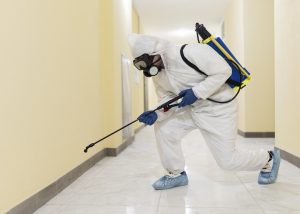
These pests invade homes, gardens, and commercial spaces, causing structural damage, disease, or aesthetic problems. Understanding behavior allows for targeted intervention.
In this guide, we explore the 10 hardest pests to get rid of, their key traits, control challenges, and strategies for long-term management.
What Is The Hardest Pest To Get Rid Of? Discover Top 10
1. Bed Bugs – Cimex lectularius – Blood-Feeding Nocturnal Hiders
Bed bugs hide in cracks, crevices, and bedding, feeding on human blood at night. Their eggs resist many insecticides, and infestations grow quickly. Detecting them early is difficult due to their small size.
Heat treatments, chemical sprays, and mattress encasements are standard methods. Multiple applications are often required for full eradication. Professional pest control is recommended for severe cases.
Regular inspection and prevention reduce reinfestation. Vacuuming and laundering bedding minimize spread. Consistent monitoring ensures long-term control.
Key Traits:
• Hides in cracks
• Blood feeder
• Rapid reproduction
• Insecticide-resistant eggs
• Nocturnal activity
• Small size
• Difficult detection
Control Challenges:
• Requires professional treatment
• Multiple treatments needed
• Reinfestation common
2. Termites – Isoptera – Silent Wood Destroyers
Termites consume wood and cellulose, causing structural damage over time. Subterranean colonies are large, hidden, and reproduce quickly. Detection is challenging because damage appears late.
Bait stations, soil treatments, and fumigation are effective. Early intervention prevents costly repairs. Professional services provide the most reliable eradication.
Monitoring wood and soil regularly helps prevent reinfestation. Moisture control reduces attraction. Integrated strategies ensure long-term protection.
Key Traits:
• Wood destruction
• Subterranean colonies
• Rapid reproduction
• Hidden activity
• Cellulose feeder
• Causes structural damage
• Difficult detection
Control Challenges:
• Requires professional intervention
• Hidden colonies
• Chemical resistance
3. Cockroaches – Blattodea – Disease-Carrying Scavengers
Cockroaches thrive in kitchens, drains, and cabinets. They reproduce rapidly and carry bacteria. Many species are resistant to common insecticides.
Baiting, sprays, and sanitation are key management methods. Removing food and water sources reduces infestations. Multiple approaches are usually needed for full control.
Sealing cracks and cleaning prevents reinvasion. Monitoring traps allow early detection. Persistent control is essential.
Key Traits:
• Rapid reproduction
• Hides in cracks
• Disease vectors
• Nocturnal activity
• Resistant to insecticides
• Feeds on scraps
• Difficult detection
Control Challenges:
• Chemical resistance
• Requires sanitation
• Multiple treatments
4. Rodents – Rattus & Mus – Chewing Nighttime Invaders
Rats and mice reproduce quickly and adapt to urban and rural areas. They chew wiring, wood, and insulation, causing structural damage. Nocturnal activity makes detection hard.
Traps, bait stations, and exclusion are standard. Repairing entry points prevents reinfestation. Rodent-proofing is essential for long-term control.
Monitoring and sanitation reduce attraction. Professional help is recommended for large infestations. Integrated strategies ensure success.
Key Traits:
• Rapid breeders
• Nocturnal activity
• Chews wood/wires
• Enters small gaps
• Spreads disease
• Hides in structures
• High adaptability
Control Challenges:
• Hard to trap
• Requires exclusion
• Reinvasion likely
5. Fleas – Siphonaptera – Fast-Breeding Blood Feeders
Fleas infest pets, homes, and yards, reproducing rapidly. Eggs, larvae, and pupae hide in carpets and bedding. Populations rebound if not treated comprehensively.
Pet treatments, vacuuming, and sprays are essential. Yard treatments help prevent outbreaks. Multiple applications are needed to break life cycles.
Monitoring pets and cleaning environments prevents reinfestation. Laundry and upholstery cleaning reduce eggs. Integrated approaches ensure control.
Key Traits:
• Blood feeder
• Rapid life cycle
• Hides in bedding
• Small size
• High reproduction
• Infests pets
• Difficult detection
Control Challenges:
• Multiple areas treated
• Labor-intensive cleaning
• Reinvasion frequent
6. Stink Bugs – Pentatomidae – Odor-Emitting Crop and Home Invaders
Stink bugs enter homes seeking warmth in fall. They feed on fruits and ornamental plants. Disturbing them releases foul odor.
Vacuuming, sealing, and chemical sprays are key. Removing host plants reduces outdoor populations. Seasonal monitoring prevents repeated invasions.
Community awareness and preventive measures improve success. Combining chemical and mechanical strategies reduces crop damage. Long-term vigilance is essential.
Key Traits:
• Emits odor
• Crop damage
• Invades homes
• Rapid spread
• Feeds on fruits
• Overwintering behavior
• Hard to detect
Control Challenges:
• Seasonal invasion
• Difficult removal
• Requires monitoring
7. Ants – Formicidae – Social Colony Builders
Ant colonies are large and complex, hidden underground or in walls. Fire ants deliver painful stings, and carpenter ants damage wood. Persistent foraging complicates control.
Bait stations, insecticides, and nest elimination are key. Locating multiple colonies is necessary. Professionals ensure full eradication.
Cleanliness reduces food sources. Sealing cracks prevents reinvasion. Long-term vigilance is required.
Key Traits:
• Large colonies
• Social structure
• Persistent foraging
• Some sting
• Wood damage
• Rapid reproduction
• Hidden nests
Control Challenges:
• Multiple colonies
• Requires professional help
• Reinvasion frequent
8. Mosquitoes – Culicidae – Disease Spreaders
Mosquitoes breed in stagnant water and transmit diseases like malaria and dengue. Larvae survive in small pools, evading many treatments. Adults reproduce rapidly.
Larvicides, repellents, and habitat management are key. Eliminating standing water reduces breeding sites. Populations rebound after rainfall.
Community awareness and preventive measures improve success. Combining chemical and mechanical strategies reduces risks. Regular monitoring is essential.
Key Traits:
• Disease vectors
• Breeds in water
• Rapid reproduction
• Small size
• High mobility
• Evades treatment
• Seasonal population spikes
Control Challenges:
• Requires habitat elimination
• Multiple treatments
• Reinfestation common
9. Ticks – Ixodida – Disease-Carrying Blood Feeders
Ticks attach to humans and pets, spreading Lyme disease. They live in tall grass, shrubs, and shaded areas. Their small size and long survival make detection difficult.
Tick treatments, yard maintenance, and repellents reduce risk. Removing leaf litter decreases habitats. Regular checks prevent bites and disease transmission.
Integrated management and awareness improve outcomes. Professional treatment may be needed for heavy infestations. Monitoring ensures long-term control.
Key Traits:
• Disease vectors
• Blood feeders
• Small size
• Long survival
• Hides in vegetation
• Seasonal activity
• Difficult detection
Control Challenges:
• Requires prevention
• Multiple habitats
• Reinfestation risk
10. Japanese Beetles – Popillia japonica – Leaf and Root Feeders
Japanese beetles skeletonize leaves and damage roots. Adults feed on foliage, larvae attack turfgrass. Rapid reproduction complicates control.
Hand-picking, chemical sprays, and nematodes target adults and larvae. Removing infested plants limits spread. Monitoring populations ensures timely intervention.
Integrated approaches combining mechanical, chemical, and biological methods work best. Healthy soil and turf reduce infestation risk. Seasonal vigilance ensures long-term protection.
Key Traits:
• Damages foliage and roots
• High reproduction
• Adult and larval feeding
• Migratory behavior
• Infests turf
• Difficult detection
• Rapid spread
Control Challenges:
• Requires simultaneous adult and larval treatment
• Hand-picking labor-intensive
• Chemical resistance possible
The Hardest Pest To Get Rid Of FAQs
-
What makes a pest hard to get rid of?
Pests become difficult due to rapid reproduction, hidden habitats, chemical resistance, or destructive feeding habits. Early detection and targeted control strategies are essential for effective management. -
Which pest reproduces the fastest?
Bed bugs, cockroaches, and fleas reproduce extremely quickly, allowing infestations to grow exponentially in a short time. Consistent monitoring and repeated treatments are required. -
Are some pests resistant to chemicals?
Yes, pests like bed bugs, cockroaches, and Japanese beetles often develop chemical resistance, making single treatments ineffective. Integrated pest management (IPM) is recommended. -
Can I control these pests without professionals?
Some minor infestations of ants, mosquitoes, or ticks can be managed with sanitation, habitat modification, and DIY treatments. However, termites, bed bugs, and rodents usually require professional intervention. -
How do I prevent reinfestation?
Regular inspections, sealing entry points, removing food and water sources, and monitoring pest-prone areas help prevent reinfestation. Combining chemical, mechanical, and biological methods provides long-term protection. -
Which pests pose health risks?
Mosquitoes, ticks, rodents, and cockroaches carry diseases such as malaria, Lyme disease, Hantavirus, and Salmonella. Prompt control reduces exposure and protects human and pet health. -
What is the most cost-effective approach?
Integrated Pest Management (IPM) combining sanitation, habitat modification, chemical control, and monitoring is the most cost-effective approach for long-term results. Early intervention reduces labor and repair costs.
Conclusion
In conclusion, knowing what is the hardest pest to get rid of is crucial for effective home, garden, and commercial management. Bed bugs, termites, and Japanese beetles are the best examples due to their hidden habitats, rapid reproduction, and chemical resistance, while ants and mosquitoes are common but manageable.
The runner-up pests such as fleas, ticks, and cockroaches also require vigilance, as their quick life cycles and widespread distribution make control challenging. Understanding key traits and control challenges ensures targeted and efficient management strategies.
Implementing integrated pest management, monitoring, and habitat control improves success rates. Combining chemical, mechanical, and biological strategies ensures long-term reduction of the toughest pests.
Take action today by identifying the hardest pests in your environment and applying appropriate control measures. Early intervention, prevention, and professional support can save time, money, and reduce damage while keeping homes and landscapes safe.
Recent Posts
Choosing the best roof color to keep house cool in hot climate is one of the most effective ways to reduce indoor temperatures and energy costs. Roof color directly influences how much heat your home...
Removing moss effectively requires understanding the best method of getting moss off roof shingles to prevent long-term structural damage and costly repairs. Moss retains moisture, which can weaken...