Black-eyed Susan and Rudbeckia are often confused by gardeners, but they have distinct characteristics. Understanding these differences is essential for choosing the right plant for your garden.
Black-eyed Susan (Rudbeckia hirta) is a specific species with bright yellow petals and a dark center. Rudbeckia refers to the entire genus, which includes many related species with varying sizes, shapes, and bloom times.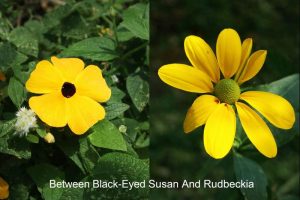
These plants differ in growth habits, flower appearance, and maintenance requirements. Knowing these distinctions helps you create a garden that is vibrant, healthy, and long-lasting.
In this guide, we will explore the key differences between Black-eyed Susan and Rudbeckia. You will learn about flower appearance, growth patterns, bloom times, foliage, and care tips to make the best choices for your garden.
What Is The Difference Between Black-Eyed Susan And Rudbeckia? 10 Best
1. Botanical Classification
Black-eyed Susan is specifically Rudbeckia hirta, known for its bright yellow petals and dark brown center. Rudbeckia, as a genus, includes multiple species such as Rudbeckia fulgida, Rudbeckia laciniata, and Rudbeckia maxima. While all belong to the same family, their botanical traits vary, including flower size, plant height, and leaf shape.
Gardeners often use the term Black-eyed Susan interchangeably with Rudbeckia, but this is technically inaccurate. Knowing the scientific classification can help avoid confusion when purchasing plants. This ensures you get the specific variety that suits your garden space and soil type.
The genus Rudbeckia is native to North America and thrives in sunny locations with well-draining soil. Black-eyed Susans are hardy perennials or biennials, depending on the variety, while other Rudbeckia species can vary in their growth patterns. Understanding this classification ensures better care and longer-lasting blooms.
2. Flower Appearance
Black-eyed Susans are known for their classic bright yellow petals surrounding a dark brown or black center, creating a striking contrast. Other Rudbeckia species can vary in petal color, ranging from yellow to orange or even reddish hues. The center disk may also differ in size and texture depending on the species.
The petal shape and arrangement also differ between Black-eyed Susan and other Rudbeckias. Black-eyed Susans typically have simple, flat petals, while some Rudbeckia species have more elongated or ruffled petals. These subtle differences can affect how the flowers look in a garden setting or floral arrangement.
Additionally, flower size is another differentiating factor. Black-eyed Susans generally produce smaller, uniform blooms, while Rudbeckia species may have larger, more dramatic flowers. Choosing the right type depends on whether you want a delicate border or a bold focal point in your landscape.
3. Growth Habit
Black-eyed Susans are typically shorter and more compact, growing between 1 to 3 feet tall. Many Rudbeckia species grow taller, ranging from 2 to 6 feet, making them suitable for back-of-border plantings. Their growth habit also affects spacing requirements and overall garden design.
The branching structure differs as well. Black-eyed Susans usually have fewer stems and a bushy appearance, while Rudbeckia species often produce multiple tall stems with clusters of flowers. Understanding these differences helps prevent overcrowding and ensures healthy growth.
Some Rudbeckias are vigorous spreaders, forming dense clumps over time. Black-eyed Susans tend to be more controlled, requiring minimal division. Knowing this can influence your choice for smaller or larger garden spaces.
4. Blooming Season
Black-eyed Susans typically bloom from June to September, providing bright color in early to mid-summer. Other Rudbeckia species may bloom later, extending into October or November, giving longer seasonal interest. By combining both, you can enjoy a continuous display of flowers.
The timing of blooms also affects pollinator attraction. Black-eyed Susans are excellent for bees and butterflies in summer, while late-blooming Rudbeckias support pollinators into fall. This makes both choices excellent for ecological gardening.
Moreover, understanding bloom times helps with succession planting. Planting earlier-blooming Black-eyed Susans with later Rudbeckias ensures your garden never looks bare. This is ideal for creating layered color and visual interest.
5. Foliage Differences
Black-eyed Susan leaves are usually rough, lance-shaped, and medium green, forming a tidy basal clump. Rudbeckia species may have larger, more textured, or lobed leaves, depending on the variety. Leaf shape and texture contribute to the plant’s ornamental appeal even when not in bloom.
Foliage color can vary slightly. While Black-eyed Susan leaves remain medium green, some Rudbeckias develop darker or bluish-green foliage, adding depth to the garden palette. These variations allow for creative garden combinations.
Leaf arrangement also affects maintenance. Black-eyed Susans tend to grow in a compact, upright habit, while some Rudbeckias may sprawl or need staking. Knowing this prevents overcrowding and keeps your garden tidy.
6. Hardiness and Growing Conditions
Black-eyed Susans are hardy in USDA zones 3 to 9, tolerating drought, poor soil, and full sun. Rudbeckia species also enjoy full sun but may require more fertile soil and moisture for optimal growth. Choosing the right type ensures your plants thrive in your climate.
Soil adaptability varies slightly. Black-eyed Susans grow well in sandy or loamy soil, while Rudbeckia species may prefer richer, well-draining soils. Knowing this difference helps in planning your garden beds effectively.
Some Rudbeckias are more tolerant of wet conditions, making them ideal for rain gardens. Black-eyed Susans, on the other hand, are better for dry, sunny borders, ensuring versatility in landscaping choices.
7. Propagation Methods
Black-eyed Susans are usually propagated by seeds, which are easy to sow directly in the garden. Many Rudbeckia species can also be propagated by division or cuttings, offering more flexibility for gardeners. Knowing the best propagation method ensures success when expanding your garden.
Seeds of Black-eyed Susans germinate quickly and establish easily in most soil types. Some Rudbeckias may take longer to establish or require special care for transplanting. Planning propagation ensures healthy, vibrant plants year after year.
Additionally, division helps rejuvenate older Rudbeckia clumps, increasing flower production. Black-eyed Susans typically require less frequent maintenance in established beds. This difference is helpful for gardeners seeking low-maintenance options.
8. Wildlife Benefits
Both Black-eyed Susans and Rudbeckia species are excellent for pollinators, attracting bees, butterflies, and birds. Black-eyed Susans provide nectar and seeds for summer visitors. Rudbeckia species extend these benefits into late fall.
The difference lies in the duration of food availability. Black-eyed Susans bloom earlier, feeding pollinators when few other flowers are available. Later-blooming Rudbeckias provide sustenance into cooler months, supporting wildlife longer.
Gardeners focused on biodiversity often plant both types. This ensures a continuous supply of nectar and seeds for local wildlife. Combining these plants enhances the ecological value of any garden.
9. Maintenance Requirements
Black-eyed Susans require minimal maintenance, including occasional deadheading and watering in dry conditions. Rudbeckia species may need staking, division, or pruning, depending on the variety and height. Understanding maintenance needs helps you plan for time and effort in your garden.
Both plants benefit from fertilization in spring to encourage robust blooms. However, over-fertilization of Rudbeckia can lead to excessive foliage with fewer flowers. Knowing these nuances ensures optimal growth and flowering.
Deadheading Black-eyed Susans promotes more blooms and a tidier appearance. Rudbeckias often self-seed freely, which can be an advantage or a concern for gardeners wanting controlled growth. This difference affects garden management strategies.
10. Best Landscaping Uses
Black-eyed Susans are ideal for borders, cottage gardens, and mass plantings due to their compact growth habit. Rudbeckia species work well as back-of-border plants or naturalized meadow flowers, adding height and drama. Choosing the right plant type improves visual balance in your garden.
Black-eyed Susans provide a consistent pop of color in mid-summer. Rudbeckias can create a layered, long-season effect with their extended bloom times. By combining both, gardeners achieve vibrant, continuous color throughout the growing season.
The choice depends on your design goals and garden space. For small or low-maintenance gardens, Black-eyed Susans are perfect. For larger spaces requiring dynamic visual impact, Rudbeckias are better suited.
FAQs: Black-Eyed Susan vs Rudbeckia
1. Are Black-eyed Susan and Rudbeckia the same plant?
No, Black-eyed Susan (Rudbeckia hirta) is a specific species, while Rudbeckia refers to the entire genus containing multiple species. They share similarities but differ in size, bloom time, and flower variety.
2. Which blooms first, Black-eyed Susan or Rudbeckia?
Black-eyed Susans typically bloom earlier, from June through September. Many other Rudbeckia species bloom later, sometimes continuing into October or November.
3. Can Rudbeckia grow in the same conditions as Black-eyed Susan?
Yes, both prefer full sun and well-draining soil, but some Rudbeckia species may need richer soil or more moisture. Black-eyed Susans are generally hardier and more drought-tolerant.
4. How tall do Black-eyed Susan and Rudbeckia grow?
Black-eyed Susan usually grows 1–3 feet tall, making it ideal for borders or small gardens. Rudbeckia species can range from 2–6 feet, suitable for back-of-border or naturalized areas.
5. Are Black-eyed Susan and Rudbeckia good for pollinators?
Yes, both attract bees, butterflies, and birds. Black-eyed Susan blooms earlier, supporting summer pollinators, while Rudbeckia extends the nectar and seed availability into fall.
6. How do you propagate Black-eyed Susan and Rudbeckia?
Black-eyed Susans are mostly propagated from seeds, which germinate easily. Rudbeckia species can also be propagated by division or cuttings, offering more flexibility for gardeners.
7. Which plant is easier to maintain, Black-eyed Susan or Rudbeckia?
Black-eyed Susan requires minimal maintenance, including occasional deadheading and watering. Rudbeckia may need staking, division, or pruning depending on the species and height.
Conclusion
After reviewing the differences between Black-eyed Susan and Rudbeckia, it is clear that both plants offer unique advantages. Black-eyed Susans are compact, early-blooming, and low-maintenance, ideal for borders and smaller garden spaces.
Rudbeckia species provide height, variety, and late-season color, making them perfect for larger landscapes or naturalized areas. Their extended bloom times also support pollinators longer, adding ecological benefits to your garden.
By combining both plants, gardeners can achieve continuous color, layered textures, and a dynamic landscape. Understanding these differences ensures your garden remains healthy, visually appealing, and pollinator-friendly throughout the season.
Choosing the right plant for the right spot maximizes beauty, sustainability, and long-term success in any garden setting.
Recent Posts
The best fertilizer for Aechmea fasciata is essential for promoting vibrant bract coloration, strong root systems, and steady vegetative growth throughout the active season. Selecting fertilizers...
The best fertilizer for landscaping is essential for maintaining lush lawns, vibrant plants, and healthy soil structure across diverse outdoor environments. Selecting fertilizers with NPK ratios such...