Residual weed killers are essential tools in modern crop production because they provide long-lasting suppression of weeds before and after crop emergence. These products are designed to form a protective barrier in the soil, preventing weed seeds from germinating and reducing weed pressure throughout the growing season
Choosing the best residual weed killer helps farmers protect yields, minimize labor costs, and reduce repeated herbicide applications. In many cropping systems, residual weed control has been shown to reduce weed emergence by over 70%, improving crop uniformity and profitability.
Residual weed killers are widely used in row crops, turf, pastures, and specialty plantings, where annual grassy and broadleaf weeds compete aggressively with desired vegetation. Selecting the right product depends on crop tolerance, soil type, weed spectrum, and environmental conditions.
This guide presents the 10 best residual weed killers available today, including pre-emergence and early post-emergence options, with product details, application tips, pros, and cons for each.
What Is The Best Residual Weed Killer? Find 10 Best
1. Pendimethalin – Prowl H2O (BASF) – Best Pre-Emergence Residual Weed Killer
Pendimethalin, marketed as Prowl H2O, is a widely trusted pre-emergence residual weed killer commonly used in row crops, vegetables, and orchard systems. It works by inhibiting weed seed germination and early shoot growth, controlling many annual grasses and broadleaf weeds. Growers often apply it before weed emergence to establish a protective barrier in the soil.
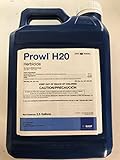
Prowl H2O’s water-based formulation allows for excellent soil incorporation and coverage, reducing early weed competition. It is valued for its long-lasting control, often persisting for 4–6 weeks depending on soil type and moisture. Farmers appreciate its compatibility with many crop rotation systems and tank-mix partners.
With reliable performance across diverse weed spectra, Pendimethalin is a go-to residual weed killer for producers prioritizing early weed suppression and crop safety. Its flexibility and soil persistence make it ideal for integrated weed management systems.
Pros:
• Long control
• Broad spectrum
• Crop safe
• Water formulation
• Tank-mixable
• Early season
• Weed suppression
Cons:
• Timing sensitive
• Soil moisture
• Weather dependent
2. Sulfentrazone – Authority (FMC) – Best for Broadleaf Weed Residual Control
Sulfentrazone, sold as Authority, is an effective residual herbicide for controlling broadleaf weeds in turf, vegetables, and specialty crops. Its mode of action disrupts pigment synthesis in weed seedlings, preventing emergence after application. Authority is frequently used before planting or early in the season for lasting weed suppression.
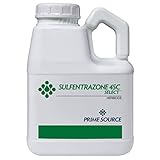
This product is especially useful against persistent broadleaf species like pigweed and nightshade. It is often applied in combination with other residual herbicides to provide multi-spectrum weed control. Its rapid action and soil persistence make it a valuable tool in integrated weed management programs.
Authority’s reliable broadleaf suppression makes it a popular choice for producers seeking residual weed control beyond grassy species. Proper calibration ensures crop safety and maximizes long-term inhibition of weeds.
Pros:
• Broadleaf control
• Long persistence
• Turf safe
• Vegetable safe
• Easy application
• Tank-mixable
• Integrated use
Cons:
• Sensitive timing
• Crop rotation
• Soil bound
3. Oxyfluorfen – GoalTender (Corteva) – Best for Residual Control in Ornamentals and Vegetable Beds
Oxyfluorfen, branded as GoalTender, is a residual weed killer widely used in ornamentals, vegetable beds, and non-cropland areas. It works by inhibiting weed germination and early seedling development while remaining safe under labeled conditions. GoalTender provides effective suppression of broadleaf and grass species.
Gardeners and commercial producers use it to establish clean planting beds before crop emergence. Its persistence in soil creates a protective environment that minimizes weed pressure throughout the growing season. GoalTender is especially valued in specialty crop production where prolonged weed prevention is needed.
Because of its compatibility with multiple cropping systems, GoalTender remains one of the top residual weed killers for proactive weed management. Its ease of application and reliable results make it a staple for growers.
Pros:
• Residual control
• Broad spectrum
• Vegetable safe
• Ornamentals safe
• Easy spray
• Long lasting
• Soil barrier
Cons:
• Plant sensitivity
• Label limits
• Weather risk
4. S-Metolachlor – Dual Magnum (Syngenta) – Best for Grassy Weed Residual Control
S-Metolachlor, commonly marketed as Dual Magnum, provides excellent pre-emergence residual control of grassy weeds in corn, soybeans, and other row crops. Its primary application is to stop weed seedlings before they emerge, particularly annual grasses. Dual Magnum binds to the soil surface, creating a persistent weed barrier.

This product is often used with other residual herbicides to broaden the control spectrum to include both grasses and broadleaf weeds. Dual Magnum’s performance is enhanced by proper soil moisture and incorporation. Crop safety is high when applied at labeled rates and timings.
Because of its targeted grassy weed suppression, many growers consider Dual Magnum a cornerstone in corn and soybean weed control strategies. Its weed control window helps reduce early competition and preserves crop health.
Pros:
• Grassy control
• Residual barrier
• Corn safe
• Soybean safe
• Broad use
• Long lasting
• Tank-mixable
Cons:
• Moisture needed
• Timing key
• Rotation limits
5. Metribuzin – Sencor (UPL) – Best for Broad Spectrum Residual Control
Metribuzin, known commercially as Sencor, is a registered residual herbicide with both pre- and early post-emergence activity. It targets a wide range of broadleaf and grassy weeds in potatoes, tomatoes, and legumes. Sencor controls weeds by disrupting photosynthesis in germinating seedlings.
This product’s flexibility across multiple crop types makes it an attractive option for producers seeking broad spectrum residual control. Its effectiveness depends on soil moisture and proper incorporation. Many growers use it as part of a tank-mix strategy with other herbicides for added control.
Sencor’s reliable weed suppression helps reduce early season weed competition and supports higher crop performance. Its broad spectrum makes it a favorite in mixed cropping environments.
Pros:
• Broad spectrum
• Pre-emergence
• Early post-emergence
• Vegetable safe
• Weed suppression
• Soil barrier
• Flexible use
Cons:
• Soil moisture
• Sensitive crop
• Weather risk
6. Atrazine – Aatrex (Syngenta) – Best for Corn Weed Residual Control
Atrazine, branded as Aatrex, is a long-standing residual herbicide for corn production. It inhibits weed seed germination and early growth by interfering with photosynthetic processes. Aatrex is used mainly in corn and sorghum to suppress a wide array of annual grassy and broadleaf weeds.
This herbicide is often applied early in the season to establish a weed-free planting environment. Its persistence in soil provides extended control, especially when paired with irrigation or rainfall. Due to its long history of use, it remains a trusted product in many weed management plans.
Aatrex’s extensive residual weed control makes it a top choice for corn growers seeking first-line weed prevention. However, proper stewardship and label adherence are essential to maintain environmental safety.
Pros:
• Long control
• Corn safe
• Broad use
• Yearly staple
• Reliable results
• Residual barrier
• Weed reduction
Cons:
• Environmental limits
• Restricted use
• Regulatory risk
7. Isoxaben – Gallery (BASF) – Best for Tough Broadleaf Weed Control
Isoxaben, marketed as Gallery, is a residual herbicide focused on broadleaf weed control in landscapes and selected crops. It inhibits cell wall synthesis in emerging weeds, preventing establishment. Gallery is often used in ornamental plantings, turf, and some vegetables.
This product is highly effective against species like lamb’s quarters, pigweed, and chickweed. It’s usually applied before weeds emerge and requires soil activation through rainfall or irrigation. Gallery’s targeted activity makes it suitable where broadleaf weed pressure is high.
With its long-lasting suppression and crop safety, Isoxaben remains a strong option for growers needing broadleaf residual control. Its use in non-cropland and landscape settings also demonstrates versatility.
Pros:
• Broadleaf control
• Long lasting
• Soil barrier
• Non-cropland
• Ornamental safe
• Weed suppression
• Reliable efficacy
Cons:
• Moisture required
• Timing needed
• Cost
8. Trifluralin – Treflan (Corteva) – Best Traditional Residual Weed Control
Trifluralin, known commercially as Treflan, is a classic pre-emergence residual herbicide used in many row crops and vegetables. It prevents weed seedling root development and emergence, targeting annual grasses and small broadleaf weeds. Treflan must be incorporated into the upper soil layer for effective residual activity.
Growers often use Treflan in vegetable production systems where its residual barrier reduces weed pressure without repeated applications. Its long track record and acceptance make it a staple in many weed management programs. Treflan works best in lighter soils with moderate moisture.
This product’s reliable early season residual control makes it a strong performer in integrated weed strategies. It pairs well with other modes of action to delay weed resistance.
Pros:
• Traditional use
• Residual effect
• Broad grasses
• Vegetable safe
• Soil barrier
• Stays active
• Good partner
Cons:
• Soil incorporation
• Moisture need
• Timing
9. Isoxadifen Ethyl Mix – Matrix (BASF) – Best Enhanced Residual Herbicide Booster
Matrix combines Isoxadifen ethyl with residual partners to enhance weed control in resistant weed populations. It doesn’t act alone but boosts the performance of other residual herbicides such as flumioxazin and metribuzin. Matrix improves uptake and efficacy, especially in challenging conditions.
This product provides a residual barrier that increases herbicide absorption in germinating weeds. Farmers use it in tough weed situations or where multiple weed species coexist. Matrix’s formulation makes residual weed killers more effective and reliable.
By improving penetration and performance, it helps growers maximize residual weed control over diverse weed spectra. Its use in integrated programs enhances control stability.
Pros:
• Boost activity
• Resistance help
• Works with partners
• Increases uptake
• Diverse control
• Residual boost
• Reliable mix
Cons:
• Needs partner
• Costly mix
• Label limits
10. Mesotrione – Callisto (Syngenta) – Best for Broadleaf & Small Grass Residual Mix
Mesotrione, sold as Callisto, is a residual herbicide with broad activity against both broadleaf weeds and small grasses in corn and other crops. It inhibits the HPPD enzyme in emerging weeds, preventing chlorophyll formation and seedling establishment. Callisto provides effective pre-emergence residual control when applied early.
Its dual action makes it a versatile choice for growers seeking broader weed suppression. Callisto is often used in rotation or tank-mix programs to enhance spectrum control. Proper application timing ensures residual window protection throughout critical growth stages.
Because of its dual spectrum and reliable soil persistence, Callisto is a preferred tool for many farmers managing diverse weed pressures. It supports integrated weed control strategies.
Pros:
• Broad spectrum
• Dual action
• Pre-emergence
• Residual barrier
• Tank-mixable
• Corn safe
• Weed reduction
Cons:
• Timing key
• Soil moisture
• Cost
What Is The Best Residual Weed Killer FAQs
1. What makes a herbicide a residual weed killer?
A residual weed killer forms a protective soil barrier that prevents weed seeds from germinating.
2. Are residual weed killers safe for crops?
Yes, when used according to label instructions and crop tolerance, they are crop-safe.
3. When should residual weed killers be applied?
They are usually applied pre-emergence or early post-emergence before weeds sprout.
4. Do residual herbicides affect soil microbes?
Some do temporarily, but most labels address soil health impacts.
5. Can residual weed killers reduce labor costs?
Yes, they significantly reduce the need for repeated weeding.
6. Are residual weed killers compatible with integrated weed management?
Yes, they are key components of IWM programs.
7. Should residual weed killers be tank-mixed?
Tank-mixing can improve spectrum but must follow label guidelines.
Conclusion
In conclusion, the best residual weed killer depends on crop type and weed spectrum, but products like Pendimethalin (Prowl H2O) provide proven long-lasting pre-emergence control that suits many agricultural systems. The runner-up is Sulfentrazone (Authority) due to its strong broadleaf suppression and soil persistence when used appropriately.
Pendimethalin was chosen as best because of its broad effect across grasses and broadleaf weeds, consistent soil barrier, and crop safety when applied correctly. Sulfentrazone earned the runner-up role because it delivers strong broadleaf control and pairs well with other residual partners.
Other solid options include S-Metolachlor (Dual Magnum) and Mesotrione (Callisto), which expand control to grassy weeds and mixed spectra. Products like GoalTender and Treflan offer specialty and traditional weed control where extended suppression is needed.
Using the best residual weed killers helps growers maximize crop yield, reduce early weed competition, and lower labor inputs. When incorporated into integrated weed management, these products improve field performance and overall farm sustainability.
Recent Posts
Choosing the Best Fertilizer For Salvias is essential for achieving vibrant blooms, lush foliage, and strong root systems. Proper nutrient management ensures salvias receive the right balance of...
Choosing the best fertilizer for ginger plant is essential for achieving strong rhizome development, vigorous foliage, and high yields. Proper nutrient management ensures ginger plants receive the...