The best plant to stop soil erosion plays a critical role in protecting landscapes because vegetation anchors soil and reduces the damaging effects of water runoff and wind. Selecting the right plant cover helps preserve fertile topsoil while improving long-term soil stability.
Many landowners underestimate how powerful vegetation can be in controlling erosion. Environmental research shows that vegetative ground cover can reduce soil loss by up to 70–80%, especially on slopes and exposed ground.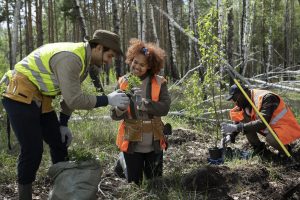
Plants that prevent erosion usually develop deep root systems and dense foliage that hold soil particles together. Grasses, shrubs, and ground covers such as vetiver grass, creeping juniper, and clover are widely recommended because they stabilize soil effectively.
In this guide, the best plant to stop soil erosion will be explored through some of the most effective vegetation options used in landscaping and conservation projects. You will discover reliable plants that strengthen soil structure, reduce runoff, and provide long-term erosion protection.
What Is The Best Plant To Stop Soil Erosion?
1. Vetiver Grass – Best Plant to Stop Soil Erosion on Steep Slopes
Vetiver grass has extremely deep roots that can reach up to three meters underground, anchoring soil firmly during heavy rainfall. Its dense clumps slow water runoff, preventing topsoil from washing away. This perennial grass adapts well to drought and poor soil conditions.
The grass improves soil structure and stabilizes slopes, making it highly effective for erosion control. It also enhances land stability by creating strong underground barriers. Many environmental projects use vetiver for riverbanks and steep areas due to its reliability.
Vetiver grass is widely considered one of the best plants to stop soil erosion. Its fast growth, deep roots, and climate adaptability make it a long-term solution. Overall, it provides soil protection, slope stabilization, and low-maintenance care.
Pros:
• Deep roots
• Fast growth
• Drought tolerant
• Strong anchor
• Low maintenance
• Soil stabilizer
• Climate hardy
Cons:
• Clump growth
• Needs spacing
• Tall grass
2. Creeping Juniper – Best Ground Cover Plant to Stop Soil Erosion
Creeping juniper forms a dense evergreen mat across the soil, protecting it from rainfall impact. Its extensive root system binds soil particles and prevents erosion. The plant tolerates drought, poor soil, and rocky terrain.
It is ideal for slopes and dry landscapes due to its hardy nature. Blue-green foliage adds aesthetic appeal while stabilizing soil. Landscapers often recommend creeping juniper for hillside and garden erosion control.
This plant is one of the best ground cover plants to stop soil erosion. It provides dense coverage, soil binding, and decorative value. Overall, it combines functionality with visual enhancement for outdoor spaces.
Pros:
• Dense coverage
• Evergreen foliage
• Drought tolerant
• Slope friendly
• Decorative
• Low maintenance
• Soil binder
Cons:
• Slow spread
• Needs sunlight
• Wide space
3. Bermuda Grass – Best Fast-Growing Grass to Stop Soil Erosion
Bermuda grass spreads rapidly through runners and rhizomes, forming a thick protective layer over soil. Its dense roots reduce water runoff and prevent soil displacement. Commonly used on sports fields and lawns, it anchors soil effectively.
The grass recovers quickly after damage, maintaining ground cover even after trampling or mowing. Its rapid growth ensures immediate protection for vulnerable slopes. The strong root network enhances overall soil stability.
Bermuda grass is one of the best fast-growing plants to stop soil erosion. It provides quick soil cover, durability, and long-term resilience. Overall, it combines rapid establishment with efficient soil stabilization.
Pros:
• Fast growth
• Dense roots
• Durable grass
• Heat tolerant
• Soil cover
• Lawn friendly
• Quick recovery
Cons:
• Aggressive spread
• Needs mowing
• Seasonal dormancy
4. Crown Vetch – Best Flowering Plant to Stop Soil Erosion
Crown vetch produces attractive pink flowers while stabilizing soil on slopes. Its spreading stems form a thick ground cover that prevents erosion. The strong root system binds soil effectively under heavy rainfall.
The plant also fixes nitrogen, improving soil fertility while protecting it from erosion. Rapid spread makes it suitable for roadside and hillside stabilization projects. It provides dual benefits of ecological enhancement and aesthetic appeal.
Crown vetch is considered one of the best flowering plants to stop soil erosion. It combines soil protection, slope stabilization, and nitrogen fixation. Overall, it is highly effective for both functional and decorative erosion control.
Pros:
• Flowering plant
• Fast spread
• Nitrogen fixer
• Slope stabilizer
• Soil improvement
• Low maintenance
• Attractive blooms
Cons:
• Invasive risk
• Hard control
• Large coverage
5. Bamboo – Best Deep Root Plant to Stop Soil Erosion
Bamboo develops extensive root networks that firmly hold soil together. Its rapid growth and thick stems create a natural barrier against erosion. Falling leaves add organic matter, improving long-term soil health.
The dense underground network stabilizes slopes and riverbanks effectively. Bamboo provides wind protection and natural shade in addition to erosion control. Managed planting prevents unwanted spreading while maximizing benefits.
Bamboo is one of the best deep root plants to stop soil erosion. It combines rapid establishment, soil stabilization, and sustainable growth. Overall, bamboo provides functional protection and ecological improvement.
Pros:
• Deep roots
• Rapid growth
• Wind barrier
• Soil stabilizer
• Strong stems
• Natural shade
• Durable plant
Cons:
• Aggressive spread
• Needs control
• Large space
6. Switchgrass – Best Native Grass to Stop Soil Erosion
Switchgrass develops deep roots that bind soil strongly and prevent erosion. Dense root networks improve soil structure, water retention, and organic matter. The grass thrives in both dry and wet conditions.
It is widely used in conservation programs due to adaptability and climate resilience. Switchgrass stabilizes large fields, slopes, and natural landscapes efficiently. Its roots enhance surrounding plant growth and ecosystem health.
Switchgrass is considered one of the best native grasses to stop soil erosion. Its low-maintenance growth and multi-season protection make it highly effective. Overall, it ensures soil stabilization and long-term habitat support.
Pros:
• Native grass
• Deep roots
• Soil builder
• Climate hardy
• Drought tolerant
• Wildlife friendly
• Low maintenance
Cons:
• Tall growth
• Seasonal dieback
• Slow start
7. Willow Trees – Best Tree to Stop Soil Erosion Near Water
Willow trees establish extensive roots along riverbanks and streams, stabilizing soil near water. Their roots hold soil firmly and absorb excess water, reducing flooding. Flexible branches resist wind damage.
Rapid growth allows willow trees to stabilize banks quickly. They provide shade and habitat while maintaining soil integrity. Their adaptability ensures effectiveness in wet and dynamic environments.
Willow trees are among the best trees to stop soil erosion near water. They combine fast establishment, soil stabilization, and ecological support. Overall, willows are ideal for riverbanks and erosion-prone water edges.
Pros:
• Strong roots
• Fast growth
• Water tolerant
• Riverbank stabilizer
• Wind resistant
• Shade provider
• Wildlife habitat
Cons:
• Large tree
• Needs water
• Falling leaves
8. Daylilies – Best Perennial Flower to Stop Soil Erosion
Daylilies produce dense foliage and fibrous roots that protect soil from rainfall. Their thick clusters form ground cover that stabilizes slopes naturally. Bright flowers add visual appeal to gardens while performing erosion control.
They tolerate drought, poor soil, and neglect, reducing maintenance requirements. Over time, daylilies create a dense protective mat for soil stability. Their perennial growth ensures consistent erosion control.
Daylilies are among the best perennial flowers to stop soil erosion. They combine aesthetics, durability, and soil protection. Overall, they provide both functional coverage and colorful landscaping.
Pros:
• Flowering plant
• Dense roots
• Decorative
• Low maintenance
• Drought tolerant
• Soil binder
• Long lifespan
Cons:
• Slow spread
• Seasonal flowers
• Needs spacing
9. Ivy – Best Evergreen Plant to Stop Soil Erosion
Ivy spreads rapidly to form thick mats that protect soil. Its roots grip ground surfaces and prevent erosion. Evergreen foliage ensures year-round soil stabilization.
Ivy grows well in shaded areas and under trees where other plants struggle. Controlled management prevents overgrowth while maintaining protection. The dense foliage provides a durable and decorative ground cover.
Ivy is considered one of the best evergreen plants to stop soil erosion. It combines soil stabilization, shade tolerance, and aesthetic value. Overall, it provides permanent ground cover and erosion resistance.
Pros:
• Evergreen cover
• Fast spread
• Shade tolerant
• Soil binder
• Dense foliage
• Slope friendly
• Low maintenance
Cons:
• Invasive risk
• Needs trimming
• Tree climbing
10. Clover – Best Nitrogen-Fixing Plant to Stop Soil Erosion
Clover spreads across soil, forming a thick living mulch that prevents erosion. Its fibrous roots stabilize soil and reduce wind and water impact. Clover also improves fertility by fixing nitrogen.
The plant grows quickly and requires minimal fertilizer. It thrives in many soil types, creating sustainable ground cover. Its growth enhances soil health and protects surrounding vegetation.
Clover is one of the best nitrogen-fixing plants to stop soil erosion. It combines fast coverage, soil enrichment, and erosion control. Overall, it provides practical, sustainable, and low-maintenance soil protection.
Pros:
• Nitrogen fixer
• Soil cover
• Fast growth
• Pollinator friendly
• Soil improvement
• Low fertilizer
• Easy growth
Cons:
• Seasonal growth
• Bee attraction
• Needs mowing
Best Plants For Soil Erosion Control
Several plant characteristics determine how effective they are at preventing erosion:
1. Deep Root Systems
Plants with deep roots anchor soil strongly and prevent landslides or washouts.
2. Dense Ground Coverage
Ground cover plants reduce rain impact and slow water runoff.
3. Fast Growth
Fast-growing plants stabilize soil quickly before erosion damage occurs.
4. Climate Adaptability
Plants that tolerate drought, heat, or poor soil conditions perform better in erosion-prone environments.
What Is The Best Plant To Stop Soil Erosion FAQs
1. What is the best plant to stop soil erosion on slopes?
Vetiver grass is one of the best plants for slopes because its deep roots hold soil strongly and reduce runoff.
2. What plants stop soil erosion quickly?
Fast-growing plants like Bermuda grass, clover, and crown vetch stabilize soil quickly.
3. Can trees prevent soil erosion?
Yes, trees such as willow trees help stabilize soil with their extensive root systems.
4. Are grasses good for erosion control?
Grasses are excellent erosion control plants because their dense root systems bind soil effectively.
5. What ground cover plants stop soil erosion?
Creeping juniper, ivy, and clover are popular ground cover plants for erosion control.
6. Do flowers help prevent soil erosion?
Yes, flowering plants such as daylilies and crown vetch help stabilize soil while improving landscape appearance.
7. Why do plants stop soil erosion?
Plants prevent erosion because their roots hold soil particles together and their leaves protect soil from rainfall impact.
Conclusion
In conclusion, the best plant to stop soil erosion in this guide is vetiver grass, while the runner-up is Bermuda grass due to its rapid growth and dense root network. These plants stabilize soil effectively and prevent topsoil loss even during heavy rainfall.
The best option was selected because of its extremely deep roots that anchor soil firmly. The runner-up performs well because it spreads quickly and forms dense ground cover.
Selecting the right erosion-control plant depends on your landscape conditions and climate. Combining grasses, shrubs, and trees often produces the best erosion protection.
If you want to protect your land and improve soil stability, consider planting one of these erosion-control plants today to safeguard your landscape from soil loss.
Recent Posts
Choosing the Best Fertilizer For Salvias is essential for achieving vibrant blooms, lush foliage, and strong root systems. Proper nutrient management ensures salvias receive the right balance of...
Choosing the best fertilizer for ginger plant is essential for achieving strong rhizome development, vigorous foliage, and high yields. Proper nutrient management ensures ginger plants receive the...