Understanding what Oxyfluorfen 23.5% EC is used for is important for farmers, landscapers, and agricultural professionals seeking reliable weed management solutions. This herbicide is widely valued for its ability to control invasive weeds in both crop and non-crop environments.
Knowing the various ways in which Oxyfluorfen 23.5% EC is used for helps growers improve crop productivity by reducing weed competition for water, sunlight, and soil nutrients. Proper application supports healthier plant development and improves overall field efficiency.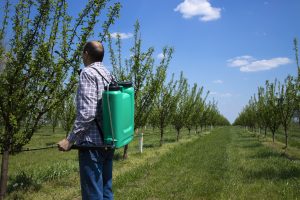
Agricultural specialists rely on this herbicide for targeted weed control in orchards, plantations, vegetable crops, and landscaping projects. Its versatility makes it a preferred solution in modern integrated weed management programs.
In this guide, we will highlight the 10 best uses of Oxyfluorfen 23.5% EC, detailing its most effective agricultural applications, landscape advantages, and sustainable strategies for comprehensive weed control.
What Is Oxyfluorfen 23.5% EC Used For? Find 10 Best
1. Controlling Annual Broadleaf Weeds Before Germination
Oxyfluorfen 23.5% EC is widely applied to prevent the emergence of annual broadleaf weeds before they break through the soil surface. It creates a protective chemical barrier that stops weed seedlings from developing. This application is particularly valuable during early planting stages when crops are most vulnerable to competition.
The product is commonly used in crops such as onions, garlic, and ornamental plantings. By preventing early weed growth, it allows cultivated plants to access sunlight and nutrients more efficiently. This use significantly reduces early-season weed pressure.
Preventive weed control helps improve crop establishment and field uniformity. Farmers rely on this application to minimize labor and mechanical weeding operations.
Pros:
• Prevents germination
• Early protection
• Crop support
• Uniform growth
• Labor reduction
• Soil barrier
• Efficient control
Cons:
• Timing sensitive
• Soil dependent
• Rain influence
2. Managing Young Weed Seedlings After Emergence
Oxyfluorfen 23.5% EC is effective in eliminating newly emerged weeds when applied during early growth stages. It disrupts plant cell membranes, causing visible leaf burn and rapid drying. This allows growers to stop weed development before maturity.
The product works best when weeds have small and tender foliage. Early application prevents weeds from producing seeds and spreading further. This contributes to long-term weed population reduction.
Farmers often use this approach to maintain clean crop rows. It is especially useful in plantation and vegetable farming systems.
Pros:
• Fast action
• Visible results
• Seed prevention
• Targeted control
• Early suppression
• Efficient spraying
• Population control
Cons:
• Contact only
• Coverage critical
• Repeat needed
3. Maintaining Weed-Free Orchard Tree Bases
Oxyfluorfen 23.5% EC is frequently used to maintain weed-free zones around fruit trees. Removing weeds from tree bases improves nutrient and moisture availability. This supports better fruit production and tree growth.
This use helps reduce pest habitats that often develop in dense weed growth. Cleaner orchard floors improve airflow and reduce disease risks. Growers prefer this application for long-term orchard management.
Tree health improves when competition from invasive weeds is minimized. It also simplifies harvesting and orchard maintenance.
Pros:
• Tree protection
• Nutrient access
• Pest reduction
• Improved airflow
• Yield support
• Easier harvest
• Long protection
Cons:
• Drift risk
• Application care
• Crop sensitivity
4. Supporting Weed Control in Vegetable Production
Oxyfluorfen 23.5% EC is used to protect vegetable crops during early development stages. It reduces weed competition that can stunt plant growth and reduce harvest quality. Vegetable growers use it to improve crop uniformity.
This herbicide is especially valuable in bulb crops where weeds easily dominate narrow planting rows. It ensures vegetables receive sufficient sunlight and nutrients. Improved weed control leads to better harvest consistency.
The product helps lower production costs by reducing manual weed removal. It supports efficient vegetable crop management.
Pros:
• Crop uniformity
• Yield improvement
• Labor savings
• Early control
• Cost reduction
• Reliable protection
• Row cleanliness
Cons:
• Dosage sensitive
• Crop variation
• Soil limits
5. Managing Weed Growth in Plantation Crops
Oxyfluorfen 23.5% EC is used in perennial plantations such as coffee, cocoa, and oil palm fields. It helps maintain weed-free areas around plant bases. This allows plantations to grow with minimal competition.
Removing weeds improves water and nutrient uptake by plantation crops. It also reduces pest hiding areas that can damage crops. Plantation managers depend on this use for long-term productivity.
This application supports efficient field maintenance. It reduces labor requirements in large agricultural estates.
Pros:
• Plantation support
• Long control
• Productivity boost
• Nutrient preservation
• Pest reduction
• Wide coverage
• Maintenance ease
Cons:
• Environmental caution
• Spray precision
• Seasonal timing
6. Clearing Weeds in Non-Crop Industrial Areas
Oxyfluorfen 23.5% EC is used to control unwanted vegetation in industrial facilities, railways, and storage yards. It helps maintain safe and accessible operational areas. Weed-free environments reduce fire hazards and equipment obstruction.
Industrial land managers use this herbicide to reduce maintenance costs. It provides reliable control of unwanted plant growth. This ensures long-term site cleanliness.
Infrastructure longevity improves when vegetation damage is prevented. The herbicide supports safety compliance in industrial operations.
Pros:
• Safety improvement
• Fire prevention
• Infrastructure protection
• Long control
• Cost reduction
• Accessibility boost
• Reliable maintenance
Cons:
• Environmental rules
• Application limits
• Regulatory compliance
7. Preventing Weed Competition in Plant Nurseries
Oxyfluorfen 23.5% EC is used to protect nursery seedlings from weed competition. Young plants benefit from reduced nutrient and moisture loss. This supports stronger root development.
Nursery operators use it to maintain uniform plant growth. Weed-free environments improve plant quality and transplant success rates. This enhances commercial plant production.
It reduces manual weed removal requirements in nursery beds. Growers rely on this herbicide to improve operational efficiency.
Pros:
• Seedling protection
• Uniform growth
• Root support
• Quality improvement
• Labor reduction
• Bed cleanliness
• Production efficiency
Cons:
• Dosage control
• Plant sensitivity
• Soil restrictions
8. Preserving Aesthetic Value in Landscaping
Oxyfluorfen 23.5% EC helps maintain ornamental landscapes by eliminating unwanted weeds. Weed-free flower beds improve visual appeal and plant health. Landscapers use it to maintain professional garden appearance.
It prevents weed growth around decorative shrubs and plants. This supports proper ornamental plant development. Landscapes remain attractive and easy to maintain.
Property value often improves when landscaping remains weed-free. This use supports long-term garden management strategies.
Pros:
• Visual improvement
• Ornamental protection
• Maintenance reduction
• Property value
• Plant support
• Clean flower beds
• Professional results
Cons:
• Application precision
• Plant restrictions
• Drift risk
9. Improving Weed Management in Row Crop Systems
Oxyfluorfen 23.5% EC is applied to control weeds between crop rows. Removing weeds improves crop spacing and sunlight exposure. This enhances overall field productivity.
Row crop farmers use it to reduce weed seed spread. It supports consistent crop development across large fields. Weed-free rows improve irrigation efficiency.
This use reduces manual cultivation and labor costs. It supports modern large-scale farming systems.
Pros:
• Row protection
• Yield increase
• Sunlight access
• Irrigation support
• Labor savings
• Field uniformity
• Productivity boost
Cons:
• Timing critical
• Coverage needed
• Crop sensitivity
10. Strengthening Integrated Weed Management Programs
Oxyfluorfen 23.5% EC plays an important role in multi-herbicide weed control strategies. It helps prevent herbicide resistance by introducing alternative control methods. This supports long-term weed management sustainability.
Agricultural experts include it in rotation programs to improve effectiveness. Combining control methods reduces weed survival rates. This strengthens crop protection programs.
Integrated weed management improves environmental balance. Farmers benefit from reduced reliance on single chemical solutions.
Pros:
• Resistance control
• Sustainable farming
• Flexible use
• Long-term management
• Crop protection
• Program compatibility
• Environmental support
Cons:
• Planning required
• Monitoring needed
• Expertise required
What Is Oxyfluorfen 23.5% EC Used For FAQs
1. What type of herbicide is Oxyfluorfen 23.5% EC?
It is a selective and contact herbicide used for broadleaf and grassy weed control.
2. Is Oxyfluorfen used for pre or post-emergence control?
It is used for both pre-emergence and early post-emergence weed management.
3. Which crops commonly use Oxyfluorfen?
It is commonly used in orchards, vegetables, plantations, and row crops.
4. How does Oxyfluorfen kill weeds?
It disrupts weed cell membranes, causing rapid dehydration and plant death.
5. Is Oxyfluorfen safe for ornamental plants?
Yes, when applied correctly, it is used in landscaping and ornamental plant weed control.
6. Can Oxyfluorfen control grassy weeds?
Yes, it controls certain grassy weeds along with broadleaf weed species.
7. Does Oxyfluorfen provide long-lasting weed control?
Yes, it provides residual weed control when applied correctly.
Conclusion
In conclusion, the best use of Oxyfluorfen 23.5% EC is pre-emergence weed control because it prevents weed germination and reduces early crop competition. The runner-up use is orchard and plantation weed management because it provides long-lasting weed suppression and protects perennial crop productivity.
Pre-emergence application was selected as best due to its ability to provide preventive weed control, improve crop establishment, and reduce long-term weed infestations. Orchard and plantation use earned the runner-up position because it supports perennial crop health and reduces maintenance costs.
Other uses such as nursery weed management, industrial weed control, and integrated weed management programs also provide significant agricultural and environmental benefits. These applications allow farmers and land managers to customize herbicide programs based on specific weed challenges.
Proper herbicide application improves crop yield, reduces labor requirements, and supports sustainable weed control systems. Choosing the right usage method ensures effective and long-term weed management success.
Recent Posts
Choosing the Best Fertilizer For Salvias is essential for achieving vibrant blooms, lush foliage, and strong root systems. Proper nutrient management ensures salvias receive the right balance of...
Choosing the best fertilizer for ginger plant is essential for achieving strong rhizome development, vigorous foliage, and high yields. Proper nutrient management ensures ginger plants receive the...