Indoor plants not only enhance your home décor but can also protect your living spaces from unwanted insects. Certain species emit natural compounds that deter pests like mosquitoes, flies, and gnats.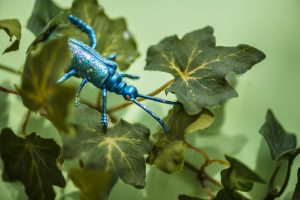
Using plants to repel bugs is a chemical-free, eco-friendly alternative to sprays and repellents. It improves indoor air quality while creating a healthier environment.
From aromatic herbs to ornamental foliage plants, many indoor varieties are effective at keeping pests at bay. Strategic placement of these plants around the home can reduce insect problems naturally.
In this guide, we explore the 20 best indoor plants that repel bugs, highlighting their benefits, care requirements, and the types of pests they deter.
What Indoor Plant Repels Bugs? Find 20+
1. Lavender – Lavandula angustifolia – Best Overall Bug Repellent
Lavender is famous for its calming fragrance and ability to repel mosquitoes and flies. Its essential oils contain linalool and linalyl acetate, which insects dislike.
Indoors, lavender thrives in bright sunlight and well-draining soil. Placing potted lavender near windows or doors keeps bugs away while filling the room with a pleasant scent.
The plant also promotes relaxation and mental wellness, making it a functional and decorative choice. Lavender’s purple blooms add color while acting as a natural insect deterrent.
Pros:
• Repels mosquitoes
• Fragrant blooms
• Low maintenance
• Indoor air improvement
• Decorative flowers
• Long-lasting scent
• Pest deterrent
Cons:
• Needs full sun
• Sensitive to overwatering
• Can be woody with age
2. Basil – Ocimum basilicum – Best Culinary & Pest Defense
Basil’s strong scent repels flies and mosquitoes effectively. It also adds a fresh aroma to your indoor space.
Potted basil requires bright light and regular watering to thrive. It can be harvested for cooking, making it both practical and functional.
The plant produces volatile oils that insects avoid. Its aromatic leaves also enhance indoor air and reduce unpleasant odors.
Pros:
• Repels mosquitoes and flies
• Culinary use
• Aromatic leaves
• Easy to grow indoors
• Decorative green foliage
• Improves indoor air
• Quick growth
Cons:
• Needs frequent watering
• Sunlight required
• Sensitive to cold
3. Mint – Mentha spp. – Best for Mosquitoes and Gnats
Mint is an aromatic herb that effectively repels mosquitoes and gnats. Its strong menthol scent keeps insects away while refreshing the indoor environment.
Indoor mint requires partial to full sunlight and moist, well-drained soil. Regular trimming encourages bushy growth and prevents legginess.
The plant can spread rapidly, so container cultivation is ideal. Mint also provides culinary uses for teas, desserts, and garnishes.
Pros:
• Repels mosquitoes and gnats
• Fast-growing
• Aromatic leaves
• Edible
• Easy to grow
• Refreshing scent
• Decorative green foliage
Cons:
• Spreads quickly
• Needs regular pruning
• Sensitive to overwatering
4. Citronella – Cymbopogon nardus – Best Natural Mosquito Repellent
Citronella emits oils that mosquitoes find unpleasant. It’s a natural alternative to chemical repellents for indoor use.
This plant prefers bright light and regular watering. Potted citronella can be placed near windows, doorways, or seating areas.
Its grassy foliage adds a tropical look indoors. Regular harvesting and trimming maintain its scent potency.
Pros:
• Strong mosquito repellent
• Tropical aesthetic
• Aromatic foliage
• Easy to maintain
• Eco-friendly
• Improves indoor air
• Non-toxic
Cons:
• Needs sunlight
• Can grow tall
• Requires trimming
5. Rosemary – Rosmarinus officinalis – Best for Indoor Pests & Cooking
Rosemary is a fragrant herb that repels mosquitoes and flies. Its pungent aroma makes it unpleasant to insects while delightful to humans.
Indoor rosemary thrives in sunny spots and well-draining soil. It also serves culinary purposes in cooking and garnishing.
Pruning encourages denser growth and stronger aroma. Rosemary’s evergreen foliage adds a decorative touch indoors.
Pros:
• Repels mosquitoes and flies
• Culinary use
• Evergreen foliage
• Fragrant indoors
• Easy to grow in pots
• Drought-tolerant
• Improves indoor air
Cons:
• Needs sunlight
• Sensitive to overwatering
• Woody stems
6. Lemon Balm – Melissa officinalis – Best Citrus Scent to Deter Bugs
Lemon balm emits a mild citrus scent that repels mosquitoes and flies. Its fresh aroma is soothing indoors.
The plant grows well in pots with partial to full sunlight. Regular trimming encourages bushy growth and stronger fragrance.
Lemon balm leaves can also be used for teas or culinary purposes. It’s easy to grow and low maintenance indoors.
Pros:
• Repels mosquitoes and flies
• Aromatic foliage
• Easy to grow indoors
• Edible leaves
• Decorative
• Low maintenance
• Bushy growth
Cons:
• Can spread aggressively
• Needs sunlight
• Requires pruning
7. Marigold – Tagetes spp. – Best Decorative Bug Repellent
Marigolds are bright, flowering plants that deter flies and mosquitoes. They contain pyrethrum, a natural insect repellent.
Potted marigolds need sunlight and well-draining compost. Their vibrant flowers add color while keeping pests away.
Regular deadheading prolongs flowering indoors. Marigolds are easy to grow and low maintenance.
Pros:
• Repels mosquitoes and flies
• Bright flowers
• Easy to grow
• Low maintenance
• Aromatic foliage
• Decorative
• Non-toxic
Cons:
• Needs sunlight
• Short blooming periods indoors
• Requires compost refresh
8. Spider Plant – Chlorophytum comosum – Best for Indoor Air & Bugs
Spider plants can deter pests like gnats and flies. Their strong leaves produce mild compounds insects dislike.
This plant thrives in indirect light and standard indoor compost. It also helps purify indoor air naturally.
Spider plants are low maintenance and propagate easily. Their arching leaves add visual appeal to any room.
Pros:
• Repels small insects
• Purifies indoor air
• Easy to grow
• Low maintenance
• Decorative foliage
• Propagates easily
• Non-toxic
Cons:
• Limited repelling power
• Needs indirect light
• Requires occasional watering
9. Aloe Vera – Aloe barbadensis – Best for Flies & Indoor Health
Aloe vera leaves contain compounds that deter flies and gnats. Its succulent nature makes it ideal for indoor pots.
The plant thrives in bright light with well-draining compost. It also offers medicinal benefits for minor cuts and burns.
Aloe’s low-maintenance growth suits busy homeowners. Its spiky leaves add a modern decorative touch indoors.
Pros:
• Repels flies
• Medicinal uses
• Low maintenance
• Thrives in pots
• Decorative
• Drought-tolerant
• Purifies air
Cons:
• Needs sunlight
• Can grow large
• Limited insect coverage
10. Catnip – Nepeta cataria – Best for Mosquito Repellent
Catnip contains nepetalactone, which repels mosquitoes effectively. It also adds a soft green aesthetic to indoor pots.
The plant requires bright sunlight and well-draining indoor compost. Regular trimming prevents legginess and boosts scent potency.
Catnip can attract cats, so placement may need consideration. Its aromatic leaves are a natural alternative to chemical repellents.
Pros:
• Strong mosquito repellent
• Aromatic foliage
• Easy to grow in pots
• Decorative
• Refreshing scent
• Low maintenance
• Non-toxic
Cons:
• Attracts cats
• Needs sunlight
• Requires trimming
11. Geraniums – Pelargonium spp. – Best Decorative Mosquito Repellent
Geraniums emit a strong scent that repels mosquitoes and flies. Their vibrant flowers brighten indoor spaces while providing natural pest control.
Potted geraniums thrive in bright, indirect sunlight with well-draining compost. Regular deadheading prolongs flowering and maintains strong aroma.
These plants are low-maintenance and adapt well to container life. Their aromatic foliage keeps small insects away from indoor areas.
Pros:
• Repels mosquitoes and flies
• Decorative flowers
• Easy to grow in pots
• Aromatic foliage
• Low maintenance
• Indoor air improvement
• Vibrant blooms
Cons:
• Needs sunlight
• Sensitive to overwatering
• Requires compost refresh
12. Pennyroyal – Mentha pulegium – Best for Gnats & Flies
Pennyroyal produces oils that deter gnats, flies, and mosquitoes. Its minty aroma keeps indoor pests at bay.
This plant requires bright light and moist, well-draining compost. Regular trimming prevents it from becoming invasive in pots.
Pennyroyal’s strong scent also acts as a natural air freshener. It’s ideal for kitchen windowsills or entryways.
Pros:
• Repels gnats, flies, mosquitoes
• Aromatic
• Low maintenance
• Decorative foliage
• Easy to grow in pots
• Refreshing scent
• Eco-friendly
Cons:
• Toxic if ingested in large amounts
• Needs sunlight
• Requires pruning
13. Eucalyptus – Eucalyptus spp. – Best for Mosquito-Free Indoor Areas
Eucalyptus contains cineole, a compound insects dislike. Its aromatic foliage repels mosquitoes indoors.
Potted eucalyptus needs bright light and well-draining soil or compost. Young plants can be grown indoors and later moved outside if needed.
Its tall, upright form adds a modern touch to interiors. Regular pruning encourages bushier growth and stronger aroma.
Pros:
• Repels mosquitoes
• Aromatic
• Decorative tall foliage
• Low maintenance
• Air purification
• Easy to trim
• Pest deterrent
Cons:
• Can grow large
• Needs sunlight
• Sensitive to overwatering
14. Bay Laurel – Laurus nobilis – Best Aromatic Bug Repellent
Bay Laurel leaves emit essential oils that repel insects like flies and mosquitoes. It adds culinary benefits for seasoning dishes.
Indoor bay laurel grows well in sunny spots with well-draining compost. Pruning maintains shape and encourages fuller foliage.
The plant is evergreen, adding year-round greenery to homes. Its aromatic leaves also improve indoor air quality naturally.
Pros:
• Repels insects
• Culinary use
• Evergreen foliage
• Decorative
• Aromatic
• Easy to maintain
• Eco-friendly
Cons:
• Needs sunlight
• Slow-growing indoors
• Can become woody
15. Thyme – Thymus vulgaris – Best Herb & Bug Repellent
Thyme’s aromatic oils repel flies, mosquitoes, and gnats. Its compact growth makes it ideal for small indoor pots.
It thrives in bright light and well-draining compost. Regular harvesting promotes healthy growth and maintains aroma.
Thyme leaves can also be used in cooking. Its pleasant scent creates a pest-free and enjoyable indoor environment.
Pros:
• Repels mosquitoes, flies
• Culinary use
• Aromatic foliage
• Easy to grow in pots
• Compact size
• Low maintenance
• Decorative
Cons:
• Needs sunlight
• Sensitive to overwatering
• Requires pruning
16. Lemon Grass – Cymbopogon citratus – Best Tropical Bug Repellent
Lemon grass produces citronella compounds that deter mosquitoes. Its citrus scent refreshes indoor spaces naturally.
Potted lemon grass thrives in bright light with well-draining compost. Regular trimming encourages bushy growth and stronger fragrance.
It also adds a tropical aesthetic to interiors. The stalks can be used for teas or culinary purposes.
Pros:
• Repels mosquitoes
• Aromatic
• Decorative
• Culinary use
• Easy to grow in pots
• Refreshing scent
• Tropical look
Cons:
• Needs sunlight
• Can grow tall
• Requires regular trimming
17. Scented Geraniums – Pelargonium spp. – Best Aromatic Bug Repellent
Scented geraniums emit strong fragrances that repel mosquitoes and flies. Their leaves range from citrus to mint scents.
These indoor plants thrive in bright light with well-draining compost. Regular pruning maintains aroma and plant shape.
They are both decorative and functional, adding greenery and fragrance indoors. Aromatic leaves also reduce small flying insect presence.
Pros:
• Repels mosquitoes and flies
• Aromatic foliage
• Decorative
• Easy to grow
• Indoor air improvement
• Low maintenance
• Eco-friendly
Cons:
• Needs sunlight
• Requires pruning
• Sensitive to overwatering
18. Chrysanthemums – Chrysanthemum spp. – Best Natural Insecticide
Chrysanthemums produce pyrethrin, a natural insecticide. They repel flies, mosquitoes, and other small indoor pests.
Indoor potted chrysanthemums need bright light and well-draining compost. Deadheading prolongs blooming and keeps plants vigorous.
Their colorful flowers enhance décor while providing functional pest control. Regular maintenance ensures strong growth indoors.
Pros:
• Natural insecticide
• Repels mosquitoes and flies
• Decorative blooms
• Easy to maintain
• Indoor air improvement
• Colorful
• Low maintenance
Cons:
• Needs sunlight
• Requires compost refresh
• Short blooming period indoors
19. Alliums – Allium spp. – Best Onion-Scented Pest Deterrent
Alliums emit sulfur compounds that repel flies, mosquitoes, and gnats. Their unique flowers add aesthetic value indoors.
Potted alliums thrive in bright light with nutrient-rich compost. Regular watering and occasional fertilization support healthy bulb growth.
They are low-maintenance and durable in container life. Their aromatic scent reduces insect activity naturally.
Pros:
• Repels small insects
• Decorative blooms
• Low maintenance
• Aromatic foliage
• Easy to grow in pots
• Pest deterrent
• Unique appearance
Cons:
• Needs sunlight
• Can emit strong scent
• Requires proper drainage
20. Sweet Basil – Ocimum basilicum – Best Culinary & Indoor Pest Defense
Sweet basil’s aromatic oils repel mosquitoes and flies. It adds fresh greenery and a culinary element indoors.
Indoor potted basil needs bright sunlight and well-draining compost. Regular harvesting encourages bushy growth and stronger aroma.
It’s easy to grow and complements other bug-repelling plants. Its fragrant leaves improve indoor air and reduce insect presence.
Pros:
• Repels mosquitoes and flies
• Aromatic foliage
• Culinary use
• Easy to grow
• Decorative
• Refreshing scent
• Eco-friendly
Cons:
• Needs sunlight
• Requires watering
• Sensitive to cold
FAQs – Indoor Plants That Repel Bugs
1. Which indoor plant is best for repelling mosquitoes?
Lavender is the best indoor plant for repelling mosquitoes. Its aromatic oils naturally deter flying insects indoors.
2. Can herbs like basil and mint repel indoor bugs?
Yes, herbs like basil and mint are effective indoor plants for repelling bugs such as flies and gnats. Their aromatic leaves naturally reduce insect activity.
3. Do indoor plants really reduce bug infestations?
Yes, certain indoor plants emit scents and oils that insects dislike. Regular placement around windows and doors helps minimize bugs indoors.
4. How do I care for bug-repelling indoor plants?
Most indoor plants that repel bugs require bright light, well-draining compost, and regular watering. Maintaining healthy growth enhances their pest-repelling effect.
5. Can I mix different bug-repelling indoor plants?
Yes, combining multiple indoor plants like citronella, lavender, and basil improves bug deterrence. Strategic placement enhances overall protection.
6. Are bug-repelling indoor plants safe for pets?
Many indoor plants like lavender and rosemary are safe in moderate amounts. Always check individual plant safety, as some, like pennyroyal, can be toxic to pets.
7. How often should I prune indoor plants for pest control?
Pruning indoor plants that repel bugs encourages bushy growth and stronger aroma. Regular trimming keeps the plant healthy and maximizes its bug-repelling effectiveness.
Conclusion
Using indoor plants that repel bugs is a natural, chemical-free way to reduce mosquitoes, flies, and gnats. Strategically placing potted indoor plants around your home enhances both décor and pest control.
The best overall plant is Lavender, offering strong aroma, aesthetic appeal, and effective bug repelling. The runner-up is Basil, which combines culinary benefits with indoor pest defense.
Other plants, including mint, citronella, rosemary, and marigolds, provide additional bug-repelling options. Maintaining healthy growth in indoor plants ensures they continue to protect your home from bugs naturally.
Incorporating these indoor plants in pots creates a healthier, fresher, and pest-free environment while enhancing your living space’s beauty.
Recent Posts
The best fertilizer for Aechmea fasciata is essential for promoting vibrant bract coloration, strong root systems, and steady vegetative growth throughout the active season. Selecting fertilizers...
The best fertilizer for landscaping is essential for maintaining lush lawns, vibrant plants, and healthy soil structure across diverse outdoor environments. Selecting fertilizers with NPK ratios such...