Knowing what do you plant in August and September can make the difference between a struggling garden and a thriving one. Late-season planting allows gardeners to take advantage of warm soil while preparing for cooler weather ahead.
Many gardeners mistakenly believe planting season ends in summer. In reality, August and September are ideal months for vegetables, flowers, and herbs that thrive in mild temperatures.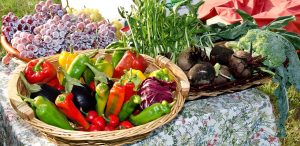
Choosing the right crops during this period leads to faster root establishment and reduced pest pressure. This timing also supports healthier harvests before winter dormancy sets in.
In this guide. we cover the 20 best what do you plant in August and September, focusing on easy-grow options, strong yields, and seasonal success. Each plant is selected for reliability, low effort, and proven performance.
What Do You Plant In August And September? Find Top 20
1. Spinach – Best Fast-Growing Choice
Spinach is one of the best crops to plant in August and September due to its love for cooler temperatures. It germinates quickly in warm soil and matures rapidly as temperatures drop. This leafy green delivers nutrient-dense harvests with minimal effort.
It grows best in well-drained soil with consistent moisture. Partial sun helps prevent bolting during late summer heat. Regular harvesting encourages continuous leaf production.
Spinach thrives as a fall crop with fewer pests. Frost improves leaf sweetness significantly. This makes it a top choice for late-season gardeners.
Pros
-
Fast growth
-
Cold tolerant
-
High yield
-
Nutrient rich
-
Easy harvest
-
Space efficient
-
Beginner friendly
Cons
-
Short lifespan
-
Heat sensitive
-
Frequent watering
2. Lettuce – Easy Leafy Green Plants for August And September
Lettuce is ideal when deciding what do you plant in August and September for quick results. Cooler nights prevent bitterness and improve texture. It grows exceptionally well in raised beds or containers.
Loose-leaf varieties mature faster than head types. Regular watering keeps leaves tender and crisp. Shade cloth can protect plants from lingering heat.
Fall lettuce faces fewer insects than spring crops. Harvesting outer leaves extends productivity. This makes lettuce a reliable late-season staple.
Pros
-
Quick harvest
-
Cool weather
-
Low effort
-
Container friendly
-
Continuous yield
-
Mild flavor
-
Pest reduced
Cons
-
Shallow roots
-
Heat stress
-
Needs moisture
3. Radishes – Quick Root Crop for August And September
Radishes are perfect for gardeners asking what do you plant in August and September with limited time. They mature in as little as 25 days. Cooler weather improves crunch and flavor.
They grow best in loose, well-drained soil. Minimal fertilization is required for success. Consistent watering prevents splitting.
Radishes are excellent for succession planting. They also improve soil structure naturally. This makes them efficient and productive.
Pros
-
Ultra fast
-
Cold hardy
-
Space saving
-
Beginner friendly
-
Soil improving
-
Crisp texture
-
Low cost
Cons
-
Short harvest
-
Splits easily
-
Size variation
4. Kale – Cold-Hardy Green Plants for August And September
Kale thrives when planted in late summer. It is a top answer to what do you plant in August and September for long harvests. Frost enhances its sweetness and texture.
It prefers full sun to partial shade. Deep roots make it drought tolerant once established. Leaves regrow after harvesting.
Kale survives light snow and cold nights. It offers extended productivity into winter. This makes it a dependable choice.
Pros
-
Frost sweetened
-
Long harvest
-
Nutrient dense
-
Cold tolerant
-
Regrows well
-
Pest resistant
-
Hardy leaves
Cons
-
Slow maturity
-
Tough stems
-
Space needed
5. Carrots – Root Vegetable Plants for August And September
Carrots perform exceptionally well as fall crops. They benefit from warm soil and cool air. This makes them ideal for what do you plant in August and September.
Loose soil ensures straight roots. Consistent moisture improves texture and sweetness. Mulching helps regulate soil temperature.
Carrots store well in the ground. Frost enhances sugar content. They provide long-term harvest potential.
Pros
-
Cold tolerant
-
Sweet flavor
-
Long storage
-
Space efficient
-
High yield
-
Minimal pests
-
Soil friendly
Cons
-
Slow germination
-
Soil sensitive
-
Thinning required
6. Beets – Dual-Purpose Crop for August And September
Beets are excellent late-season vegetables. Both roots and greens are edible. They thrive when planted in August and September.
They prefer well-drained soil with steady moisture. Cooler temperatures enhance root quality. Beets tolerate light frost easily.
Harvest flexibility increases garden efficiency. Beets mature reliably before winter. This makes them a practical choice.
Pros
-
Dual harvest
-
Cold tolerant
-
Nutrient rich
-
Space saving
-
Easy care
-
Frost friendly
-
Consistent yield
Cons
-
Earthy taste
-
Needs thinning
-
Soil staining
7. Swiss Chard – Colorful Green for August And September
Swiss chard grows well in late summer conditions. It handles heat better than many greens. This makes it ideal for transitional seasons.
It thrives in fertile, well-drained soil. Regular harvesting promotes continuous growth. Stems add visual appeal.
Swiss chard tolerates light frost. It offers long-term production. This makes it versatile and reliable.
Pros
-
Heat tolerant
-
Frost resistant
-
Colorful stems
-
Long harvest
-
Regrows easily
-
Nutrient dense
-
Low maintenance
Cons
-
Large leaves
-
Bitter mature
-
Space needed
8. Broccoli – Cool-Season Crop for August And September
Broccoli is a classic fall vegetable. It thrives in cooler temperatures after establishment. Late summer planting ensures strong head development.
It prefers rich soil and consistent moisture. Mulching helps regulate soil temperature. Side shoots extend harvest.
Broccoli benefits from reduced pest pressure in fall. Flavor improves with cool weather. This makes it a favorite.
Pros
-
Cold tolerant
-
High yield
-
Nutrient rich
-
Extended harvest
-
Frost friendly
-
Pest reduced
-
Reliable growth
Cons
-
Heavy feeder
-
Needs space
-
Water dependent
9. Cabbage – Hardy Choice plants for August And September
Cabbage thrives in fall gardens. Cool temperatures improve head density. This makes it ideal for late planting.
It requires fertile soil and regular watering. Heads form best under consistent conditions. Mulch supports moisture retention.
Cabbage tolerates frost well. Flavor improves as temperatures drop. This ensures quality harvests.
Pros
-
Frost tolerant
-
Dense heads
-
Long storage
-
Pest reduced
-
High yield
-
Cool weather
-
Flavor enhanced
Cons
-
Space required
-
Slow growth
-
Heavy feeder
10. Turnips – Fast Root Crop to Plant In August And September
Turnips mature quickly in fall conditions. Both roots and greens are edible. This makes them efficient garden choices.
They prefer loose soil and consistent moisture. Cooler nights improve texture. Minimal care is needed.
Turnips handle light frost easily. Harvest windows are flexible. This increases reliability.
Pros
-
Fast maturity
-
Dual use
-
Cold hardy
-
Easy grow
-
Space efficient
-
Mild flavor
-
Reliable yield
Cons
-
Strong taste
-
Needs thinning
-
Soil sensitive
11. Garlic – best garlic to plant in August and September for winter harvest
Garlic is one of the most dependable crops when deciding what do you plant in August and September for long-term success. It establishes strong roots before winter and resumes rapid growth in spring. Cold exposure improves bulb formation, making fall planting ideal.
This plant requires very little maintenance once planted in well-drained soil. It tolerates frost extremely well and rarely suffers from pests. Garlic rewards patience with large, flavorful bulbs.
Planting garlic in late summer ensures proper vernalization for maximum yield. It fits perfectly into crop rotation plans and improves soil health. Few crops are as reliable or profitable for fall gardeners.
Pros
-
Cold hardy
-
Low maintenance
-
High yield
-
Pest resistant
-
Long storage
-
Soil improving
-
Strong flavor
Cons
-
Long maturity
-
Space needed
-
Late harvest
12. Green Onions – fast growing green onions to plant in August and September
Green onions are ideal for gardeners asking what do you plant in August and September for quick results. They germinate rapidly and grow well as temperatures cool. Multiple harvests are possible from a single planting.
These onions tolerate light frost and continue producing through fall. They grow equally well in containers or garden beds. Cut-and-come-again growth makes them extremely efficient.
Green onions need minimal fertilization and very little space. They pair well with other fall crops without competition. Perfect for beginners and small gardens.
Pros
-
Fast growth
-
Frost tolerant
-
Container friendly
-
Re-growing
-
Compact size
-
Low care
-
Versatile use
Cons
-
Shallow roots
-
Frequent watering
-
Mild flavor
13. Arugula – cold tolerant arugula to plant in August and September
Arugula thrives when planted during late summer and early fall. For anyone researching what do you plant in August and September, it offers speed and reliability. Cool weather reduces bitterness dramatically.
This leafy green matures in just a few weeks. It tolerates frost better than most salad greens. Successive planting extends harvests well into fall.
Arugula grows well in partial sun as days shorten. It requires minimal fertilization and resists most pests. Ideal for fast fall salads.
Pros
-
Rapid harvest
-
Frost tolerant
-
Compact growth
-
Minimal pests
-
Easy sowing
-
Great flavor
-
Short season
Cons
-
Bolts quickly
-
Short storage
-
Needs moisture
14. Mustard Greens – easy grow mustard greens to plant in August and September
Mustard greens excel in cooler temperatures and grow aggressively in fall. They are a strong answer to what do you plant in August and September for leafy production. Flavor improves after frost.
These greens require very little care once established. They tolerate poor soil better than many vegetables. Harvest young or mature depending on taste preference.
Mustard greens are resistant to many common garden diseases. They regrow after cutting for multiple harvests. High nutrition with low effort.
Pros
-
Cold tolerant
-
Fast growing
-
Regrows easily
-
Nutrient dense
-
Disease resistant
-
Low care
-
High yield
Cons
-
Strong taste
-
Needs thinning
-
Short shelf
15. Pak Choi – best pak choi to plant in August and September for fall harvest
Pak choi performs best when heat stress is gone. It’s a top choice when deciding what do you plant in August and September for tender greens. Cool air prevents bolting.
This vegetable matures quickly and fits tight garden spaces. It grows evenly with consistent moisture. Crisp stems and soft leaves make it versatile.
Pak choi tolerates light frost and short days. It pairs well with other fall vegetables. Reliable harvests in cool weather.
Pros
-
Fast maturity
-
Compact plant
-
Frost tolerant
-
Tender texture
-
Minimal pests
-
Space efficient
-
Even growth
Cons
-
Water sensitive
-
Short storage
-
Leaf damage
16. Cilantro – slow bolting cilantro to plant in August and September
Cilantro thrives once summer heat fades. It is a perfect herb for gardeners asking what do you plant in August and September. Cool weather delays bolting.
The plant grows quickly and produces fuller leaves in fall. It prefers moderate sunlight and moist soil. Flavor improves dramatically in cooler temperatures.
Cilantro can be harvested continuously if trimmed properly. It works well in containers or garden beds. Fall planting maximizes yield.
Pros
-
Reduced bolting
-
Fast growth
-
Better flavor
-
Container friendly
-
Easy care
-
Cool tolerant
-
Continuous harvest
Cons
-
Short lifespan
-
Sensitive roots
-
Needs moisture
17. Parsley – cold hardy parsley to plant in August and September
Parsley establishes well in late summer soil. It answers what do you plant in August and September for long-term harvesting. Survives light frost easily.
This herb grows steadily through fall and into winter in mild climates. It prefers consistent moisture and partial sun. Flavor deepens in cool weather.
Parsley is slow to germinate but very durable once established. It pairs well with many fall vegetables. Excellent for extended harvests.
Pros
-
Cold hardy
-
Long harvest
-
Nutrient rich
-
Disease resistant
-
Low maintenance
-
Versatile use
-
Slow bolting
Cons
-
Slow germination
-
Needs moisture
-
Space needed
18. Fennel – best fennel to plant in August and September for bulb formation
Fennel develops best when planted as temperatures cool. It’s a strategic choice for what do you plant in August and September. Cool weather improves bulb quality.
This plant requires consistent watering for even growth. It prefers full sun and loose soil. Fall planting reduces stress on developing bulbs.
Fennel offers both culinary and garden value. It attracts beneficial insects while producing crisp bulbs. Best results come from fall planting.
Pros
-
Better bulbs
-
Cool tolerant
-
Dual purpose
-
Aromatic growth
-
Pest resistant
-
Unique flavor
-
Strong structure
Cons
-
Water demanding
-
Space heavy
-
Slow start
19. Cauliflower – fall cauliflower to plant in August and September
Cauliflower needs cool temperatures to form tight heads. It’s a classic solution to what do you plant in August and September. Heat causes poor development.
Fall planting ensures steady growth without stress. This crop prefers consistent moisture and fertile soil. Cool nights improve quality.
Cauliflower rewards patience with large, dense heads. It performs best with mulch and spacing. Excellent fall harvest crop.
Pros
-
Cold tolerant
-
High value
-
Dense heads
-
Improved flavor
-
Disease resistant
-
Long harvest
-
Nutrient rich
Cons
-
Heavy feeding
-
Water sensitive
-
Long season
20. Peas – quick maturing peas to plant in August and September
Peas thrive in cool conditions and short days. They are ideal when deciding what do you plant in August and September for quick returns. Heat stress is minimal in fall.
These plants germinate quickly in warm soil. They climb efficiently with support. Fast flowering ensures harvest before frost.
Peas improve soil by fixing nitrogen naturally. They pair well with leafy greens. Reliable and productive fall crop.
Pros
-
Fast growth
-
Cold tolerant
-
Nitrogen fixing
-
High yield
-
Easy training
-
Sweet flavor
-
Low pests
Cons
-
Short window
-
Support needed
-
Moisture sensitive
What Do You Plant In August And September FAQs
1. What vegetables grow best in August and September?
Leafy greens, root crops, and brassicas perform best.
2. Can I plant seeds directly in August?
Yes, warm soil improves germination rates.
3. Do fall crops need fertilizer?
Light feeding improves yield, but excess is unnecessary.
4. How much frost can fall crops handle?
Many tolerate light to moderate frost.
5. Should I water more in late summer?
Yes, consistent moisture is essential.
6. Can I grow these in containers?
Most listed plants grow well in containers.
7. Is September too late to plant?
No, many crops thrive when planted early September.
Conclusion
In conclusion, knowing the best options for what do you plant in August and September ensures a productive and resilient garden. Late-season planting takes advantage of ideal soil conditions and cooler air.
Leafy greens and root vegetables clearly dominate as top performers. They mature quickly and handle temperature changes well.
The runner-up choices include brassicas, which offer long harvest windows and frost tolerance. These crops reward patience with higher yields.
By choosing the right plants, gardeners reduce effort while increasing success. Start planting today and enjoy a healthier, more productive fall garden.
Recent Posts
The Best Fertilizer For Bermuda Grass In Georgia helps homeowners achieve a thick, green, and resilient lawn while supporting rapid growth during the warm season. Because Bermuda grass thrives in...
Choosing the Best Fertilizer For Salvias is essential for achieving vibrant blooms, lush foliage, and strong root systems. Proper nutrient management ensures salvias receive the right balance of...