Alfalfa is one of the most nutrient-rich and versatile forage crops in agriculture, widely used for livestock feed and soil enhancement. Understanding the proper growing conditions for alfalfa is crucial to maximize yield and quality.
Factors such as soil type, pH, sunlight, irrigation, and temperature directly impact plant health and productivity. Farmers worldwide have achieved up to 15–25% higher yields by optimizing these conditions.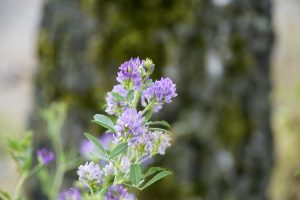
Alfalfa also improves soil fertility, supports crop rotation, and enhances livestock nutrition. Its deep-rooted varieties are suitable for semi-arid to temperate climates, making it highly adaptable.
In this guide, we explore the 10 best growing conditions for alfalfa, including soil preparation, water management, climate adaptation, pest control, and nutrient optimization for sustainable agriculture.
What Are The Growing Conditions For Alfalfa?
1. Soil Type – Best for Optimal Root Development
Alfalfa grows best in well-drained loamy soils, which provide a perfect balance of sand, silt, and clay. Heavy clay or waterlogged soils increase the risk of root rot and hinder plant growth. Farmers find that deep fertile soils promote strong root systems and higher biomass.
Loamy soils also improve water infiltration and nutrient availability, which supports healthy growth. Farmers often amend poor soils with compost to achieve a nutrient-rich environment. This ensures alfalfa develops deep roots and withstands droughts effectively.
Deep soil structure supports nitrogen fixation and soil aeration, enhancing both yield and soil health. The combination of proper texture and fertility maximizes plant resilience. Overall, soil type is one of the most critical factors for successful alfalfa cultivation.
Pros:
• Loamy soil
• Well-drained
• Deep rooting
• Fertile
• Nutrient-rich
• Aeration boost
• Crop vigor
Cons:
• Not sandy
• Avoid clay
• Shallow risk
2. Soil pH – Best for Nutrient Absorption
Alfalfa thrives in slightly alkaline soils, with an ideal pH range of 6.5–7.5. Soils outside this range limit nutrient uptake and reduce nitrogen fixation efficiency. Lime is commonly applied to acidic soils to adjust pH and enhance growth.
A balanced pH supports Rhizobium bacteria activity, which is essential for natural nitrogen fixation. Proper pH also increases forage protein content and root development. Farmers regularly test soil to maintain optimal levels before planting.
Maintaining the right pH improves both yield and forage quality, while supporting long-term soil fertility. It reduces the need for chemical amendments and supports sustainable farming. Nutrient absorption is maximized when alfalfa grows in suitable pH conditions.
Pros:
• pH 6.5–7.5
• Lime application
• Nutrient absorption
• Nitrogen support
• High forage quality
• Soil balance
• Healthy growth
Cons:
• Acidic risk
• Alkaline limits
• Testing needed
3. Temperature – Best for Germination & Growth
Alfalfa seeds germinate best at 15–25°C, with optimal growth between 20–30°C. Temperatures below 5°C slow germination, while extreme heat over 35°C reduces leaf development. Proper planting time ensures seedlings establish under ideal conditions.
Temperature directly affects root establishment, leaf growth, and flowering efficiency. Farmers adjust planting schedules according to seasonal temperature patterns. Consistent warmth promotes high-quality forage and multiple cuttings per year.
Monitoring temperature also supports nutrient uptake and overall plant health. Maintaining optimal ranges ensures strong biomass and protein content. Alfalfa yield is maximized when temperature conditions are carefully managed.
Pros:
• 15–25°C germination
• 20–30°C growth
• Seedling safe
• Leaf development
• Flowering optimal
• High biomass
• Protein-rich leaves
Cons:
• Frost sensitive
• Heat stress
• Seasonal limits
4. Sunlight – Best for Photosynthesis
Alfalfa requires full sunlight, at least 6–8 hours per day, to maximize photosynthesis. Partial shade reduces leaf area, growth rate, and overall yield. Farmers often plant alfalfa in open fields for optimal sun exposure.
Sunlight improves protein content, leaf biomass, and forage quality. Reduced sunlight slows growth and decreases nutrient density. Consistent exposure ensures healthy and vigorous plants for multiple harvests.
Proper sunlight also supports flowering and pollination, which benefits long-term seed production. Alfalfa thrives when light requirements are fully met. Sunlight is critical for high-quality forage production.
Pros:
• Full sun
• 6–8 hours
• Photosynthesis
• Leaf growth
• Protein boost
• Biomass accumulation
• Multiple cuttings
Cons:
• Shade reduces
• Overcast limits
• Dense canopies
5. Water/Irrigation – Best for Drought Resilience
Alfalfa requires moderate water supply, approximately 500–800 mm annually depending on soil and climate. Overwatering causes root rot, while drought stress reduces yield and forage quality. Proper irrigation ensures strong establishment and biomass production.
Farmers often use drip or sprinkler irrigation systems to maintain consistent soil moisture. Deep taproots allow the plant to access water from lower soil layers. This enhances drought tolerance and supports multiple cuttings per season.
Efficient irrigation improves forage quality and nitrogen fixation, while reducing water stress. Proper water management leads to higher yields and sustainable production. Consistent moisture ensures reliable livestock feed supply.
Pros:
• Moderate water
• 500–800 mm
• Drip irrigation
• Sprinkler use
• Deep roots
• Drought tolerant
• Yield consistency
Cons:
• Overwatering risk
• Irrigation cost
• Waterlogging
6. Planting Depth – Best for Germination Success
Alfalfa seeds are small and should be planted 1–1.5 cm deep for optimal emergence. Planting too deep reduces germination rates, while shallow planting risks bird predation. Seedbed preparation is crucial for uniform growth.
Proper planting depth ensures good seed-to-soil contact and supports early root development. Soil moisture and temperature must be monitored to enhance seedling survival. Farmers report higher germination success when depth is carefully controlled.
Optimized planting depth contributes to strong seedlings, deep roots, and long-term productivity. It reduces the need for replanting and maximizes forage yield. Uniform emergence ensures consistent growth across the field.
Pros:
• 1–1.5 cm
• Seed-soil contact
• Uniform emergence
• Early growth
• Root establishment
• Moisture retention
• High survival
Cons:
• Too deep
• Too shallow
• Birds eat
7. Fertilization – Best for Maximum Yield
Alfalfa requires phosphorus, potassium, and trace minerals for optimal growth. Nitrogen is usually not applied because of its nitrogen-fixing ability. Balanced fertilization improves plant vigor and forage quality.
Soil testing helps determine precise nutrient needs, reducing waste and costs. Proper fertilization supports leaf protein content, biomass, and multiple cuttings per season. Farmers often combine organic and mineral fertilizers for optimal results.
Correct nutrient management ensures higher yields, sustainable farming, and healthy soil. Well-fertilized alfalfa grows vigorously and withstands environmental stresses. Fertilization is key for both economic and ecological benefits.
Pros:
• P & K
• Trace minerals
• Balanced
• Soil-tested
• Biomass yield
• Leaf protein
• Sustainable
Cons:
• Over-fertilize
• Costly inputs
• Monitoring needed
8. Pest & Disease Management – Best for Crop Health
Alfalfa is vulnerable to aphids, leafhoppers, and root fungi. Integrated pest management (IPM) minimizes chemical use while protecting yield. Resistant varieties and crop rotation reduce infestation risks.
Monitoring fields regularly helps farmers maintain healthy growth and consistent biomass. Pest management supports nitrogen fixation and forage quality. Using natural predators and selective pesticides enhances crop resilience.
Effective control ensures long-term productivity and sustainability. Healthy alfalfa stands require proactive pest and disease measures. Consistent management maximizes yield and forage quality.
Pros:
• Resistant varieties
• Crop rotation
• Monitoring
• Reduce chemicals
• Healthy growth
• Consistent yield
• Long-term
Cons:
• Pests present
• Disease risk
• Chemical use
9. Harvest Timing – Best for Forage Quality
Alfalfa harvested at the early bloom stage has optimal protein content and digestibility. Late harvest increases fiber but reduces nutritional quality. Multiple cuttings per year maximize both yield and forage value.
Proper timing ensures high-quality hay for livestock and reduces feed supplementation costs. Farmers monitor growth stage and climate to decide the best harvest window. Correct harvest timing supports sustainable forage production.
Harvesting at the right stage improves livestock performance and overall farm profitability. Timing also affects seed production for future crops. Strategic harvest planning maximizes economic returns.
Pros:
• Early bloom
• High protein
• Digestible
• 3–5 cuttings
• Quality hay
• Livestock feed
• Consistent
Cons:
• Timing critical
• Labor intensive
• Weather sensitive
10. Seed Variety Selection – Best for Environmental Adaptation
Choosing the right alfalfa variety ensures adaptation to climate, soil, and intended use. Winter-hardy or drought-tolerant varieties improve survival and yield. Varieties also differ in protein content and pest resistance.
Matching seed to environmental conditions ensures consistent forage production and economic returns. Farmers test new varieties in small plots before large-scale planting. Correct selection reduces crop failure risks and optimizes productivity.
Variety selection impacts biomass yield, forage quality, and long-term sustainability. It is a critical step for both commercial and smallholder farmers. Proper seed choice enhances resilience to climate and pests.
Pros:
• Winter hardy
• Drought-tolerant
• Pest-resistant
• High protein
• Fiber quality
• Yield optimization
• Environmental fit
Cons:
• Seed cost
• Limited availability
• Variety trials
What Are The Growing Conditions For Alfalfa FAQs
1. What soil pH is ideal for alfalfa?
The ideal soil pH for alfalfa is 6.5–7.5, which supports nutrient absorption and nitrogen fixation. Maintaining this range ensures optimal growth and high-quality forage.
2. How much sunlight does alfalfa need?
Alfalfa requires 6–8 hours of full sunlight per day to maximize photosynthesis and leaf biomass. Insufficient light reduces growth and forage quality.
3. What is the optimal planting depth for alfalfa seeds?
Plant alfalfa seeds at a depth of 1–1.5 cm to ensure proper germination and root development. Too shallow or too deep planting reduces seedling survival.
4. How often should alfalfa be irrigated?
Alfalfa needs moderate watering, approximately 500–800 mm annually depending on rainfall and soil type. Overwatering can cause root rot, while under-watering reduces yield.
5. When is the best time to harvest alfalfa?
The best time to harvest alfalfa is at the early bloom stage, which maximizes protein content and digestibility. Harvesting too late increases fiber but lowers nutritional value.
6. Can alfalfa tolerate drought conditions?
Yes, alfalfa is drought-tolerant due to its deep taproots, which access water from lower soil layers. However, prolonged dry periods may still affect yield.
7. How can pests be controlled in alfalfa?
Pests can be controlled using resistant varieties, crop rotation, and regular field monitoring. Integrated pest management (IPM) reduces reliance on chemicals and ensures healthy growth.
Conclusion
In conclusion, the best growing conditions for alfalfa include loamy soils, pH 6.5–7.5, full sunlight, moderate water, proper planting depth, and variety selection. The runner-up condition is nitrogen fixation because it improves soil fertility, reduces chemical fertilizer needs, and enhances sustainability.
Well-drained soils and proper irrigation were selected as best due to their direct impact on root growth, biomass, and forage quality. Nitrogen fixation is the runner-up because of its essential role in soil health, rotation benefits, and long-term productivity.
Other factors like temperature, harvest timing, pest management, and fertilization further optimize alfalfa growth and yield. Farmers who implement all these conditions achieve high-quality forage, livestock nutrition, and sustainable agriculture.
Overall, understanding and applying these growing conditions ensures profitable, resilient, and nutrient-rich alfalfa production worldwide.
Recent Posts
Choosing the Best Fertilizer For Salvias is essential for achieving vibrant blooms, lush foliage, and strong root systems. Proper nutrient management ensures salvias receive the right balance of...
Choosing the best fertilizer for ginger plant is essential for achieving strong rhizome development, vigorous foliage, and high yields. Proper nutrient management ensures ginger plants receive the...