As a professional agronomist, you might find yourself wondering What Are The Common Problems With Cypress Trees? Cypress Trees are widely valued for resilience and beauty, yet they still face issues affecting health, growth, and overall landscape performance.
Cypress Trees often encounter pest attacks, fungal infections, and environmental stress that gradually weaken structure and reduce vigor. These problems typically develop slowly, making early diagnosis and consistent management essential for long-term sustainability and productivity.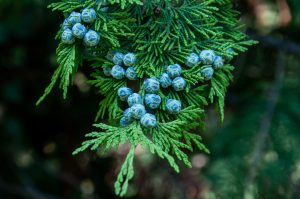
Proper care and early intervention are crucial when maintaining Cypress Trees in any landscape or production system. Monitoring soil moisture, drainage, and environmental conditions significantly reduces risks and improves long-term plant stability and resilience against stress factors.
In this guide, we will discuss the most common problems faced by Cypress Trees and provide effective solutions to address each one systematically. These insights help ensure Cypress Trees remain healthy, productive, and visually appealing in diverse environments.
What Are The Common Problems With Cypress Trees? Find Top 10
1. Cypress Canker Disease
Cypress canker disease is caused by a fungal infection that targets the vascular system of the tree. The fungus leads to wilting, yellowing leaves, and eventual branch dieback. When dealing with this disease, early detection is critical, as it allows for prompt intervention. Pruning affected branches can stop the spread of the disease and help maintain the tree’s overall health.
Moreover, applying fungicides at the first signs of the disease can help protect the healthy parts of the tree. The fungicide must be used according to the instructions for maximum effectiveness. After pruning, it is essential to disinfect the pruning tools to avoid cross-contamination. This approach will prevent the spread of the fungus to other parts of the tree or neighboring plants.
Finally, planting in a well-ventilated area with proper spacing between trees will reduce humidity and discourage fungal growth. This preventive measure is crucial because fungal infections thrive in moist, crowded environments. By taking early action and ensuring proper care, cypress canker disease can be controlled, and your tree will remain healthy.
2. Cypress Trees Root Rot
Root rot in cypress trees is primarily caused by poor drainage and overwatering. It occurs when the tree’s roots become waterlogged and oxygen-deprived, leading to decay. To address root rot, begin by improving soil drainage to prevent excess water from accumulating around the roots. Adding sand or organic matter to the soil can help improve drainage, ensuring better oxygen flow to the roots.
Next, it’s important to prune away affected roots and remove any decayed tissue. By cutting off the infected roots, you help prevent the fungus or bacteria from spreading further. Once you’ve removed the affected roots, treat the soil with a fungicide to kill any lingering pathogens. This will also help protect the healthy roots from future infections.
Lastly, adjusting watering habits is crucial in preventing root rot. Cypress trees prefer deep, infrequent watering rather than frequent shallow watering. By allowing the soil to dry between waterings, you can avoid over-saturating the roots, which is a common cause of root rot. A good balance of water and proper drainage is key to ensuring the health of your tree.
3. Cypress Trees Spider Mites Infestation
Spider mites are tiny pests that thrive in hot, dry conditions. These pests feed on the leaves of the cypress tree, causing yellowing, webbing, and leaf drop. To manage a spider mite infestation, start by washing the tree with a strong stream of water, paying special attention to the undersides of the leaves. This will physically remove many of the mites, reducing their population.
In addition to washing, horticultural oils or insecticidal soaps can be applied to suffocate the mites. These treatments work effectively when applied early in the season, before the mites have had a chance to reproduce. Regular application, especially during warmer months, will help control the pest population. It’s important to follow the manufacturer’s instructions for best results.
Finally, introducing natural predators, like ladybugs, can help keep spider mites under control. These predators feed on spider mites and reduce their numbers naturally. By combining regular treatments with natural pest control methods, you can prevent spider mite infestations from damaging your cypress tree.
4. Cypress Blight
Cypress blight is a fungal disease that causes browning and dieback in cypress trees. To manage cypress blight, start by removing infected branches to prevent the fungus from spreading to healthy areas of the tree. Pruning must be done carefully, using sanitized tools to avoid transferring the fungus to other parts of the tree.
Next, apply fungicides specifically designed to treat fungal diseases in trees. These fungicides help kill the spores that are causing the blight, preventing further infection. It is important to follow the recommended schedule for fungicide application to ensure it is effective in controlling the disease. Applying fungicides early in the season will yield the best results.
Lastly, improving air circulation around the tree is essential in preventing future outbreaks of cypress blight. Planting trees with adequate spacing allows for better airflow, which helps reduce humidity around the tree. Maintaining a stress-free environment and avoiding overcrowding will go a long way in preventing the recurrence of blight.
5. Cypress Trees Environmental Stress
Environmental stress can occur due to factors like drought, extreme temperatures, or poor air quality. The first step in managing stress is to adjust watering schedules to ensure the tree is getting enough moisture without over-watering. Regularly check the soil moisture and water the tree deeply to encourage strong root growth.
Additionally, mulching around the tree helps retain moisture and reduces the effects of temperature extremes. A layer of mulch insulates the soil, keeping it cooler in the summer and warmer in the winter. If your cypress tree is exposed to strong winds, you might consider planting windbreaks or using shade cloth to protect it from harsh conditions.
Finally, maintaining overall tree health through proper fertilization can reduce susceptibility to stress. Using a balanced fertilizer with essential nutrients will ensure the tree is strong and able to withstand environmental challenges. Regular care and monitoring can help reduce environmental stress and improve your tree’s resilience.
6. Cypress Trees Nutrient Deficiencies
Nutrient deficiencies in cypress trees often result in yellowing leaves and stunted growth. The first step is to conduct a soil test to identify which nutrients are lacking, whether it’s nitrogen, phosphorus, or potassium. Once the deficiency is identified, applying the correct fertilizer will help replenish the missing nutrients.
For a nitrogen deficiency, using a high-nitrogen fertilizer will promote healthy leaf growth. Similarly, for phosphorus or potassium deficiencies, applying the appropriate fertilizer will help support root development and overall tree health. Be sure to follow the manufacturer’s recommendations for application to avoid over-fertilizing, which can harm the tree.
In addition to fertilization, incorporating organic matter like compost into the soil can improve nutrient availability and soil structure. This approach enhances the soil’s ability to retain nutrients, which helps the tree absorb them more effectively. Regularly fertilizing your tree during the growing season will ensure that it has the nutrients it needs to thrive.
7. Cypress Trees Fungal Leaf Spots
Fungal leaf spots are a common problem in cypress trees, causing discolored and damaged foliage. To manage leaf spots, remove infected leaves immediately to prevent the fungus from spreading. It is important to dispose of the infected leaves properly, as leaving them on the ground can lead to further contamination.
Next, apply a fungicide that is effective against fungal diseases on trees. Using fungicides in the early spring, before the fungus has a chance to spread, is essential for preventing long-term damage. Be sure to apply the fungicide according to the manufacturer’s instructions for best results.
Finally, prune the tree to improve air circulation and reduce humidity around the foliage. Proper spacing between trees will help prevent the buildup of moisture, which promotes fungal growth. With regular monitoring and treatment, fungal leaf spots can be controlled and the tree can remain healthy.
8. Cypress Trees Scale Insects
Scale insects are small pests that attach themselves to the tree’s branches and leaves, sucking sap from the tree. To address a scale infestation, start by removing the insects manually if the infestation is small. You can use a soft brush or your hands to scrape the pests off the branches.
For larger infestations, apply insecticidal soap or horticultural oils to suffocate the scale insects. These treatments work by coating the insects’ bodies and preventing them from feeding. Be sure to cover both the upper and underside of the tree’s branches, as scale insects can hide on both sides.
In addition to chemical treatments, introducing natural predators like ladybugs or parasitic wasps can help reduce the scale population. These predators feed on the scale insects and help keep their numbers in check. Regular inspections and consistent pest management are key to preventing significant damage to your cypress tree.
9. Excessive Watering
Excessive watering can lead to root rot and other problems in cypress trees. To address this, ensure that you adjust your watering practices so that the tree receives deep, infrequent waterings rather than frequent shallow ones. This encourages the roots to grow deeper and become more drought-resistant.
It’s important to check the drainage around the tree to ensure the soil doesn’t retain too much moisture. If the soil is poorly drained, consider amending it with organic matter to improve its structure and drainage capacity. Raised planting beds can also help improve water flow and prevent water from accumulating around the roots.
Finally, monitor the moisture levels regularly to prevent overwatering. Cypress trees prefer soil that is moist but well-drained, not soggy. By adjusting watering schedules and improving drainage, you can maintain a healthy balance and prevent excessive watering from damaging your tree.
10. Poor Soil Drainage
Poor soil drainage can lead to several problems, including root rot and fungal infections. To address this issue, amend the soil with organic material, such as compost, to improve its structure and promote better water flow. This will help prevent water from pooling around the roots and reduce the risk of disease.
You can also raise the planting bed to improve drainage, which allows excess water to flow away from the root zone. Adding sand or gravel to the soil will also enhance drainage and prevent the tree’s roots from becoming waterlogged. Proper drainage ensures that the roots receive enough oxygen to thrive.
Regularly checking the soil’s moisture levels and adjusting irrigation practices will help ensure that the tree is not overwatered. A well-drained site is essential for cypress tree health, as it reduces the risk of several diseases and helps the tree establish strong roots. With proper soil management, you can ensure that your tree remains healthy for years to come.
Common Problems With Cypress Trees FAQs
1. What are the most common problems with Cypress Trees?
The most common problems include root rot, fungal diseases, pest infestations, environmental stress, and nutrient deficiencies. These issues often develop gradually and can significantly reduce growth and overall tree health if not managed early.
2. Why do Cypress Trees develop root rot?
Root rot in Cypress Trees is mainly caused by poor soil drainage and overwatering. When soil remains waterlogged, roots are deprived of oxygen, leading to decay and weakening of the entire tree structure.
3. How do pests affect Cypress Trees?
Pests such as spider mites and scale insects feed on sap from Cypress Trees, causing yellowing, leaf drop, and weakened growth. Severe infestations can reduce photosynthesis and make the tree more vulnerable to secondary diseases.
4. What fungal diseases affect Cypress Trees?
Cypress Trees are commonly affected by canker disease, blight, and leaf spot fungi. These diseases attack foliage, bark, and vascular tissue, often spreading quickly in humid or poorly ventilated conditions.
5. Can environmental stress damage Cypress Trees?
Yes, environmental stress such as drought, extreme heat, frost, or pollution can weaken Cypress Trees. Stress reduces their resistance to pests and diseases and often leads to discoloration and stunted growth.
6. How can nutrient deficiencies impact Cypress Trees?
Nutrient deficiencies, especially nitrogen, phosphorus, or potassium shortages, can cause poor growth, yellowing leaves, and weak root development. Regular fertilization and soil testing help prevent these issues effectively.
7. How can I prevent problems in Cypress Trees?
Preventive care includes proper watering, well-drained soil, regular pruning, and routine pest monitoring. Early intervention and maintaining optimal growing conditions are the most effective ways to keep Cypress Trees healthy.
Conclusion
In conclusion, understanding the best ways to manage Cypress Trees problems is essential for maintaining long-term landscape health and stability. Cypress Trees can develop serious issues like root rot and fungal infections if care practices are not properly followed.
The runner-up concern is pest infestation, which often weakens Cypress Trees and makes them more vulnerable to secondary diseases and environmental stress. Early detection remains the most effective strategy for reducing damage and improving recovery outcomes.
Consistent maintenance, including proper watering, pruning, and soil management, plays a key role in preventing most Cypress Trees complications. These practices ensure stronger growth, improved resistance, and better overall tree performance in different environments.
With the right care approach, Cypress Trees can thrive for many years with minimal issues affecting their structure or appearance. Take action early, apply best management practices, and protect your Cypress Trees to ensure lasting landscape value.
Recent Posts
Spring fertilization supports healthy leaf development, root activity, and productive shoot growth when apple trees have insufficient soil nutrients. Selecting an appropriate fertilizer requires...
Cucumbers (Cucumis sativus) are vigorous, fast-growing vines that can produce abundant harvests when their roots receive enough water, warmth, and balanced nutrition. The best fertilizer for cukes in...