Trying to figure out What Are Common Vriesea Problems?? Well, Common Vriesea problems are not random plant diseases, but predictable physiological failures caused by epiphytic mismanagement, water imbalance, and environmental mismatch. Because Vriesea is a bromeliad that naturally grows attached to trees in humid forests, its root system is not designed for heavy soil moisture or nutrient-rich substrates.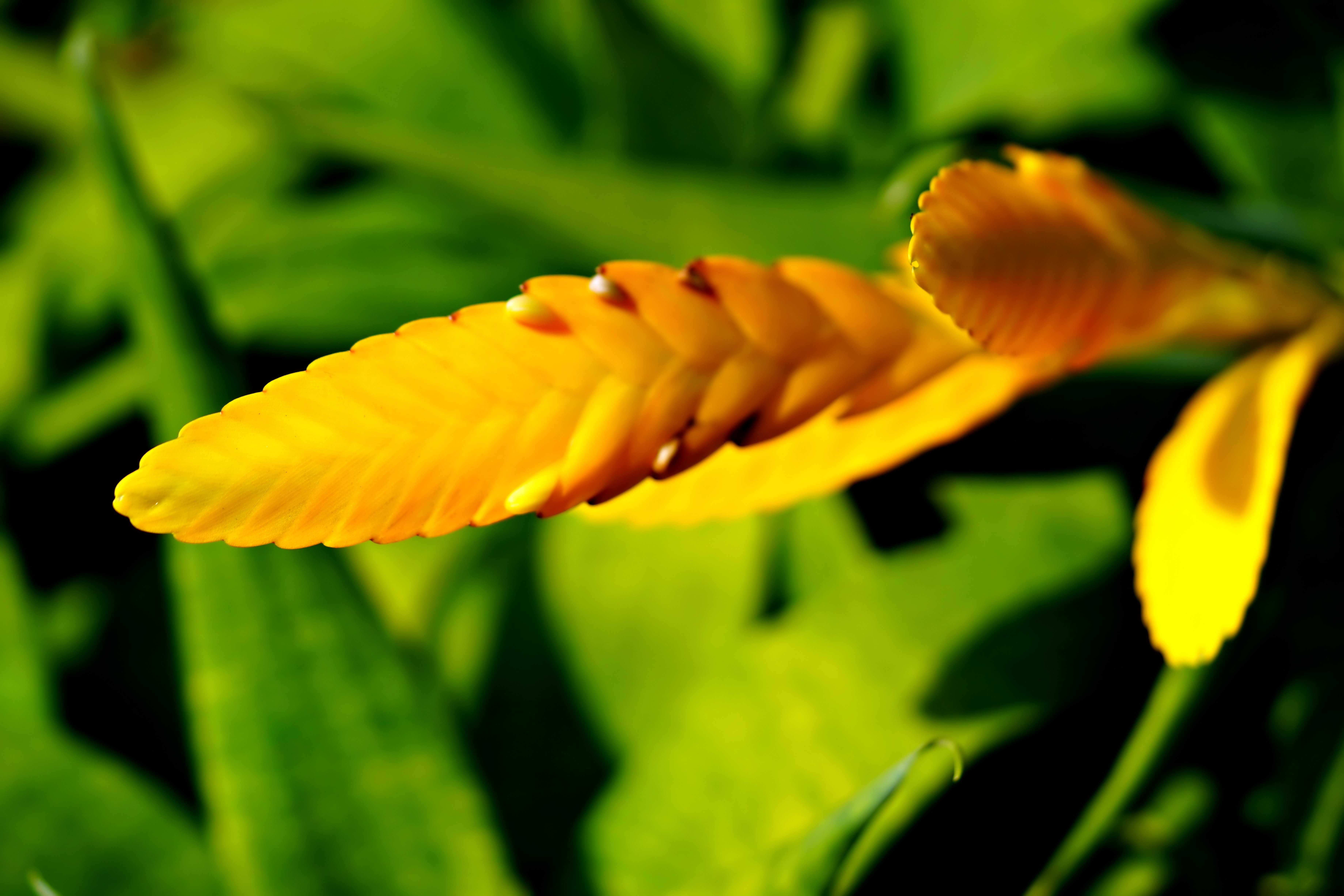
In horticulture, Vriesea issues are best understood as system breakdowns in water storage, nutrient regulation, and light adaptation. When any one of these systems is disrupted, the plant responds quickly with visible stress symptoms such as leaf browning, tank collapse, or color fading.
Successful cultivation depends on replicating its native conditions: high humidity (60–80%), bright indirect light, and low-strength nutrient input delivered sparingly through either tank or foliar pathways.
This expert guide breaks down the top 10 Vriesea problems , including biological causes, physiological mechanisms, and precise corrective actions based on bromeliad science.
What Are Common Vriesea Problems? Find Top 10
1. Root Rot from Overwatering (Oxygen Starvation Failure)
Root rot in Vriesea occurs when the root zone becomes anaerobic due to prolonged saturation, preventing oxygen diffusion required for epiphytic root respiration. Once oxygen levels drop, cellular metabolism collapses and fungal organisms colonize dead tissue.
This is commonly triggered by dense potting soil, frequent irrigation, or lack of drainage structure. Unlike terrestrial plants, Vriesea roots are primarily anchoring systems, not water-storage organs, making them highly vulnerable to oxygen deprivation.
To correct this condition, remove the plant from compact substrate and inspect the root system under sterile conditions. Eliminate necrotic roots and re-establish in an aerated medium composed of orchid bark, perlite, and charcoal to restore oxygen flow and microbial balance.
2. Central Tank Dehydration (Hydration Reservoir Failure)
Vriesea depends on its central rosette tank as a primary water reservoir, functioning similarly to a micro-ecosystem that regulates hydration and nutrient diffusion. When this tank dries completely, internal water potential drops, disrupting turgor pressure in leaf tissues.
This condition typically results from evaporation in warm environments, inconsistent watering, or neglect of tank refilling routines. In low humidity environments, transpiration loss accelerates dehydration stress.
To resolve this, maintain a shallow water level in the tank using rainwater or low-mineral water, refreshing it every 7–10 days to prevent bacterial stagnation. Consistency is more important than volume, as overfilling can cause microbial imbalance.
3. Leaf Tip Browning (Salt Toxicity Burn)
Leaf tip necrosis in Vriesea is primarily caused by salt accumulation at the leaf margins due to excess fertilizer salts or hard water mineral deposition. As water evaporates, dissolved solids concentrate at the leaf tips, causing cellular dehydration and tissue death.
This issue is amplified when synthetic fertilizers are applied at full strength or when tap water with high mineral content is used repeatedly. Bromeliads have low salt tolerance thresholds compared to standard foliage plants.
Correction requires flushing the system with low-mineral water and suspending fertilizer application until symptoms stabilize. Long-term prevention involves using diluted nutrient solutions at one-quarter strength and prioritizing filtered or rainwater sources.
4. Faded Leaf Coloration (Chlorophyll and Pigment Suppression)
Loss of Vriesea coloration results from reduced chlorophyll synthesis and anthocyanin expression, both of which depend on stable light intensity and micronutrient availability, especially magnesium and iron.
Insufficient indirect light reduces photosynthetic electron transport efficiency, while micronutrient deficiency limits pigment formation pathways within leaf cells.
To restore pigmentation, relocate the plant to bright filtered light and apply a highly diluted foliar feed containing chelated iron and magnesium. Recovery occurs gradually as new leaf tissue develops under improved conditions.
5. Stunted Growth (Metabolic Energy Limitation)
Stunted growth occurs when the plant’s metabolic energy output is restricted by inadequate photosynthetic input, weak root anchorage, or nutrient scarcity. In Vriesea, growth is primarily driven by energy stored in leaf rosettes rather than root absorption.
Low light conditions reduce ATP production, while compact roots restrict nutrient transfer efficiency, slowing vegetative expansion.
Correction involves optimizing light exposure, improving air circulation around roots, and applying minimal but balanced fertilization to restore metabolic equilibrium. Growth resumes once energy production exceeds maintenance demand.
6. Mealybugs and Scale Infestation (Sap Depletion Syndrome)
Sap-feeding insects such as mealybugs and scale insects attach to leaf surfaces and extract phloem fluid, disrupting carbohydrate transport within the plant. This leads to localized nutrient depletion and systemic weakening.
These pests are more common in stagnant air environments where humidity is high but airflow is poor, allowing colonies to expand undisturbed.
Effective management includes physical removal followed by neem-based or insecticidal soap treatment, combined with environmental correction to increase airflow and reduce humidity stagnation zones.
7. Over-Fertilization Damage (Osmotic Stress Collapse)
Excess fertilizer causes osmotic imbalance in Vriesea tissues, drawing water out of cells and disrupting membrane stability. This results in leaf burn, root inhibition, and overall physiological stress.
Because bromeliads are adapted to nutrient-poor environments, their uptake systems are highly sensitive to salt concentration changes in both soil and tank water.
Treatment requires immediate flushing with low-conductivity water and cessation of fertilization until new growth appears. Long-term feeding must remain extremely diluted to avoid recurrence.
8. Poor Air Circulation (Humidity Trapping Disorder)
Insufficient airflow creates stagnant microclimates around leaf surfaces, increasing boundary-layer humidity and promoting fungal and bacterial growth. This reduces transpiration efficiency and oxygen exchange at the leaf surface.
Overcrowded plant spacing or enclosed indoor environments typically trigger this condition.
Improvement involves increasing spatial separation between plants and introducing gentle airflow through fans or ventilation systems to restore gas exchange and reduce pathogen pressure.
9. Improper Light Exposure (Photoinhibition or Light Starvation)
Vriesea suffers under both extremes of light imbalance. Excess direct sunlight causes photoinhibition, damaging chloroplast structures, while insufficient light limits photosynthetic output and pigment production.
Natural habitat conditions provide filtered canopy light, which is critical for maintaining metabolic stability.
Correction requires relocation to bright indirect light zones where intensity is stable and diffused throughout the day, preventing both scorch and etiolation responses.
10. Post-Bloom Decline (Monocarpic Senescence Cycle)
Vriesea is a monocarpic bromeliad, meaning the mother plant completes its life cycle after flowering and gradually undergoes programmed senescence. This process reallocates energy toward the development of lateral offsets (pups).
Physiologically, this is controlled by hormonal shifts that reduce vegetative growth and prioritize reproductive continuation.
Management involves allowing pups to develop fully before separation and replanting, ensuring genetic continuation of the plant line without attempting to reverse natural decline.
What Are Common Vriesea Problems (FAQs)
1. Why is my Vriesea turning brown at the tips?
Vriesea leaf tip browning is usually caused by salt buildup from fertilizers, hard water minerals, or low humidity stress. Consequently, leaf tissue dries out at the edges due to osmotic imbalance. Therefore, using filtered water and reducing fertilizer strength helps prevent further damage.
2. How do I fix root rot in Vriesea?
Root rot can be corrected by removing the plant from wet soil and trimming all black or mushy roots. Additionally, replanting in a highly aerated orchid bark mix restores oxygen flow to the root zone. As a result, healthy root regeneration becomes possible.
3. Why is my Vriesea not growing?
Stunted growth is often linked to low light, weak root development, or nutrient deficiency. In addition, poor air circulation slows metabolic activity. Therefore, improving light exposure and using mild diluted fertilizer encourages recovery.
4. Should water be kept in the Vriesea tank all the time?
Yes, a small amount of clean water should always remain in the central tank. However, it must be refreshed every 7–10 days to prevent bacterial buildup. Consequently, this maintains proper hydration without causing stagnation.
5. What is the best light for Vriesea plants?
Vriesea grows best in bright, indirect light similar to filtered forest canopy conditions. In contrast, direct sunlight can scorch leaves, while low light reduces color intensity. Therefore, balanced lighting is essential for healthy growth.
6. Why do Vriesea leaves lose their color?
Leaf color fading is mainly caused by insufficient light and micronutrient deficiencies like magnesium or iron. As a result, chlorophyll production decreases and patterns become dull. Therefore, improving lighting and feeding restores pigmentation.
7. Why does Vriesea die after flowering?
Vriesea is a monocarpic bromeliad, meaning the mother plant naturally dies after flowering. However, it produces offsets (pups) before decline. Consequently, the plant continues its lifecycle through new growth rather than the original rosette.
Conclusion
In conclusion, Vriesea problems are primarily driven by environmental imbalance rather than disease, with overwatering and root oxygen loss being the most damaging issues. The best corrective focus is controlling water management, while the runner-up priority is stabilizing light exposure because both directly determine plant survival and growth quality.
Water regulation remains the strongest predictor of plant health because Vriesea depends on a delicate epiphytic hydration system. When this system is disrupted, root rot and tank failure develop rapidly and affect the entire plant structure.
Light control supports pigment formation and metabolic activity, making it the second most important factor after watering accuracy. Without proper light balance, even correctly watered plants will show fading color and weak growth.
Ultimately, consistent environmental monitoring is more effective than reactive treatment once symptoms appear. Applying these principles ensures long-term stability and healthier, more resilient Vriesea plants.
Recent Posts
Spring fertilization supports healthy leaf development, root activity, and productive shoot growth when apple trees have insufficient soil nutrients. Selecting an appropriate fertilizer requires...
Cucumbers (Cucumis sativus) are vigorous, fast-growing vines that can produce abundant harvests when their roots receive enough water, warmth, and balanced nutrition. The best fertilizer for cukes in...