Growing vegetables in containers is a smart solution for gardeners with limited space. Choosing the best vegetables to grow in planters allows you to maximize yield while keeping plants healthy and accessible.
Planters provide excellent drainage, prevent soil compaction, and reduce weed problems. They are ideal for patios, balconies, and small gardens where traditional planting isn’t possible.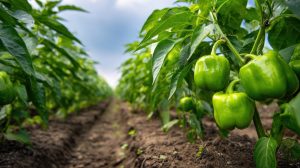
Soil type, sunlight, and container size play a crucial role in planter success. Matching vegetables to these factors ensures strong growth, high yields, and a continuous harvest throughout the season.
In this guide, we explore the 20 best vegetables to grow in planters, with care tips, pros and cons, and optimal growing conditions. By the end, you will know which vegetables are easiest and most productive for container gardening.
Also Read: Best Planter Boxes For Vegetables
20 Best Vegetables To Grow In Planters
1. Cherry Tomatoes – Best Sun-Loving Fruit for Planters
Cherry tomatoes are perfect for sun-exposed planters needing high-yield fruit. Their small size and climbing habit make them ideal for container gardening. These tomatoes thrive in full sun and produce continuous fruit throughout summer.
They require well-draining soil, consistent watering, and support such as stakes or cages. Fertilize periodically to ensure strong growth and abundant harvest. Cherry tomatoes are excellent for salads, snacking, or cooking.
Gardeners love cherry tomatoes for their compact size and high productivity. They attract pollinators and can be grown in small urban spaces. Overall, they are a reliable and delicious choice for sun-filled planters.
Pros:
• High yield
• Compact growth
• Sun-loving
• Easy harvest
• Tasty fruit
• Pollinator-friendly
• Continuous harvest
Cons:
• Needs support
• Frequent watering
• Prone pests
2. Bell Peppers – Best Heat-Tolerant Planter Vegetable
Bell peppers thrive in full sun planters requiring heat-loving crops. They produce vibrant red, yellow, or green fruits throughout summer. These vegetables grow well in deep containers with nutrient-rich soil.
Consistent watering and periodic fertilization help produce larger fruits. Staking may be needed for taller varieties. Bell peppers are ideal for salads, stir-fries, or stuffing.
Gardeners value bell peppers for their decorative appearance and culinary versatility. They are well-suited for both beginner and experienced container gardeners. Overall, bell peppers are a colorful and productive planter vegetable.
Pros:
• Heat-tolerant
• High yield
• Decorative
• Easy-grow
• Tasty
• Pollinator-friendly
• Compact
Cons:
• Needs water
• Fertilize often
• Susceptible pests
3. Lettuce – Best Leafy Green for Containers
Lettuce is ideal for cool-season planter vegetables that grow quickly. Its compact size and shallow roots make it perfect for small containers. Lettuce varieties thrive in partial to full sun.
Keep soil moist and use light, well-drained soil for best results. Regular harvesting encourages new growth. Lettuce pairs well with herbs and companion vegetables in mixed planters.
Gardeners love lettuce for its fast growth and continuous harvest. It is low-maintenance and versatile in salads, sandwiches, and wraps. Overall, lettuce is a beginner-friendly, productive planter vegetable.
Pros:
• Fast-growing
• Compact
• Continuous harvest
• Low-maintenance
• Sun-tolerant
• Cool-season
• Versatile
Cons:
• Sensitive heat
• Frequent watering
• Short-lived
4. Spinach – Best Nutrient-Dense Planter Vegetable
Spinach thrives in shaded or partially sunny planters, producing nutrient-rich leafy greens. It grows quickly and is ideal for smaller containers. Spinach prefers cool temperatures but can tolerate sun if soil is kept moist.
Plant in loose, well-draining soil for optimal root growth. Harvest outer leaves regularly to promote regrowth. Spinach pairs well with lettuce, radishes, and herbs in mixed containers.
Gardeners value spinach for its nutritional content and fast production. It is versatile in salads, smoothies, and cooking. Overall, spinach is a highly productive, easy-to-grow planter vegetable.
Pros:
• Fast-growing
• Nutrient-rich
• Compact
• Easy harvest
• Cool-season
• Low-maintenance
• Versatile
Cons:
• Heat-sensitive
• Short lifespan
• Needs water
5. Carrots – Best Root Vegetable for Containers
Carrots are ideal for planters that provide deep, loose soil for root crops. They thrive in full sun with well-draining, sandy soil. Compact varieties are especially suited for container gardening.
Keep soil consistently moist for straight, healthy roots. Avoid overcrowding to allow proper root development. Carrots are excellent for snacking, salads, and cooking.
Gardeners love carrots for their nutrient content and easy container growth. They are low-maintenance and store well after harvest. Overall, carrots are a reliable root vegetable for planter gardens.
Pros:
• Nutrient-rich
• Root vegetable
• Compact
• Low-maintenance
• Easy-grow
• Sun-loving
• Versatile
Cons:
• Needs deep soil
• Consistent watering
• Slow growth
6. Radishes – Best Quick-Growing Planter Vegetable
Radishes are perfect for fast-growing, sun-tolerant planter vegetables. They mature quickly, often in 3–4 weeks. Radishes thrive in shallow containers with well-draining soil.
Plant in loose soil and provide full sun for best flavor. Harvest promptly to avoid woody roots. Radishes can be interplanted with lettuce or spinach for continuous harvesting.
Gardeners love radishes for their quick results and vibrant colors. They are low-maintenance and ideal for beginner gardeners. Overall, radishes are a productive, easy-growing planter vegetable.
Pros:
• Quick-growing
• Shallow soil
• Sun-loving
• Easy harvest
• Low-maintenance
• Colorful
• Beginner-friendly
Cons:
• Short harvest
• Sensitive heat
• Small yield
7. Green Beans – Best Climbing Planter Vegetable
Green beans thrive in tall or vertical planter setups. Pole beans need support, making them ideal for trellis-equipped containers. They produce abundant pods throughout the growing season.
Use well-draining soil and provide full sun for strong growth. Regular harvesting encourages continued production. Beans pair well with companion plants like lettuce or marigolds.
Gardeners value green beans for high yield and culinary versatility. They attract pollinators and are easy to grow in containers. Overall, green beans are a productive climbing vegetable for planters.
Pros:
• High yield
• Climbing habit
• Sun-loving
• Easy harvest
• Pollinator-friendly
• Compact roots
• Versatile
Cons:
• Needs trellis
• Moderate water
• Sensitive frost
8. Cucumbers – Best Sprawling Planter Vegetable
Cucumbers are ideal for planters with vertical trellis support. Their vining habit allows them to climb, saving space in limited areas. Cucumbers require full sun and consistent moisture for crisp, flavorful fruit.
Plant in rich, well-draining soil with a trellis or cage for vertical growth. Harvest regularly to encourage continuous production. Cucumbers pair well with herbs, tomatoes, and radishes in mixed planters.
Gardeners love cucumbers for their refreshing taste and high yield. They are easy to grow and perfect for summer salads. Overall, cucumbers are a versatile, space-efficient planter vegetable.
Pros:
• High yield
• Vining
• Sun-loving
• Easy harvest
• Crisp fruit
• Pollinator-friendly
• Versatile
Cons:
• Needs trellis
• Sensitive heat
• Frequent water
9. Zucchini – Best Summer Squash for Containers
Zucchini thrives in planters needing prolific summer squash crops. It produces large fruits quickly in full sun. Compact or bush varieties are ideal for container gardening.
Provide deep, nutrient-rich soil and consistent watering. Harvest regularly to prevent oversized fruits. Zucchini grows well alongside beans, herbs, and peppers.
Gardeners value zucchini for high yield and low maintenance. It is versatile in cooking, baking, and grilling. Overall, zucchini is a productive, sun-loving planter vegetable.
Pros:
• Prolific yield
• Sun-loving
• Easy grow
• Low-maintenance
• Compact varieties
• Versatile
• Fast-growing
Cons:
• Large plants
• Needs space
• Frequent harvest
10. Kale – Best Hardy Leafy Green
Kale is ideal for cool-season planter vegetables that tolerate light frost. Its nutrient-dense leaves grow well in containers. Kale prefers full sun but can tolerate partial shade.
Plant in rich, well-draining soil for optimal growth. Regular harvesting encourages continuous leaf production. Kale pairs well with lettuce, spinach, and herbs.
Gardeners love kale for its nutritional value and resilience. It is suitable for year-round container gardening. Overall, kale is a reliable and hardy planter vegetable.
Pros:
• Nutrient-rich
• Hardy
• Continuous harvest
• Sun-tolerant
• Low-maintenance
• Compact
• Easy grow
Cons:
• Sensitive heat
• Slow growth
• Needs water
11. Arugula – Best Quick-Growing Leafy Green
Arugula is ideal for fast-growing leafy greens in planters, perfect for fresh salads. It thrives in full sun to partial shade and grows quickly in shallow containers. Its peppery flavor makes it a favorite for culinary use.
Plant in loose, well-draining soil and keep consistently moist for best growth. Harvest outer leaves regularly to encourage new growth. Arugula pairs well with lettuce, spinach, and herbs in mixed planters.
Gardeners love arugula for fast production and continuous harvest. It is low-maintenance and highly nutritious. Overall, arugula is a perfect quick-growing planter vegetable.
Pros:
• Fast-growing
• Compact
• Sun-tolerant
• Continuous harvest
• Low-maintenance
• Nutritious
• Easy harvest
Cons:
• Sensitive heat
• Short lifespan
• Needs water
12. Beets – Best Root Crop for Containers
Beets thrive in deep containers that support root development. Both the roots and leaves are edible, providing multiple culinary uses. They grow best in full sun with loose, well-drained soil.
Water consistently to prevent woody roots and encourage smooth growth. Thin seedlings to avoid overcrowding. Beets pair well with lettuce, spinach, and herbs for mixed planters.
Gardeners love beets for versatility and nutrient content. They are easy to grow and store well after harvest. Overall, beets are an excellent root vegetable for planter gardens.
Pros:
• Nutrient-rich
• Edible leaves
• Compact
• Sun-loving
• Easy grow
• Low-maintenance
• Dual-use
Cons:
• Needs thinning
• Deep soil
• Moderate water
13. Swiss Chard – Best Colorful Leafy Green
Swiss chard is perfect for planters that showcase colorful, nutritious leaves. Its stems range from red to yellow, creating a striking visual in containers. The plant thrives in full sun but tolerates partial shade.
Use rich, well-draining soil and water regularly for healthy growth. Harvest outer leaves frequently to encourage continuous production. Swiss chard pairs well with lettuce, spinach, and herbs.
Gardeners appreciate its vibrant colors and versatility. It is highly nutritious and produces consistently throughout the season. Overall, Swiss chard is a productive, attractive planter vegetable.
Pros:
• Colorful stems
• Nutritious
• Sun-tolerant
• Continuous harvest
• Compact
• Low-maintenance
• Versatile
Cons:
• Sensitive heat
• Moderate water
• Slow grow
14. Bok Choy – Best Asian Green for Planters
Bok choy thrives in planters suitable for fast-growing, cool-season vegetables. It produces tender, crunchy leaves perfect for stir-fries or salads. Bok choy grows quickly in full sun to partial shade.
Plant in fertile, well-drained soil and water consistently. Harvest outer leaves early to encourage regrowth. It pairs well with spinach, lettuce, and herbs for continuous harvesting.
Gardeners love bok choy for rapid growth and flavor. It is low-maintenance and ideal for small container gardens. Overall, bok choy is a reliable, productive planter vegetable.
Pros:
• Fast-growing
• Compact
• Sun-tolerant
• Continuous harvest
• Low-maintenance
• Nutrient-rich
• Easy harvest
Cons:
• Sensitive heat
• Short lifespan
• Needs water
15. Peas – Best Climbing Planter Vegetable
Peas thrive in vertical planters with trellis support, perfect for limited space. They produce sweet, edible pods and grow vigorously in full sun. Compact or dwarf varieties work well for container gardening.
Provide support for climbing varieties and rich, well-draining soil. Water consistently but avoid waterlogging. Peas pair well with lettuce, radishes, and herbs in mixed planters.
Gardeners love peas for high yield and sweet flavor. They attract pollinators and add greenery to container gardens. Overall, peas are an easy, productive climbing vegetable for planters.
Pros:
• High yield
• Sweet pods
• Climbing habit
• Sun-loving
• Easy harvest
• Pollinator-friendly
• Compact
Cons:
• Needs trellis
• Moderate water
• Sensitive frost
16. Eggplant – Best Heat-Tolerant Container Vegetable
Eggplants thrive in planters that receive full sun and warmth. They produce glossy, colorful fruits that grow well in deep containers. Bush varieties are best for small planters.
Use nutrient-rich, well-draining soil and provide consistent moisture. Fertilize periodically for larger fruit. Eggplants pair well with peppers, tomatoes, and herbs for companion planting.
Gardeners value eggplants for ornamental appeal and edible yield. They are versatile for cooking and grilling. Overall, eggplants are a sun-loving, productive container vegetable.
Pros:
• Heat-tolerant
• High yield
• Compact bush
• Sun-loving
• Edible fruit
• Decorative
• Easy grow
Cons:
• Needs fertilizer
• Moderate water
• Prone pests
17. Okra – Best Summer Vegetable for Containers
Okra thrives in planters exposed to full sun with warm temperatures. It produces edible pods and grows upright, saving space. Bush varieties are ideal for container gardening.
Plant in deep, nutrient-rich soil and water consistently. Harvest pods regularly to encourage continuous growth. Okra pairs well with peppers, tomatoes, and herbs in mixed containers.
Gardeners love okra for high yield and heat tolerance. It adds ornamental value with attractive foliage and flowers. Overall, okra is a productive summer vegetable for planters.
Pros:
• Heat-tolerant
• High yield
• Upright growth
• Sun-loving
• Edible pods
• Low-maintenance
• Decorative
Cons:
• Large plants
• Needs deep soil
• Frequent harvest
18. Kale Sprouts – Best Winter Container Crop
Kale sprouts are perfect for cool-season planter vegetables with high nutrition. They produce crunchy sprouts that grow well in containers. Kale thrives in full sun to partial shade and tolerates frost.
Plant in fertile, well-draining soil and water regularly. Harvest young leaves for salads or mature leaves for cooking. Kale pairs well with spinach, lettuce, and herbs.
Gardeners value kale sprouts for winter productivity and nutrient content. They are low-maintenance and ideal for container gardens. Overall, kale sprouts are a reliable cool-season planter vegetable.
Pros:
• Nutrient-rich
• Frost-tolerant
• Compact
• Easy harvest
• Sun-tolerant
• Continuous growth
• Low-maintenance
Cons:
• Sensitive heat
• Needs water
• Slow grow
19. Herbs (Basil, Thyme, Parsley) – Best Culinary Container Vegetables
Herbs thrive in planters for fresh culinary use, perfect for small spaces. Basil, thyme, and parsley grow well in sun-exposed containers. They require well-draining soil and moderate watering.
Prune regularly to encourage bushy growth and prevent flowering. Herbs pair well with vegetables like tomatoes and peppers for companion planting. Their fragrance also repels pests naturally.
Gardeners love herbs for flavor, aroma, and container adaptability. They are easy to grow, fast-producing, and useful in everyday cooking. Overall, herbs are essential planter vegetables for culinary gardeners.
Pros:
• Aromatic
• Easy grow
• Compact
• Sun-loving
• Low-maintenance
• Pest-repellent
• Culinary use
Cons:
• Sensitive frost
• Needs pruning
• Moderate water
20. Strawberries – Best Fruit-Bearing Container Crop
Strawberries are perfect for planters producing sweet, edible fruits. They thrive in full sun and shallow containers. Compact or alpine varieties work well for small gardens or balcony planters.
Plant in fertile, well-draining soil and water consistently. Harvest fruits regularly to encourage more production. Strawberries can cascade over planter edges for visual appeal.
Gardeners love strawberries for high flavor and ornamental value. They attract pollinators and are easy to grow in containers. Overall, strawberries are a sweet, productive planter crop.
Pros:
• Edible fruit
• Compact
• Sun-loving
• High yield
• Easy grow
• Pollinator-friendly
• Attractive
Cons:
• Sensitive frost
• Needs water
• Short season
Best Vegetables To Grow In Planters FAQs
1. Which vegetables grow best in planters?
The best vegetables to grow in planters include cherry tomatoes, bell peppers, lettuce, spinach, carrots, and herbs. These crops thrive in containers because they require moderate root space and full sun. Additionally, shallow or deep planters can accommodate both leafy greens and root vegetables efficiently.
2. How big should a planter be for vegetables?
Planter size depends on the vegetable type. Leafy greens and herbs need shallow planters around 6–12 inches deep, while root crops like carrots, beets, and potatoes require at least 12–18 inches of soil depth. Wider planters allow more plants and better soil moisture retention.
3. Do vegetables need full sun in planters?
Most vegetables prefer full sun exposure, about 6–8 hours daily, to maximize photosynthesis and growth. Leafy greens like spinach or kale can tolerate partial shade. Placing planters in sun-exposed areas ensures stronger stems, vibrant leaves, and higher yields.
4. How often should planter vegetables be watered?
Container vegetables dry out faster than garden beds, so water consistently. Leafy greens require more frequent watering, while drought-tolerant plants like herbs need less. Checking soil moisture regularly helps prevent root stress and promotes healthy growth.
5. Can I grow multiple vegetables in one planter?
Yes, companion planting in larger planters is effective. Pair fast-growing leafy greens with slower-growing crops like tomatoes or peppers. Proper spacing prevents overcrowding and ensures each plant gets sufficient sunlight and nutrients.
6. What soil is best for container vegetables?
Use a high-quality, well-draining potting mix with organic matter. Avoid garden soil, which may compact in containers. Adding compost or slow-release fertilizer ensures vegetables receive consistent nutrients throughout the growing season.
7. Can I grow vegetables year-round in planters?
Yes, with proper planning and seasonal crops. Cool-season vegetables like lettuce, kale, and spinach thrive in fall or winter, while heat-loving crops like tomatoes, peppers, and eggplants flourish in spring and summer. Containers also allow easy relocation indoors for winter protection.
Conclusion
In conclusion, the best vegetables to grow in planters include cherry tomatoes, bell peppers, and leafy greens like lettuce and spinach. These choices provide high yields, versatility, and ease of care for both beginner and experienced gardeners.
The runner-up vegetables include root crops like carrots and beets, climbing plants like peas and green beans, and herbs for culinary use. These were chosen for their productivity, flavor, and adaptability to container gardening.
Using the right planter size, soil, and sunlight exposure ensures consistent growth and healthy plants. Modular, deep, or elevated containers help maximize space and improve drainage, which is essential for planter success.
By planting these vegetables in planters, you can enjoy fresh, nutritious produce even in small urban spaces. Container gardening also allows experimentation with companion planting, vertical growth, and seasonal rotations.
Recent Posts
Choosing the best planter boxes for vegetables is essential for gardeners who want high yields in limited spaces. Vegetable planter boxes allow growers to optimize sunlight, soil quality, and water...
Choosing the best plants for planter boxes full sun is essential for creating vibrant, low-maintenance outdoor spaces. Planter boxes allow gardeners to maximize their sunlit areas, adding color and...