Understanding the cost of topsoil per cubic yard is essential for any landscaping, gardening, or land reclamation project. Topsoil is a critical component of healthy soil, containing organic matter, nutrients, and biological activity necessary for plant growth. The price reflects its quality, composition, and the effort needed to deliver and prepare it for use.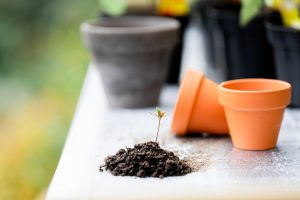
High-quality topsoil supports root development, improves water retention, and promotes soil microbial activity. Poor-quality soil may be cheaper but often lacks nutrients and structure, which can lead to plant stress and the need for additional amendments.
Topsoil is typically sold by the cubic yard, which measures 27 cubic feet of material. Calculating the number of cubic yards needed for a project allows accurate budgeting and ensures sufficient coverage for lawns, gardens, or planting beds.
In this guide, we will examine the typical cost of topsoil per cubic yard, factors influencing pricing, and practical tips to get the right soil for your project.
Topsoil Cost Per Cubic Yard
Topsoil prices vary based on quality, screening, and regional availability. Understanding these differences is essential for selecting the right soil for your landscaping, garden, or agricultural project.
1. Basic Unscreened Topsoil – $10–$25 per Cubic Yard
Beginners often choose Basic Unscreened Topsoil for general filling, leveling, or large-scale landscaping where planting is not intensive. It is harvested directly from soil deposits and may contain rocks, sticks, and coarse debris. While it is less refined, it can still serve as a foundation layer for lawns or raised beds.
- Basic Unscreened Topsoil: $10–$25 per cubic yard. This soil may contain rocks, debris, and lower organic matter. It is suitable for basic leveling or fill but may not support intensive planting.
This soil typically has lower organic matter, meaning it may not support optimal plant growth without amendments. It is ideal for areas where structural coverage is needed rather than nutrient enrichment. Its affordability makes it a cost-effective choice for large volumes of soil.
Moreover, Basic Unscreened Topsoil is widely available and easy to source. It can be improved over time with compost or mulch additions to increase fertility and structure. Overall, it is a practical choice for projects on a budget or for temporary landscaping solutions.
Pros
-
Affordable
-
Easy to source
-
Suitable for leveling
-
Bulk availability
-
Structural coverage
-
Flexible use
-
Quick installation
Cons
-
Low organic matter
-
Debris present
-
Limited planting support
2. Standard Screened Topsoil – $20–$40 per Cubic Yard
Beginners seeking soil suitable for lawns, garden beds, and planting projects often select Standard Screened Topsoil. It has been sifted to remove rocks, sticks, and other large debris. This preparation makes it easier to spread evenly and improves root establishment.
- Standard Screened Topsoil: $20–$40 per cubic yard. This soil has been filtered to remove debris and is better suited for lawns and general gardening.
Standard Screened Topsoil has a moderate organic matter content, supporting healthier plant growth than basic soil. It is excellent for general planting, turf installation, and flower beds. Its texture allows water to infiltrate evenly, reducing runoff and pooling.
Moreover, this type of soil is highly versatile. It works for both small home gardens and medium-sized landscaping projects. Overall, Standard Screened Topsoil balances affordability, usability, and plant support.
Pros
-
Even texture
-
Debris-free
-
Supports plant growth
-
Easy to spread
-
Water infiltration
-
Medium organic matter
-
Versatile use
Cons
-
Slightly more expensive
-
May need additional nutrients
-
Not ideal for high-value gardens
3. Premium or Enriched Topsoil – $35–$55+ per Cubic Yard
Beginners and professionals alike choose Premium or Enriched Topsoil for gardens, flower beds, and high-value planting areas. This soil is enriched with compost or organic matter to maximize fertility and plant growth. It is screened to remove debris, providing a fine, uniform texture.
- Premium or Enriched Topsoil: $35–$55+ per cubic yard. Enhanced with compost or organic matter, this soil is ideal for gardens, flower beds, and high-value plantings.
Premium Topsoil supports seedlings, lawns, and high-demand crops. It retains moisture well, promotes microbial activity, and supplies essential nutrients naturally. Its quality reduces the need for chemical fertilizers and long-term soil amendments.
Moreover, Premium Topsoil is ideal for areas where plant health is critical, such as vegetable gardens, ornamental beds, and landscaping with sensitive or high-value plants. Overall, it delivers superior structure, fertility, and long-term soil improvement.
Pros
-
High organic matter
-
Nutrient-rich
-
Debris-free
-
Supports all plants
-
Moisture retention
-
Promotes microbial life
-
Long-term soil improvement
Cons
-
Higher cost
-
Limited availability in some areas
-
Requires careful handling
Factors Affecting Topsoil Cost
1. Soil Quality
The nutrient content, organic matter, and texture of soil influence cost. Higher-quality soil with balanced sand, silt, and clay content provides better support for plant growth and commands a higher price.
2. Screening and Cleanliness
Soil that is screened to remove rocks, sticks, and debris requires additional labor and equipment. Clean topsoil improves plant establishment and is worth the extra cost for lawns and garden beds.
3. Volume Purchased
Buying in bulk often lowers the per-cubic-yard cost. Small orders may carry minimum fees, making the per-unit cost higher than bulk purchases.
4. Delivery Distance
Transport is a significant cost component. Long distances, restricted access, or challenging terrain can increase delivery fees and affect overall price.
5. Regional Supply and Demand
Urban areas or regions with limited soil sources often have higher prices. Rural areas closer to natural topsoil deposits may offer more affordable options.
Practical Price Examples
-
Standard Screened Topsoil: Around $20–$40 per cubic yard. Suitable for lawns and planting beds.
-
Premium Organic Blends: $35–$55 per cubic yard. Rich in organic matter, ideal for gardens.
-
Delivered Bulk Soil: $30–$60 per cubic yard, including delivery fees. Prices vary with distance and volume.
Bagged topsoil is significantly more expensive per cubic yard and is usually cost-effective only for small garden patches or planter boxes.
How to Estimate Your Topsoil Needs
To determine how much topsoil to buy, calculate the area to be covered and the desired depth. Multiply the area (in square feet) by the depth (in feet) and divide by 27 to get cubic yards. Accurate estimates prevent shortages or excess purchases and help plan budgets more effectively.
Delivery and Installation Considerations
Delivery costs are often separate from the material cost. Bulk truckloads generally reduce per-yard costs, but delivery to restricted or difficult sites can add fees. For large landscaping projects, labor for spreading and leveling soil should also be considered as part of the overall cost.
FAQs – Topsoil Cost Per Cubic Yard
1. What is the average topsoil cost per cubic yard?
Typically $20–$40 for screened topsoil, with premium mixes costing $35–$55 or more.
2. Is delivery included in the price?
Delivery is usually additional and depends on distance and site accessibility.
3. Does buying in bulk reduce cost?
Yes, larger orders often lower the per-cubic-yard cost.
4. Is bulk soil cheaper than bagged soil?
Yes, bagged soil is much more expensive per cubic yard.
5. What’s the difference between basic and premium topsoil?
Premium topsoil contains more organic matter and nutrients, supporting better plant growth.
6. Does topsoil quality affect plant success?
Absolutely. Nutrient-rich, well-structured soil promotes stronger roots, better water retention, and healthier plants.
7. How do I choose the right topsoil?
Identify your project needs — lawn, garden bed, trees — and select soil with appropriate texture, organic matter, and cleanliness.
Conclusion
In conclusion, knowing the cost of topsoil per cubic yard is crucial for effective project planning and achieving healthy, productive landscapes. High-quality topsoil ensures proper root growth, water retention, and nutrient availability.
The best approach is to select soil suited to your project’s requirements, focusing on quality and organic content. A runner-up option may be screened standard soil, which offers good balance for general use at a lower price.
Careful calculation of volume, consideration of delivery costs, and understanding soil characteristics will ensure your investment supports plant success. Start by assessing your site, estimate the soil volume needed, and choose the right quality to achieve long-term results.
Recent Posts
Choosing the Best Fertilizer For Salvias is essential for achieving vibrant blooms, lush foliage, and strong root systems. Proper nutrient management ensures salvias receive the right balance of...
Choosing the best fertilizer for ginger plant is essential for achieving strong rhizome development, vigorous foliage, and high yields. Proper nutrient management ensures ginger plants receive the...