Soil is the foundation of plant life, food systems, and environmental stability, yet it is frequently misunderstood and poorly managed. Many growers, gardeners, and land managers unknowingly struggle with the top 10 soil problems, leading to reduced yields, unhealthy plants, and long-term land degradation.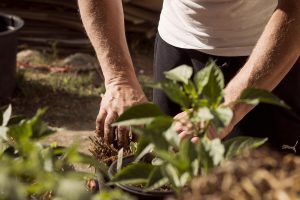
Healthy soil supports root development, regulates water movement, and sustains beneficial microorganisms. When soil balance is disrupted, plants show stress symptoms that are often mistaken for disease or nutrient deficiency.
Soil problems vary widely depending on climate, land use, and management history. Recognizing the underlying issue is essential for applying the correct solution and avoiding further damage.
In this guide, the top 10 soil problems are examined in detail, explaining how each issue develops, how it affects plant growth, and how it can be effectively corrected using proven soil science principles.
Top 10 Soil Problems
1. Soil Compaction
Beginners often encounter soil compaction when plants grow slowly despite adequate watering and fertilization. Compaction occurs when soil particles are pressed tightly together, reducing the spaces needed for air and water movement. This condition restricts root expansion and limits nutrient uptake.
Compacted soils are common in areas with heavy machinery, frequent foot traffic, or overgrazing. Oxygen levels drop, beneficial microbial activity declines, and roots remain shallow. Over time, crops become more susceptible to drought stress and poor anchorage.
Correcting compaction requires reducing pressure on the soil and improving structure. Incorporating organic matter, using deep-rooted plants, and minimizing unnecessary traffic help restore porosity. Long-term improvement depends on consistent soil-friendly management practices.
Pros
-
Better aeration
-
Improved roots
-
Increased drainage
-
Healthier microbes
-
Reduced runoff
-
Strong structure
-
Higher productivity
Cons
-
Slow recovery
-
Labor intensive
-
Equipment needed
2. Soil Erosion
Soil erosion occurs when wind or water removes the uppermost layer of soil. This topsoil contains most of the nutrients, organic matter, and biological activity required for plant growth. Once lost, soil productivity declines rapidly.
Erosion is common on slopes, bare ground, and poorly managed farmland. Heavy rainfall or strong winds accelerate soil loss, especially where vegetation is absent. Over time, fields become thinner, less fertile, and harder to manage.
Preventing erosion focuses on keeping soil covered and stable. Vegetation, mulches, and reduced disturbance protect the soil surface. Long-term erosion control preserves soil depth and maintains land productivity.
Pros
-
Preserves fertility
-
Maintains depth
-
Improves stability
-
Protects roots
-
Reduces runoff
-
Sustains yields
-
Environmental protection
Cons
-
Weather dependent
-
Requires planning
-
Ongoing management
3. Poor Drainage
Poor drainage occurs when excess water remains in the soil for extended periods. Saturated soil lacks oxygen, which is essential for healthy root function. This condition often leads to root rot and nutrient loss.
Clay-rich soils and low-lying areas are particularly prone to drainage issues. Plants growing in waterlogged soil show yellowing leaves and stunted growth. Beneficial soil organisms decline under anaerobic conditions.
Improving drainage involves enhancing soil structure and water movement. Organic amendments, raised planting areas, and proper land shaping help excess water escape. Well-drained soil supports strong root systems and healthier plant growth.
Pros
-
Improved oxygen
-
Healthier roots
-
Reduced disease
-
Better nutrient use
-
Increased vigor
-
Stable growth
-
Improved yields
Cons
-
Installation effort
-
Soil disturbance
-
Maintenance needed
4. Nutrient Deficiency
Nutrient deficiency occurs when essential elements are unavailable to plants in sufficient amounts. Even fertile-looking soils can lack critical nutrients needed for growth. Symptoms often include poor color, weak stems, and reduced yields.
Nitrogen, phosphorus, and potassium are the most commonly deficient nutrients. Micronutrient shortages also occur, especially in highly weathered or intensively farmed soils. Misdiagnosis often leads to ineffective treatments.
Accurate soil testing is essential for identifying deficiencies. Balanced nutrient management restores soil fertility and prevents excess application. Correcting deficiencies improves plant health and resource efficiency.
Pros
-
Improved growth
-
Balanced nutrition
-
Efficient inputs
-
Stronger plants
-
Higher yields
-
Predictable results
-
Soil balance
Cons
-
Testing required
-
Input costs
-
Timing sensitive
5. Soil Salinity
Soil salinity develops when soluble salts accumulate in the root zone. High salt levels interfere with water uptake, causing plants to wilt even when soil appears moist. Salinity is common in irrigated and arid regions.
Poor drainage and saline irrigation water accelerate salt buildup. Sensitive crops suffer first, showing leaf burn and reduced growth. Over time, soil structure may also degrade.
Managing salinity requires improving drainage and flushing excess salts. Selecting tolerant crops and monitoring water quality help prevent recurrence. Long-term control protects soil productivity.
Pros
-
Restores balance
-
Improves uptake
-
Protects crops
-
Reduces stress
-
Enhances structure
-
Sustainable use
-
Yield recovery
Cons
-
Water intensive
-
Slow improvement
-
Monitoring required
6. Soil Acidity
Soil acidity occurs when soil pH drops to levels that restrict nutrient availability. Acidic conditions limit root growth and increase toxic elements. Many crops perform poorly in overly acidic soils.
Acidification is often caused by rainfall, fertilizer use, and organic matter decomposition. Nutrients become less accessible, even when present in the soil. Plants show deficiency symptoms despite adequate fertilization.
Correcting acidity involves neutralizing excess acidity. Adjusting pH improves nutrient efficiency and microbial activity. Balanced soil conditions promote healthier plant growth.
Pros
-
Improved availability
-
Reduced toxicity
-
Strong roots
-
Better microbes
-
Higher efficiency
-
Stable growth
-
Long-term balance
Cons
-
Adjustment time
-
Cost involved
-
Overcorrection risk
7. Low Organic Matter
Low organic matter is a common problem in intensively managed soils. Organic matter supports soil structure, nutrient retention, and microbial life. Its absence leads to poor aggregation and rapid nutrient loss.
Soils low in organic matter dry quickly and erode easily. Biological activity declines, reducing natural nutrient cycling. Plants become more dependent on external inputs.
Rebuilding organic matter requires consistent additions over time. Compost, residues, and living roots restore soil vitality. Healthy organic levels improve resilience and productivity.
Pros
-
Better structure
-
Water retention
-
Nutrient holding
-
Microbial diversity
-
Carbon storage
-
Soil resilience
-
Sustainability
Cons
-
Slow buildup
-
Material needs
-
Long commitment
8. Poor Soil Structure
Poor structure occurs when soil aggregates break down. This results in crusting, reduced infiltration, and limited root movement. Over-tillage is a common cause.
When structure deteriorates, seeds struggle to emerge and water runs off the surface. Soil becomes hard when dry and sticky when wet. Plant establishment suffers significantly.
Improving structure involves minimizing disturbance and increasing organic inputs. Stable aggregates enhance air and water movement. Healthy structure supports long-term soil function.
Pros
-
Improved infiltration
-
Root penetration
-
Reduced crusting
-
Better aeration
-
Stability
-
Consistent growth
-
Soil health
Cons
-
Management changes
-
Time required
-
Reduced tillage
9. Soil Contamination
Soil contamination occurs when harmful substances accumulate in the soil. Heavy metals and industrial residues pose risks to plant health and food safety. Urban and industrial areas are most affected.
Contaminated soils restrict plant growth and may transfer toxins into crops. Visual symptoms are often subtle or absent. Testing is essential for identification.
Managing contamination involves restricting use or applying remediation methods. Safe soil protects human and environmental health. Long-term monitoring is critical.
Pros
-
Improved safety
-
Risk reduction
-
Food protection
-
Environmental health
-
Soil recovery
-
Responsible use
-
Land security
Cons
-
Testing costs
-
Remediation time
-
Land limits
10. Poor Water Retention
Poor water retention is common in sandy soils. Water drains rapidly, leaving little moisture for plants. Nutrients are also easily lost.
Plants experience frequent stress even with regular watering. Growth becomes inconsistent and inefficient. Soil productivity declines without intervention.
Improving retention focuses on increasing organic content. Mulching and soil conditioning help stabilize moisture levels. Better retention supports consistent plant performance.
Pros
-
Stable moisture
-
Reduced stress
-
Efficient uptake
-
Consistent growth
-
Improved structure
-
Better yields
-
Resource efficiency
Cons
-
Frequent amendments
-
Material costs
-
Monitoring needed
FAQs – Top 10 Soil Problems
-
What is the most common soil problem globally?
Soil erosion is the most widespread issue. -
Can soil problems be reversed?
Yes, most can be improved with proper management. -
How do I identify my soil problem?
Soil testing and observation are essential. -
Does poor soil always affect yields?
Yes, directly or indirectly. -
Is organic matter important for all soils?
Yes, it benefits every soil type. -
Can poor drainage damage crops?
Yes, it causes root suffocation and disease. -
How long does soil improvement take?
It depends on severity and management consistency.
Conclusion
In conclusion, understanding the top 10 soil problems is essential for maintaining productive and resilient land systems. Each issue affects plant health, water movement, and nutrient availability in unique ways.
The best soil management approach is early identification combined with consistent corrective practices. Addressing problems at their source prevents long-term degradation and unnecessary input costs.
Among all challenges, soil compaction often causes the most widespread damage, making it the best candidate for immediate correction. As a runner-up, soil erosion deserves close attention due to its irreversible impact on soil depth and fertility.
Healthy soil is not accidental; it is the result of informed decisions and responsible management. Apply these principles today to protect your soil and secure long-term productivity for future generations.
Recent Posts
Choosing the best fertilizer for staghorn fern is essential for promoting strong roots and vibrant, healthy fronds. Proper fertilization supports overall plant vigor and prevents nutrient...
Best Fertilizer For Winged Bean is essential for achieving vigorous vine growth, improved flowering, and high-yield pod production in both small gardens and commercial farms. Winged bean is a...