Best shade tolerant creeping ground cover plants play a major role in landscaping because they fill bare soil areas where sunlight is limited. These plants spread across the ground while suppressing weeds and protecting soil from erosion.
Many gardeners struggle to grow plants in shaded spaces under trees, fences, or buildings. Studies from landscaping associations suggest that dense ground cover plants can reduce weed growth by nearly 60% while improving soil moisture retention.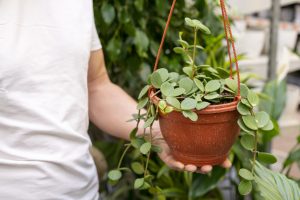
Shade-loving creeping plants usually grow low to the ground while forming thick mats that protect soil surfaces. Popular varieties such as creeping juniper, sweet woodruff, and periwinkle are widely recommended because they thrive in low-light environments.
In this guide, the best shade tolerant creeping ground cover plants will be explored with practical recommendations for gardens, slopes, and shaded landscapes. Each option focuses on fast spreading growth, shade tolerance, and long-term ground coverage.
Top 10 Shade Tolerant Creeping Ground Cover
1. Creeping Jenny – Best Fast-Growing Shade Tolerant Creeping Ground Cover
Ideal for gardeners who want fast-spreading shade-tolerant ground cover, Creeping Jenny forms a bright green carpet that stabilizes soil. Its trailing stems root easily, covering bare patches quickly. This plant thrives in partial shade and moist soil.

Dense foliage helps suppress weeds and protects soil from erosion. Its vibrant yellow-green leaves add strong visual appeal to shaded landscapes. Gardeners use it along pathways, slopes, and garden beds for easy coverage.
Creeping Jenny adapts well to containers and hanging areas. It is low-maintenance when trimmed regularly. Overall, it provides rapid ground stabilization with eye-catching color.
Pros
• Fast spread
• Bright foliage
• Shade tolerant
• Soil cover
• Weed control
• Easy growth
• Decorative
Cons
• Invasive risk
• Needs trimming
• Moist soil
2. Sweet Woodruff – Best Fragrant Shade Tolerant Creeping Ground Cover
Perfect choice when looking for fragrant ground cover in shady areas, Sweet Woodruff forms dense mats under trees and shrubs. Its star-shaped leaves create a soft green carpet. Small white flowers bloom in spring, releasing a gentle fragrance.

This plant thrives in moist, shaded soil and attracts pollinators. Dense growth suppresses weeds effectively and retains soil moisture. Woodland gardens often feature it for both aesthetics and soil protection.
Sweet Woodruff spreads slowly but reliably. It tolerates cool temperatures and partial shade. Overall, it provides fragrant, low-maintenance coverage for shaded landscapes.
Pros
• Fragrant leaves
• Shade loving
• Spring flowers
• Weed suppression
• Soft foliage
• Woodland friendly
• Low maintenance
Cons
• Slow spread
• Needs moisture
• Seasonal bloom
3. Periwinkle (Vinca Minor) – Best Evergreen Shade Tolerant Creeping Ground Cover
Recommended for those needing evergreen ground cover in deep shade, Periwinkle spreads quickly through trailing stems. Its thick mats stabilize soil and prevent erosion. Purple or blue flowers appear in spring, brightening dark areas.
Glossy evergreen leaves maintain year-round visual interest. This plant thrives on slopes, hillsides, and under trees where sunlight is limited. Its rapid growth makes it ideal for soil stabilization projects.
Periwinkle requires minimal maintenance. Dense foliage suppresses weeds naturally. Overall, it offers durable, attractive coverage in shaded gardens.
Pros
• Evergreen leaves
• Fast spread
• Shade tolerant
• Spring flowers
• Soil protection
• Slope friendly
• Low care
Cons
• Invasive spread
• Needs trimming
• Toxic pets
4. Ajuga (Bugleweed) – Best Colorful Shade Tolerant Creeping Ground Cover
A great option when wanting colorful foliage in shaded areas, Ajuga spreads low across soil to form dense mats. Its purple, bronze, or green leaves add visual interest. Blue flower spikes bloom in spring, attracting pollinators.

This plant tolerates partial to full shade and moderate foot traffic. Ajuga’s spreading runners stabilize soil on slopes and edges. It is commonly used in borders, pathways, and woodland gardens.
Low height ensures it does not compete with other plants. Its vibrant foliage contrasts beautifully with darker shade areas. Overall, Ajuga is both decorative and functional for shaded spaces.
Pros
• Colorful foliage
• Fast spread
• Shade tolerant
• Spring flowers
• Pollinator friendly
• Soil cover
• Low height
Cons
• Aggressive growth
• Needs spacing
• Moist soil
5. Creeping Thyme – Best Aromatic Shade Tolerant Creeping Ground Cover
Recommended for gardeners seeking fragrant, low-growing ground cover, Creeping Thyme releases aromatic scents when stepped on. Its tiny leaves form a soft, low carpet across shaded areas. Summer flowers attract bees and other pollinators.

This plant tolerates partial shade and moderate drought, making it versatile. Creeping Thyme works well between stepping stones and garden pathways. Its low height ensures easy maintenance.
It grows slowly at first but fills in over time. Soil stabilization and aesthetic appeal are combined in one plant. Overall, it’s ideal for fragrant, shaded ground coverage.
Pros
• Aromatic leaves
• Pollinator friendly
• Low height
• Soil cover
• Decorative blooms
• Easy growth
• Drought tolerant
Cons
• Partial shade
• Slow start
• Needs drainage
6. English Ivy – Best Dense Shade Tolerant Creeping Ground Cover
Perfect for those wanting dense evergreen coverage in shade, English Ivy spreads rapidly across soil surfaces. Its thick foliage protects soil from erosion while suppressing weeds. Ivy also climbs structures if untrimmed.
This plant thrives in deep shade and tolerates poor soils. Landscapers use it under trees, along walls, and on slopes. Its adaptability makes it suitable for challenging shaded areas.
English Ivy is highly durable in varying conditions. Minimal maintenance is required once established. Overall, it is a reliable choice for soil protection and visual appeal.
Pros
• Evergreen cover
• Dense foliage
• Shade tolerant
• Soil protection
• Fast spread
• Durable plant
• Low maintenance
Cons
• Invasive growth
• Needs trimming
• Tree climbing
7. Lamium – Best Silver-Leaf Shade Tolerant Creeping Ground Cover
Ideal for adding decorative foliage to shaded gardens, Lamium features striking silver-green leaves. Trailing stems spread gently, filling bare soil areas under trees. Its low height ensures it doesn’t crowd surrounding plants.

Lamium blooms small pink or purple flowers in spring, attracting pollinators. Partial shade and cool conditions suit its growth best. Its creeping habit suppresses weeds and stabilizes soil naturally.
Gardeners often plant it beneath shrubs and trees. It brightens dark areas while controlling erosion. Overall, Lamium combines visual interest with functional ground coverage.
Pros
• Silver foliage
• Shade loving
• Decorative plant
• Spring flowers
• Pollinator friendly
• Soil cover
• Easy care
Cons
• Slow spread
• Needs moisture
• Seasonal flowers
8. Sweet Alyssum – Best Flowering Shade Tolerant Creeping Ground Cover
Recommended for those seeking low-growing flowering ground cover, Sweet Alyssum forms soft mats with tiny fragrant blooms. It grows well in partial shade, attracting bees and butterflies. Its creeping stems protect soil from erosion.

Sweet Alyssum reseeds easily, maintaining coverage year after year. Moist, well-drained soils enhance its performance. It’s ideal for pathways, garden beds, and shaded slopes.
The plant combines fragrance, color, and soil stabilization. Minimal maintenance is required. Overall, it provides charming and functional coverage in shade.
Pros
• Fragrant blooms
• Shade tolerant
• Attracts pollinators
• Soft carpet
• Low height
• Easy reseed
• Soil cover
Cons
• Short-lived
• Needs moisture
• Light pruning
9. Pachysandra – Best Evergreen Shade Tolerant Creeping Ground Cover
Perfect for gardeners needing evergreen shade coverage, Pachysandra forms dense mats under trees and shrubs. Its trailing stems root easily, stabilizing soil. White flowers bloom in spring for subtle seasonal interest.
It tolerates partial to full shade and acidic soils. Dense foliage suppresses weeds and retains soil moisture. Landscapers use it for slopes, woodland areas, and foundation plantings.
Low-maintenance growth makes it reliable for long-term coverage. It spreads slowly but steadily. Overall, Pachysandra is a durable evergreen option for shaded landscapes.
Pros
• Evergreen
• Dense foliage
• Shade tolerant
• Weed suppression
• Soil protection
• Low maintenance
• Slow spread
Cons
• Slow to establish
• Needs pruning
• Sensitive to drought
10. Lamium Maculatum (Dead Nettle) – Best Silver-Leaved Shade Tolerant Creeping Ground Cover
Ideal for adding variegated foliage to shaded areas, Lamium Maculatum produces silver-green leaves that brighten dark spaces. Trailing stems root easily, covering soil under shrubs and trees. Pink, purple, or white flowers appear in spring and early summer.

It tolerates partial to full shade and adapts well to various soils. Dense growth suppresses weeds and stabilizes soil naturally. Gardeners use it for woodland gardens, borders, and slopes.
Its low height ensures it doesn’t interfere with nearby plants. It combines seasonal beauty with functional ground coverage. Overall, Lamium Maculatum is a reliable and decorative shade-tolerant ground cover.
Pros
• Variegated foliage
• Shade tolerant
• Low height
• Seasonal flowers
• Weed suppression
• Soil cover
• Easy care
Cons
• Slow spread
• Seasonal blooms
• Needs moisture
How To Choose The Best Shade Tolerant Creeping Ground Cover
1. Shade Level
Some plants tolerate partial shade, while others grow well in deep shade. Choose species that match your light conditions.
2. Growth Speed
Fast-spreading plants cover soil quickly but may require trimming. Slow growers require less maintenance.
3. Soil Conditions
Certain ground covers prefer moist soil while others tolerate dry conditions.
4. Maintenance Level
Low-maintenance plants require minimal watering, trimming, and fertilization.
Best Shade Tolerant Creeping Ground Cover FAQs
1. What is the best shade tolerant creeping ground cover?
Periwinkle and creeping Jenny are among the most popular shade-tolerant creeping ground covers.
2. What ground cover grows best in deep shade?
English ivy, sweet woodruff, and lamium perform well in deep shade conditions.
3. Can creeping ground cover stop weeds?
Yes. Dense ground cover plants block sunlight and reduce weed growth significantly.
4. What evergreen ground cover grows in shade?
Periwinkle and English ivy provide evergreen coverage in shaded gardens.
5. Are creeping plants good for slopes?
Yes. Many creeping ground covers stabilize soil and prevent erosion on slopes.
6. Which creeping plants grow under trees?
Sweet woodruff, lamium, and periwinkle grow well beneath trees.
7. Do creeping ground cover plants require maintenance?
Most require occasional trimming to control spreading and maintain shape.
Conclusion
In conclusion, the best shade tolerant creeping ground cover in this guide is Periwinkle (Vinca Minor), while the runner-up is Creeping Jenny due to its fast spreading ability and bright foliage. Both plants provide dense ground coverage that protects soil and suppresses weeds.
The best option was chosen because it remains evergreen and grows reliably in shaded landscapes. The runner-up performs well because it spreads quickly and adds vibrant color to shaded areas.
Choosing the right creeping ground cover improves soil protection and enhances garden beauty. These plants help fill difficult shaded spaces where grass or traditional plants struggle to grow.
If you want a low-maintenance and attractive landscape solution, consider planting one of these best shade tolerant creeping ground cover options today to transform shaded areas in your garden.
Recent Posts
Choosing the Best Fertilizer For Salvias is essential for achieving vibrant blooms, lush foliage, and strong root systems. Proper nutrient management ensures salvias receive the right balance of...
Choosing the best fertilizer for ginger plant is essential for achieving strong rhizome development, vigorous foliage, and high yields. Proper nutrient management ensures ginger plants receive the...