Dark corners in homes often feel like decorating challenges, but they can become lush focal points with the right greenery. Choosing the best plants that like dark corners allows you to transform low-light spaces into vibrant, living design features.
Many indoor plants are naturally adapted to understory forest conditions where sunlight is filtered or minimal. These species thrive in indirect light, artificial lighting, or shaded indoor areas without losing color or structure.
Understanding which plants tolerate low-light environments helps prevent overwatering, leaf yellowing, and weak growth. Selecting shade-tolerant varieties also reduces maintenance while maintaining aesthetic appeal.
In this guide, we’ll explore the 10 best plants that like dark corners, including their care needs, benefits, and potential drawbacks so you can confidently select the right plant for your space.
10 Best Plants That Like Dark Corners – Top Picks & Tips
1. Snake Plant – Best Low-Maintenance Plant for Very Dark Corners
First, Snake Plant is one of the most resilient indoor plants available for low-light environments. It tolerates dim rooms, artificial lighting, and inconsistent care without significant decline. Its upright architectural leaves make it ideal for modern interiors.
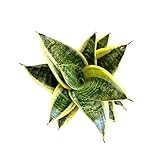
Additionally, this plant requires minimal watering, typically every 2–3 weeks depending on humidity. Overwatering is the most common issue, so well-draining soil is essential. It also improves indoor air quality by filtering toxins.
Finally, Snake Plant adapts well to bedrooms, offices, and hallways with little natural light. It grows slowly but steadily in darker areas. Its durability makes it ideal for beginners.
Pros:
• Very hardy
• Low water
• Air purifying
• Modern look
• Drought tolerant
• Pest resistant
• Easy care
Cons:
• Slow growth
• Sensitive roots
• Mildly toxic
2. ZZ Plant – Best Drought-Tolerant Shade Plant
To begin with, the ZZ Plant thrives in extremely low-light conditions, including rooms without windows. Its glossy leaves reflect light, brightening dark spaces naturally. It is highly drought-resistant due to its rhizome root system.
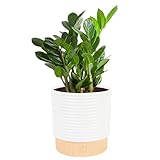
Moreover, it requires watering only when soil is completely dry. This makes it ideal for infrequent caretakers. It tolerates office lighting exceptionally well.
Finally, the ZZ Plant is known for its structural symmetry and slow growth. It can survive months in indirect or artificial light. This makes it perfect for dim entryways and corners.
Pros:
• Extremely hardy
• Low maintenance
• Drought resistant
• Glossy leaves
• Slow growing
• Office friendly
• Long lifespan
Cons:
• Toxic pets
• Slow spread
• Overwater risk
3. Peace Lily – Best Flowering Plant for Dark Areas
First, Peace Lily is one of the few flowering plants that tolerates low-light conditions. It produces elegant white blooms even in shaded corners. This makes it ideal for decorative appeal.

Additionally, Peace Lilies indicate watering needs clearly by drooping slightly. They prefer moist but not soggy soil. They also improve indoor air quality.
Finally, while flowering may reduce in extremely dark spaces, foliage remains attractive. It performs well under fluorescent lighting. Its lush leaves add softness to darker rooms.
Pros:
• White blooms
• Air purifier
• Shade tolerant
• Elegant foliage
• Moderate care
• Decorative value
• Compact size
Cons:
• Toxic pets
• Needs moisture
• Flower reduction
4. Pothos – Best Trailing Plant for Shadowed Corners
To start, Pothos thrives in low to moderate light and tolerates darker corners well. Its trailing vines make it ideal for shelves or hanging baskets. Variegated varieties may lose some pattern in deep shade.

Moreover, it adapts to irregular watering schedules. It grows quickly compared to other low-light plants. This makes it excellent for filling empty vertical spaces.
Finally, Pothos is widely regarded as beginner-friendly. It tolerates fluorescent office lighting. Its cascading growth softens harsh architectural corners.
Pros:
• Fast growing
• Trailing vines
• Low light
• Easy care
• Adaptable
• Decorative
• Versatile use
Cons:
• Toxic pets
• Leggy growth
• Variegation fade
5. Cast Iron Plant – Best Ultra-Tough Shade Plant
First, Cast Iron Plant lives up to its name by surviving neglect and deep shade. It thrives in low light and fluctuating temperatures. Its dark green leaves tolerate stress well.

Additionally, it requires minimal watering and occasional dusting. It grows slowly but steadily. It is ideal for north-facing rooms.
Finally, this plant is exceptionally resilient to environmental changes. It tolerates drafts and dry indoor air. It’s perfect for challenging indoor conditions.
Pros:
• Extremely tough
• Shade loving
• Low water
• Draft tolerant
• Long lifespan
• Minimal care
• Durable leaves
Cons:
• Slow growth
• Basic look
• Large leaves
6. Chinese Evergreen – Best Decorative Foliage for Low Light
First, Chinese Evergreen thrives in dim conditions while offering colorful leaf patterns. Its foliage ranges from green to silver and red tones. This adds visual interest to dark corners.
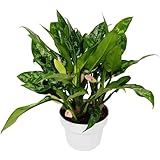
Moreover, it requires moderate watering and well-draining soil. It tolerates artificial lighting exceptionally well. Growth remains steady in shaded areas.
Finally, this plant balances beauty and resilience. It suits bedrooms, offices, and living rooms. It adapts well to varying humidity levels.
Pros:
• Colorful foliage
• Shade tolerant
• Easy care
• Moderate watering
• Decorative appeal
• Office friendly
• Compact growth
Cons:
• Toxic pets
• Slow growth
• Sensitive roots
7. Boston Fern – Best Lush Plant for Indirect Dark Corners
To begin with, Boston Fern prefers indirect light and high humidity. It thrives near shaded windows or softly lit rooms. Its feathery fronds create lush texture.

Additionally, it requires consistent moisture and misting. It performs well in bathrooms with limited light. Proper humidity enhances growth.
Finally, Boston Fern adds softness and fullness to dark corners. It requires slightly more care than others. However, its visual impact is significant.
Pros:
• Lush texture
• Indirect light
• Humidity lover
• Air purifier
• Decorative
• Classic look
• Fuller growth
Cons:
• High moisture
• Shedding leaves
• Extra care
8. Philodendron – Best Adaptable Indoor Shade Plant
First, Philodendron thrives in low-light conditions and adapts easily. It offers heart-shaped leaves and trailing varieties. It is ideal for shadowed shelves.
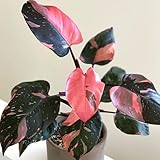
Moreover, it requires moderate watering. It tolerates artificial lighting well. Growth remains steady in dim areas.
Finally, Philodendrons are widely recommended for beginners. They balance resilience and beauty. Their versatility suits multiple interior styles.
Pros:
• Adaptable
• Easy care
• Low light
• Trailing option
• Decorative leaves
• Beginner friendly
• Fast growth
Cons:
• Toxic pets
• Needs trimming
• Overwater risk
9. Parlor Palm – Best Small Palm for Dim Rooms
First, Parlor Palm tolerates lower light better than most palm varieties. It adds tropical elegance to dark spaces. Its soft fronds brighten interiors.

Additionally, it requires moderate watering and indirect light. It adapts well to apartment living. Growth remains compact.
Finally, Parlor Palm is ideal for offices and bedrooms. It enhances air quality modestly. It is safe and manageable indoors.
Pros:
• Tropical look
• Compact size
• Low light
• Moderate care
• Decorative
• Apartment friendly
• Soft texture
Cons:
• Slow growth
• Sensitive roots
• Moderate watering
10. Spider Plant – Best Beginner-Friendly Dark Corner Plant
To start, Spider Plant tolerates indirect and low-light conditions effectively. It produces small offshoots that create visual interest. It grows well in hanging baskets.
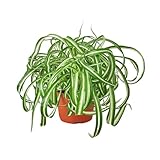
Moreover, it adapts to various watering schedules. It is resilient and forgiving. Artificial lighting supports healthy growth.
Finally, Spider Plant is excellent for beginners. It spreads easily and fills space quickly. Its striped leaves add brightness to darker areas.
Pros:
• Easy grow
• Fast spread
• Hanging option
• Low light
• Air purifier
• Beginner friendly
• Resilient
Cons:
• Needs trimming
• Brown tips
• Root bound
FAQs – Plants That Like Dark Corners
1. Can plants survive in rooms with no windows?
Yes, many shade-tolerant plants survive under artificial lighting.
2. How often should I water low-light plants?
Water less frequently since evaporation slows in darker areas.
3. Do dark corner plants grow slower?
Yes, growth typically slows in reduced light conditions.
4. Can flowering plants survive in dark corners?
Some, like Peace Lily, can bloom in low light but may flower less frequently.
5. Are low-light plants good for offices?
Yes, many thrive under fluorescent lighting.
6. Do dark corner plants purify air?
Several varieties offer modest air-purifying benefits.
7. What is the easiest plant for beginners?
Snake Plant and ZZ Plant are among the most beginner-friendly options.
Conclusion
In conclusion, selecting the best plants that like dark corners depends on your maintenance preferences and decorative goals. Snake Plant stands out as the best overall option due to its durability and minimal care requirements.
The runner-up is ZZ Plant because of its exceptional drought tolerance and ability to thrive in very low light. Both offer long-term reliability for dim indoor spaces.
Each plant listed above provides unique visual appeal and adaptability. Matching plant type to environment ensures optimal growth and longevity.
Choose one of these low-light champions today and transform your dark corners into vibrant, refreshing green spaces that elevate your interior design effortlessly.
"I'm a keen Horticulturist, passionate about home gardening, lawns, yards, and orchards. What's your favorite? Let's get to work!"
Recent Posts
The Best Electric Lawn Mower For Small Yard is an essential tool for homeowners seeking efficient, quiet, and eco-friendly lawn care. It delivers consistent performance while reducing maintenance and...
Best autumn plants for summer create stunning, long-lasting displays that transform any garden. Selecting the right varieties early ensures healthy growth, vibrant color, and extended bloom...