Creating a lively, bird-friendly landscape begins with choosing the best plants that attract birds in Florida. The right selection provides nectar, seeds, berries, and shelter that naturally draw colorful species into your yard.
Florida’s subtropical climate supports a wide diversity of birds, including hummingbirds, cardinals, and finches. Therefore, planting strategically ensures a steady flow of bird activity throughout the seasons.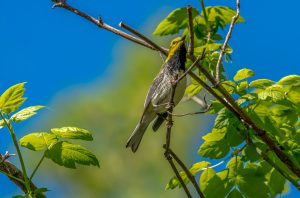
In fact, research indicates that native plant landscapes can attract up to three times more bird species compared to non-native gardens. This is largely because native plants support insects, which are a critical food source for birds.
In this guide, we will explore the best plants that attract birds in Florida, with detailed reviews, expert insights, and practical tips to help you build a thriving bird-friendly garden.
20 Best Plants That Attract Birds In Florida
1. Firebush (Hamelia patens) – Best Native Plant That Attracts Birds in Florida Yards
Firebush is one of the most reliable plants for attracting birds in Florida landscapes. It produces bright orange tubular flowers that are rich in nectar, which hummingbirds find irresistible. Additionally, it thrives in heat and poor soils, making it highly adaptable.
Moreover, Firebush develops small berries that attract cardinals and other fruit-eating birds. Its extended blooming season ensures a continuous food source for months. Therefore, it significantly increases bird activity in any yard.
Furthermore, this plant is drought-tolerant once established, reducing maintenance needs. It grows quickly and can be shaped easily with pruning. Overall, it is a top-tier option for bird-friendly gardens.
Pros:
• Nectar rich
• Bird magnet
• Drought tolerant
• Long bloom
• Easy grow
• Native plant
• Low care
Cons:
• Fast growth
• Needs pruning
• Space needed
2. Coral Honeysuckle (Lonicera sempervirens) – Best Flowering Vine for Hummingbirds in Florida
Coral Honeysuckle is a vibrant climbing vine that produces red tubular flowers. These blooms are specifically adapted to attract hummingbirds due to their nectar content. Additionally, it adds vertical interest to fences and trellises.
In addition, this plant provides shelter and nesting spots for birds. Its long blooming period ensures consistent feeding opportunities. Consequently, it is highly valued in bird-focused landscapes.
Also, Coral Honeysuckle is relatively low-maintenance and grows well in Florida conditions. It tolerates full sun and partial shade effectively. Overall, it is both functional and decorative.
Pros:
• Hummingbird favorite
• Climbing vine
• Long bloom
• Easy care
• Native option
• Decorative
• Pollinator friendly
Cons:
• Needs support
• Moderate spread
• Seasonal pruning
3. Cardinal Flower (Lobelia cardinalis) – Best Nectar Plant for Red Bird Attraction
Cardinal Flower is known for its striking red blooms that instantly attract hummingbirds. Its tubular flowers are perfectly shaped for nectar feeding. Therefore, it is ideal for bright, colorful bird attraction.
Moreover, it thrives in moist environments, making it perfect for ponds or shaded areas. It also supports pollinators, which indirectly attract birds. As a result, it boosts biodiversity in your garden.
Additionally, Cardinal Flower provides vivid seasonal color. Its bold appearance enhances landscape appeal while serving a functional role. Overall, it is a valuable addition to bird gardens.
Pros:
• Bright red
• Nectar rich
• Moist loving
• Pollinator friendly
• Eye catching
• Native plant
• Seasonal blooms
Cons:
• Needs water
• Short lifespan
• Heat sensitive
4. Sunflower (Helianthus spp.) – Best Seed Producing Plant for Backyard Birds
Sunflowers are a classic and highly effective choice for attracting birds. They produce seeds that are favored by finches, sparrows, and cardinals. Therefore, they are essential for seed-eating species.
In addition, sunflowers support insects that birds rely on for feeding their young. This makes them a dual-purpose plant for bird ecosystems. Consequently, they help sustain bird populations.
Also, they are easy to grow and thrive in full sun. Their tall, bright blooms enhance garden aesthetics significantly. Overall, they are practical and beneficial.
Pros:
• Seed rich
• Easy grow
• Tall plants
• Bird favorite
• Insect support
• Bright color
• Fast growth
Cons:
• Seasonal
• Needs space
• Can droop
5. Blazing Star (Liatris spp.) – Best Pollinator Plant for Bird Attraction in Florida
Blazing Star produces tall spikes of purple flowers that attract insects. Birds feed on these insects, especially during nesting season. Therefore, it plays a critical ecological role.
Moreover, it blooms later in the season when other plants fade. This ensures birds have food during less abundant periods. As a result, it supports year-round bird activity.
Additionally, it is drought-tolerant and requires minimal care. It performs well in natural and wildflower gardens. Overall, it is resilient and effective.
Pros:
• Pollinator rich
• Drought tolerant
• Tall spikes
• Late bloom
• Low care
• Native species
• Colorful
Cons:
• Seasonal bloom
• Needs sun
• Limited shade
6. Beautyberry (Callicarpa americana) – Best Berry Shrub for Colorful Birds in Florida
Beautyberry stands out with its vibrant purple berries that birds love. These berries attract species such as mockingbirds and robins. Therefore, it is ideal for fruit-eating birds.
Furthermore, its dense foliage provides shelter and nesting areas. Birds use it for protection and rest. Consequently, it supports both feeding and habitat needs.
Additionally, Beautyberry is easy to grow and adaptable. It thrives in Florida conditions with little effort. Overall, it is a highly functional shrub.
Pros:
• Berry rich
• Bird magnet
• Easy grow
• Shelter plant
• Native shrub
• Decorative
• Low care
Cons:
• Seasonal fruit
• Spreads fast
• Needs pruning
7. Black-Eyed Susan (Rudbeckia spp.) – Best Wildflower for Seed-Eating Birds
Black-Eyed Susan is a hardy wildflower that produces seeds birds enjoy. Finches and sparrows frequently visit these plants. Therefore, it is perfect for attracting small colorful birds.
In addition, it supports pollinators, which in turn attract birds. Its long blooming season ensures extended feeding opportunities. Consequently, it enhances biodiversity.
Also, it is easy to grow and thrives in sunny conditions. It requires minimal maintenance. Overall, it is ideal for beginners.
Pros:
• Seed source
• Easy grow
• Long bloom
• Bright flowers
• Low care
• Pollinator support
• Hardy
Cons:
• Short lived
• Spreads quickly
• Needs sun
8. Hibiscus (Hibiscus spp.) – Best Tropical Flower for Hummingbirds in Florida
Hibiscus is a tropical favorite known for its large, colorful blooms. These flowers provide abundant nectar for hummingbirds. Therefore, it is highly effective for bird attraction.
Moreover, many varieties thrive in Florida’s climate. They bloom throughout warm seasons, ensuring continuous feeding. As a result, hummingbirds visit regularly.
Additionally, hibiscus enhances landscape beauty significantly. It is both ornamental and functional. Overall, it is a valuable plant for bird gardens.
Pros:
• Nectar rich
• Tropical look
• Bright blooms
• Long season
• Easy grow
• Bird favorite
• Decorative
Cons:
• Needs care
• Pest prone
• Water needs
9. Goldenrod (Solidago spp.) – Best Late Season Plant for Bird Support
Goldenrod blooms late in the season when other plants stop flowering. It attracts insects that birds rely on for food. Therefore, it is essential for sustaining bird activity.
Additionally, it produces seeds that birds consume during migration periods. This makes it highly valuable for seasonal feeding. Consequently, it supports diverse species.
Also, it is drought-tolerant and easy to maintain. It thrives in natural conditions. Overall, it is a dependable plant.
Pros:
• Late bloom
• Seed source
• Drought tolerant
• Easy grow
• Native plant
• Insect support
• Reliable
Cons:
• Spreads fast
• Tall growth
• Needs control
10. Dogwood (Cornus florida) – Best Small Tree for Bird Habitat in Florida
Dogwood is a small tree that provides both food and shelter for birds. Its red berries are highly attractive to many species. Therefore, it supports a wide range of birds.
Moreover, it offers nesting sites and shade. Birds use it for resting and protection. As a result, it encourages long-term habitation.
Additionally, Dogwood adds seasonal beauty with flowers and foliage. It thrives in partial shade environments. Overall, it is an excellent landscape addition.
Pros:
• Berry rich
• Habitat tree
• Shade provider
• Decorative
• Bird favorite
• Multi season
• Native
Cons:
• Slow growth
• Disease risk
• Needs care
11. Lantana (Lantana camara) – Best Heat-Tolerant Flowering Plant for Attracting Colorful Birds in Florida
Lantana camara is a vibrant flowering plant known for its clusters of multicolored blooms. These flowers produce nectar that attracts hummingbirds and butterflies consistently. Additionally, it thrives in Florida’s hot and خشک conditions, making it highly resilient.
Moreover, this plant blooms almost year-round in warm climates, providing a continuous food source. Its bright colors naturally draw attention from birds seeking nectar. Therefore, it significantly boosts bird activity in gardens.
Furthermore, Lantana camara is low-maintenance and drought-tolerant once established. It grows well in containers or garden beds. Overall, it is an excellent choice for attracting colorful birds.
Pros:
• Heat tolerant
• Nectar rich
• Long bloom
• Easy grow
• Bright colors
• Bird magnet
• Low care
Cons:
• Toxic parts
• Spreads fast
• Needs pruning
12. Bottlebrush (Callistemon spp.) – Best Nectar Plant for Hummingbirds and Songbirds in Florida
Bottlebrush plants are known for their unique red, brush-like flowers. These blooms are packed with nectar, making them highly attractive to hummingbirds. Additionally, they add a striking visual element to landscapes.
In addition, Bottlebrush provides shelter and nesting areas for birds. Its long blooming period ensures consistent feeding opportunities. Consequently, it is a valuable addition to bird gardens.
Also, it thrives in warm climates and tolerates drought conditions. It is easy to maintain with occasional pruning. Overall, it is both functional and decorative.
Pros:
• Nectar rich
• Unique blooms
• Bird favorite
• Drought tolerant
• Easy care
• Decorative
• Long bloom
Cons:
• Needs pruning
• Space required
• Slow growth
13. Wax Myrtle (Myrica cerifera) – Best Native Shrub for Bird Shelter and Berries in Florida
Wax Myrtle is a native shrub that produces small berries birds love. These berries attract species like warblers and tree swallows. Therefore, it is ideal for berry-feeding birds.
Moreover, its dense foliage provides excellent shelter and nesting sites. Birds use it for protection from predators and weather. As a result, it supports bird survival and comfort.
Additionally, Wax Myrtle is adaptable and fast-growing. It thrives in various soil conditions. Overall, it is a practical and beneficial plant.
Pros:
• Berry rich
• Native shrub
• Fast growth
• Shelter plant
• Easy grow
• Adaptable
• Low care
Cons:
• Spreads fast
• Needs trimming
• Strong scent
14. Red Salvia (Salvia splendens) – Best Flower for Continuous Hummingbird Attraction in Florida
Red Salvia produces bright red flowers that hummingbirds cannot resist. Its nectar-rich blooms provide consistent feeding opportunities. Therefore, it is one of the best plants for attracting hummingbirds.
In addition, it blooms for long periods, especially in warm climates. This ensures birds return frequently. Consequently, it increases garden activity.
Also, it is easy to grow and works well in garden beds or containers. It thrives in full sun conditions. Overall, it is a reliable choice.
Pros:
• Bright red
• Nectar rich
• Long bloom
• Easy grow
• Compact size
• Bird favorite
• Low care
Cons:
• Seasonal
• Needs sun
• Short lifespan
15. Elderberry (Sambucus canadensis) – Best Fruit Plant for Attracting Flocking Birds in Florida
Elderberry produces clusters of dark berries that birds love. These berries attract large flocks of birds, including robins and bluebirds. Therefore, it is ideal for high bird activity.
Moreover, it provides shelter and nesting opportunities. Birds use its branches for protection and rest. As a result, it supports both feeding and habitat needs.
Additionally, it grows well in moist soils and spreads quickly. It is easy to maintain with proper pruning. Overall, it is highly effective.
Pros:
• Berry rich
• Flock attractor
• Fast growth
• Shelter plant
• Native option
• Easy grow
• High yield
Cons:
• Spreads fast
• Needs space
• Seasonal fruit
16. Coreopsis (Coreopsis spp.) – Best Florida Wildflower for Seed and Bird Attraction
Coreopsis is Florida’s state wildflower and produces seeds birds enjoy. Finches and sparrows frequently feed on these seeds. Therefore, it is excellent for attracting small birds.
In addition, it blooms brightly, supporting pollinators that birds rely on. Its long flowering period ensures continuous attraction. Consequently, it enhances biodiversity.
Also, it is drought-tolerant and easy to grow. It thrives in Florida’s sunny conditions. Overall, it is a beginner-friendly option.
Pros:
• Seed source
• Easy grow
• Bright blooms
• Long season
• Drought tolerant
• Native plant
• Low care
Cons:
• Short lived
• Needs sun
• Seasonal reseed
17. Fiddlewood (Citharexylum spinosum) – Best Fragrant Tree for Bird Habitat in Florida
Fiddlewood is a flowering tree with fragrant blooms that attract insects. Birds feed on these insects, especially during breeding seasons. Therefore, it plays a key ecological role.
Moreover, it produces small fruits that birds consume. Its dense canopy provides shelter and nesting sites. As a result, it supports long-term bird habitation.
Additionally, it grows well in warm climates and coastal areas. It requires moderate care. Overall, it is a valuable addition.
Pros:
• Fragrant blooms
• Fruit source
• Shelter tree
• Bird friendly
• Dense canopy
• Attractive
• Versatile
Cons:
• Needs space
• Moderate care
• Slow start
18. Passionflower (Passiflora incarnata) – Best Climbing Plant for Bird and Pollinator Support in Florida
Passionflower is a climbing vine with unique and striking blooms. It attracts insects that birds feed on. Therefore, it supports the bird food chain.
In addition, it produces fruit that some bird species consume. Its dense growth provides shelter and nesting areas. Consequently, it enhances habitat quality.
Also, it grows quickly and thrives in warm climates. It is suitable for trellises and fences. Overall, it is both functional and ornamental.
Pros:
• Fast growth
• Unique flowers
• Pollinator support
• Fruit source
• Climbing vine
• Bird friendly
• Decorative
Cons:
• Spreads fast
• Needs support
• Pruning needed
19. American Holly (Ilex opaca) – Best Evergreen Tree for Winter Bird Attraction in Florida
American Holly is an evergreen tree that produces bright red berries. These berries are essential for birds during winter. Therefore, it supports year-round feeding.
Moreover, its dense foliage provides shelter from harsh weather. Birds use it for nesting and protection. As a result, it enhances bird survival.
Additionally, it adds year-round beauty to landscapes. It thrives in partial shade conditions. Overall, it is a dependable plant.
Pros:
• Evergreen
• Berry rich
• Winter food
• Shelter plant
• Decorative
• Long lasting
• Bird favorite
Cons:
• Slow growth
• Needs care
• Sharp leaves
20. Muhly Grass (Muhlenbergia capillaris) – Best Ornamental Grass for Seed-Eating Birds in Florida
Muhly Grass is an ornamental grass that produces seeds birds consume. Finches and sparrows are especially attracted to it. Therefore, it is ideal for seed-eating birds.
In addition, it provides shelter and nesting materials. Its soft texture makes it useful for bird habitats. Consequently, it supports both feeding and nesting.
Also, it is drought-tolerant and low-maintenance. It thrives in Florida’s sandy soils. Overall, it is a versatile and attractive plant.
Pros:
• Seed source
• Low care
• Drought tolerant
• Ornamental
• Soft texture
• Bird friendly
• Easy grow
Cons:
• Seasonal seeds
• Needs sun
• Limited height
Plants That Attract Butterflies In Florida FAQs
1. What plants attract the most birds in Florida?
Plants with nectar, berries, and seeds such as firebush, sunflower, and beautyberry attract the most birds.
2. Are native plants better for attracting birds?
Yes, native plants support local ecosystems and provide natural food sources for birds.
3. How do I attract hummingbirds specifically?
Use nectar-rich plants like hibiscus, coral honeysuckle, and cardinal flower.
4. Do birds need shelter as well as food?
Yes, birds require plants that provide nesting areas and protection from predators.
5. How many plants should I grow?
Planting multiple varieties increases the chances of attracting diverse bird species.
6. Do these plants require a lot of maintenance?
Most are low-maintenance, especially native species adapted to Florida’s climate.
7. Can I attract birds year-round?
Yes, by combining plants that bloom and fruit in different seasons.
Conclusion
In conclusion, selecting the best plant such as Firebush ensures maximum bird attraction due to its nectar and berries, while the runner-up Coral Honeysuckle excels in attracting hummingbirds with its long-lasting blooms. These two stand out because they provide consistent food sources and thrive in Florida’s climate.
Each plant reviewed offers unique advantages, from nectar-rich flowers to seed-producing blooms and berry-filled shrubs. Therefore, combining different types creates a balanced and effective bird habitat.
By focusing on native and adaptable plants, you can significantly increase bird diversity in your garden. Additionally, these plants require less maintenance and perform well year-round.
Start planting today and transform your outdoor space into a vibrant sanctuary filled with colorful birds and natural beauty.
Recent Posts
Designing a vibrant garden begins with selecting the best plants that attract butterflies in Florida. These plants provide nectar, host foliage, and shelter that support butterfly life cycles from...
Bird lovers everywhere understand that choosing the best bird food to attract colorful birds can transform any outdoor space into a vibrant sanctuary. The right blend of seeds, fruits, and nutrients...