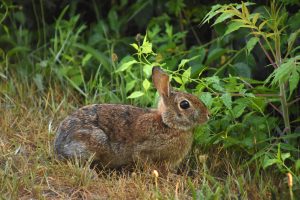
Rabbits can be a major nuisance in gardens, chewing on tender shoots and ornamental plants. Selecting the best plants rabbits will not eat is a natural way to protect your garden without resorting to chemicals or fences.
Certain plants contain strong scents, bitter compounds, or tough textures that rabbits find unappealing. Incorporating these species strategically reduces damage while maintaining garden aesthetics and biodiversity.
Many rabbit-resistant plants are perennials, evergreen shrubs, or aromatic herbs that thrive in various climates. They require minimal maintenance while providing flowers, foliage, and habitat for pollinators.
In this guide, we explore the 10 best plants rabbits will not eat, highlighting growth habits, care requirements, and natural deterrent properties. You’ll gain practical insights to create a beautiful, rabbit-proof garden that flourishes all year.
10 Best Plants Rabbits Will Not Eat
1. Lavender – Best Aromatic Rabbit-Resistant Plant
Beginners will find lavender easy to grow and highly effective against rabbits. Its fragrant oils naturally repel wildlife while adding ornamental appeal. Lavender grows up to 3 feet tall in sunny, well-drained soil.
Plant lavender along borders or near vegetables to deter rabbits. Regular pruning encourages bushier growth and enhances aroma. Its purple blooms attract bees and other pollinators.
Gardeners report significantly reduced rabbit activity around lavender. The perennial is drought-tolerant and low-maintenance. Overall, lavender combines beauty, durability, and rabbit resistance.
Pros:
• Aromatic
• Drought-tolerant
• Pollinator-friendly
• Low-maintenance
• Bushy growth
• Full sun
• Year-round blooms
Cons:
• Slow start
• Needs pruning
• Sensitive soil
2. Rosemary – Best Evergreen Rabbit-Repelling Shrub
Rosemary is ideal for evergreen coverage and rabbit resistance. Its strong scent discourages rabbits while thriving in sunny, well-drained soil. Rosemary can grow 3–4 feet tall, providing natural barriers.
Use along garden edges or near high-value plants for protection. Pruning encourages denser growth and stronger aroma. It is also edible, adding culinary versatility.
Gardeners notice fewer rabbits around rosemary. Evergreen foliage provides year-round protection. Overall, rosemary balances aesthetics and practicality.
Pros:
• Evergreen
• Aromatic
• Culinary use
• Low maintenance
• Bushy growth
• Tall structure
• Drought-tolerant
Cons:
• Slow growth
• Needs full sun
• Overwatering risk
3. Sage – Best Aromatic Perennial
Sage repels rabbits naturally with its aromatic oils. It grows 2–3 feet tall and prefers full sun with well-drained soil. Flowers attract pollinators, adding ecological benefits.
Plant near vegetable beds or along borders to discourage nibbling. Regular pruning encourages denser growth. It is hardy and requires minimal care.
Gardeners find sage effective for rabbit control. It adds both ornamental value and functionality. Overall, sage is practical and beautiful.
Pros:
• Aromatic foliage
• Pollinator-friendly
• Hardy perennial
• Low maintenance
• Bushy growth
• Drought-tolerant
• Decorative blooms
Cons:
• Needs sun
• Slow growth
• Sensitive soil
4. Catmint – Best Low-Maintenance Barrier
Catmint is excellent for low-maintenance, rabbit-resistant gardens. Its scent deters rabbits, and its purple flowers attract pollinators. Catmint grows 1–2 feet tall in sunny locations.
Plant as a border or mass planting to reduce rabbit damage. Pruning encourages bushier growth and stronger aroma. Long flowering adds ornamental appeal.
Gardeners notice reduced rabbit activity near catmint. It’s drought-tolerant and easy to maintain. Overall, catmint is functional and attractive.
Pros:
• Aromatic
• Pollinator-friendly
• Drought-tolerant
• Low-maintenance
• Compact growth
• Bushy
• Long flowering
Cons:
• Short bloom
• Needs sun
• Susceptible to rot
5. Marigold – Best Colorful Deterrent
Marigolds are vibrant flowers that rabbits avoid. Their leaves emit scents unappealing to wildlife. Blooms last from spring to frost, offering continuous color.
Plant around vegetables or borders for protection. Deadheading promotes longer flowering. Full sun and moderate soil fertility ensure healthy growth.
Gardeners report fewer rabbits near marigolds. The flowers also attract beneficial insects. Overall, marigolds are both practical and ornamental.
Pros:
• Vibrant blooms
• Easy care
• Pest deterrent
• Long flowering
• Pollinator-friendly
• Full sun
• Compact
Cons:
• Deadheading required
• Sensitive frost
• Short-lived
6. Lavender Cotton (Santolina) – Best Compact Barrier
Lavender Cotton is aromatic and dense, discouraging rabbits. Its silvery foliage adds ornamental value. Grows 1–2 feet tall in dry, sunny conditions.
Plant along garden paths or edges. Drought tolerance ensures minimal care. Dense foliage creates a natural rabbit barrier.
Gardeners notice fewer intrusions near lavender cotton. Compact growth is ideal for small gardens. Overall, it’s functional and decorative.
Pros:
• Aromatic
• Compact
• Drought-tolerant
• Silver foliage
• Hardy
• Low maintenance
• Dense growth
Cons:
• Slow start
• Needs sun
• Short bloom
7. Fennel – Best Tall Barrier
Fennel deters rabbits with aromatic leaves. It grows 4–6 feet tall, adding height to borders. Prefers sunny, well-drained locations.
Use as a screen or tall border to protect smaller plants. Cutting encourages strong aroma. Flowers attract pollinators, benefiting the garden ecosystem.
Gardeners report reduced rabbit activity near fennel. Height adds visual and functional value. Overall, fennel is effective and ornamental.
Pros:
• Tall growth
• Aromatic
• Pollinator-friendly
• Hardy
• Low maintenance
• Decorative
• Drought-tolerant
Cons:
• Spreads aggressively
• Needs sun
• Self-seeds
8. Prostrate Rosemary – Best Low-Growing Barrier
Prostrate rosemary spreads low to create natural protection. Its aromatic leaves deter rabbits while evergreen foliage adds coverage. Grows 6–12 inches tall in sunny areas.
Ideal for groundcover, paths, or under trees. Pruning encourages denser growth. Evergreen leaves ensure year-round deterrence.
Gardeners notice fewer rabbits nearby. Compact growth suits small or large gardens. Overall, functional and decorative.
Pros:
• Evergreen
• Aromatic
• Groundcover
• Dense
• Low-maintenance
• Year-round
• Drought-tolerant
Cons:
• Slow start
• Needs sun
• Sensitive frost
9. Thyme – Best Aromatic Groundcover
Thyme is low-growing and aromatic, deterring rabbits naturally. It grows 6–12 inches tall, attracting pollinators with small flowers. Suitable for borders or containers.
Plant along vegetable beds for protection. Regular harvesting promotes bushy growth. Compact size makes thyme ideal for small gardens.
Gardeners report reduced rabbit damage near thyme. Culinary and ornamental uses add versatility. Overall, thyme is practical and effective.
Pros:
• Aromatic
• Compact
• Pollinator-friendly
• Culinary
• Evergreen
• Hardy
• Low-maintenance
Cons:
• Needs sun
• Slow growth
• Sensitive soil
10. Catmint Walker’s Low – Best Hardy Barrier
Catmint Walker’s Low grows dense foliage that repels rabbits. Purple-blue flowers attract pollinators. Grows 12–18 inches tall and spreads in sunny areas.
Ideal for borders, containers, or mass planting. Pruning encourages bushier growth and stronger scent. Drought-tolerant and hardy, it suits low-maintenance gardens.
Homeowners notice fewer rabbits nearby. Hardiness makes it suitable for multiple climates. Overall, it’s a practical, ornamental solution.
Pros:
• Hardy
• Aromatic
• Drought-tolerant
• Pollinator-friendly
• Low-maintenance
• Compact
• Long flowering
Cons:
• Needs sun
• Can spread
• Short bloom
Plants Rabbits Will Not Eat FAQs
1. Do rabbits avoid all aromatic plants?
Not all aromatic plants repel rabbits. Lavender, rosemary, and sage are proven deterrents.
2. Can I plant multiple rabbit-resistant species together?
Yes, combining species increases protection and adds aesthetic diversity.
3. How fast do these plants repel rabbits?
Established plants deter rabbits immediately; young plants may take a few months.
4. Are these plants safe for pets?
Most are safe, but check for toxicity before planting.
5. Do they require full sun?
Many prefer full sun; some tolerate partial shade.
6. Can they grow in containers?
Yes, herbs and compact perennials grow well in pots.
7. Do rabbits adapt to these plants?
Rabbits rarely adapt; combining strategies ensures consistent protection.
Conclusion
In conclusion, the best plants rabbits will not eat protect gardens naturally without chemicals. Lavender and rosemary are top choices for fragrance and year-round defense.
Sage, catmint, and marigolds provide both ornamental appeal and practical deterrence. Fennel and prostrate rosemary add height and groundcover solutions.
Thyme and Catmint Walker’s Low are ideal for compact and hardy protection. Combining multiple species maximizes garden safety and beauty.
Plant these rabbit-resistant varieties today to maintain a thriving, pest-free garden. Protect your investment and enjoy a lush, beautiful landscape all year.
Recent Posts
Central Texas gardens face unique challenges due to hot summers, occasional drought, and variable soil conditions. Selecting the best plants for Central Texas ensures a vibrant, resilient landscape...
Choosing the best plants for Florida patio ensures a thriving, vibrant space that can withstand these conditions while adding beauty and comfort.Florida patios offer a unique environment for...