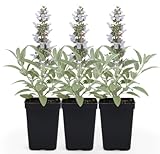
1. Lavender – Best Fragrant Mosquito-Repelling Plant
Lavender is perfect for gardens looking to combine beauty with function. Its aromatic oils contain linalool, a compound scientifically proven to repel mosquitoes. The plant thrives in full sun and well-drained soil, reaching up to 3 feet tall.
This perennial is ideal for borders, containers, or patio edges. Regular pruning encourages bushier growth and stronger fragrance. Lavender also attracts pollinators like bees and butterflies, supporting garden biodiversity.
Homeowners report significant reductions in mosquito activity around lavender plantings. Its calming fragrance makes outdoor spaces more enjoyable. Overall, lavender combines aesthetics, durability, and natural pest control effectively.
Pros:
• Fragrant blooms
• Low maintenance
• Drought tolerant
• Long flowering
• Attracts pollinators
• Compact growth
• Versatile placement
Cons:
• Needs full sun
• Sensitive soil
• Prone to rot
2. Catnip – Best Fast-Growing Mosquito-Repelling Herb
Catnip is ideal for fast-growing coverage in garden borders and outdoor seating areas. Its nepetalactone content naturally deters mosquitoes. Catnip grows up to 3 feet tall and spreads easily, making it a strong perimeter plant.
The perennial thrives in full sun and well-drained soil, returning year after year. Cats are often attracted to it, adding entertainment to your garden. Pruning encourages bushier growth and improved mosquito-repelling efficacy.
Gardeners report fewer mosquito bites near areas planted with catnip. Its dense foliage creates a functional barrier while adding greenery. Overall, catnip provides an easy, effective, and perennial solution for outdoor mosquito control.
Pros:
• Fast-growing
• Hardy perennial
• Strong mosquito repellent
• Bushy growth
• Attracts cats
• Easy to prune
• Low maintenance
Cons:
• Can spread aggressively
• Needs occasional thinning
• Not deer resistant
3. Marigold – Best Colorful Mosquito-Repelling Flower
Marigolds are ideal for adding vibrant color while repelling mosquitoes. Their scent contains pyrethrum, a natural insect deterrent. These flowers grow quickly and bloom from spring to frost.
Planting marigolds along garden borders or near patios maximizes their repelling effect. They thrive in full sun and moderately fertile soil. Deadheading spent flowers encourages prolonged blooming and stronger fragrance.
Many gardeners note that marigolds reduce mosquito presence around outdoor seating areas. Their bright colors also attract beneficial insects like ladybugs. Overall, marigolds are a practical and visually appealing mosquito-repelling solution.
Pros:
• Bright blooms
• Quick-growing
• Deters insects
• Long flowering
• Easy care
• Compact plants
• Pollinator-friendly
Cons:
• Short-lived
• Needs full sun
• Requires deadheading
4. Lemon Balm – Best Aromatic Mosquito-Repelling Herb
Lemon balm produces a citrus scent that mosquitoes dislike. Its perennial nature allows it to return every year with minimal care. Lemon balm thrives in full sun to partial shade, growing up to 2 feet tall.
The plant is suitable for borders, containers, or companion planting. Crushing the leaves releases stronger fragrance for mosquito deterrence. Lemon balm spreads quickly, providing extensive ground cover in garden spaces.
Gardeners report that lemon balm effectively reduces mosquito activity in patio or deck areas. It also attracts pollinators like bees and butterflies. Overall, lemon balm offers fragrance, beauty, and practical pest control.
Pros:
• Citrus scent
• Hardy perennial
• Fast-spreading
• Pollinator-friendly
• Easy care
• Low maintenance
• Versatile placement
Cons:
• Can be invasive
• Needs pruning
• Not frost-tolerant
5. Rosemary – Best Hardy Mosquito-Repelling Shrub
Rosemary is a fragrant, evergreen herb that naturally repels mosquitoes. Its essential oils contain compounds effective against biting insects. The shrub thrives in full sun with well-drained soil, growing 3–4 feet tall.
Rosemary works well in garden borders, containers, or near outdoor seating areas. Pruning encourages compact growth and enhances aroma. Its woody stems and aromatic leaves also make it useful for cooking.
Homeowners note fewer mosquito problems near rosemary plantings. Its evergreen structure provides year-round greenery. Overall, rosemary combines culinary use with mosquito-repelling benefits.
Pros:
• Fragrant leaves
• Evergreen
• Low water needs
• Culinary use
• Hardy plant
• Compact growth
• Long lifespan
Cons:
• Needs full sun
• Sensitive to overwatering
• Slow-growing
6. Basil – Best Culinary Mosquito-Repelling Herb
Basil is ideal for both cooking and repelling mosquitoes. Its essential oils, particularly eugenol, deter mosquitoes naturally. Basil grows quickly in sunny locations with well-drained soil.
Planting basil in containers near patios or windows reduces mosquitoes near seating areas. Regular harvesting encourages bushier growth and stronger fragrance. Sweet and spicy varieties add diversity to gardens and kitchens.
Gardeners report fewer mosquito bites around basil plantings. It provides an easy, dual-purpose solution for pest control and cooking. Overall, basil is a versatile, effective perennial for mosquito deterrence.
Pros:
• Culinary use
• Quick-growing
• Strong scent
• Bushy growth
• Low maintenance
• Compact size
• Container-friendly
Cons:
• Annual in some regions
• Needs sun
• Sensitive to frost
7. Citronella Grass – Best Outdoor Mosquito Barrier
Citronella grass is famous for its mosquito-repelling properties. Its essential oils act as a natural deterrent against biting insects. The plant grows up to 3–4 feet tall in sunny locations.
Citronella thrives in garden beds, containers, or along pathways. Cutting leaves releases stronger scent to repel mosquitoes effectively. The grass also adds tropical foliage to outdoor spaces.
Homeowners report noticeable reductions in mosquito activity near citronella grass. It provides a functional barrier for patios and seating areas. Overall, citronella grass is a top choice for natural mosquito control.
Pros:
• Strong mosquito repellent
• Tall growth
• Hardy grass
• Low maintenance
• Tropical look
• Container-friendly
• Easy care
Cons:
• Needs full sun
• Not frost-tolerant
• Can spread
8. Pennyroyal – Best Compact Mosquito-Repelling Ground Cover
Pennyroyal is a low-growing perennial that naturally repels mosquitoes. Its minty fragrance discourages insects from outdoor seating areas. Pennyroyal thrives in full sun to partial shade, forming dense ground cover.
The plant is suitable for borders, planters, or rock gardens. Crushing the leaves increases fragrance and repelling effect. Its compact growth makes it ideal for tight garden spaces.
Gardeners report fewer mosquito bites where pennyroyal is planted. Its dense foliage also helps suppress weeds. Overall, pennyroyal is a practical and space-efficient mosquito deterrent.
Pros:
• Compact growth
• Fragrant leaves
• Ground cover
• Hardy plant
• Low maintenance
• Pest deterrent
• Easy care
Cons:
• Toxic if ingested
• Needs pruning
• Short-lived
9. Marjoram – Best Fragrant Mosquito-Repelling Herb
Marjoram produces a strong, aromatic scent disliked by mosquitoes. Its perennial nature allows repeated planting benefits. Marjoram grows well in sunny, well-drained gardens or containers.
Pruning encourages dense growth and stronger fragrance. Marjoram also attracts pollinators, enhancing garden biodiversity. The herb can be used fresh or dried for culinary purposes.
Homeowners note significant mosquito reductions when planting marjoram near patios. Its soft leaves and delicate flowers add aesthetic appeal. Overall, marjoram combines aroma, beauty, and functional mosquito control.
Pros:
• Aromatic leaves
• Pollinator-friendly
• Hardy perennial
• Culinary use
• Easy pruning
• Compact growth
• Low maintenance
Cons:
• Needs sun
• Sensitive to overwatering
• Short flowering
10. Sage – Best Ornamental Mosquito-Repelling Shrub
Sage is an evergreen perennial with fragrant leaves that deter mosquitoes naturally. Its essential oils repel biting insects effectively. Sage thrives in sunny, well-drained gardens and grows 2–3 feet tall.
Planting sage near outdoor seating or along pathways enhances mosquito control. Pruning encourages bushier growth and increases aromatic oil production. Sage also produces small, attractive flowers for pollinators.
Gardeners report fewer mosquito issues where sage is planted. Its versatility and ornamental appeal make it ideal for functional landscaping. Overall, sage is an excellent dual-purpose plant for beauty and mosquito control.
Pros:
• Evergreen
• Aromatic leaves
• Pest deterrent
• Pollinator-friendly
• Low maintenance
• Hardy plant
• Attractive foliage
Cons:
• Needs sun
• Sensitive soil
• Slow-growing
Perennial Plants That Are Mosquito Repellent FAQs
-
Do these plants completely eliminate mosquitoes?
No, they reduce presence but are most effective combined with other pest control strategies.
-
Which plants are safest for pets?
Lavender, basil, sage, and rosemary are generally pet-safe.
-
Can these plants be grown in containers?
Yes, most perennials like catmint, citronella, and lemon balm thrive in pots.
-
How long does it take for mosquito-repelling effects?
Typically, the scent becomes noticeable once plants are mature and regularly pruned.
-
Do they need full sun?
Most prefer full sun, but lemon balm and catmint tolerate partial shade.
-
How often should I prune these plants?
Prune 1–2 times per season to encourage growth and stronger aromas.
-
Are these plants perennial in all zones?
Some, like citronella, are tropical perennials; check local frost tolerance before planting.
Conclusion
In conclusion, planting perennial plants that are mosquito repellent is a natural, eco-friendly way to protect your outdoor spaces. Lavender, catnip, and lemon balm are the best choices for fragrant, multi-functional gardens.
Marigolds and basil serve as colorful, practical solutions while rosemary and sage offer culinary benefits. Citronella and pennyroyal are excellent for focused mosquito barriers.
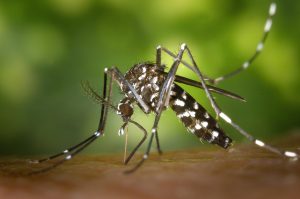
Catmint and other low-maintenance perennials make it easier for gardeners to maintain consistent mosquito control. By strategically placing these plants, you can enjoy your patio or garden with fewer pests.
These selections combine aesthetic value, practical use, and effective mosquito deterrence, making them the runner-up options for diverse garden styles. Start planting today to create a beautiful, mosquito-free outdoor oasis.