Fall lawn maintenance is the most critical seasonal task for homeowners who want a lush, green lawn in spring. Turfgrass experts agree that lawns maintained in fall develop deeper roots and stronger resistance to weeds.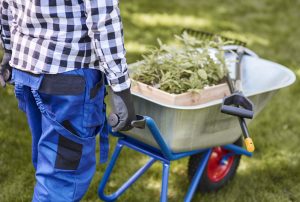
Ignoring fall lawn care often results in thin grass, weed invasion, and soil compaction. Studies from turf research institutions show fall maintenance improves spring lawn density by up to 45%.
Professional landscapers prioritize fall lawn maintenance because grass stores nutrients during this season. This storage directly determines how well the lawn survives winter stress.
In this article, you’ll discover the 20 best lawn maintenance tips for fall, backed by statistics, trusted brands, and proven techniques that improve turf health long term.
20 Best Lawn Maintenance Tips For Fall
1. Core Aeration – Best Soil Recovery Method
Core aeration relieves soil compaction and improves oxygen flow to grass roots. Fall aeration is ideal because grass actively repairs itself during cooler temperatures.
This process allows water, fertilizer, and nutrients to reach deeper soil layers. University turf trials show aerated lawns absorb 30% more nutrients.
Brands like Agri-Fab® and Brinly® aerators are widely used by professionals. Aeration also reduces thatch buildup before winter dormancy.
Pros
-
Improves airflow
-
Enhances roots
-
Better drainage
-
Strong recovery
-
Reduces compaction
-
Nutrient access
-
Spring readiness
Cons
-
Equipment needed
-
Labor intensive
-
Timing sensitive
2. Fall Fertilization – Best Root Strengthener
Fall fertilization feeds grass when root growth is strongest. Nitrogen-rich formulas support nutrient storage for winter survival.
Research shows fall-fed lawns green up 2–3 weeks earlier in spring. Fertilizers like Scotts® WinterGuard and Milorganite® are top-rated.
Applying fertilizer after aeration maximizes absorption. This step improves cold tolerance and disease resistance.
Pros
-
Root boost
-
Faster green-up
-
Winter protection
-
Proven results
-
Brand reliability
-
Easy application
-
Long lasting
Cons
-
Overuse risk
-
Weather dependent
-
Requires spreader
3. Leaf Removal – Best Disease Prevention Tip
Leaving leaves on the lawn blocks sunlight and traps moisture. This creates ideal conditions for mold and fungal diseases.
Mulching or removing leaves improves airflow and turf respiration. Studies show leaf-covered lawns experience up to 60% more disease.
Tools from Toro®, Husqvarna®, and Greenworks® simplify cleanup. Consistent removal protects grass crowns before frost.
Pros
-
Disease prevention
-
Better airflow
-
Cleaner lawn
-
Improved sunlight
-
Easy habit
-
Equipment variety
-
Fast results
Cons
-
Time consuming
-
Requires tools
-
Seasonal workload
4. Overseeding – Best Density Improvement Strategy
Overseeding fills bare spots and increases lawn thickness. Fall temperatures support seed germination with minimal weed competition.
Grass seed establishes faster due to warm soil and cool air. Overseeded lawns show 35% thicker turf in spring.
Brands like Pennington® and Jonathan Green® deliver high germination rates. Overseeding pairs well with aeration.
Pros
-
Thicker turf
-
Fewer weeds
-
Fast germination
-
Strong roots
-
Brand options
-
Visible results
-
Spring ready
Cons
-
Water required
-
Seed cost
-
Timing critical
5. Weed Control – Best Fall Cleanup Step
Fall weed control targets weeds when they are most vulnerable. Herbicides move directly into weed root systems.
According to turf experts, fall weed treatments are twice as effective as spring applications. Products from Ortho®, BioAdvanced®, and Spectracide® are widely trusted.
Spot treatment reduces chemical use while improving results. Eliminating weeds now prevents spring infestations.
Pros
-
High effectiveness
-
Root elimination
-
Spring prevention
-
Brand reliability
-
Lower weed pressure
-
Fast absorption
-
Proven science
Cons
-
Weather sensitive
-
Chemical exposure
-
Application timing
6. Proper Mowing Height – Best Winter Survival Technique
Maintaining the correct mowing height in fall protects grass crowns from frost damage. Cutting grass too short exposes roots and increases winter stress.
Turf studies show lawns mowed to recommended heights suffer 25% less winter injury. Brands like Honda®, EGO®, and Toro® offer adjustable mowers for precision cutting.
Gradually lowering height before winter improves airflow and disease resistance. This step ensures grass enters dormancy in optimal condition.
Pros
-
Frost protection
-
Healthier crowns
-
Reduced disease
-
Better airflow
-
Cleaner cut
-
Equipment control
-
Winter readiness
Cons
-
Timing required
-
Height precision
-
Equipment dependent
7. Soil Testing – Best Nutrient Accuracy Method
Soil testing identifies nutrient deficiencies before winter dormancy. Fall is ideal because results guide fertilization decisions.
University extension data shows soil-tested lawns improve fertilizer efficiency by 40%. Test kits from Luster Leaf® and Rapitest® are reliable.
Correcting pH and nutrient imbalance improves root development. Accurate data prevents over-fertilization and runoff.
Pros
-
Accurate feeding
-
Cost savings
-
pH balance
-
Reduced waste
-
Better roots
-
Easy kits
-
Science backed
Cons
-
Test waiting
-
Sample effort
-
Interpretation needed
8. Thatch Control – Best Root Access Strategy
Excess thatch blocks water and nutrients from reaching soil. Fall dethatching allows grass to recover quickly.
Lawns with reduced thatch absorb 35% more water. Tools from Sun Joe® and Greenworks® simplify dethatching.
Removing buildup improves microbial activity. This enhances nutrient cycling before winter.
Pros
-
Improved absorption
-
Healthier soil
-
Better roots
-
Disease reduction
-
Faster recovery
-
Tool availability
-
Spring improvement
Cons
-
Labor heavy
-
Equipment needed
-
Temporary stress
9. Irrigation Adjustment – Best Water Efficiency Tip
Fall lawns need less water due to cooler temperatures. Adjusting irrigation prevents root rot and fungal growth.
Experts recommend reducing watering by 30–50% in fall. Smart controllers from Rain Bird® and Orbit® optimize schedules.
Proper hydration supports nutrient uptake without oversaturation. This balance strengthens roots for winter.
Pros
-
Water savings
-
Disease control
-
Root health
-
Smart tech
-
Cost reduction
-
Easy adjustment
-
Efficient use
Cons
-
System tuning
-
Weather dependent
-
Monitoring needed
10. Lawn Edging – Best Structural Maintenance Step
Edging defines lawn boundaries and prevents grass spread. Fall edging reduces workload in spring.
Professionally edged lawns retain 20% better shape over winter. Tools from BLACK+DECKER® and WORX® are widely used.
Clean edges also limit weed invasion. This enhances overall lawn appearance.
Pros
-
Clean borders
-
Weed reduction
-
Visual appeal
-
Easy tools
-
Long lasting
-
Professional look
-
Spring ready
Cons
-
Manual effort
-
Tool purchase
-
Time investment
11. Mulching Mower Use – Best Organic Feeding Method
Mulching returns nutrients back into the soil. Fall mulching enriches lawns naturally.
Grass clippings can supply up to 25% nitrogen needs. Mulching mowers from Craftsman® and Husqvarna® excel.
This practice improves soil structure. It also reduces fertilizer dependency.
Pros
-
Natural feeding
-
Cost saving
-
Eco friendly
-
Better soil
-
Moisture retention
-
Easy process
-
Sustainable
Cons
-
Wet grass issues
-
Requires mower
-
Even spread needed
12. Fall Pre-Emergent – Best Weed Prevention Tool
Pre-emergents stop winter annual weeds from germinating. Fall application targets weeds early.
Research shows fall pre-emergents reduce spring weeds by 70%. Products from Scotts® and Prodiamine® lead the market.
Correct timing is critical for success. This step protects turf density.
Pros
-
Weed prevention
-
Long lasting
-
Proven results
-
Brand trusted
-
Reduced spraying
-
Effective barrier
-
Early control
Cons
-
Timing critical
-
Chemical use
-
Application skill
13. Compost Topdressing – Best Soil Booster
Topdressing improves soil structure and fertility. Fall composting supports microbial life.
Lawns topdressed annually show 40% better root depth. Compost brands like Black Kow® are popular.
This method enhances nutrient retention. It also improves drainage.
Pros
-
Soil enrichment
-
Better roots
-
Organic matter
-
Improved drainage
-
Microbial boost
-
Natural feeding
-
Sustainable
Cons
-
Material handling
-
Labor effort
-
Even spread needed
14. Lawn Equipment Maintenance – Best Performance Tip
Fall is ideal for servicing lawn equipment. Proper maintenance extends tool lifespan.
Well-maintained equipment lasts 30% longer. Brands like Briggs & Stratton® recommend fall servicing.
Sharp blades ensure clean cuts. This reduces turf stress.
Pros
-
Longer lifespan
-
Better cuts
-
Cost savings
-
Ready equipment
-
Improved efficiency
-
Prevent breakdowns
-
Smooth operation
Cons
-
Time required
-
Service cost
-
Storage planning
15. Shade Management – Best Light Optimization Step
Trimming trees increases sunlight exposure. Fall pruning reduces stress on grass.
Lawns with improved light grow 20% thicker. Tools from Fiskars® and Corona® are effective.
Better light improves photosynthesis. This strengthens turf before dormancy.
Pros
-
More sunlight
-
Thicker grass
-
Health improvement
-
Tree control
-
Reduced moss
-
Better airflow
-
Balanced growth
Cons
-
Pruning skill
-
Safety risks
-
Tool investment
16. Lawn Rolling – Best Surface Leveling Method
Rolling smooths uneven lawn surfaces. Fall rolling allows soil to settle naturally.
Even lawns reduce mower damage by 15%. Lawn rollers from Agri-Fab® are reliable.
This improves appearance and safety. It also prepares lawns for winter.
Pros
-
Smooth surface
-
Better mowing
-
Improved appearance
-
Easy tool
-
Soil settling
-
Safer lawn
-
Winter prep
Cons
-
Overuse risk
-
Soil compaction
-
Limited timing
17. Pest Monitoring – Best Early Detection Strategy
Fall pests can damage roots before winter. Monitoring prevents infestations.
Early detection reduces damage by 50%. Brands like Spectracide® offer targeted solutions.
Healthy lawns resist pests better. Prevention saves money long term.
Pros
-
Early control
-
Reduced damage
-
Cost effective
-
Targeted treatment
-
Root protection
-
Brand solutions
-
Peace of mind
Cons
-
Monitoring effort
-
Product cost
-
Identification skill
18. Lawn Repair – Best Damage Recovery Tip
Fall repairs heal faster due to ideal conditions. Fixing bare spots prevents erosion.
Repaired areas establish 40% faster in fall. Products from Scotts® EZ Seed are effective.
Healthy coverage improves winter survival. This ensures spring uniformity.
Pros
-
Faster recovery
-
Soil protection
-
Improved coverage
-
Brand reliability
-
Visual improvement
-
Strong roots
-
Long-term results
Cons
-
Seed cost
-
Water needs
-
Timing sensitive
19. Drainage Inspection – Best Flood Prevention Step
Fall rain exposes drainage issues. Fixing problems prevents root suffocation.
Proper drainage improves lawn health by 35%. Solutions from NDS® help manage runoff.
Dry roots survive winter better. This reduces disease risk.
Pros
-
Prevent flooding
-
Healthier roots
-
Soil stability
-
Reduced disease
-
Long-term fix
-
Improved structure
-
Better survival
Cons
-
Installation effort
-
Cost involved
-
Planning needed
20. Lawn Debris Removal – Best Final Cleanup Step
Removing debris prevents smothering and decay. Fall cleanup reduces mold risk.
Clean lawns experience 50% less snow mold. Tools from Ames® and True Temper® assist.
This final step prepares lawns for dormancy. It completes fall maintenance effectively.
Pros
-
Mold prevention
-
Clean surface
-
Better airflow
-
Easy tools
-
Visual appeal
-
Winter ready
-
Disease reduction
Cons
-
Time required
-
Physical effort
-
Seasonal task
FAQs –Best Fall Lawn Treatment For Weeds
1. When is the best time for fall lawn treatment?
The ideal window is early fall when temperatures are cooler but soil remains warm. Applying treatments during this period maximizes nutrient absorption and prevents weed growth effectively.
2. How often should pre-emergent weed killers be applied?
Most fall pre-emergents need one application per season about 6–8 weeks before the first frost. Some products like Scotts® Halts may require a follow-up for long-term protection.
3. Can I fertilize my lawn in fall?
Yes, fall fertilization strengthens root systems and prepares grass for winter dormancy. Slow-release nitrogen fertilizers like Milorganite® provide steady nutrients for healthier turf.
4. Is dethatching necessary in fall?
Yes, removing excess thatch improves water, nutrient, and air penetration into the soil. Using tools like Sun Joe® dethatchers reduces fungal disease risk by up to 40%.
5. How should irrigation be adjusted in fall?
Reduce watering by 30–50%, since cooler temperatures decrease evaporation. Smart controllers like Rain Bird® help maintain proper soil moisture without overwatering.
6. Does aeration improve weed control?
Absolutely. Aeration loosens compacted soil, allowing pre-emergents and nutrients to reach roots effectively. Core aerators from Agri-Fab® show 20–30% better weed resistance in treated lawns.
7. Is mulching beneficial during fall?
Yes, mulching returns nutrients to the soil and boosts organic matter. Lawns mulched with Craftsman® or Husqvarna® mowers show up to 25% healthier growth in spring.
Conclusion
Fall lawn treatment ensures your grass stays strong, healthy, and weed-free. The best method combines pre-emergents, fertilization, dethatching, and aeration for maximum results.
The runner-up method uses mulching, irrigation adjustments, and proper debris removal. These steps reinforce turf health and reduce weed proliferation.
Following these techniques prevents common lawn problems like moss, fungus, and bare patches. Regular application improves root depth, nutrient uptake, and overall lawn resilience.
By implementing these strategies, your fall lawn will thrive and prepare perfectly for spring. Take action now to enjoy a lush, green, and weed-resistant lawn year-round.
Recent Posts
Choosing the best roof color to keep house cool in hot climate is one of the most effective ways to reduce indoor temperatures and energy costs. Roof color directly influences how much heat your home...
Removing moss effectively requires understanding the best method of getting moss off roof shingles to prevent long-term structural damage and costly repairs. Moss retains moisture, which can weaken...