Finding indoor plants that thrive with minimal sunlight can be challenging for many homeowners. Inside House Plants That Need Little Sunlight are perfect for apartments, offices, or rooms with limited natural light, offering greenery without demanding bright conditions.
These low-light plants not only survive but can flourish in shady corners, under artificial lighting, or in north-facing windows. Their resilience makes them ideal for busy individuals who want the benefits of indoor greenery without constant maintenance.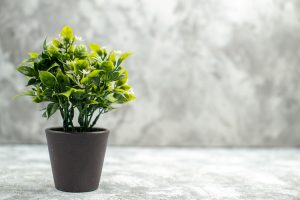
Indoor plants improve air quality, enhance mood, and create a calming environment. Choosing varieties adapted to low-light conditions ensures healthy growth, fewer pests, and minimal watering needs.
In this guide, we review the Best Inside House Plants That Need Little Sunlight, featuring hardy species with attractive foliage, compact growth habits, and easy care requirements. You’ll discover options that elevate your interior décor while thriving in dimmer spaces.
Inside House Plants That Need Little Sunlight
1. Snake Plant – Sansevieria Trifasciata – Best Low-Light Indoor Plant
Snake Plant is perfect for beginners and low-light spaces. Its tall, upright leaves store water efficiently, making it drought-tolerant and ideal for offices.
This plant thrives in indirect light and can survive complete shade for weeks, making it one of the most forgiving indoor plants. Its air-purifying properties remove toxins like formaldehyde and benzene.
Snake Plant requires minimal attention; just occasional watering and occasional dusting keep it healthy. Its stiff leaves create a modern aesthetic suitable for any room.
Pros:
• Air purifying
• Drought tolerant
• Low maintenance
• Shade tolerant
• Indoor safe
• Decorative leaves
• Long-lasting
Cons:
• Slow growth
• Toxic if ingested
• Needs occasional repotting
2. ZZ Plant – Zamioculcas Zamiifolia – Best Hardy Low-Light Plant
ZZ Plant is ideal for those who forget to water. Its waxy, dark green leaves store moisture, thriving even in low-light corners.
It tolerates fluorescent light, making it perfect for offices and rooms with no windows. ZZ Plant can withstand neglect while maintaining lush foliage.
Minimal pruning is needed, and its compact form works well on desks or shelves. ZZ Plant adds elegance while improving indoor air quality.
Pros:
• Tolerates shade
• Low maintenance
• Water efficient
• Air cleaner
• Compact size
• Resilient
• Pest resistant
Cons:
• Toxic if eaten
• Slow growth
• Sensitive to overwatering
3. Pothos – Epipremnum Aureum – Best Trailing Indoor Plant
Pothos is beginner-friendly with trailing vines ideal for shelves or hanging baskets. It grows well in low to moderate indirect light.
This vine can tolerate artificial lighting, making it versatile for darker rooms. Its variegated leaves add aesthetic appeal to interior spaces.
Pothos requires minimal watering and occasional pruning to encourage fuller growth. It is also excellent for purifying indoor air.
Pros:
• Easy to grow
• Low light tolerant
• Fast grower
• Air purifying
• Trailing vines
• Low maintenance
• Indoor safe
Cons:
• Toxic to pets
• Needs support
• Leaf yellowing
4. Peace Lily – Spathiphyllum – Best Low-Light Flowering Plant
Peace Lily thrives in shaded indoor environments and produces beautiful white blooms. Its large leaves can brighten dim spaces naturally.
It tolerates fluorescent lights and indirect sunlight. Peace Lily also helps remove indoor toxins like ammonia and benzene.
Watering once a week keeps it happy, and it rarely needs fertilizer. Its elegant foliage and flowers make it a popular decorative choice.
Pros:
• Shade tolerant
• Air purifying
• Attractive flowers
• Indoor safe
• Low maintenance
• Elegant foliage
• Humidity friendly
Cons:
• Toxic to pets
• Sensitive to overwatering
• Needs repotting
5. Cast Iron Plant – Aspidistra Elatior – Best Tough Low-Light Plant
Cast Iron Plant is legendary for surviving neglect and dim conditions. Its dark green leaves grow slowly but steadily.
It thrives in low sunlight and can survive years without being moved. Cast Iron Plant tolerates occasional drafts or temperature changes.
This hardy plant requires little water and minimal care. Its upright form complements interior décor elegantly.
Pros:
• Extremely hardy
• Shade tolerant
• Low care
• Indoor safe
• Long-lasting
• Decorative
• Pest resistant
Cons:
• Slow growth
• Needs space
• Rare flowers
6. Chinese Evergreen – Aglaonema – Best Decorative Low-Light Plant
Chinese Evergreen is popular for colorful foliage that brightens low-light rooms. Its variegated leaves come in red, pink, or silver patterns.
It tolerates low sunlight and is suitable for offices or apartments. Chinese Evergreen is also known for purifying air and resisting common pests.
Moderate watering keeps it healthy, and its compact size allows placement on tables or shelves. Its ornamental appeal makes it a standout in interior design.
Pros:
• Shade tolerant
• Air purifying
• Colorful leaves
• Low maintenance
• Indoor safe
• Resilient
• Compact
Cons:
• Toxic to pets
• Slow growth
• Sensitive to cold
7. Dracaena – Dracaena Fragrans – Best Indoor Foliage Plant
Dracaena grows in indirect or low light, making it ideal for indoor corners. Its tall, slender stalks with striped leaves add vertical interest.
It tolerates neglect and is perfect for low-light apartments or offices. Dracaena also removes indoor toxins like formaldehyde.
Minimal watering and occasional pruning maintain its shape. Its elegant foliage complements modern and traditional interiors alike.
Pros:
• Low light tolerant
• Air purifying
• Tall growth
• Minimal care
• Indoor safe
• Stylish
• Long-lasting
Cons:
• Sensitive to overwatering
• Toxic to pets
• Slow growth
8. Maidenhair Fern – Adiantum – Best Low-Light Fern
Maidenhair Fern thrives in indirect light and humid environments. Its delicate leaves provide a soft, graceful texture indoors.
It requires a bit more attention than other low-light plants but rewards with ornamental value. Maidenhair Fern is suitable for bathrooms or kitchens with filtered light.
Regular misting and consistent moisture keep it lush. It adds a natural, tropical feel to your interiors.
Pros:
• Delicate foliage
• Shade tolerant
• Humidity friendly
• Decorative
• Indoor safe
• Lush appearance
• Air purifier
Cons:
• Needs regular watering
• Sensitive to drafts
• Slow growth
9. Philodendron – Heartleaf – Best Easy Low-Light Vine
Philodendron thrives in low light and grows long, trailing vines. Its heart-shaped leaves are vibrant green and attractive.
This plant tolerates neglect, making it ideal for beginners. Philodendron can be placed on shelves, in baskets, or allowed to climb supports.
Water moderately and prune occasionally for optimal growth. It is also known for its air-purifying properties.
Pros:
• Easy to grow
• Low light tolerant
• Trailing vine
• Air purifying
• Indoor safe
• Low maintenance
• Hardy
Cons:
• Toxic to pets
• Needs support
• Occasional leaf yellowing
10. Spider Plant – Chlorophytum Comosum – Best Air-Purifying Low-Light Plant
Spider Plant adapts well to low-light conditions and produces arching leaves with white stripes. Its small plantlets make it perfect for propagation.
It survives fluorescent lighting and shaded areas. Spider Plant is ideal for hanging baskets or desktop containers.
Water occasionally, and it will thrive with minimal attention. Its air-purifying capability enhances indoor environments.
Pros:
• Low light tolerant
• Air purifying
• Easy propagation
• Low maintenance
• Indoor safe
• Hardy
• Attractive leaves
Cons:
• Sensitive to overwatering
• Leaf tips brown
• Needs space
FAQs – Inside House Plants That Need Little Sunlight
-
Which indoor plants need the least light?
Snake Plant, ZZ Plant, and Pothos require minimal sunlight and thrive in low-light areas. -
Can low-light plants survive in complete shade?
Yes, many such as ZZ Plant and Cast Iron Plant can survive weeks without direct light. -
Do low-light indoor plants need frequent watering?
Most low-light plants store water in leaves, so they require minimal watering. -
Are these plants safe for pets?
Some are toxic (e.g., Snake Plant, ZZ Plant), so check plant safety before placing near pets. -
Can low-light plants improve indoor air quality?
Yes, many, including Peace Lily and Spider Plant, remove toxins from indoor air. -
How often should low-light plants be fertilized?
Fertilize 2–3 times per year during growing seasons with diluted indoor plant fertilizer. -
Do low-light plants grow slowly?
Yes, most grow slower due to limited light, but they remain healthy and attractive.
Conclusion
In conclusion, selecting the best inside house plants that need little sunlight depends on your space, décor, and care preference. Snake Plant and ZZ Plant are our best picks for resilience and air-purifying benefits, while Peace Lily is our runner-up for low-light flowering beauty.
Combining hardy low-light plants like Cast Iron Plant, Chinese Evergreen, and Philodendron can fill rooms with greenery without constant maintenance. Most of these plants require minimal watering, occasional pruning, and indirect lighting to thrive.
Low-light indoor plants enhance mood, reduce stress, and improve air quality, making them a valuable addition to homes or offices. Choose varieties suited to your environment to ensure longevity and aesthetic appeal.
Elevate your interiors today by investing in these low-light indoor plants and enjoy a thriving green space even in shaded corners.
Recent Posts
Choosing the best pet safe alternative to Roundup for dogs is essential for maintaining a weed-free yard without exposing your pets to harmful chemicals. Many conventional herbicides contain...
Creating a lively, bird-friendly landscape begins with choosing the best plants that attract birds in Florida. The right selection provides nectar, seeds, berries, and shelter that naturally draw...