Removing weeds without harming your plants requires using methods that balance precision, safety, and long-term success. Gardeners often face challenges when weeds compete for nutrients, moisture, and light. Using gentle yet effective approaches helps preserve plant health and keeps gardens thriving.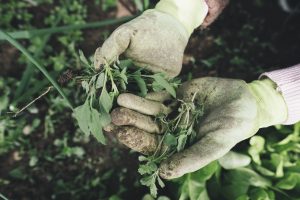
Many proven techniques offer safe weed control that doesn’t damage flowers, vegetables, or ornamentals. Options like hand removal, mulching, natural solutions, and selective tools all provide reliable results. Each choice supports both plant protection and weed elimination.
Some methods work faster, while others deliver long-term prevention. Understanding how each approach functions helps you select what fits your garden best.
In this article, you’ll discover ten powerful methods designed to remove weeds safely without harming your plants while maintaining soil balance and supporting healthy growth.
How To Remove Weeds Without Harming Plants? 10 Best Methods
1. Hand Pulling – Best for Precision Removal
Hand pulling is one of the safest ways to eliminate weeds without damaging nearby plants. It allows for targeted control around delicate stems, flowers, and roots. This method works best when soil is moist, making weeds easier to uproot fully.
It’s effective for gardens with mixed plant varieties, raised beds, and dense plant groupings. Proper gloves help you grip weeds without injuring your hands. Pulling early prevents weeds from maturing and spreading seeds.
Hand removal immediately clears space and improves soil airflow. Weeds with shallow roots respond especially well to this method. Younger weeds are easier to eliminate completely.
Pros:
• full control
• no chemicals
• plant-safe
• instant results
• root removal
• kid-friendly
• eco-friendly
Cons:
• time-consuming
• labor heavy
• regrowth possible
2. Mulching – Best for Weed Suppression
Mulching blocks sunlight, depriving weeds of the light needed to grow. This method protects your plants by creating a natural barrier between the soil and weed seeds. Wood chips, straw, or shredded leaves work especially well.
A thick mulch layer helps stabilize soil temperature and retain moisture. It reduces soil erosion around sensitive flowers and vegetables. Applying mulch around plant bases prevents weed competition.
Fresh mulch also improves soil health as it naturally decomposes. Your garden stays cleaner and more visually appealing. Weeds that do sprout are easier to pull.
Pros:
• blocks light
• soil cooling
• moisture kept
• tidy look
• fewer weeds
• improves soil
• low effort
Cons:
• needs refresh
• hides pests
• costs more
3. Landscape Fabric – Best for Long-Term Control
Landscape fabric prevents weeds from emerging through soil while allowing water to pass through. It’s ideal for flower beds, pathways, and areas with persistent weeds. Covering it with mulch improves results.
The fabric reduces the number of weeds long-term, making maintenance easier. It also prevents soil compaction and protects root zones. Proper installation ensures no gaps for weeds to slip through.
This method is best used in perennial beds or areas you don’t redesign often. It keeps invasive weeds from reaching your garden space. When used properly, it lasts several seasons.
Pros:
• long lasting
• low upkeep
• fewer weeds
• water permeable
• root protection
• strong barrier
• reduces labor
Cons:
• installation work
• not flexible
• higher cost
4. Boiling Water – Best for Quick Spot Treatment
Boiling water instantly kills weeds by damaging plant cells on contact. It affects only the plants it touches, making it a precision method when used carefully. Perfect for cracks, pavement edges, and walkways.
This technique does not leave residue in the soil and is safe for surrounding plants if poured accurately. Use a kettle with a spout for steady direction. Boiling water works best on young weeds.
Repeat applications may be needed for tougher weeds. Avoid splashing on desirable plants. This method is easy and fast for small areas.
Pros:
• no chemicals
• instant kill
• fast work
• cheap method
• eco-safe
• soil safe
• perfect targeting
Cons:
• limited reach
• injury risk
• repeated use
5. Vinegar Spray – Best Natural Leaf Burner
Vinegar dehydrates weed leaves, especially when applied on sunny days. It is a natural solution suitable for gardens where chemicals must be avoided. Use higher-strength vinegar for tougher weeds.
Spray only the weed surface to avoid contact with nearby plants. Reapplication may be needed for deep-rooted species. Vinegar is best for annual weeds and shallow systems.
Adding a little dish soap helps vinegar stick better to leaves. This method prevents harming the soil or surrounding vegetation. It also offers quick visual results.
Pros:
• natural option
• easy apply
• quick burn
• low cost
• safe soil
• pet friendly
• residue free
Cons:
• leaf-only kill
• repeated sprays
• root survival
6. Hoeing – Best for Surface Weeds
Hoeing slices weeds at the soil surface, preventing them from accessing nutrients. It is ideal for vegetable gardens and open beds with lots of space. A sharp hoe works best.
Regular hoeing creates a clean topsoil layer where weeds struggle to regrow. It reduces root competition for water and air. This practice keeps gardens tidy and controlled.
Use shallow strokes to avoid harming plant roots. Morning hours are best for working the soil. Dry conditions improve effectiveness.
Pros:
• fast work
• soil aeration
• low effort
• large areas
• prevents spread
• fewer weeds
• improves soil
Cons:
• not precise
• root disturbance
• tool upkeep
7. Selective Weeding Tools – Best for Tight Spaces
Tools like weed pullers, fishtail diggers, and taproot extractors remove weeds without disturbing nearby plants. They provide precision and depth. Great for beds with closely spaced ornamentals.
These tools let you target tough weeds like dandelions and plantain. They pull out roots cleanly, reducing regrowth. Choose stainless steel for durability.
Using specialized tools saves time and prevents hand strain. They’re extremely effective for patio cracks and raised gardens. Precision improves plant safety.
Pros:
• deep removal
• clean roots
• very precise
• easy use
• saves time
• durable tools
• safe plants
Cons:
• tool cost
• storage needed
• learning curve
8. Corn Gluten Meal – Best Organic Pre-Emergent
Corn gluten meal prevents weed seeds from germinating. It does not harm established plants, making it perfect for lawns and garden beds. Apply before rainy seasons.
It is an all-natural weed prevention option. It also adds nitrogen to the soil, promoting plant health. Timing is crucial for best results.
This method works best as part of routine garden maintenance. It keeps future weeds from forming. Perfect for reducing long-term growth.
Pros:
• plant safe
• prevents germin
• soil feeding
• organic choice
• long term
• easy spread
• safe pets
Cons:
• timing key
• slow results
• not cheap
9. Smothering – Best for Heavy Infestations
Covering weeds with cardboard, newspaper, or tarps blocks oxygen and light. This method is ideal for clearing large spaces before planting. Smothering starves weeds naturally.
The barrier slowly kills roots and prevents regrowth. Mulch or compost placed on top enhances results. It prepares soil for future planting.
Smothering is especially effective for aggressive weeds without using chemicals. Works on large patches. Safe for all nearby plants.
Pros:
• no chemicals
• easy setup
• kills roots
• large areas
• eco friendly
• improves soil
• long lasting
Cons:
• slow method
• material needed
• unattractive look
10. Spot Flame Weeding – Best for Tough Pavement Weeds
Flame weeders use heat to rupture weed cells. When applied carefully, they do not harm nearby plants because the flame is tightly controlled. Ideal for pathways and driveways.
The method is fast and effective for tough and stubborn weeds. It works best on dry days. Use caution near mulch or dry grass.
Flame weeding is chemical-free and eco-friendly. It kills weeds without affecting the soil. Perfect for hard-to-reach cracks.
Pros:
• fast action
• no residue
• eco safe
• perfect cracks
• powerful heat
• low cost
• minimal effort
Cons:
• fire risk
• safety gear
• not for beds
FAQs About Removing Weeds Without Harming Plants
1. What is the safest way to remove weeds around delicate plants?
The safest method is hand pulling, especially when the soil is moist. It allows you to target weeds without disturbing surrounding roots. Use gloves to protect your hands and improve grip.
Hand pulling ensures accuracy and prevents accidentally damaging stems or flowers. This makes it perfect for tight garden beds. It also gives immediate visual improvement.
Removing weeds early stops seed spread and slows future weed growth. This helps maintain garden health. Consistent checks make the process easier over time.
2. Can vinegar remove weeds without harming nearby plants?
Vinegar can work, but it must be applied very carefully. It burns weed leaves, so spray only the weed and avoid overspray. Stronger vinegar concentrations work faster.
Keep the nozzle close to the weed for targeted control. Avoid windy days to prevent drift. Use a shield if working near sensitive flowers.
Vinegar is best for spots where weeds grow away from desired plants. It does not harm soil but may require repeat use. Great for shallow-rooted weeds.
3. Does mulching prevent weeds from growing?
Yes, mulching significantly reduces weed growth by blocking sunlight. A layer of 2–4 inches works best. Organic mulch also enriches soil as it breaks down.
Mulch keeps soil cool and moist, benefiting surrounding plants. It also prevents erosion around roots. Weeds that do appear are easier to pull.
Consistent mulching keeps beds clean and healthy. Fresh mulch should be added yearly. This method supports both appearance and long-term control.
4. Will boiling water harm my garden plants?
Boiling water kills weeds instantly but should be poured only on the weed, not on desirable plants. Use a controlled pour for accuracy. It is especially safe for sidewalks and cracks.
This method works quickly and leaves no residue. Just avoid splashing near sensitive stems or leaves. Hot water is natural and chemical-free.
It’s best for isolated weeds or pathway growth. It does not travel through soil to harm roots nearby. Repeat if needed for stubborn weeds.
5. Do weeding tools help avoid harming nearby plants?
Yes, selective weeding tools remove weeds without disturbing other roots. They target deep roots with precision. Tools like fishtail diggers or taproot extractors work very well.
They reduce strain and increase accuracy during removal. Stainless steel tools last longest. Smaller tools fit well in tight planting areas.
These tools minimize soil disturbance around delicate plants. They help remove entire roots and reduce regrowth. Ideal for raised beds and ornamental gardens.
6. Can landscape fabric protect plants while reducing weeds?
Landscape fabric allows water and nutrients to pass while blocking weeds. It provides controlled suppression without affecting plant health. It’s great for perennial beds.
Covering it with mulch increases effectiveness and hides the fabric. Make sure edges are secure to prevent gaps. Proper installation increases longevity.
This method is excellent for areas with frequent weed outbreaks. It reduces yearly maintenance. It protects root systems from competition.
7. Is corn gluten meal safe to use around flowers and vegetables?
Yes, corn gluten meal is a natural pre-emergent that prevents weed seeds from germinating. It does not harm established plants. Apply before rainy seasons for best effects.
It also feeds soil with nitrogen, helping plants grow. Timing is the most important factor for success. Spread evenly for full coverage.
This method is ideal for long-term weed reduction. Use annually for best results. Safe for pets, humans, and all established plants.
Conclusion
Removing weeds without harming your plants requires using methods that are both gentle and effective. These approaches allow you to maintain a clean garden while protecting plant roots, stems, and foliage.
Natural solutions like mulching, boiling water, vinegar, and hand pulling offer safe ways to control weeds. Each option reduces competition and supports strong plant growth.
Consistent application improves long-term results and prevents invasive weeds from spreading. Careful targeting ensures that only unwanted plants are affected.
These methods give you flexibility to manage different garden layouts and plant varieties. They also help you maintain healthier soil and a more manageable outdoor space.
Recent Posts
The Best Fertilizer For Bermuda Grass In Georgia helps homeowners achieve a thick, green, and resilient lawn while supporting rapid growth during the warm season. Because Bermuda grass thrives in...
Choosing the Best Fertilizer For Salvias is essential for achieving vibrant blooms, lush foliage, and strong root systems. Proper nutrient management ensures salvias receive the right balance of...