Ticks are not only a nuisance but also pose serious health risks to humans and pets. Controlling them without chemicals is essential for a safe and eco-friendly backyard environment.
Non-chemical methods focus on altering the environment, discouraging ticks from thriving, and using natural deterrents. These strategies minimize exposure to harmful pesticides while still effectively reducing tick populations.
Backyard ticks prefer tall grass, leaf litter, and areas with frequent wildlife activity. Homeowners need to combine multiple strategies, such as habitat modification and natural predators, to achieve long-term control.
In this guide, we will explore the best methods of how to get rid of ticks in your backyard without chemicals, providing practical, safe, and effective techniques to protect your family, pets, and garden.
How To Get Rid Of Ticks In Your Backyard Without Chemicals?– 10 Quick & Easy Methods
1. Regular Lawn Maintenance – Keep Grass Short
Beginners often overlook the importance of regular lawn mowing. Keeping grass short reduces tick habitats and exposure to pets and humans. Short grass also limits moisture and shade that ticks need to survive.
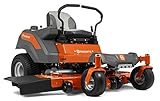
Trimming edges, removing weeds, and mowing frequently discourage ticks from thriving. Areas with tall grass or overgrown brush are hotspots for ticks. Maintaining your lawn consistently can reduce tick populations significantly.
Homeowners report fewer ticks after adopting regular lawn care routines. Professionals often combine mowing with other control measures for larger properties. Overall, consistent lawn maintenance is a foundational tick prevention strategy.
Pros:
• Reduces habitats
• Easy implement
• Cost-effective
• Safe for pets
• Encourages airflow
• Limits moisture
• Simple routine
Cons:
• Labor-intensive
• Needs frequent mowing
• Limited alone
2. Remove Leaf Litter and Debris – Eliminate Shelter
Beginners can reduce ticks by cleaning up leaf litter, mulch piles, and debris. Ticks use these areas for shelter and moisture. Removing them exposes ticks to heat and sunlight, which they cannot survive.

Raking leaves, clearing brush, and minimizing wood piles limits tick hiding spots. Compost piles should also be managed carefully. This method is safe, non-toxic, and highly effective when combined with lawn care.
Homeowners report visible reductions in ticks near patios and play areas. Professionals often pair debris removal with fencing and wildlife deterrents. Overall, this is a simple, chemical-free solution.
Pros:
• Eliminates shelter
• Reduces moisture
• Easy implement
• Safe for pets
• Eco-friendly
• Cost-effective
• Prevents ticks
Cons:
• Labor-intensive
• Needs repetition
• Limited alone
3. Create Tick-Free Zones with Mulch Barriers
Beginners can use wood chips or gravel to create a barrier between wooded areas and lawns. Ticks are less likely to cross these dry, open spaces. Mulch barriers reduce tick migration to play and garden areas.
Installing 3–5 foot-wide barriers along the perimeter of lawns, patios, or playgrounds can limit tick movement. Use coarse mulch or gravel rather than fine mulch to prevent ticks from hiding. This strategy is safe, natural, and highly effective when combined with habitat management.
Homeowners notice fewer ticks along paths and garden edges. Professionals use barriers extensively in high-risk areas like parks and campgrounds. Overall, it’s a low-maintenance tick deterrent.
Pros:
• Reduces migration
• Natural
• Safe for pets
• Cost-effective
• Simple install
• Durable
• Eco-friendly
Cons:
• Needs initial setup
• Periodic maintenance
• Limited effect alone
4. Encourage Tick Predators – Birds and Insects
Beginners can attract natural predators such as chickens, guinea fowl, or insectivorous birds. These animals feed on ticks and help control populations naturally.
Installing bird feeders, nesting boxes, or allowing chickens to roam safe areas encourages predator activity. Beneficial insects, like certain beetles and ants, also reduce ticks. This method is eco-friendly, chemical-free, and sustainable.
Homeowners report lower tick counts in backyards with predator populations. Professionals in organic or sustainable landscapes rely on predators for natural pest control. Overall, it’s a safe and long-term solution.
Pros:
• Natural control
• Eco-friendly
• Pet-safe
• Sustainable
• Reduces ticks
• Enhances biodiversity
• Minimal maintenance
Cons:
• Requires planning
• Not instant
• Needs care for animals
5. Install Fencing to Limit Wildlife
Beginners often attract ticks via deer, rodents, and other wildlife. Installing fencing reduces wildlife traffic, indirectly controlling ticks.
Fencing should be at least 8 feet high for deer and include rodent-proofing at the base. Limiting access to the yard reduces tick introduction.
Homeowners notice fewer ticks when wildlife is restricted. Professionals often combine fencing with habitat management. Overall, it’s a safe, long-term preventive strategy.
Pros:
• Limits wildlife
• Reduces ticks
• Long-term solution
• Pet-safe
• Eco-friendly
• Durable
• Safe
Cons:
• High cost
• Labor-intensive
• Limited alone
6. Use Tick-Repellent Plants
Beginners can plant lavender, rosemary, marigolds, or garlic around yards. These plants naturally repel ticks with strong scents.
Strategically placing them along borders, patios, and garden edges reduces tick activity. Combined with other methods, this creates chemical-free deterrent zones.
Homeowners enjoy natural protection and enhanced garden aesthetics. Professionals use plants in integrated pest management plans. Overall, it’s a safe and visually appealing approach.
Pros:
• Natural repellent
• Pet-safe
• Chemical-free
• Enhances garden
• Easy grow
• Eco-friendly
• Low maintenance
Cons:
• Needs proper spacing
• Limited alone
• Seasonal effect
7. Keep Grass and Vegetation Trimmed Near Paths
Beginners should trim grass, shrubs, and overgrowth near pathways and patios. Ticks thrive in tall vegetation but avoid open, sunny areas.
Maintaining 3–4 foot cleared buffer zones reduces tick exposure. Pairing this with mulch barriers increases effectiveness.
Homeowners experience lower tick encounters along high-traffic areas. Professionals recommend trimming for public areas and playgrounds. Overall, vegetation management is a simple preventive measure.
Pros:
• Reduces habitat
• Easy implement
• Safe for pets
• Chemical-free
• Visible effect
• Cost-effective
• Encourages airflow
Cons:
• Labor-intensive
• Needs repetition
• Limited alone
8. Dry Out Moist Areas
Beginners should address damp or shaded spots where ticks thrive. Ticks require moisture, so reducing water accumulation is key.
Improve drainage, aerate soil, and prune overhanging branches to allow sunlight. Drying areas naturally reduces tick survival.
Homeowners notice fewer ticks near patios, playsets, and garden beds. Professionals incorporate moisture control in landscape design. Overall, drying areas is an effective chemical-free method.
Pros:
• Reduces habitat
• Safe
• Chemical-free
• Cost-effective
• Supports lawn health
• Eco-friendly
• Simple
Cons:
• Requires effort
• Seasonal limit
• Limited alone
9. Diatomaceous Earth – Natural Tick Killer
Beginners can sprinkle food-grade diatomaceous earth in tick-prone areas. It dehydrates and kills ticks on contact.
Apply around edges, mulch, and under decks for best results. Avoid wet areas as moisture reduces effectiveness.
Homeowners report significant tick reduction using this natural, chemical-free powder. Professionals sometimes use it as part of integrated pest management. Overall, it’s safe, effective, and eco-friendly.
Pros:
• Natural
• Pet-safe
• Chemical-free
• Dehydrates ticks
• Eco-friendly
• Easy apply
• Non-toxic
Cons:
• Needs dry conditions
• Reapply after rain
• Limited effect alone
10. Manual Removal – Check Pets and Yard
Beginners should check pets, family members, and play areas for ticks regularly. Removing ticks manually reduces infestations immediately.
Use gloves, tweezers, or tick-removal tools to ensure safe removal. Regular inspection prevents tick-borne disease transmission.
Homeowners and professionals both rely on manual removal for immediate control. Overall, it’s a safe, chemical-free, and effective method.
Pros:
• Immediate removal
• Chemical-free
• Safe
• Prevents disease
• Pet-safe
• Simple
• Effective
Cons:
• Labor-intensive
• Requires vigilance
• Small effect alone
How To Get Rid Of Ticks In Your Backyard Without Chemicals FAQs
Q1: Can ticks be controlled without chemicals?
Yes, using habitat management, predators, barriers, and manual removal.
Q2: How effective are natural tick-repellent plants?
They help but work best combined with other methods.
Q3: Should I trim all vegetation?
Focus on paths, edges, and shaded areas for maximum effect.
Q4: Can fencing alone prevent ticks?
It reduces wildlife introduction but should be combined with other strategies.
Q5: Is diatomaceous earth safe for pets?
Yes, food-grade diatomaceous earth is non-toxic when applied properly.
Q6: How often should I remove leaf litter?
Regularly during spring and summer, at least once a month.
Q7: Can moisture control reduce ticks?
Yes, drying shaded or damp areas limits tick survival.
Conclusion
In conclusion, chemical-free tick control relies on a combination of habitat management, natural predators, and preventive landscaping. Lawn maintenance, debris removal, and mulch barriers are the best methods, while diatomaceous earth and predator introduction are effective runner-up solutions.
Seasonal timing, moisture management, and buffer zones enhance the effectiveness of all strategies. Manual removal remains crucial for immediate control and prevention.
Homeowners and professionals can achieve a safe, tick-free backyard without chemicals by consistently applying multiple methods. Integrated, eco-friendly approaches protect family, pets, and the environment.
Consistency and vigilance are key to keeping ticks under control. These chemical-free methods ensure long-term safety, reduce infestations, and maintain a healthy backyard.
Recent Posts
Central Texas gardens face unique challenges due to hot summers, occasional drought, and variable soil conditions. Selecting the best plants for Central Texas ensures a vibrant, resilient landscape...
Choosing the best plants for Florida patio ensures a thriving, vibrant space that can withstand these conditions while adding beauty and comfort.Florida patios offer a unique environment for...