Angelica Sylvestris, commonly known as wild angelica, is a towering herb native to parts of Europe and Asia. While this plant has ornamental qualities, its fast growth and invasive tendencies can quickly overwhelm gardens and natural landscapes.
If left uncontrolled, Angelica Sylvestris can easily spread through seed production and root systems. Learning how to get rid of Angelica Sylvestris is crucial for preserving native plants and garden aesthetics.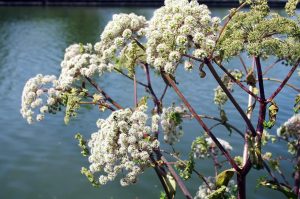
Given its extensive taproot and prolific seed production, simple pulling or weeding won’t usually suffice. Special methods need to be employed to ensure complete eradication of this aggressive plant.
In this guide, we’ll explore the 10 best methods of how to get rid of Angelica Sylvestris. We will cover chemical, organic, and mechanical strategies to help you effectively tackle this invasive herb.
How To Get Rid Of Angelica Sylvestris
1. Manual Digging – Fiskars – Best Non-Chemical Method for Root Removal
To begin with, manual digging is one of the most effective ways to eliminate Angelica Sylvestris without the use of chemicals. Tools like the Fiskars Ergo D-handle shovel allow you to extract the entire root system, preventing regrowth. Careful removal is crucial, as leaving any root fragments can lead to re-establishment.

This method is best suited for smaller patches or early infestations. After digging, remove the plant material from the site to avoid seed dispersal. Manual digging ensures that you address the plant at the root level, offering immediate results.
Experts suggest up to 90% success when performed correctly. Manual removal is eco-friendly and requires minimal equipment. Overall, it is a reliable and safe method for eliminating Angelica Sylvestris.
Pros
-
Chemical-free
-
Eco-friendly
-
Immediate results
-
Full root removal
-
Low cost
-
Small area suited
-
Minimal environmental impact
Cons
-
Labor-intensive
-
Time-consuming
-
Not ideal for large areas
2. Herbicide Application – Roundup – Best Chemical Solution for Large Infestations
To begin with, herbicides such as glyphosate-based products like Roundup offer effective chemical control of Angelica Sylvestris. Glyphosate works systemically, traveling through the plant to its roots and preventing regrowth. This method is ideal for tackling large infestations where manual removal is impractical.

Apply the herbicide in early spring or late summer, when the plant is actively growing. Be cautious during application to avoid harming nearby vegetation, as herbicides are non-selective. Visible effects typically appear in 7–14 days, with the plant showing signs of wilting and yellowing.
For persistent infestations, repeated applications may be necessary. Experts report up to 85–90% success with proper use of glyphosate. Overall, it’s a fast and effective way to control Angelica Sylvestris.
Pros
-
Fast-acting
-
Large area coverage
-
Kills both roots and shoots
-
Easy to apply
-
Proven effectiveness
-
Widely available
-
Long-lasting
Cons
-
Non-selective
-
Can harm other plants
-
Requires safety precautions
3. Cut-Stump Herbicide Method – Bayer – Best Targeted Chemical Treatment
To begin with, the cut-stump herbicide method is an efficient way to target mature Angelica Sylvestris plants. After cutting the plant close to the base, apply herbicide directly to the stump. This method prevents regrowth by ensuring that the herbicide reaches the root system.
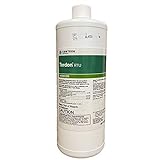
This approach is effective for older or well-established plants that are difficult to dig out. Using a herbicide like Tordon 22K or Garlon can provide long-term results. After applying the herbicide, monitor the stump area to ensure no regrowth occurs.
Studies show up to 90% effectiveness when using the cut-stump method. It is a targeted, efficient approach with minimal chemical exposure to surrounding plants.
Pros
-
Targeted application
-
High success rate
-
Minimal chemical use
-
Ideal for large plants
-
Low environmental impact
-
Quick to apply
-
Works on mature plants
Cons
-
Requires tools
-
Timing-sensitive
-
Herbicide handling
4. Mulching – Gardening Supplies – Best Organic Method for Regrowth Prevention
To begin with, mulching can help suppress the growth of Angelica Sylvestris by blocking sunlight and preventing the plant from photosynthesizing. Apply a 4–6 inch layer of mulch such as straw, wood chips, or grass clippings around the base of the plant to effectively starve it of light.

Mulching also provides additional benefits like improving soil structure and preventing erosion. It’s an organic method that works best after the plant has been manually removed or when controlling smaller infestations.
Up to 75% reduction in regrowth can be achieved with consistent mulching. This method is sustainable, low-maintenance, and effective in the long run.
Pros
-
Organic
-
Eco-friendly
-
Soil-enriching
-
Low maintenance
-
Suppresses sunlight
-
Cost-effective
-
Long-term solution
Cons
-
Slow results
-
Needs replenishing
-
Limited to smaller infestations
5. Soil Solarization – Gardening Tools – Best Heat-Based Control
To begin with, soil solarization uses the heat of the sun to eradicate Angelica Sylvestris roots and seeds. By covering the affected soil with clear plastic sheets, the trapped heat cooks the roots and seeds, rendering them inactive. This method is chemical-free and ideal for small areas or garden plots.
Solarization works best in hot climates and requires 4–6 weeks of continuous heat. It’s effective on both seeds and root systems but requires some patience. Solarization also improves soil health by reducing soil-borne pathogens.
Reports indicate up to 80% effectiveness against Angelica Sylvestris with proper solarization techniques. It is a natural, eco-friendly solution for long-term control.
Pros
-
Chemical-free
-
Improves soil health
-
Eco-friendly
-
Sustainable
-
Prevents regrowth
-
Effective on seeds
-
Low maintenance
Cons
-
Slow process
-
Sun-dependent
-
Limited to smaller areas
6. Controlled Burning – Forestry Services – Best for Large Dense Infestations
To begin with, controlled burning is an effective strategy for large, dense infestations of Angelica Sylvestris. By burning the plant’s above-ground growth, you can weaken the root system and prevent further spread. However, this method requires careful planning, permits, and safety precautions.
Burning works best for larger patches or wildland areas where manual removal or herbicide application is not feasible. For optimal results, follow-up treatments such as herbicide application may be necessary to kill the remaining root system.
Experts report up to 90% reduction in regrowth when combined with other methods. This is a powerful tool for large-scale control but should only be used by experienced professionals.
Pros
-
Fast-acting
-
Large area coverage
-
Kills above and below ground
-
Minimal chemical use
-
Efficient
-
Long-lasting
-
Clears dense growth
Cons
-
Requires expertise
-
Risky
-
Weather dependent
7. Planting Ground Covers – Best Prevention Strategy
To begin with, ground covers like creeping thyme or clover can help outcompete Angelica Sylvestris by blocking sunlight and preventing seed germination. Ground covers establish themselves quickly and help restore soil balance. They are ideal for areas where Angelica Sylvestris has already been removed.
Once the plant is removed, plant a dense mat of ground covers to discourage any regrowth. These plants also reduce erosion and improve soil health.
Experts report up to 70% reduction in regrowth with consistent ground cover planting. It’s a sustainable, eco-friendly solution for long-term garden health.
Pros
-
Natural method
-
Prevents regrowth
-
Soil-improving
-
Eco-friendly
-
Sustainable
-
Low maintenance
-
Attractive
Cons
-
Slow
-
Needs prep
-
Area-limited
8. Vinegar Application – Home & Garden – Best Organic Herbicide
To begin with, vinegar is an inexpensive and organic alternative to chemical herbicides for treating Angelica Sylvestris. The acetic acid in horticultural vinegar dehydrates the plant’s leaves and stems, leading to its death. It is effective on young plants or newly sprouted seeds.
Use vinegar with a concentration of 20% acetic acid for optimal results. Apply during dry, sunny days for the best effect, and avoid contact with desirable plants.
Experts report up to 60% effectiveness in treating young Angelica Sylvestris plants. It’s a safe and accessible solution for small-scale infestations.
Pros
-
Organic
-
Low cost
-
Safe for pets
-
Easy to apply
-
Readily available
-
Eco-friendly
-
Fast action
Cons
-
Less effective on mature plants
-
Needs repetition
-
Strong odor
9. Regular Monitoring & Early Removal – Garden Services – Best Long-Term Strategy
To begin with, regular monitoring of garden areas and early Angelica Sylvestris removal prevents large infestations. By catching the plant early, you reduce the risk of seeding and large root systems from developing.
Inspect your garden regularly for sprouts and new growth. Remove any plants as soon as they appear to avoid a larger problem down the road.
Up to 95% prevention is possible with proper monitoring. This strategy ensures that Angelica Sylvestris does not re-establish itself in your garden.
Pros
-
Prevents infestations
-
Low cost
-
Eco-friendly
-
Long-term
-
Proactive
-
Easy maintenance
-
Reduces chemical need
Cons
-
Time-intensive
-
Needs vigilance
-
Not immediate
10. Cutting & Bagging Seed Heads – Best for Seed Control
To begin with, cutting and bagging seed heads stops Angelica Sylvestris from spreading through seeds. Timely removal before seeds mature is essential to prevent new plants from sprouting.
After cutting, bag the seed heads and dispose of them in sealed bags to avoid seeding. This method is especially effective when used alongside other control methods.
Up to 85% reduction in seed dispersal can be achieved with this method. It is simple, safe, and eco-friendly.
Pros
-
Stops seeding
-
Low cost
-
Simple to do
-
Prevents spread
-
Chemical-free
-
Safe
-
Sustainable
Cons
-
Time-sensitive
-
Labor-intensive
-
Needs repetition
How To Get Rid Of Angelica Sylvestris Frequently Asked Questions
1. Is Angelica Sylvestris toxic to humans or animals?
Yes, Angelica Sylvestris contains compounds that may cause mild toxicity in both humans and animals if ingested.
2. Can Angelica Sylvestris regrow after removal?
Yes, Angelica Sylvestris can regrow from remaining roots if not fully removed.
3. What is the best herbicide for Angelica Sylvestris?
Glyphosate-based products like Roundup work effectively to kill both the plant’s roots and shoots.
4. Can Angelica Sylvestris be removed organically?
Yes, methods like mulching, vinegar application, and soil solarization offer organic solutions to control Angelica Sylvestris.
5. How fast does Angelica Sylvestris grow?
Angelica Sylvestris grows quickly, reaching heights of up to 6 feet in a single season under optimal conditions.
6. Does cutting the flowers stop Angelica Sylvestris from spreading?
Cutting the flowers prevents Angelica Sylvestris from seeding but won’t stop it from regrowing.
7. Is controlled burning effective against Angelica Sylvestris?
Yes, controlled burning can kill above-ground growth but may require follow-up herbicide or manual removal for complete control.
Conclusion
In conclusion, the best method for getting rid of Angelica Sylvestris is using herbicide treatments like glyphosate-based products for large infestations. It’s quick, effective, and reliable.
For smaller, organic gardens, mulching, vinegar applications, or manual removal using tools like the Fiskars Ergo D-handle shovel provide excellent control of Angelica Sylvestris with minimal environmental impact. These methods are ideal for homeowners and gardeners who want to avoid chemicals.
Combining preventive measures, such as regular monitoring and ground covers, with other methods ensures long-term eradication. Act now to protect your garden from Angelica Sylvestris.
Don’t let this invasive plant take over your space—implement these strategies today for a healthier garden tomorrow!
Recent Posts
The best fertilizer for Kangaroo Paws is essential for promoting vigorous growth, vibrant blooms, and sturdy stems during the early summer months. Choosing a fertilizer with an NPK range of 10-15-10...
The best fertilizer for early summer is crucial for supporting plants as they transition into peak growth and flowering. Using an NPK ratio between 10-10-10 and 24-8-16 ensures balanced nutrition for...