Pink wood sorrel is a stubborn weed that spreads quickly in gardens, lawns, and landscapes. Its clover-like leaves and pink flowers make it visually appealing but highly invasive.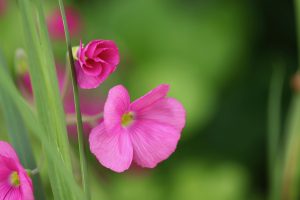
Gardeners often struggle to control pink wood sorrel because it thrives in a wide range of soils. Combining mechanical, chemical, and cultural methods ensures the best long-term results.
Left unmanaged, pink wood sorrel competes with desirable plants for nutrients, sunlight, and water. Persistent management is essential to maintain a healthy garden or lawn.
In this article, we highlight the 10 best methods to get rid of pink wood sorrel. These methods target the weed at the root, prevent regrowth, and maintain a thriving outdoor space.
How Do You Get Rid Of Pink Wood Sorrel? 10 Best Methods
1. Hand Pulling – Best for Small Infestations
Hand pulling is one of the most effective methods for small infestations of pink wood sorrel. Pulling should target the entire root system, as leftover roots can sprout new plants.
This method works well in flower beds, vegetable gardens, or lawns with limited spread. Using gloves and garden tools ensures efficient and safe removal.
Regular monitoring allows early detection and removal of new sprouts. Hand pulling is especially effective when combined with mulching.
Pros
• Immediate effect
• No chemicals
• Safe for plants
• Eco-friendly
• Cost-effective
• Precise removal
• Easy to do
Cons
• Labor intensive
• Time-consuming
• Not for large areas
2. Mulching – Best for Suppressing Growth
Applying organic or plastic mulch suppresses pink wood sorrel by blocking sunlight. Without sunlight, seeds and roots cannot grow or spread effectively.
Mulching also improves soil moisture retention and fertility, benefiting other plants. It is particularly effective in garden beds and around shrubs.
Replacing mulch regularly ensures the barrier remains effective against new sprouts. Combining with hand-pulling enhances long-term control.
Pros
• Blocks sunlight
• Reduces regrowth
• Soil improvement
• Moisture retention
• Cost-effective
• Easy application
• Safe for plants
Cons
• Needs replacement
• Labor required
• Limited for mature roots
3. Digging Out – Best for Deep Roots
For pink wood sorrel with deep taproots, digging is highly effective. A spade or garden fork loosens the soil and allows removal of the entire root system.
Ensuring that all root fragments are removed prevents regrowth. This method is ideal for lawns, garden beds, and small plots.
After digging, fill the area with fresh soil or mulch to prevent further infestations. Regular inspection keeps the area free of new sprouts.
Pros
• Targets deep roots
• No chemicals
• Immediate results
• Eco-friendly
• Reduces regrowth
• Safe for plants
• Cost-effective
Cons
• Labor intensive
• Time-consuming
• Not for large areas
4. Solarization – Best for Sun-Exposed Areas
Solarization uses clear plastic sheets to trap sunlight and heat the soil. This kills pink wood sorrel seeds and roots naturally.
It works best during hot, sunny months and can also reduce other soil-borne pests. Cover the soil for 4–6 weeks for maximum effect.
Solarization improves soil quality while eliminating weeds naturally. Ideal for garden plots, flower beds, and vegetable patches.
Pros
• Chemical-free
• Effective for seeds
• Eco-friendly
• Improves soil
• Reduces pests
• Cost-effective
• Long-lasting
Cons
• Requires sun
• Time-consuming
• Not for shaded areas
5. Selective Herbicides – Best for Lawns
Selective herbicides target pink wood sorrel without harming grasses or desirable plants. Products containing 2,4-D or dicamba are commonly used.
Apply herbicides according to manufacturer instructions to avoid damaging surrounding plants. Herbicides provide quick and effective control for medium to large areas.
Follow-up applications may be necessary to control seedlings and prevent regrowth. Timing is critical for best results.
Pros
• Fast action
• Covers large areas
• Precise targeting
• Easy to apply
• Reduces manual labor
• Widely available
• Long-lasting
Cons
• Chemical use
• Safety precautions
• Not organic
6. Non-Selective Herbicides – Best for Clearing Large Areas
Non-selective herbicides, such as glyphosate, kill all vegetation they contact, making them ideal for heavily infested areas. Apply carefully to avoid harming desirable plants.
This method is highly effective for clearing abandoned fields, driveways, or garden plots dominated by pink wood sorrel. It rapidly reduces weed density and makes area preparation easier.
After treatment, allow the soil to rest before replanting. Proper protective gear ensures safe application.
Pros
• Fast results
• Covers large areas
• Reduces regrowth
• Easy application
• Effective on mature plants
• Widely available
• Cost-effective
Cons
• Kills all plants
• Requires safety gear
• Environmental concerns
7. Vinegar Solution – Best Natural Herbicide
A strong vinegar solution (10–20%) can be sprayed directly onto pink wood sorrel leaves. It burns foliage and reduces the plant’s ability to photosynthesize.
This method works well for small gardens or young plants, avoiding synthetic chemicals. Multiple applications may be needed for stubborn weeds.
Vinegar is safe for organic gardens but should be applied carefully to avoid contact with desirable plants.
Pros
• Chemical-free
• Organic-friendly
• Safe for soil
• Easy to prepare
• Cost-effective
• Non-toxic
• Immediate effect
Cons
• Burns foliage only
• Needs repeated use
• Can harm nearby plants
8. Corn Gluten Meal – Best Pre-Emergent Control
Corn gluten meal prevents pink wood sorrel seeds from germinating. It acts as a natural, non-toxic pre-emergent for garden beds and lawns.
Apply before the rainy season for maximum effect. While it does not kill existing weeds, it significantly reduces future infestations.
Ideal for organic gardening, corn gluten meal improves soil health while limiting weed growth. Regular application ensures long-term effectiveness.
Pros
• Natural pre-emergent
• Non-toxic
• Eco-friendly
• Organic safe
• Reduces seed growth
• Easy to apply
• Improves soil
Cons
• Not for existing weeds
• Slow effect
• Needs reapplication
9. Smothering – Best for Localized Patches
Smothering uses cardboard, newspaper, or thick mulch to block sunlight from pink wood sorrel. Deprived of light, the weed gradually dies.
This method is highly effective in flower beds, vegetable gardens, and small patches. Smothering also retains soil moisture and improves fertility.
Combine smothering with hand-pulling for complete control. Regular monitoring ensures no new plants emerge.
Pros
• Chemical-free
• Eco-friendly
• Improves soil
• Moisture retention
• Cost-effective
• Simple method
• Safe for plants
Cons
• Slow effect
• Labor required
• Not for large areas
10. Crop Rotation & Cover Crops – Best for Long-Term Prevention
Crop rotation and dense cover crops reduce pink wood sorrel growth naturally. They compete with weeds for sunlight, nutrients, and space.
This method improves soil fertility and prevents weed establishment over time. Ideal for farms, large gardens, and sustainable landscapes.
Combining crop rotation with mechanical or chemical control ensures long-term pink wood sorrel management. Maintaining crop diversity interrupts the weed’s life cycle effectively.
Pros
• Prevents regrowth
• Improves soil
• Reduces chemical use
• Sustainable method
• Increases yield
• Eco-friendly
• Long-term solution
Cons
• Requires planning
• Time-consuming
• Needs space
FAQs About Getting Rid of Pink Wood Sorrel
1. What is the fastest way to remove pink wood sorrel?
The fastest method is hand-pulling or using selective herbicides. Both target the weed directly and give immediate results.
Combining these with mulch or solarization prevents regrowth. Quick removal works best for small gardens or lawns.
2. Can I control pink wood sorrel naturally?
Yes, natural methods such as vinegar sprays, mulching, and solarization effectively manage pink wood sorrel. They avoid chemicals and are safe for soil and surrounding plants.
Multiple applications may be necessary for stubborn weeds. These methods are ideal for organic gardening.
3. Does pink wood sorrel regrow after removal?
Pink wood sorrel can regrow if roots or seeds remain in the soil. Complete removal and preventive measures are essential to stop recurrence.
Using mulch, crop rotation, or corn gluten meal reduces the risk of regrowth. Regular monitoring ensures long-term control.
4. Which herbicides work best for pink wood sorrel?
Selective herbicides like 2,4-D or dicamba target pink wood sorrel without harming grasses. Non-selective herbicides like glyphosate are useful for clearing large areas.
Proper timing and application maximize effectiveness. Always follow manufacturer instructions for safety.
5. How often should treatments be applied?
Mechanical methods should be performed weekly or as needed. Herbicides or vinegar sprays may require 2–3 applications for complete control.
Preventive measures like mulching and cover crops reduce the need for frequent treatment. Consistency is key for success.
6. Can I prevent pink wood sorrel from returning?
Yes, prevention involves mulching, crop rotation, cover crops, and regular monitoring. Healthy soil and dense plant coverage make it harder for weeds to establish.
Combining control and prevention ensures long-term reduction of pink wood sorrel. Early action is the most effective strategy.
7. Is pink wood sorrel harmful to other plants?
Yes, pink wood sorrel competes for nutrients, sunlight, and water, reducing growth of desirable plants. It can also spread quickly and crowd out seedlings.
Timely removal and preventive measures protect other plants and maintain a healthy, thriving garden or lawn.
Conclusion
Pink wood sorrel can be effectively controlled using mechanical, chemical, and natural methods. From hand-pulling and digging to herbicides and organic solutions, each method addresses different infestation levels.
Preventive techniques like mulching, solarization, corn gluten meal, and crop rotation reduce regrowth and protect future plants. Consistent monitoring and timely action are key to long-term success.
Combining multiple methods ensures lasting control and healthier soil for other plants. Persistent care keeps pink wood sorrel from spreading and reduces competition for nutrients and sunlight.
Act today by choosing the methods that fit your garden or farm, and enjoy a weed-free, thriving outdoor space. Proper planning and care make it possible to eliminate pink wood sorrel and prevent future infestations.
Recent Posts
The best fertilizer for Kangaroo Paws is essential for promoting vigorous growth, vibrant blooms, and sturdy stems during the early summer months. Choosing a fertilizer with an NPK range of 10-15-10...
The best fertilizer for early summer is crucial for supporting plants as they transition into peak growth and flowering. Using an NPK ratio between 10-10-10 and 24-8-16 ensures balanced nutrition for...