Weed control is one of the most critical components of successful highbush blueberry production, as weeds compete fiercely for water, nutrients, and light. Effective Highbush Blueberry weed treatment enhances crop productivity, bush vigor, and fruit quality.
Blueberry plants have a shallow root system, making them vulnerable to weed competition, especially from grasses and broadleaf species, which can reduce yields by up to 40% if unmanaged. Proper weed treatment strategies, including chemical, cultural, and mechanical methods, are essential for healthy plantations.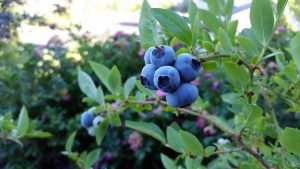
Growers often combine herbicides, mulching, and cultivation techniques to suppress weeds without harming blueberry bushes. The goal is to maintain a weed-free root zone while supporting soil moisture and preventing erosion.
This guide presents the 10 best Highbush Blueberry weed treatment options, covering certified herbicide products, organic solutions, and integrated weed management strategies for commercial and smallholder growers.
10 Best Highbush Blueberry Weed Treatment
1. Flumioxazin – SureGuard (Valent U.S.A.) – Best Pre-Emergence Weed Control
Flumioxazin herbicide (brand SureGuard) is one of the most effective pre-emergence weed treatment products for highbush blueberry fields. It creates a protective barrier in the soil that prevents weed seeds from germinating without harming established blueberry plants when used correctly. Farmers often apply it after planting or before weed emergence to suppress both broadleaf and grass weeds in the root zone.

This herbicide remains active in the soil for several weeks, reducing the need for frequent applications and lowering early-season weed pressure. Flumioxazin is especially effective against annual weeds like pigweed, clover, and purslane, which compete aggressively with blueberry seedlings. Successful application improves blueberry establishment and minimizes labor costs associated with manual weed removal.
Its selectivity and residual control make Flumioxazin a top choice for commercial blueberry growers seeking consistent weed management. It supports long intervals between treatments, which is ideal for large acreage. However, proper calibration and timing are critical to prevent crop injury.
Pros:
• Pre-emergence
• Long control
• Broad spectrum
• Labor saving
• Crop safe
• High efficiency
• Reliable barrier
Cons:
• Timing sensitive
• Soil type
• Calibration needed
2. Glyphosate – Roundup Pro (Bayer) – Best Non-Selective Weed Kill
Glyphosate (Roundup Pro) is a widely used non-selective systemic herbicide for controlling existing weeds around highbush blueberries. It works by being absorbed into the plant foliage and disrupting essential amino acid production, effectively killing annual and perennial weeds. Growers use it carefully around blueberry rows using shielded sprayers to avoid contact with crop foliage.
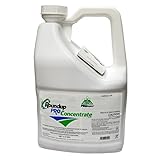
Roundup Pro is especially useful for burndown weed control before planting, between rows, and around field edges where weed buildup is highest. Its broad activity spectrum allows the treatment of grasses, sedges, and broadleaf species without multiple product rotations. For established blueberry fields, it’s commonly applied with protective nozzles or wipers to shield crop plants.
Due to its effectiveness and affordability, glyphosate remains a cornerstone weed treatment in blueberry production. Application safety protocols and selective use help maximize weed control while protecting crops. Always follow label restrictions to avoid crop injury.
Pros:
• Broad spectrum
• Burndown control
• Economical
• Widely available
• Easy use
• Strong kill
• Systemic action
Cons:
• Non-selective
• Crop risk
• Overuse concerns
3. Mulching – Best Cultural Weed Suppression Technique
Mulching uses organic materials such as wood chips, sawdust, straw, or pine bark to physically suppress weeds and improve soil moisture in blueberry plantations. Since blueberries prefer acidic soils, pine bark mulch also helps maintain favorable soil pH while preventing weed emergence. The mulch layer blocks sunlight from reaching weed seeds, inhibiting germination.

Organic mulch also enhances soil structure, conserves moisture, and reduces soil temperature fluctuations — all beneficial for blueberry root health. Mulching reduces the need for herbicide applications, making it ideal for organic or low-input production systems. It also supports beneficial microbial activity in the root zone.
This weed treatment method is widely recommended for both home gardens and commercial blueberry fields where weed suppression and soil quality go hand-in-hand. Regular mulch replenishment is needed to maintain effectiveness. Mulching is a cornerstone of sustainable weed control.
Pros:
• Weed barrier
• Moisture boost
• Soil pH help
• Organic option
• Slows erosion
• Low toxicity
• Improves roots
Cons:
• Labor heavy
• Material cost
• Reapplication
4. Hand Weeding – Best for Precision Weed Removal
Hand weeding remains one of the most accurate weed treatment practices for highbush blueberries, especially in young or intensively managed fields. It allows growers to remove weeds in close proximity to blueberry plants without injuring roots or crowns. Hand removal is essential where selective herbicide options are limited or unsuitable.

Growers typically use hoes, weeders, or tine tools to uproot weeds between blueberry rows and around drip tape. This method is especially effective against broadleaf weeds that emerge later in the season. While time-consuming, it ensures that no weeds are left to compete with crops.
Hand weeding remains a key component of integrated weed management (IWM) in blueberry production systems where precision and crop safety are paramount. It also prevents weed seed dispersal and helps maintain clean rows for harvesting. Pairing hand weeding with other control methods enhances overall effectiveness.
Pros:
• Precise removal
• No chemicals
• Crop safe
• Easy tools
• Quick results
• Immediate action
• Complements mulch
Cons:
• Labor intensive
• Time consuming
• Costly work
5. Landscape Fabric – Best for Long-Term Weed Suppression
Landscape fabric (geotextile weed barrier) is a physical weed control tool installed between blueberry rows to block weed emergence. It allows water and nutrients to pass through while preventing weeds from penetrating the soil surface. Farmers searching for durable weed treatment for highbush blueberry rows often install fabric along planting beds.

This method provides reliable weed suppression for multiple seasons when combined with mulch on top. It is especially useful in permanent blueberry plantings and large commercial operations. By reducing weed pressure, landscape fabric minimizes the need for repeated herbicide applications.
Landscape fabric paired with mulch creates a long-lasting weed barrier that supports moisture conservation and soil temperature moderation. When installed properly, it significantly reduces weed populations. Frequent inspection and repair ensure continued effectiveness.
Pros:
• Long suppression
• Water permeable
• Reduces herbicides
• Durable material
• Moisture help
• Row protection
• Clean beds
Cons:
• Installation cost
• Fabric tears
• Labor required
6. Cultivation Tools – Best for Mechanical Weed Disturbance
Using cultivation tools such as rotary hoes, tine weeders, and inter-row cultivators provides mechanical weed control in blueberry fields. These implements disturb the soil surface, uprooting small weeds before they become established. Cultivation is ideal when weeds are small and soil conditions are suitable.
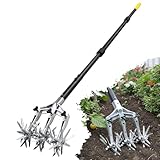
Mechanical weed disturbance improves aeration and helps break up crusted soil, promoting better root growth for blueberry bushes. It is best used early in the season before plants become too large. Cultivation must be carefully timed to avoid damaging shallow roots.
Mechanical methods are a core part of integrated weed management because they reduce reliance on chemicals. Cultivation supports timely weed suppression and helps maintain clean farm operations. When complemented with mulch or herbicides, results improve significantly.
Pros:
• Mechanical control
• Early suppression
• Soil aeration
• Herbicide reduction
• Works wide area
• Timely use
• Complements IWM
Cons:
• Root risk
• Soil wetness
• Equipment cost
7. Imazapyr – Arsenal AC (BASF) – Best Brush & Perennial Weed Control
Imazapyr (Arsenal AC) is a broad-spectrum herbicide designed to provide effective treatment against perennial weeds and woody brush around highbush blueberry plantings. It is commonly used in field edges, borders, and buffer zones where perennial weeds like bindweed and thistles thrive. Applied carefully using directed spray methods, it does not injure target blueberry plants.

Arsenal AC translocates into the weed root systems, providing extended control and limiting regrowth. This makes it especially useful for perennial weed suppression in mature blueberry fields. Growers often use it in uncultivated zones or non-cropped borders.
Although not applied directly on plants, its selective application helps maintain weed-free environments adjacent to blueberry rows. By controlling robust weed species, it reduces seed rain and weed pressure within production zones.
Pros:
• Perennial control
• Long lasting
• Deep root kill
• Habitat buffer
• Equipment compatible
• Weed prevention
• Broad action
Cons:
• Cropped areas limited
• Application care
• Specialized equipment
8. Herbicide Shielded Sprayers – Best for Targeted Chemical Weed Control
Shielded sprayers are application tools rather than herbicides, designed to apply non-selective weed killers such as glyphosate safely near blueberry plants. The shields protect crop foliage from drift or overspray while delivering herbicide to unwanted weeds. Farmers searching for best precision weed treatment tools use shielded sprayers for row edge weed control.
This method is especially useful where hand weeding is impractical or too labor-intensive. Shielded sprayers minimize chemical contact with blueberry bushes and maximize herbicide delivery to weeds. Proper calibration and operator skill yield excellent results.
Shielded sprayers enhance weed control accuracy and reduce crop injury risk. They are compatible with a range of herbicide formulations. Such tools are essential components of modern blueberry weed treatment programs.
Pros:
• Shield protection
• Target application
• Reduces drift
• Herbicide compatible
• Precision control
• Easy maneuver
• Field adaptable
Cons:
• Calibration needed
• Operator skill
• Tool cost
9. Organic Herbicide – Vinegar / Acetic Acid Blend – Best Natural Weed Burn Down
Organic weed treatment using high-strength vinegar (acetic acid blends) is an alternative for conventional herbicides in blueberry fields. These natural products burn down young weeds by disrupting their cell membranes, causing plant desiccation. They are useful for early weed suppression without synthetic chemicals.

Organic sprays work best when applied to small, tender weeds on sunny days. They do not provide residual soil control, but repeated applications reduce weed populations over time. Organic herbicides are often integrated with other cultural methods like mulching or flaming.
This method is ideal for growers targeting chemical-free weed control while maintaining crop safety. It aligns with organic certification and reduces environmental impact. Reapplication and timing are critical for effectiveness.
Pros:
• Chemical-free
• Organic approved
• Burns weeds
• Short wait
• Safe residue
• Easy application
• Eco-friendly
Cons:
• No residual
• Reapplication
• Sunlight needed
10. Flame Weeding – Master Flame – Best Heat-Based Weed Suppression
Flame weeding with propane burners such as Master Flame weed control tools provides a non-chemical weed treatment option for highbush blueberries. This method uses controlled heat to destroy young weed seedlings before crop emergence or between established rows. It disrupts weed cell structure, causing thermal damage.

Flame weeding works best on small weeds and in early seasons before bushes have filled the row. It is commonly used in organic blueberry production systems and paired with mulch for enhanced weed suppression. Operators must carefully avoid overheating soil or burning crop foliage.
Flame weeding offers chemical-free, fast weed suppression that integrates well with other cultivation practices. It supports environmentally conscious farmers and reduces herbicide reliance. Safety equipment and training are essential for effective use.
Pros:
• Chemical-free
• Quick action
• Organic friendly
• Early control
• Eco-friendly
• Burns seedlings
• Herbicide alternative
Cons:
• Fire risk
• Weather limited
• Operator skill
What Are The Growing Conditions For Alfalfa FAQs
1. What soil pH is ideal for alfalfa?
The ideal soil pH for alfalfa is 6.5–7.5, which supports nutrient absorption and nitrogen fixation.
2. How much sunlight does alfalfa need?
Alfalfa requires 6–8 hours of full sun per day.
3. What is the optimal planting depth?
1–1.5 cm ensures seedling emergence and root growth.
4. How often should alfalfa be irrigated?
Moderate, 500–800 mm annually depending on rainfall.
5. When is the best time to harvest?
Early bloom stage maximizes protein and digestibility.
6. Can alfalfa tolerate drought?
Yes, deep roots allow it to survive semi-arid conditions.
7. How do I control pests in alfalfa?
Use resistant varieties, crop rotation, and regular monitoring.
Conclusion
In conclusion, the best weed treatment for highbush blueberry production is Integrated Weed Management, combining cultural, mechanical, and chemical methods for sustained control with minimal crop risk. The runner-up is Flumioxazin (SureGuard), chosen for strong pre-emergence weed suppression and long residual control that protects young plants.
Integrated Weed Management was selected as best because it reduces herbicide resistance, improves field cleanliness, and supports long-term productivity. Flumioxazin is the runner-up due to its broad spectrum control and effectiveness in early weed suppression.
Other valuable treatments include mulching, mechanical cultivation, and shielded sprayer use, which reduce weed competition without injuring blueberry plants. Organic options such as vinegar blends and flame weeding offer chemical-free alternatives suitable for sustainable and certified organic systems.
Effective weed treatment protects yield, root quality, and plant vigor while reducing labor costs and environmental impact. Farmers adopting these strategies achieve consistent blueberry production with minimized weed pressure.
Recent Posts
The best fertilizer for Spathoglottis Kimballiana is crucial for promoting strong roots, lush foliage, and vibrant blooms. Fertilizers with NPK ratios between 10-10-10 and 20-10-20 provide balanced...
The best fertilizer for ground orchids plays a critical role in promoting strong root systems, vibrant foliage, and consistent blooming performance. Selecting a well-balanced nutrient formula with an...