Finding the best ground covers that bloom all summer can transform your garden into a vibrant, low-maintenance oasis. Choosing plants that provide continuous color ensures your outdoor space remains lively without constant replanting.
Many gardeners struggle to keep flowers blooming throughout the season, but ground covers are a simple solution. These plants spread quickly, suppress weeds, and add texture to any garden bed or slope.

Variety is key, from flowering perennials to hardy annuals. Selecting the right species for sunlight, soil type, and climate is essential for long-lasting blooms.
In this guide, we explore the best ground covers that bloom all summer, detailing their features, benefits, and care tips. You’ll also find a list of top brands and expert advice to make informed choices.
20 Best Ground Covers That Bloom All Summer
1. Creeping Thyme – Best Fragrant Ground Cover For Sun-Loving Gardens
Creeping Thyme is simple to plant and maintain while producing a stunning carpet of purple blossoms throughout the season. This aromatic herb spreads rapidly and thrives in sunny, well-drained locations. Its dense foliage naturally suppresses weeds, reducing garden upkeep.
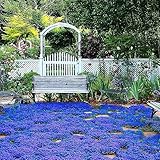
The vibrant blooms attract bees and other pollinators, enhancing garden biodiversity. Creeping Thyme is drought-tolerant, ideal for low-water landscapes. Walking on its soft leaves releases a pleasant fragrance, creating an immersive garden experience.
Gardeners report that this plant thrives in poor soils with minimal care once established. Its resilient growth ensures consistent coverage and colorful interest during summer months. Collectively, Creeping Thyme delivers fragrance, visual appeal, and practical ground coverage.
Pros:
• Fragrant
• Drought-tolerant
• Low-maintenance
• Attracts bees
• Fast-spreading
• Heat-resistant
• Weed-suppressing
Cons:
• Short-lived blooms
• Needs sun
• Not shade-tolerant
2. Ajuga (Bugleweed) – Best Shade-Tolerant Blooming Ground Cover
Ajuga thrives in shaded areas while offering striking floral spikes. Its dense foliage forms a lush carpet of green with blue or purple blooms. The trailing growth makes it excellent for borders, walkways, and garden edges.
This plant tolerates a wide range of soils and partial shade, making it versatile for various garden zones. Its evergreen leaves provide year-round texture even when flowers fade. Ajuga also helps prevent soil erosion, ideal for slopes and uneven terrain.
Gardeners appreciate its ability to cover bare patches and suppress weeds effectively. Minimal watering and low maintenance ensure reliable floral coverage all summer. In summary, Ajuga adds both color and functional value to shaded spaces.
Pros:
• Shade-tolerant
• Fast-growing
• Evergreen
• Colorful flowers
• Erosion control
• Low-care
• Pollinator-friendly
Cons:
• Spreads aggressively
• Short-lived flowers
• Needs moisture
3. Creeping Phlox – Best Colorful Ground Cover For Slopes
Creeping Phlox creates a vivid floral carpet across slopes and rock gardens. Its evergreen foliage adds texture, even when blooms are not at peak. This fast-spreading plant enhances borders with bright, eye-catching flowers.
Thriving in full sun and well-drained soil, Creeping Phlox is low-maintenance yet visually stunning. Its blooms attract butterflies and other pollinators. The compact growth allows for coverage without overwhelming surrounding plants.
Many gardeners report excellent drought tolerance and pest resistance. Altogether, Creeping Phlox delivers striking color, adaptability, and a dramatic seasonal display.
Pros:
• Vibrant flowers
• Drought-tolerant
• Fast-spreading
• Evergreen
• Attracts butterflies
• Low-care
• Soil-stabilizing
Cons:
• Needs sun
• Short bloom peak
• Susceptible to mildew
4. Sweet Alyssum – Best Low-Growing Blooming Ground Cover
Sweet Alyssum produces a dense mat of tiny, fragrant flowers all summer. Available in white, pink, or purple, it softens borders and container edges. Its low height is perfect for walkways and rock gardens.
The plant adapts to different soils and can self-seed for ongoing blooms. Sweet Alyssum attracts bees, butterflies, and other pollinators. Its delicate floral coverage complements taller plants beautifully.
This ground cover thrives in sun or partial shade and requires minimal maintenance. As a result, Sweet Alyssum delivers continuous blooms with sweet fragrance and easy care.
Pros:
• Fragrant
• Low-growing
• Self-seeding
• Attracts pollinators
• Quick coverage
• Versatile
• Soft texture
Cons:
• Needs deadheading
• Short-lived annual
• Sensitive to frost
5. Vinca Minor (Periwinkle) – Best Evergreen Summer Bloomer
Vinca Minor creates a dense evergreen carpet with blue or purple blossoms. Its trailing growth covers large areas, slopes, and shady spots under trees. Glossy foliage adds visual interest year-round.
The plant tolerates sun to partial shade and adapts to most soils. Once established, Vinca Minor is drought-tolerant and reduces watering needs. Its ground-hugging habit naturally suppresses weeds and prevents erosion.
Gardeners value its long-lasting flowers and resilience across various conditions. Combined, Vinca Minor offers vibrant summer blooms, foliage beauty, and dependable coverage.
Pros:
• Evergreen
• Low-maintenance
• Drought-tolerant
• Fast-growing
• Shade-friendly
• Weed-suppressing
• Long-lasting blooms
Cons:
• Invasive in some regions
• Needs pruning
• Slow initial growth
6. Sedum (Stonecrop) – Best Drought-Tolerant Blooming Ground Cover
Sedum features clusters of star-shaped flowers throughout summer. Its succulent leaves retain moisture, making it highly drought-tolerant. Sedum spreads to form thick mats, ideal for rock gardens and sunny borders.
This plant attracts pollinators and thrives in poor, well-draining soil. Minimal maintenance is required, making it a reliable choice for continuous floral coverage. Colors range from pink to red, adding vibrancy to sunny landscapes.
Gardeners appreciate its resilience and long-lasting blooms. Thus, Sedum combines color, durability, and practicality for low-maintenance gardens.
Pros:
• Drought-tolerant
• Low-maintenance
• Fast-growing
• Attracts pollinators
• Colorful blooms
• Hardy
• Soil-friendly
Cons:
• Short bloom period
• Needs sun
• Can be leggy
7. Lamium (Dead Nettle) – Best Shade-Loving Flowering Ground Cover
Lamium adds bright foliage and blooms in shaded areas. Silver-variegated leaves with pink, white, or purple flowers brighten dark garden corners. Its trailing habit fills bare spots beneath trees or shrubs.
The plant tolerates poor soils and partial to full shade. Lamium spreads naturally, forming a thick mat that suppresses weeds. Its soft foliage adds texture while providing consistent summer color.
Gardeners report reliable flowers through the summer season with minimal effort. In total, Lamium enhances shaded areas with both color and coverage.
Pros:
• Shade-tolerant
• Low-maintenance
• Fast-spreading
• Colorful blooms
• Weed-suppressing
• Evergreen
• Soft foliage
Cons:
• Sensitive to frost
• Short bloom peak
• Spreads aggressively
8. Coral Bells (Heuchera) – Best Colorful Foliage Ground Cover
Coral Bells provide striking foliage with delicate, bell-shaped flowers throughout summer. Leaves vary from burgundy to bright green, adding year-round interest. Floral spikes provide vertical accents to low-growing beds.
Thriving in partial shade to full sun, Coral Bells tolerate most soil types. Resistant to deer and rabbits, they are ideal for safe, vibrant ground coverage. Long-lasting leaves ensure color and texture even after flowers fade.
Gardeners enjoy the combination of foliage beauty and summer flowers. This makes it suitable for borders, containers, and mass plantings.
Pros:
• Colorful foliage
• Summer blooms
• Deer-resistant
• Low-maintenance
• Shade-tolerant
• Fast-growing
• Versatile
Cons:
• Needs well-drained soil
• Slow initial growth
• Some require watering
9. Ice Plant (Delosperma) – Best Heat-Tolerant Ground Cover For Dry Climates
Ice Plant (Delosperma) forms a vibrant mat of succulent foliage covered with bright daisy-like blossoms during summer. This plant thrives in sunny, dry environments and spreads quickly across rock gardens and borders. Its colorful petals often appear in shades of pink, purple, yellow, or orange.
The succulent leaves store moisture, allowing Ice Plant to tolerate drought conditions easily. This feature makes it especially suitable for xeriscaping and low-water landscapes. Its dense growth pattern also helps reduce weed competition in garden beds.
Garden designers often use Ice Plant to brighten slopes, pathways, and rocky terrain. The intense flower colors create a striking visual contrast against gravel or stone features. Consequently, Ice Plant provides both durability and vibrant seasonal color.
Pros:
• Drought-resistant
• Heat-tolerant
• Bright flowers
• Fast-spreading
• Low-maintenance
• Pollinator-friendly
• Rock garden
Cons:
• Needs drainage
• Cold-sensitive
• Limited shade
10. Dianthus (Cheddar Pink) – Best Fragrant Flowering Ground Cover
Dianthus, often called Cheddar Pink, produces clusters of small, fringed blossoms with a pleasant clove-like scent. Its low-growing foliage forms a soft mat that spreads gently across borders and pathways. The flowers typically appear in shades of pink, red, or white.
This plant thrives in sunny areas with well-drained soil. Its compact growth pattern allows it to fill small gaps in garden beds without overwhelming nearby plants. Dianthus also attracts butterflies and beneficial insects.
Many gardeners favor Dianthus for its fragrance and decorative appeal. The blooms provide delicate color while the evergreen foliage maintains year-round texture. Taken together, Dianthus offers scent, beauty, and practical coverage.
Pros:
• Fragrant
• Compact growth
• Colorful blooms
• Pollinator-friendly
• Evergreen foliage
• Border-friendly
• Decorative
Cons:
• Needs sun
• Soil drainage
• Short bloom
11. Mazus (Mazus reptans) – Best Fast-Spreading Ground Cover For Moist Soil
Mazus reptans creates a dense green carpet covered with small violet-blue flowers. The plant spreads quickly, making it useful for filling large open areas. Its delicate blooms appear abundantly during warm months.
Mazus grows well in moist soils and tolerates light foot traffic. Because of this durability, it works well between stepping stones and along garden pathways. The plant also adapts to partial shade.
Landscape designers often use Mazus to create lush garden floors. The vibrant blossoms contrast beautifully with surrounding foliage plants. As a result, Mazus reptans offers both coverage and attractive seasonal color.
Pros:
• Fast-spreading
• Dense coverage
• Moist tolerant
• Shade adaptable
• Pathway plant
• Soft texture
• Pollinator-friendly
Cons:
• Needs moisture
• Can spread
• Winter dieback
12. Verbena (Trailing Verbena) – Best Long-Blooming Ground Cover
Trailing Verbena produces clusters of vibrant flowers that extend across garden beds throughout summer. The plant spreads outward, forming colorful cascades of purple, red, or pink blossoms. Its growth habit makes it ideal for borders and raised beds.
Verbena thrives in full sun and well-drained soil conditions. The plant attracts butterflies and pollinators while maintaining continuous blooms during warm months. Its spreading stems create impressive floral coverage.
Gardeners appreciate Verbena for its long flowering period and strong visual impact. The cascading habit adds movement and texture to landscape designs. Therefore, Trailing Verbena delivers extended color and pollinator activity.
Pros:
• Long-blooming
• Bright flowers
• Pollinator magnet
• Sun-loving
• Fast coverage
• Heat tolerant
• Border plant
Cons:
• Needs sun
• Regular watering
• Frost sensitive
13. Campanula (Bellflower) – Best Ground Cover With Bell-Shaped Flowers
Campanula, commonly called Bellflower, produces charming bell-shaped blossoms that brighten garden beds. Its trailing stems spread gradually to form a lush flowering carpet. The flowers typically appear in shades of blue, purple, or white.
Bellflower performs well in sunny or lightly shaded locations. Its elegant blooms add softness and movement to rock gardens and borders. The plant’s spreading habit also helps stabilize soil on slopes.
Gardeners admire Campanula for its graceful floral form and extended blooming period. The delicate blossoms create a classic cottage-garden appearance. Altogether, Campanula blends ornamental charm with reliable coverage.
Pros:
• Elegant blooms
• Spreading habit
• Shade tolerant
• Rock garden
• Soil stabilizer
• Cottage style
• Pollinator-friendly
Cons:
• Moderate spread
• Needs drainage
• Some pruning
14. Coreopsis (Creeping Coreopsis) – Best Bright Yellow Ground Cover
Creeping Coreopsis produces cheerful yellow flowers that brighten landscapes during summer. Its spreading stems form a vibrant floral blanket across sunny garden beds. The plant thrives in warm climates and well-drained soils.
Coreopsis is highly tolerant of heat and dry conditions. The golden blooms attract butterflies while adding striking color contrast to green foliage. Its spreading nature makes it effective for covering open ground.
Gardeners value Coreopsis for its lively color and resilience. The plant requires little care while maintaining strong seasonal displays. Consequently, Creeping Coreopsis is a dependable option for bright summer gardens.
Pros:
• Bright color
• Heat tolerant
• Drought tolerant
• Butterfly magnet
• Fast spread
• Low-care
• Summer blooms
Cons:
• Needs sun
• Can reseed
• Light pruning
15. Portulaca (Moss Rose) – Best Annual Ground Cover For Hot Summers
Portulaca, often called Moss Rose, produces vibrant rose-like blossoms across a low-growing mat of succulent foliage. The flowers appear in bright shades such as pink, yellow, orange, and red. This plant thrives in hot, sunny environments.
The succulent leaves allow Portulaca to tolerate extreme heat and drought. Because of this resilience, it performs well in containers, borders, and dry garden beds. Its spreading growth quickly covers exposed soil.
Gardeners appreciate Moss Rose for its intense color and ability to thrive in challenging conditions. The flowers open in sunlight, creating a lively daytime display. In summary, Portulaca delivers bold color and dependable summer coverage.
Pros:
• Heat tolerant
• Bright blooms
• Drought resistant
• Fast coverage
• Low-care
• Container friendly
• Summer color
Cons:
• Needs sun
• Annual plant
• Night closing
16. Snow-in-Summer (Cerastium tomentosum) – Best Silver Foliage Ground Cover With Summer Blooms
Snow-in-Summer (Cerastium tomentosum) creates a striking carpet of silvery foliage topped with delicate white blossoms. The plant spreads quickly across sunny areas, forming a bright and textured ground layer. Its shimmering leaves provide visual contrast against darker garden plants.
This species thrives in full sun and well-drained soil conditions. The spreading stems make it particularly useful for slopes, borders, and rocky landscapes. Its drought tolerance allows it to perform well in dry summer climates.
Landscape designers often use Snow-in-Summer to brighten rock gardens and dry beds. The combination of silver leaves and white flowers produces a clean, elegant look. Consequently, Cerastium tomentosum offers both ornamental foliage and seasonal floral interest.
Pros:
• Silver foliage
• Drought tolerant
• Fast spread
• Rock gardens
• Bright flowers
• Heat resistant
• Soil stabilizer
Cons:
• Needs sun
• Short bloom
• Aggressive growth
17. Calibrachoa (Million Bells) – Best Cascading Ground Cover For Continuous Color
Calibrachoa, often known as Million Bells, produces abundant petunia-like blossoms across trailing stems. The flowers appear in vibrant colors including purple, yellow, red, and orange. Its cascading growth creates dense floral coverage across garden beds and containers.
This plant thrives in sunny locations with well-drained soil. The blooms appear continuously through summer without requiring frequent deadheading. Its spreading habit quickly fills open spaces with bright color.
Gardeners favor Calibrachoa for its extended flowering season and decorative appearance. The compact foliage supports a constant display of blossoms throughout warm months. Taken together, Calibrachoa provides reliable color and dense coverage.
Pros:
• Continuous blooms
• Bright colors
• Cascading growth
• Sun loving
• Compact foliage
• Container friendly
• Pollinator friendly
Cons:
• Needs feeding
• Frost sensitive
• Water sensitive
18. Barrenwort (Epimedium) – Best Ground Cover For Dry Shade Gardens
Barrenwort (Epimedium) is valued for its delicate flowers and attractive heart-shaped foliage. The plant spreads slowly to form a graceful ground layer beneath trees and shrubs. Its blooms appear in soft shades of yellow, pink, or purple.
Epimedium performs exceptionally well in dry shade conditions. Once established, it tolerates drought while maintaining lush foliage. The plant also resists deer and rabbits, making it suitable for woodland gardens.
Garden designers often include Epimedium in shaded landscapes where other flowering plants struggle. The airy blossoms provide subtle elegance during the growing season. As a result, Epimedium combines resilience with ornamental beauty.
Pros:
• Shade tolerant
• Deer resistant
• Elegant flowers
• Woodland plant
• Drought tolerant
• Long-lived
• Decorative foliage
Cons:
• Slow spread
• Higher cost
• Partial blooms
19. Hardy Geranium (Cranesbill) – Best Long-Lasting Flowering Ground Cover
Hardy Geranium, also called Cranesbill, produces vibrant blossoms across spreading foliage. The flowers typically appear in purple, pink, or blue shades. Its dense growth creates attractive ground coverage across borders and garden beds.
This plant thrives in both sun and partial shade. The extended blooming season allows it to provide color from late spring through summer. Its foliage remains attractive even after flowers fade.
Gardeners appreciate Hardy Geranium for its durability and ease of care. The spreading stems gradually fill empty spaces with lush greenery and blossoms. Therefore, Hardy Geranium delivers dependable coverage with long-lasting color.
Pros:
• Long blooming
• Hardy plant
• Shade tolerant
• Dense foliage
• Easy care
• Pollinator friendly
• Border plant
Cons:
• Moderate spread
• Needs trimming
• Seasonal dormancy
20. Blue Star Creeper (Isotoma fluviatilis) – Best Ground Cover For Stepping Stones
Blue Star Creeper (Isotoma fluviatilis) forms a soft green carpet dotted with tiny star-shaped blue flowers. The plant spreads evenly, creating a delicate yet durable ground layer. Its miniature blossoms provide subtle charm throughout summer.
This species tolerates light foot traffic, making it useful between stepping stones or along pathways. It grows well in both sun and partial shade. The dense foliage helps reduce weed growth.
Landscape planners frequently use Blue Star Creeper to create natural-looking garden paths. The star-like flowers add subtle color while maintaining a neat appearance. Collectively, Blue Star Creeper offers beauty and practical ground coverage.
Pros:
• Foot tolerant
• Dense carpet
• Small flowers
• Pathway plant
• Shade adaptable
• Soft texture
• Weed control
Cons:
• Needs moisture
• Slow start
• Cold sensitive
Best Ground Covers That Bloom All Summer FAQs
1. What are the easiest ground covers that bloom all summer?
Creeping Thyme, Ajuga, and Sedum grow quickly with minimal care while providing extended floral coverage.
2. Which ground covers tolerate shade and bloom all summer?
Ajuga, Lamium, and Coral Bells thrive in low-light areas while producing vibrant flowers.
3. Can ground covers prevent weeds while blooming?
Yes. Creeping Phlox and Vinca Minor form dense mats that naturally suppress weeds.
4. How do I maintain ground covers for continuous summer color?
Watering, pruning dead flowers, and ensuring proper sunlight help maintain long-lasting blooms.
5. Which ground covers attract pollinators all summer?
Creeping Thyme, Creeping Phlox, and Sedum attract bees, butterflies, and other pollinators.
6. Are these ground covers drought-tolerant?
Sedum, Creeping Thyme, and Vinca Minor require minimal water once established.
7. Which ground covers are suitable for slopes and erosion control?
Creeping Phlox, Ajuga, and Vinca Minor stabilize soil while maintaining floral coverage.
Conclusion
In conclusion, choosing the best ground covers that bloom all summer creates vibrant, low-maintenance gardens. Creeping Thyme provides fragrance and fast growth, while Creeping Phlox is a runner-up for colorful slopes and rock gardens.
Vinca Minor delivers evergreen foliage with long-lasting blooms, making it perfect for larger areas. Sedum offers drought tolerance and resilience for sunny landscapes.
Shade-tolerant options like Ajuga and Lamium enhance underplanting and add texture where sunlight is limited. Coral Bells combine stunning foliage with summer flowers, providing versatile color and texture.
Selecting the right ground cover ensures extended floral displays, low-maintenance care, and increased biodiversity. Explore these top choices to create a flourishing garden that thrives all summer.
Recent Posts
Choosing the Best Fertilizer For Salvias is essential for achieving vibrant blooms, lush foliage, and strong root systems. Proper nutrient management ensures salvias receive the right balance of...
Choosing the best fertilizer for ginger plant is essential for achieving strong rhizome development, vigorous foliage, and high yields. Proper nutrient management ensures ginger plants receive the...