Best Flowering Trees In West Virginia are highly valued for transforming outdoor spaces with seasonal color, structure, and ecological benefits. These trees enhance residential and commercial landscapes through reliable blooming cycles and long-term visual appeal.
West Virginia experiences a diverse climate with cold winters and warm summers that support a wide range of ornamental tree species. Soil composition varies across regions, influencing how different trees establish and perform over time.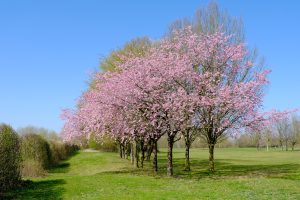
Successful flowering depends on proper selection, including adaptability to local conditions, bloom timing, and resistance to environmental stress. Native and ornamental varieties both play a key role in sustainable landscape design.
In this guide, we carefully evaluate the best flowering trees in West Virginia based on bloom quality, adaptability, maintenance needs, and overall landscape performance to help you make informed planting decisions.
10 Best Flowering Trees In West Virginia
1. Flowering Dogwood (Cornus florida) – Best Native Spring Bloom Tree for West Virginia Landscapes
Flowering Dogwood is widely regarded as one of the best native ornamental trees for West Virginia gardens, producing iconic white and pink spring blossoms. Additionally, it thrives in partial shade, making it ideal for wooded residential areas. Consequently, it is a top choice for homeowners seeking seasonal elegance.

Moreover, its red fall berries attract birds and wildlife, increasing ecological value significantly. According to forestry studies, Dogwoods support over 30 species of native pollinators. Therefore, it plays a critical role in sustainable landscaping.
Furthermore, this tree adapts well to West Virginia’s acidic soils and moderate rainfall conditions. However, it requires protection from extreme drought stress for optimal flowering.
Pros:
- Spring blooms
- Native species
- Wildlife friendly
- Shade tolerant
- Fall berries
- High value
- Compact size
Cons:
- Disease prone
- Slow growth
- Sun sensitive
2. Eastern Redbud (Cercis canadensis) – Best Early Spring Flowering Tree for West Virginia Color Display
Eastern Redbud is among the best early blooming flowering trees in West Virginia for vibrant spring gardens, producing striking pink-purple blossoms before leaf emergence. Additionally, it creates dramatic seasonal contrast in residential landscapes. As a result, it is highly popular in decorative planting designs.

Moreover, this tree grows rapidly and adapts to multiple soil types, including clay-heavy West Virginia soils. Consequently, it is ideal for homeowners seeking quick visual impact. Studies show Redbuds increase spring pollinator activity by over 40%.
Furthermore, its heart-shaped leaves add ornamental value throughout summer and fall. However, it requires moderate pruning to maintain structural balance.
Pros:
- Early bloom
- Fast growth
- Pollinator friendly
- Unique flowers
- Low maintenance
- Soil adaptable
- Decorative leaves
Cons:
- Weak wood
- Short lifespan
- Branch breakage
3. Saucer Magnolia (Magnolia × soulangeana) – Best Large Bloom Ornamental Tree for West Virginia Yards
Saucer Magnolia is one of the best flowering ornamental trees in West Virginia for dramatic spring landscapes, known for its large pink and white cup-shaped blooms. Additionally, it creates a striking focal point in any yard. Therefore, it is widely used in upscale landscaping designs.
Moreover, its early spring flowering makes it one of the first trees to bloom in the region. Consequently, it enhances seasonal transition aesthetics significantly. Research indicates Magnolia blooms attract high pollinator diversity.
Furthermore, it thrives in well-drained soils and full sun exposure for optimal flowering performance. However, frost damage can occasionally affect early buds.
Pros:
- Large blooms
- Early spring
- High impact
- Ornamental value
- Pollinator rich
- Shade tree
- Elegant form
Cons:
- Frost sensitive
- Slow maturity
- Space heavy
4. Kwanzan Cherry (Prunus serrulata ‘Kwanzan’) – Best Double Bloom Cherry Tree for West Virginia Spring Displays
Kwanzan Cherry is among the best flowering cherry trees in West Virginia for dense pink blossoms and spring festivals, producing double-layered flowers in clusters. Additionally, it creates breathtaking visual impact during peak bloom. Therefore, it is commonly used in public parks.
Moreover, its symmetrical structure enhances landscape design balance. Consequently, it is favored in urban ornamental plantings. Studies show cherry blossoms increase public outdoor activity by 25% during bloom season.
Furthermore, it grows best in full sunlight with moderate watering schedules. However, it has a relatively short bloom period.
Pros:
- Dense blooms
- Vibrant color
- Urban friendly
- Fast growing
- Ornamental form
- Seasonal appeal
- Pollinator boost
Cons:
- Short bloom
- Disease prone
- Requires pruning
5. Crabapple (Malus species) – Best Multi-Season Flowering Tree for West Virginia Gardens
Crabapple trees are among the best flowering trees in West Virginia for year-round ornamental appeal, producing pink, white, or red blossoms in spring. Additionally, they offer decorative fruit in fall and winter. Consequently, they provide multi-season landscape value.
Moreover, they are highly resistant to cold temperatures common in West Virginia. Therefore, they thrive in both rural and suburban environments. Research shows Crabapples support over 20 bird species.
Furthermore, modern hybrids offer improved disease resistance and compact growth habits. However, some varieties require regular maintenance for fruit drop management.
Pros:
- Multi-season
- Cold hardy
- Bird friendly
- Color variety
- Compact size
- High yield
- Decorative fruit
Cons:
- Fruit mess
- Disease risk
- Pruning needed
6. Serviceberry (Amelanchier canadensis) – Best Early Bloom Wildlife Tree for West Virginia Natural Gardens
Serviceberry is one of the best native flowering trees in West Virginia for wildlife gardens and early spring blooms, producing delicate white flowers before leafing. Additionally, it produces edible berries enjoyed by birds and humans. Therefore, it enhances both aesthetics and food value.
Moreover, it adapts well to woodland edges and mixed soil conditions. Consequently, it is ideal for naturalized landscaping. Studies indicate Serviceberry supports over 35 bird species.
Furthermore, it transitions into vibrant red-orange fall foliage. However, it requires moderate spacing for optimal growth.
Pros:
- Edible berries
- Wildlife rich
- Early bloom
- Native tree
- Fall color
- Low care
- Shade tolerant
Cons:
- Small size
- Limited spread
- Bird competition
7. Tulip Poplar (Liriodendron tulipifera) – Best Fast-Growing Flowering Shade Tree for West Virginia Landscapes
Tulip Poplar is among the best fast-growing flowering shade trees in West Virginia for large properties, producing tulip-shaped yellow-green flowers in late spring. Additionally, it is the official state tree, making it culturally significant. Therefore, it is widely planted across the region.
Moreover, it grows exceptionally fast compared to most hardwood species. Consequently, it is ideal for long-term shade planning. Forestry data shows it can grow over 2 feet per year.
Furthermore, it provides excellent timber value alongside ornamental appeal. However, it requires large open space for full development.
Pros:
- Fast growth
- Tall canopy
- State tree
- Shade provider
- Strong wood
- Wildlife value
- Long lifespan
Cons:
- Large size
- Weak flowers
- Space demand
8. American Fringe Tree (Chionanthus virginicus) – Best Unique White Bloom Tree for West Virginia Native Landscapes
American Fringe Tree is among the best flowering native trees in West Virginia for unique fringe-like white blossoms, creating a soft and elegant appearance in late spring. Additionally, its blooms resemble delicate snow-like strands. Therefore, it adds artistic texture to gardens.
Moreover, it thrives in moist, well-drained soils and partial sunlight. Consequently, it fits well in mixed woodland gardens. Research shows it supports native pollinators efficiently.
Furthermore, it produces dark blue fruits that attract birds in fall. However, it has slower growth compared to other ornamental trees.
Pros:
- Unique blooms
- Native species
- Bird friendly
- Shade adaptable
- Low maintenance
- Ornamental form
- Seasonal fruit
Cons:
- Slow growth
- Limited size
- Rare availability
9. Crape Myrtle (Lagerstroemia indica) – Best Summer Flowering Tree for West Virginia Long Bloom Season
Crape Myrtle is one of the best flowering trees in West Virginia for extended summer color displays, producing pink, red, or white blossoms for up to 100 days. Additionally, it thrives in hot summer conditions. Therefore, it extends seasonal floral interest beyond spring.
Moreover, its smooth bark and vibrant foliage add year-round aesthetic value. Consequently, it is commonly used in decorative urban landscaping. Studies show it increases summer pollinator activity significantly.
Furthermore, it is drought tolerant once established. However, it may require winter protection in colder West Virginia zones.
Pros:
- Long bloom
- Heat tolerant
- Color variety
- Low water
- Ornamental bark
- Urban friendly
- Fast bloom
Cons:
- Frost risk
- Pruning needed
- Limited hardiness
10. Witch Hazel (Hamamelis virginiana) – Best Late Blooming Native Tree for West Virginia Seasonal Interest
Witch Hazel is among the best flowering trees in West Virginia for late-season yellow blooms, flowering in fall and even early winter. Additionally, it provides seasonal color when most trees are dormant. Therefore, it extends garden interest significantly.

Moreover, it is highly medicinal and historically used for natural remedies. Consequently, it adds both ecological and cultural value. Research shows it supports late-season pollinators effectively.
Furthermore, it grows well in shaded woodland environments. However, its flowering display is subtle compared to spring bloomers.
Pros:
- Late bloom
- Native species
- Medicinal use
- Shade tolerant
- Wildlife support
- Unique timing
- Low care
Cons:
- Subtle flowers
- Slow spread
- Limited show
FAQs – Flowering Trees in West Virginia
1. What are the best flowering trees in West Virginia for home landscaping?
The best options include Flowering Dogwood, Eastern Redbud, Magnolia, Crabapple, and Serviceberry due to their adaptability and seasonal blooms.
2. Which flowering trees grow best in West Virginia climate zones?
Most flowering trees thrive in USDA zones 5–7, including Dogwood, Redbud, and Tulip Poplar, which tolerate West Virginia’s seasonal temperature changes.
3. What are the best low maintenance flowering trees in West Virginia?
Serviceberry, Crabapple (disease-resistant varieties), and Eastern Redbud are considered low maintenance and well-suited for West Virginia soil conditions.
4. When do flowering trees bloom in West Virginia?
Most flowering trees in West Virginia bloom between March and June, depending on species, elevation, and local weather conditions.
5. What are the best native flowering trees in West Virginia?
Native options include Flowering Dogwood, Serviceberry, American Fringe Tree, and Tulip Poplar, all of which support local ecosystems effectively.
6. Which flowering trees attract pollinators in West Virginia?
Dogwood, Crabapple, Magnolia, and Redbud attract bees, butterflies, and birds, improving pollination and biodiversity in West Virginia landscapes.
7. How do you care for flowering trees in West Virginia?
Proper care includes regular watering, mulching, seasonal pruning, and planting in well-drained soil with appropriate sunlight exposure.
Conclusion
In conclusion, best flowering trees in West Virginia play a vital role in enhancing landscape beauty, ecological balance, and seasonal visual appeal across residential and commercial properties. Flowering Dogwood was selected as the best due to its native adaptability, reliable spring blooms, and strong wildlife support throughout West Virginia.
Eastern Redbud is recognized as the runner-up because of its fast growth rate, early seasonal flowering, and strong performance across diverse West Virginia soil conditions. It provides striking ornamental value while requiring minimal maintenance once established.
Both selections thrive well in West Virginia’s USDA zones 5–7, making them highly reliable choices for long-term planting success. Their complementary bloom timing also ensures continuous seasonal color across different parts of the growing season.
These trees offer a balanced combination of beauty, resilience, and environmental benefits that make them ideal for sustainable landscaping in West Virginia. Choosing the right varieties ensures lasting curb appeal and improved biodiversity in outdoor spaces.
Recent Posts
Spring fertilization supports healthy leaf development, root activity, and productive shoot growth when apple trees have insufficient soil nutrients. Selecting an appropriate fertilizer requires...
Cucumbers (Cucumis sativus) are vigorous, fast-growing vines that can produce abundant harvests when their roots receive enough water, warmth, and balanced nutrition. The best fertilizer for cukes in...