Rabbits can quickly destroy a garden, especially when they target tender flowers and young shrubs. Choosing flowering shrubs that rabbits hate is one of the most effective ways to protect your landscape naturally.
According to many gardening studies, rabbits prefer soft, sweet-smelling plants and avoid shrubs with strong fragrance, toxic compounds, or fuzzy leaves. This is why certain flowering shrubs naturally deter rabbits without requiring fences or chemicals.
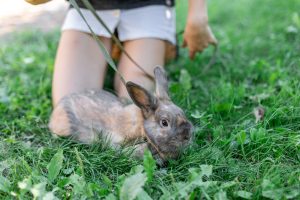
Gardeners often struggle with rabbits eating new buds and bark, particularly in spring when food is scarce. Planting rabbit-resistant flowering shrubs helps reduce damage while still creating a colorful and attractive landscape.
In this guide, you will discover the best flowering shrubs that rabbits hate, including plants known for their scent, texture, and natural deterrent properties that keep rabbits away from your garden.
10 Best Flowering Shrubs That Rabbits Hate
1. Lavender (Lavandula) – Best Flowering Shrub Rabbits Avoid Due to Strong Fragrance
Lavender is one of the most reliable flowering shrubs that rabbits hate because of its powerful scent. Rabbits generally avoid plants with strong aromatic oils that irritate their sensitive noses. This makes lavender an excellent choice for natural pest control.
This shrub produces beautiful purple flowers and thrives in sunny, well-drained soil. It is also drought-tolerant and requires very little maintenance once established. Many gardeners plant lavender around garden borders to create a natural rabbit barrier.
Lavender is also beneficial for attracting pollinators such as bees and butterflies. Its essential oils make it useful for herbal remedies and home fragrances. Overall, it combines beauty, fragrance, and pest resistance in one plant.
Pros
• Rabbit resistant
• Fragrant flowers
• Drought tolerant
• Low maintenance
• Pollinator friendly
• Attractive color
• Hardy shrub
Cons
• Needs sun
• Poor wet soil
• Slow growth
2. Butterfly Bush (Buddleia) – Best Rabbit Resistant Flowering Shrub for Pollinator Gardens
Butterfly bush is another shrub that rabbits usually ignore. Its strong scent and coarse foliage discourage rabbits from feeding on the plant. This makes it ideal for gardens that frequently experience rabbit damage.
The plant produces long spikes of colorful flowers that attract butterflies and hummingbirds. These blooms appear from summer through fall, creating long-lasting garden interest. It also grows quickly and fills empty garden spaces effectively.
Butterfly bush thrives in sunny areas and well-drained soil. Gardeners often plant it along fences or garden edges to reduce rabbit intrusion. It is both decorative and naturally pest resistant.
Pros
• Rabbit resistant
• Butterfly magnet
• Fast growth
• Long bloom
• Low care
• Colorful flowers
• Drought tolerant
Cons
• Needs pruning
• Can spread
• Large size
3. Russian Sage (Perovskia) – Best Flowering Shrub with Aromatic Foliage
Russian sage is famous for its silvery foliage and lavender-blue flowers. Rabbits dislike the strong herbal scent released by its leaves. This natural defense keeps most rabbits away.
This shrub thrives in dry climates and poor soil conditions. It grows well in full sun and can reach heights of up to five feet. Because of its height, it also works well as a border plant.
Russian sage blooms throughout the summer and attracts pollinators. Its airy structure adds texture to any landscape design. Many gardeners use it as a natural rabbit deterrent plant.
Pros
• Rabbit resistant
• Aromatic leaves
• Drought tolerant
• Long bloom
• Low care
• Attractive foliage
• Pollinator friendly
Cons
• Needs sun
• Tall growth
• Spreads wide
4. Barberry (Berberis) – Best Thorny Flowering Shrub That Rabbits Avoid
Barberry shrubs naturally deter rabbits because of their sharp thorns and bitter taste. Rabbits rarely attempt to chew plants that can injure their mouths. This makes barberry an effective protective hedge.
The shrub produces small yellow flowers in spring followed by bright red berries. Its colorful foliage also adds visual interest to landscapes throughout the year. Some varieties even have deep purple leaves.
Barberry is extremely hardy and tolerant of poor soil conditions. It is often used as a security hedge or natural barrier plant. Once established, it requires minimal maintenance.
Pros
• Thorny protection
• Rabbit resistant
• Hardy plant
• Colorful foliage
• Low care
• Drought tolerant
• Dense hedge
Cons
• Sharp thorns
• Can spread
• Needs pruning
5. Spirea (Spiraea) – Best Flowering Shrub for Colorful Rabbit-Resistant Borders
Spirea is widely planted because rabbits usually avoid its slightly bitter foliage and tough stems. This makes it a safe choice for gardens that suffer from rabbit damage. It also produces beautiful clusters of flowers.
The shrub blooms in shades of pink, white, or red depending on the variety. It grows well in both gardens and landscapes with minimal care. Many homeowners use it as a decorative border plant.
Spirea adapts to many climates and soil conditions. It also tolerates pruning well, making it easy to shape. Gardeners love it for its long blooming season and reliable growth.
Pros
• Rabbit resistant
• Easy grow
• Colorful blooms
• Hardy shrub
• Compact size
• Long bloom
• Low maintenance
Cons
• Needs pruning
• Moderate growth
• Sun required
6. Oleander (Nerium oleander) – Best Toxic Flowering Shrub Rabbits Avoid
Oleander is a beautiful flowering shrub that rabbits avoid because it is toxic if consumed. Animals instinctively stay away from plants that can harm them. This makes oleander naturally rabbit resistant.
The shrub produces large clusters of pink, white, or red flowers. It thrives in warm climates and tolerates drought conditions well. Because of its beauty, it is commonly used in ornamental landscapes.
However, gardeners must handle oleander carefully because it is toxic to humans and pets as well. Despite this caution, it remains one of the most rabbit-resistant flowering shrubs available.
Pros
• Rabbit resistant
• Beautiful flowers
• Drought tolerant
• Evergreen leaves
• Long bloom
• Hardy shrub
• Heat tolerant
Cons
• Toxic plant
• Needs sun
• Warm climate
7. Azalea (Rhododendron) – Best Spring Flowering Shrub Rabbits Usually Avoid
Azaleas produce stunning spring flowers that brighten gardens. Rabbits generally avoid them because their leaves contain natural toxins and bitter compounds. This discourages most wildlife from eating them.
The shrubs come in many colors including pink, red, orange, and white. They grow best in partially shaded areas with acidic soil. When properly cared for, they produce spectacular spring displays.
Azaleas are commonly used in landscaping for decorative borders. Their dense growth also provides habitat for birds and insects. They are valued for both beauty and natural rabbit resistance.
Pros
• Rabbit resistant
• Bright flowers
• Spring blooms
• Shade tolerant
• Attractive shrub
• Garden favorite
• Pollinator friendly
Cons
• Acid soil
• Needs care
• Seasonal bloom
8. Potentilla (Cinquefoil) – Best Low Maintenance Flowering Shrub Rabbits Hate
Potentilla is a tough shrub that rabbits rarely touch. Its bitter leaves and wiry stems discourage feeding. This makes it an excellent plant for rabbit-prone gardens.
The shrub produces cheerful yellow, orange, or white flowers. It blooms continuously throughout the summer. Its compact size makes it suitable for small landscapes.
Potentilla also tolerates drought and poor soil conditions. Many gardeners use it as a reliable border plant. It is one of the easiest rabbit-resistant shrubs to grow.
Pros
• Rabbit resistant
• Long bloom
• Easy grow
• Compact size
• Drought tolerant
• Bright flowers
• Hardy plant
Cons
• Small flowers
• Needs sun
• Moderate growth
9. Daphne (Daphne odora) – Best Fragrant Flowering Shrub Rabbits Avoid
Daphne shrubs produce incredibly fragrant flowers. Rabbits avoid them because their strong scent and toxic compounds act as natural deterrents. This keeps most rabbits away from the plant.
The shrub blooms in late winter or early spring. Its flowers release a powerful fragrance that spreads throughout the garden. Many gardeners plant it near entrances or patios.
Daphne prefers well-drained soil and partial shade. While it requires careful watering, its beauty and scent make it worth the effort. It is considered a luxury ornamental shrub.
Pros
• Rabbit resistant
• Fragrant blooms
• Winter flowers
• Compact size
• Ornamental shrub
• Garden fragrance
• Attractive foliage
Cons
• Sensitive roots
• Slow growth
• Care needed
10. Weigela – Best Decorative Flowering Shrub Rabbits Rarely Eat
Weigela is a popular flowering shrub known for its trumpet-shaped flowers. Rabbits typically avoid it because the leaves have a slightly bitter taste. This reduces the likelihood of damage.
The shrub blooms heavily in late spring and sometimes again in summer. Its flowers attract hummingbirds and pollinators. Many varieties also have colorful foliage.
Weigela grows well in sunny locations and average soil. It is often used in landscaping because it provides both flowers and structure. It is one of the most reliable rabbit-resistant flowering shrubs.
Pros
• Rabbit resistant
• Bright flowers
• Pollinator friendly
• Easy grow
• Hardy shrub
• Spring blooms
• Landscape favorite
Cons
• Needs pruning
• Sun required
• Large size
Flowering Shrubs That Rabbits Hate FAQs
1. What shrubs are completely rabbit proof?
No plant is 100% rabbit proof, but shrubs like lavender, barberry, Russian sage, and oleander are rarely eaten because of their strong scent or toxic compounds.
2. Why do rabbits avoid certain flowering shrubs?
Rabbits avoid plants with strong fragrance, toxic chemicals, fuzzy leaves, or thorns because these traits make the plants unpleasant or dangerous to eat.
3. Do rabbits eat flowering shrubs in winter?
Yes. When food is scarce in winter, rabbits may chew bark or stems even from plants they usually avoid.
4. Can rabbits damage young shrubs?
Young shrubs are more vulnerable because their stems are tender and easier to chew.
5. Are fragrant plants better at repelling rabbits?
Yes. Plants with strong aromas like lavender and Russian sage often repel rabbits effectively.
6. Do rabbit-resistant shrubs require special care?
Most rabbit-resistant shrubs are low maintenance, but they still need proper sunlight, watering, and soil conditions.
7. What is the best way to stop rabbits from eating plants?
Combining rabbit-resistant plants, garden fencing, and natural repellents offers the most effective protection.
Conclusion
In conclusion, choosing flowering shrubs that rabbits hate is one of the easiest ways to protect your garden naturally. Plants like lavender, barberry, and Russian sage offer beauty while discouraging rabbits from feeding.
Lavender stands out as the best overall choice because of its powerful fragrance and low maintenance requirements. Barberry works as the runner-up thanks to its protective thorns that rabbits instinctively avoid.
Planting several rabbit-resistant shrubs together increases your garden’s protection. This strategy also creates a colorful and diverse landscape.
If rabbits frequently damage your plants, consider adding these shrubs to your garden this season. Start planting rabbit-resistant flowering shrubs today to enjoy a healthier and more beautiful garden.
Recent Posts
Central Texas gardens face unique challenges due to hot summers, occasional drought, and variable soil conditions. Selecting the best plants for Central Texas ensures a vibrant, resilient landscape...
Choosing the best plants for Florida patio ensures a thriving, vibrant space that can withstand these conditions while adding beauty and comfort.Florida patios offer a unique environment for...