Copper fungicide is one of the most reliable tools for controlling fungal diseases in fruit trees, vegetables, and ornamental plants. Its preventive action reduces leaf spots, blights, and rots, helping maintain plant health and productivity.
Timing is crucial when using copper fungicides, as applying too early or too late can reduce effectiveness. Correct scheduling ensures maximum protection while minimizing risks to plants and beneficial insects.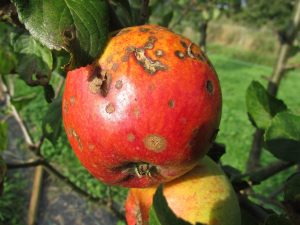
Gardeners, farmers, and orchard managers rely on copper fungicide for both preventive and curative treatments. When applied properly, it boosts crop yield and promotes strong, healthy plants throughout the season.
In this guide, we explore the best time when to use copper fungicide, detailing plant-specific timing, seasonal recommendations, and application methods for optimal results.
Copper Fungicide When To Use – Complete Guide for Gardeners & Farmers
1. Apple Trees – Best for Preventing Apple Scab
Applying copper fungicide before bud break protects apple trees from scab and other fungal diseases. Early treatment creates a barrier on leaves and blossoms to stop infection.
Apple Trees fungicide Late applications reduce effectiveness, especially in wet spring conditions. Studies show preventive copper sprays can improve fruit yield by up to 30%. Brands such as Bordeaux Mix and Champ WG are highly recommended.
Copper fungicide is safe for most apple cultivars when used as directed. Combining with sanitation practices enhances protection. Monitoring weather and leaf development ensures optimal timing.
Pros:
• Prevents scab
• Early season
• Wide coverage
• Cost-effective
• Easy to apply
• Improves yield
• Tree-safe
Cons:
• Weather sensitive
• Leaf burn risk
• Requires repeat
2. Tomatoes – Best for Blight Prevention
Tomatoes are vulnerable to early and late blight, which can destroy leaves and reduce fruit production. Apply copper fungicide at the first leaf stage or during wet weather for maximum protection.
Spraying every 7–10 days during rainy periods is recommended. Research shows copper treatments can lower blight incidence by 50%. Brands like Kocide 3000 and Bonide Copper Fungicide are trusted for vegetable gardens.
Applying in the morning when leaves are dry prevents runoff. Pairing copper fungicide with pruning and crop rotation improves plant health. Proper timing ensures consistent fruit production.
Pros:
• Blight control
• Preventive
• Easy spray
• Vegetable-safe
• Affordable
• Effective
• Long-lasting
Cons:
• Repeat needed
• Rain washes off
• Can stain fruit
3. Grapevines – Best for Downy Mildew Protection
Grapevines are highly susceptible to downy mildew, particularly in humid climates. Early application before bud break protects shoots and leaves.
Sprays every 10–14 days during rainy periods enhance protection. Early copper applications can reduce mildew by 40–60%. Brands like Cuprofix Ultra and Bordeaux Mix are ideal for vineyards.
Copper fungicide is compatible with organic vineyard practices. Monitoring weather forecasts optimizes spray timing. Early treatment supports healthy leaves and grape clusters.
Pros:
• Prevents mildew
• Early protection
• Organic-friendly
• Long-lasting
• Vine-safe
• Cost-effective
• Easy application
Cons:
• Repeat needed
• Weather sensitive
• Leaf discoloration
4. Citrus Trees – Best for Leaf Spot Control
Copper fungicide applied before and after flowering protects citrus from leaf spot and canker. Proper timing prevents fruit damage and ensures full coverage.
Growers report up to a 25% improvement in fruit health with correctly timed sprays. Kocide 3000 and Copper Soap Fungicide are highly effective for citrus crops. Preventive spraying is safer than post-infection treatments.
Spraying during cool mornings prevents sunburn and allows even distribution. Repeat applications every 2–3 weeks during wet periods enhance protection. Copper treatments strengthen trees and improve fruit quality.
Pros:
• Leaf spot control
• Fruit-safe
• Preventive
• Easy to use
• Long protection
• Improves yield
• Organic-approved
Cons:
• Repeat needed
• Weather sensitive
• Can stain leaves
5. Rose Bushes – Best for Black Spot Prevention
Roses are prone to black spot and rust. Applying copper fungicide before new leaf growth prevents infection and keeps foliage healthy.
Weekly applications during wet periods are most effective. Copper treatments reduce black spot by 45–55%. Recommended brands include Bonide Copper Fungicide and Bordeaux Mix.
Proper timing also reduces the need for chemical fungicides later. Morning sprays allow leaves to dry quickly. Early preventive use ensures strong growth and abundant blooms.
Pros:
• Black spot control
• Preventive
• Rose-safe
• Easy spray
• Long-lasting
• Reduces chemicals
• Improves blooms
Cons:
• Repeat needed
• Weather sensitive
• Leaf burn risk
6. Potatoes – Best for Late Blight Management
Potatoes are susceptible to late blight, especially in wet climates. Copper fungicide should be applied when plants are 6–8 inches tall.
Protective sprays reduce tuber loss and increase harvest quality by 30%. Brands such as Kocide 3000 and Bordeaux Mix are widely used commercially. Repeat sprays every 7–10 days during rain or high humidity.
Copper fungicide works well in organic and conventional systems. Early applications prevent infections and support higher yield. Monitoring soil moisture and weather improves results.
Pros:
• Blight control
• Crop-safe
• Preventive
• Organic-friendly
• High yield
• Long-lasting
• Easy application
Cons:
• Repeat needed
• Weather sensitive
• Can stain soil
7. Peach Trees – Best for Leaf Curl Prevention
Peach trees are affected by leaf curl and bacterial spot. Spraying just before bud break in early spring provides maximum protection.
Repeated sprays 2–3 times during wet periods ensure full coverage. Brands like Bordeaux Mix and Kocide 3000 are orchard favorites. Early application reduces disease severity and protects fruit.
Copper fungicide is safe for pollinators when applied before flowering. Following label instructions prevents leaf burn. Proper timing promotes strong trees and healthy harvests.
Pros:
• Prevents leaf curl
• Fruit-safe
• Early protection
• Easy application
• High efficacy
• Tree-safe
• Organic-approved
Cons:
• Repeat needed
• Weather sensitive
• Timing critical
8. Strawberries – Best for Gray Mold Control
Strawberries are vulnerable to gray mold (Botrytis), affecting fruit and leaves. Apply before flowering and fruiting to protect critical growth stages.
Weekly sprays during wet periods reduce rot by up to 40%. Brands such as Kocide 3000 and Bordeaux Mix are safe for home and commercial gardens. Morning applications improve absorption and minimize leaf burn.
Proper timing maintains high yield and fruit quality. Copper fungicide is safe when applied according to instructions. It reduces post-harvest losses and maintains healthy plants.
Pros:
• Prevents gray mold
• Fruit-safe
• Preventive
• Easy to use
• High yield
• Organic-friendly
• Long-lasting
Cons:
• Repeat needed
• Rain wash-off
• Can stain leaves
9. Ornamental Shrubs – Best for Leaf Spot
Shrubs like holly, viburnum, and dogwood benefit from early copper applications to prevent fungal leaf spots. Apply before new leaves emerge for maximum protection.
Copper fungicide enhances foliage health and longevity. Brands like Bonide Copper Fungicide are reliable for ornamental plants. Repeat applications during rainy conditions are recommended.
Early treatment prevents major leaf damage and maintains aesthetic appeal. It is compatible with both organic and conventional landscaping. Healthy shrubs improve the visual value of gardens.
Pros:
• Prevents leaf spot
• Ornamental-safe
• Easy application
• Preventive
• Long-lasting
• Organic-approved
• Improves appearance
Cons:
• Repeat needed
• Weather dependent
• Leaf discoloration
10. Vineyards – Best for Powdery Mildew Prevention
Vineyards are prone to powdery mildew, especially in humid conditions. Apply copper fungicide pre-bud break and during early shoot growth for preventive control.
Sprays every 10–14 days during wet or humid periods maximize protection. Studies show copper reduces mildew incidence by 50–60%. Brands such as Cuprofix Ultra and Bordeaux Mix are widely used commercially.
Timing before morning dew dries improves absorption and coverage. Copper fungicide promotes healthy grape clusters and supports high-quality fruit production. It works in both organic and conventional vineyards.
Pros:
• Prevents mildew
• Early protection
• Organic-approved
• Easy application
• Long-lasting
• High efficacy
• Vine-safe
Cons:
• Repeat needed
• Weather sensitive
• Leaf staining
Copper Fungicide When To Use (FAQs)
1. When is the best time to apply copper fungicide?
Apply before bud break or early leaf growth. Repeat during wet or humid periods.
2. Can copper fungicide be used on all fruit trees?
Yes, it works for apples, peaches, citrus, grapes, and more. Follow dosage and timing instructions.
3. Is copper fungicide safe for vegetables?
Yes, tomatoes, potatoes, strawberries, and more are safe when applied properly.
4. How often should I spray copper fungicide?
Every 7–14 days during wet periods. Repeat as needed for preventive control.
5. Can copper fungicide harm beneficial insects?
When applied before flowering, it reduces risk to pollinators. Avoid peak insect activity.
6. Are there organic copper fungicide brands?
Yes, Bordeaux Mix and Cuprofix Ultra are organic-approved in many regions.
7. Can copper fungicide be used indoors?
Generally no; it is mainly for outdoor crops and trees. Indoor use may cause leaf burn.
Conclusion
In conclusion, using copper fungicide at the right time is essential for protecting fruits, vegetables, and ornamental plants. The best timing is early preventive application before bud break or leaf emergence, ensuring maximum disease control. The runner-up timing is repeated sprays during wet periods to maintain protection.
Proper scheduling improves yield, reduces plant loss, and prevents leaf or fruit damage. Copper fungicide is versatile for organic and conventional systems, offering flexibility for gardeners and farmers.
Monitoring weather, plant development, and following label instructions ensures safe and effective use. Early applications prevent infections and support healthy, productive plants.
Copper fungicide is a cost-effective, proven solution for fungal disease prevention. Correct timing protects your investment and promotes vibrant, high-quality crops and ornamental plants.
Recent Posts
Choosing the best fertilizer for staghorn fern is essential for promoting strong roots and vibrant, healthy fronds. Proper fertilization supports overall plant vigor and prevents nutrient...
Best Fertilizer For Winged Bean is essential for achieving vigorous vine growth, improved flowering, and high-yield pod production in both small gardens and commercial farms. Winged bean is a...