Creating a durable and attractive garden starts with choosing the best wood for planter box construction. The right material ensures longevity, plant health, and visual appeal in any outdoor or indoor space.
Many gardeners overlook how wood type affects drainage, durability, and resistance to pests. Selecting the correct material can significantly reduce maintenance and replacement costs over time.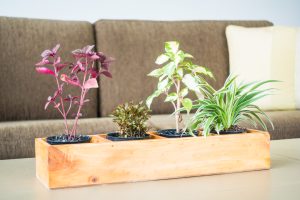
Different woods perform differently under moisture, sunlight, and soil conditions. Understanding these differences helps you make a more informed and cost-effective decision.
In this guide, we explore the best wood for planter box options, comparing durability, cost, and performance to help you choose the ideal material for your gardening needs.
Related: Best Material For Planter Boxes
10 Best Wood For Planter Box
1. Cedar Wood – Best Wood for Planter Box Outdoor Durability
Cedar wood, especially from brands like Real Cedar, is widely considered the gold standard for planter boxes. It contains natural oils that resist rot, insects, and moisture damage effectively. As a result, it is ideal for outdoor gardening in both humid and dry climates.
Additionally, cedar has excellent dimensional stability, meaning it resists warping and cracking over time. This makes it a reliable choice for long-term use without frequent repairs. Moreover, its natural aroma also helps deter pests from damaging your plants.
Gardeners prefer cedar because it is safe for edible plants and does not leach harmful chemicals into the soil. Its attractive reddish tone enhances garden aesthetics while aging gracefully into a silver-gray patina. Overall, cedar balances performance, beauty, and sustainability.
Pros:
• Rot resistant
• Pest resistant
• Lightweight
• Durable
• Attractive grain
• Stable
• Safe soil
Cons:
• Expensive
• Limited supply
• Soft wood
2. Redwood – Best Rot Resistant Wood for Planter Box Longevity
Redwood, commonly supplied by brands like Humboldt Redwood, is another premium option for planter boxes. It naturally resists decay due to its high tannin content. Consequently, it performs exceptionally well in outdoor conditions.
Furthermore, redwood is slightly stronger than cedar, offering better structural integrity. It also resists shrinking and swelling, which is essential for maintaining planter shape. This ensures consistent performance even under changing weather conditions.
In addition, redwood’s rich color adds a luxurious appearance to any garden. It is also eco-friendly when sourced sustainably. Therefore, it is often chosen for high-end landscaping projects.
Pros:
• Long lasting
• Rot resistant
• Strong
• Attractive
• Stable
• Lightweight
• Eco friendly
Cons:
• High cost
• Limited availability
• Fades color
3. Pine (Pressure-Treated) – Best Affordable Wood for Planter Boxes DIY
Pressure-treated pine from brands like YellaWood is a budget-friendly solution. It undergoes chemical treatment to resist rot, insects, and moisture damage. As a result, it is widely used for large-scale gardening projects.
Moreover, treated pine is easy to cut, drill, and assemble, making it ideal for DIY enthusiasts. It is also readily available in most hardware stores. Therefore, it remains one of the most accessible options for beginners.
However, it is important to use food-safe liners when growing vegetables. While modern treatments are safer, precautions improve plant safety. Overall, it provides excellent value for cost-conscious gardeners.
Pros:
• Affordable
• Available
• Easy work
• Durable
• Treated
• Strong
• Versatile
Cons:
• Chemical risk
• Warping
• Heavy
4. Douglas Fir – Best Wood for Raised Garden Planter Boxes Strength
Douglas fir, offered by brands like Weyerhaeuser, is known for its strength and durability. It is a softwood but has a higher density than pine, providing better structural performance. Consequently, it is suitable for larger planter boxes.
Additionally, it has a smooth grain that is easy to paint or seal. This allows customization for aesthetic purposes. With proper sealing, its lifespan increases significantly.
Although it lacks natural rot resistance, treatments and sealants can improve its durability. Therefore, it is often used where cost and strength need to be balanced.
Pros:
• Strong
• Affordable
• Smooth grain
• Easy paint
• Stable
• Available
• Lightweight
Cons:
• Needs sealing
• Rot prone
• Short lifespan
5. Cypress – Best Wood for Planter Boxes in Wet Climates
Cypress wood, supplied by brands like Cypress Wood Products, is ideal for humid environments. It contains natural oils called cypressene that resist water and decay. As a result, it thrives in wet climates.
Furthermore, cypress is resistant to insects, including termites. This makes it a low-maintenance option for outdoor gardening. It also performs well without chemical treatments.
Its light color and smooth texture make it visually appealing. Over time, it weathers beautifully while maintaining strength. Therefore, it is a strong alternative to cedar.
Pros:
• Water resistant
• Pest resistant
• Durable
• Stable
• Lightweight
• Natural oils
• Low maintenance
Cons:
• Regional supply
• Costly
• Soft wood
6. Oak – Best Hardwood for Long Lasting Planter Boxes
Oak, commonly sourced from brands like White Oak Lumber Co., is a dense hardwood known for its durability. It can withstand heavy loads and harsh weather conditions. Therefore, it is ideal for permanent planter installations.
Additionally, oak has a tight grain that resists moisture penetration better than many softwoods. This increases its longevity significantly. It is often used in high-end garden builds.
However, oak is heavier and more difficult to work with. Despite this, its strength and durability make it worth the effort for long-term projects.
Pros:
• Very strong
• Long lasting
• Dense
• Durable
• Weather resistant
• Premium look
• Stable
Cons:
• Heavy
• Expensive
• Hard work
7. Teak – Best Premium Wood for Planter Boxes That Won’t Rot
Teak, supplied by brands like West Teak, is one of the most durable woods available. It contains natural oils that make it highly resistant to water and decay. As a result, it can last decades even without treatment.
Moreover, teak is extremely stable and resists cracking or warping. It is commonly used in marine applications due to its durability. This makes it ideal for high-end planter boxes.
Although expensive, teak requires minimal maintenance. Its golden-brown color enhances aesthetics while aging gracefully. Therefore, it is perfect for luxury gardens.
Pros:
• Extremely durable
• Rot proof
• Stable
• Premium look
• Low maintenance
• Weather resistant
• Long lifespan
Cons:
• Very expensive
• Heavy
• Limited supply
8. Spruce – Best Lightweight Wood for Planter Boxes Easy Handling
Spruce, often sold by brands like Canfor, is a lightweight and affordable option. It is easy to transport and assemble, making it ideal for beginners. Therefore, it is commonly used in temporary planter setups.
Additionally, spruce has a uniform texture that accepts paint and stains well. This allows customization for decorative gardens. However, it requires sealing for outdoor use.
While not as durable as cedar or redwood, it performs adequately with proper care. It is best suited for short-term or indoor applications.
Pros:
• Lightweight
• Affordable
• Easy cut
• Smooth
• Paintable
• Available
• Easy build
Cons:
• Low durability
• Needs sealing
• Rot risk
9. Acacia – Best Eco Friendly Wood for Planter Boxes
Acacia wood, from brands like Walker Edison, is a sustainable hardwood option. It grows quickly, making it environmentally friendly. Therefore, it is a popular choice for eco-conscious gardeners.
Moreover, acacia is naturally resistant to water and pests. It has a rich, warm color that enhances garden aesthetics. This makes it both functional and decorative.
With proper care, acacia can last several years outdoors. It is also relatively affordable compared to other hardwoods.
Pros:
• Eco friendly
• Durable
• Attractive
• Water resistant
• Pest resistant
• Affordable
• Sustainable
Cons:
• Needs oiling
• Cracking risk
• Medium lifespan
10. Composite Wood – Best Maintenance Free Alternative for Planter Boxes
Composite wood from brands like Trex combines wood fibers with plastic for enhanced durability. It resists rot, moisture, and insects completely. Therefore, it is ideal for low-maintenance gardening.
Additionally, composite materials do not require sealing, staining, or painting. This reduces long-term maintenance costs significantly. It is also highly durable in extreme weather.
Although it lacks the natural look of wood, it offers superior longevity. For those prioritizing convenience, it is an excellent alternative.
Pros:
• Maintenance free
• Rot proof
• Durable
• Weather resistant
• Long lasting
• Pest proof
• Stable
Cons:
• Expensive
• Less natural
• Heavy
Best Wood For Planter Box FAQs
1. What is the best wood for planter box longevity?
Cedar and redwood are the top choices due to their natural rot resistance. They can last over a decade without treatment.
2. Is treated wood safe for vegetable planter boxes?
Modern treated wood is safer, but lining the box is recommended. This reduces potential chemical exposure to plants.
3. What wood should I avoid for planter boxes?
Avoid untreated softwoods like regular pine or spruce outdoors. They rot quickly when exposed to moisture.
4. How do I make a wooden planter box last longer?
Apply sealants and ensure proper drainage. Elevating the box also prevents water damage.
5. Is hardwood better than softwood for planter boxes?
Hardwoods last longer but are more expensive and harder to work with. Softwoods are easier but may need treatment.
6. Can I use recycled wood for planter boxes?
Yes, but ensure it is free from harmful chemicals or paint. Always sand and seal it properly.
7. What is the cheapest wood for planter boxes?
Pressure-treated pine is the most affordable option. It offers good durability for the price.
Conclusion
In conclusion, choosing the right wood significantly impacts durability, plant health, and maintenance costs. The best option overall is cedar due to its natural resistance and balance of cost and longevity.
Redwood stands out as the runner-up because of its superior durability and premium appearance. It is slightly more expensive but offers excellent long-term value.
For budget-conscious gardeners, pressure-treated pine remains a practical choice. Meanwhile, teak and composite wood are ideal for those seeking maximum durability with minimal maintenance.
Ultimately, your choice depends on climate, budget, and intended use. Evaluate your needs carefully before making a decision.
Start building your planter box today using the best wood for planter box options above, and create a long-lasting, beautiful garden space.
Recent Posts
10 Best Drought Tolerant Container Plants For Full Sun And Heat
Finding the best drought tolerant container plants for full sun and heat can transform your outdoor space into a low-maintenance oasis. Many gardeners struggle with intense sunlight and water...
Choosing the best kitchen sink for rental property is a critical decision that directly affects maintenance costs, tenant satisfaction, and long-term durability. Rental kitchens face constant wear,...