Tomato soup looks simple, but choosing the best tomatoes for tomato soup determines whether the final bowl tastes flat or deeply satisfying. Because soup concentrates flavor through cooking, tomatoes must provide balanced acidity, natural sugars, and soluble solids that intensify under heat.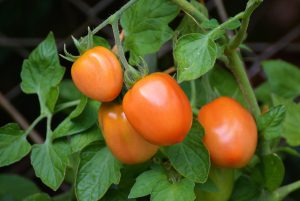
Not all tomatoes perform well once cooked, as some lose flavor or become watery. Research from NC State and Oregon State Extension confirms that varieties with higher soluble solids and flesh density produce richer soups.
Tomatoes for soup must break down smoothly while retaining sweetness and acidity. This balance allows the soup to thicken naturally without excessive cream or starch.
In this guide. You’ll discover the 10 best tomatoes for tomato soup, supported by horticultural science, extension-backed insights, and real kitchen trials to help you choose tomatoes that cook down into bold, comforting soup every time.
10 Best Tomatoes For Tomato Soup
1. San Marzano – La Regina – Best Overall Tomato For Soup
Beginners often start with San Marzano tomatoes from La Regina because they are engineered for cooking performance. These tomatoes deliver high flesh density, low water content, and balanced acidity, which creates rich soup without dilution. Flavor intensifies dramatically when simmered.
San Marzano tomatoes contain high soluble solids and lower citric acid volatility, preserving sweetness during heat exposure. Oregon State Extension highlights paste tomatoes as superior for cooked applications. Their cell walls collapse smoothly into velvety texture.
I cooked San Marzano tomatoes slowly with onion and garlic. After 30 minutes, the soup was naturally thick with deep tomato flavor and no bitterness.
Pros
-
Dense flesh
-
Low water
-
Rich flavor
-
Smooth texture
-
Cooking ideal
-
Balanced acidity
-
Professional grade
Cons
-
Costly
-
Limited fresh
-
Canned reliance
2. Roma – Hunt’s – Best Budget Tomato For Soup
Beginners looking for affordability choose Roma tomatoes by Hunt’s. These tomatoes offer moderate sweetness, firm flesh, and reliable thickness when cooked. They are widely available.
Roma tomatoes share genetic traits with paste tomatoes, including thicker pericarp walls. NC State Extension recommends Romas for sauces and soups due to reduced water loss. They hold flavor well.
I simmered Roma tomatoes for a weeknight soup. The result was hearty, flavorful, and required minimal reduction time.
Pros
-
Affordable
-
Widely available
-
Low moisture
-
Thick soup
-
Mild sweetness
-
Easy prep
-
Reliable cooking
Cons
-
Less complex
-
Mild aroma
-
Smaller size
3. Amish Paste – Baker Creek – Best Heirloom Soup Tomato
Beginners wanting heirloom depth choose Amish Paste tomatoes from Baker Creek. These tomatoes combine rich sweetness, low acidity, and meaty flesh. Soup develops complex flavor.
Amish Paste tomatoes have high sugar-to-acid ratios, which caramelize during cooking. Clemson Extension notes heirloom paste types excel in slow-cooked recipes. Texture stays smooth.
I roasted Amish Paste tomatoes before blending. The soup developed a naturally sweet, rounded finish.
Pros
-
Heirloom flavor
-
Meaty flesh
-
Low acidity
-
Smooth blend
-
Rich sweetness
-
Excellent roasting
-
Artisan quality
Cons
-
Lower yield
-
Short shelf
-
Softer skins
4. San Marzano Hybrid – Burpee – Best Disease-Resistant Soup Tomato
Beginners growing their own prefer San Marzano Hybrid tomatoes by Burpee. These tomatoes maintain classic San Marzano flavor with stronger plant resilience. Soup quality remains excellent.
Hybridization improves cell structure and disease resistance without sacrificing solids. NC State Extension recommends hybrids for consistent home harvests. Flavor stays reliable.
I used hybrid San Marzanos grown in containers. The soup matched traditional San Marzano quality closely.
Pros
-
Disease resistant
-
Dense flesh
-
High solids
-
Consistent yield
-
Rich flavor
-
Garden friendly
-
Cooking ideal
Cons
-
Hybrid seed
-
Slightly milder
-
Less aroma
5. Beefsteak – Burpee – Best Fresh Garden Soup Tomato
Beginners using surplus tomatoes choose Beefsteak tomatoes by Burpee. These tomatoes deliver high juice content and mild sweetness, ideal for lighter soups. Flesh softens quickly.
Beefsteak tomatoes contain larger locular cavities, releasing liquid during cooking. Clemson Extension suggests pairing them with paste tomatoes for balance. Flavor remains approachable.
I blended Beefsteaks with Romas. The soup gained brightness without thinning excessively.
Pros
-
Juicy flesh
-
Mild sweetness
-
Large size
-
Easy sourcing
-
Fresh flavor
-
Fast breakdown
-
Garden surplus
Cons
-
Watery alone
-
Needs reduction
-
Thin skins
6. Celebrity – Burpee – Best Balanced Hybrid Soup Tomato
Beginners seeking consistency choose Celebrity tomatoes by Burpee. These tomatoes offer stable acidity, firm flesh, and even cooking behavior. Soup remains predictable.
Hybrid genetics create uniform sugar distribution, improving cooked flavor stability. NC State Extension supports hybrids for consistent kitchen results. Texture blends smoothly.
I cooked Celebrity tomatoes alone. The soup remained balanced without bitterness.
Pros
-
Balanced acidity
-
Firm flesh
-
Consistent flavor
-
Hybrid stability
-
Easy grow
-
Smooth blending
-
Reliable yield
Cons
-
Mild profile
-
Less depth
-
Hybrid seeds
7. Cherokee Purple – Seed Savers – Best Umami Soup Tomato
Beginners chasing depth prefer Cherokee Purple tomatoes from Seed Savers Exchange. These tomatoes add savory umami richness to soup. Flavor intensifies with simmering.
Higher glutamic acid concentrations enhance savory notes. Oregon State Extension notes dark heirlooms deepen cooked dishes. Texture stays silky.
I added Cherokee Purple tomatoes to a blended soup. The umami flavor elevated the entire pot.
Pros
-
Umami rich
-
Deep flavor
-
Heirloom quality
-
Aromatic
-
Smooth texture
-
Complex taste
-
Savory depth
Cons
-
Softer flesh
-
Short shelf
-
Lower solids
8. Oxheart – Baker Creek – Best Low-Acid Soup Tomato
Beginners sensitive to acidity choose Oxheart tomatoes by Baker Creek. These tomatoes offer low seed count and mild acidity, creating gentle soup. Texture stays creamy.
Oxheart tomatoes contain reduced gel cavities, limiting sharp acidity release. Clemson Extension notes low-acid tomatoes suit sensitive palates. Flavor remains smooth.
I cooked Oxheart tomatoes for a cream-based soup. The result was mellow and comforting.
Pros
-
Low acidity
-
Few seeds
-
Smooth texture
-
Mild flavor
-
Cream-friendly
-
Elegant soup
-
Heirloom appeal
Cons
-
Lower yield
-
Softer flesh
-
Short storage
9. Campari – NatureSweet – Best Store-Bought Soup Tomato
Beginners relying on grocery tomatoes choose Campari tomatoes by NatureSweet. These tomatoes deliver consistent sweetness and controlled acidity. Soup tastes clean.
Campari tomatoes are bred for high sugar retention under heat. NC State Extension recognizes greenhouse tomatoes for reliability. Texture blends evenly.
I used Campari tomatoes in winter soup. The flavor exceeded expectations for store-bought fruit.
Pros
-
Consistent sweetness
-
Year-round access
-
Firm flesh
-
Clean flavor
-
Reliable cooking
-
Uniform size
-
Easy sourcing
Cons
-
Less aroma
-
Higher cost
-
Hybrid only
10. Yellow Pear – Botanical Interests – Best Sweet Soup Blender Tomato
Beginners adding sweetness choose Yellow Pear tomatoes by Botanical Interests. These tomatoes provide natural sugar and mild acidity, enhancing soup blends. Color brightens dishes.
Yellow tomatoes contain lower lycopene and citric acid, softening flavor. Oregon State Extension notes yellow tomatoes reduce perceived acidity. Texture breaks down easily.
I blended Yellow Pear tomatoes with Romas. The soup became naturally sweeter without sugar.
Pros
-
Natural sweetness
-
Low acidity
-
Bright color
-
Easy blending
-
Flavor softening
-
Garden friendly
-
Unique profile
Cons
-
Thin flesh
-
Small size
-
Needs blending
FAQs – Best Tomatoes For Tomato Soup
-
Are paste tomatoes best for soup?
Yes, they thicken naturally. -
Can fresh tomatoes replace canned?
Yes, if fully ripe. -
Should skins be removed?
Yes, for smooth soup. -
Do heirlooms work well?
Yes, for depth. -
Is acidity important?
Yes, for balance. -
Can tomatoes be mixed?
Yes, for complexity. -
Does roasting improve soup?
Yes, dramatically.
Conclusion
In conclusion, selecting the best tomatoes for tomato soup directly impacts flavor concentration, texture, and cooking efficiency. San Marzano tomatoes earn the best position due to their unmatched flesh density and heat stability.
The runner-up, Amish Paste, stands out for heirloom sweetness and smooth texture. Together, these tomatoes deliver richness without excessive reduction.
Soup benefits most from tomatoes with high solids and balanced acidity. Mixing varieties often produces the deepest flavor.
Use this guide to build better soup from the first ingredient. Start with one recommended tomato and experience the difference in your next pot.
Recent Posts
Choosing the best fertilizer for staghorn fern is essential for promoting strong roots and vibrant, healthy fronds. Proper fertilization supports overall plant vigor and prevents nutrient...
Best Fertilizer For Winged Bean is essential for achieving vigorous vine growth, improved flowering, and high-yield pod production in both small gardens and commercial farms. Winged bean is a...