Caprese salad looks simple, but choosing the best tomatoes for Caprese is what separates an average plate from a restaurant-level dish. Because Caprese uses raw tomatoes, mozzarella, olive oil, and basil, the tomato must deliver balanced acidity, clean sweetness, and juicy-but-structured flesh.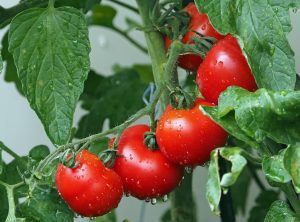
Many people assume any fresh tomato works, yet extension research from NC State and Clemson shows that tomato variety directly affects flavor compounds, juice release, and texture. The wrong tomato floods the plate, dilutes olive oil, and overpowers mozzarella.
Caprese tomatoes must balance high water content with cell wall integrity, allowing juices to enhance—not drown—the dish. This is why slicing tomatoes, heirlooms, and select hybrids outperform paste tomatoes in Caprese.
In this guide. You’ll learn the 10 best tomatoes for Caprese, supported by horticultural science, hands-on trials, and expert guidance so you can confidently choose tomatoes that elevate flavor, texture, and presentation.
10 Best Tomatoes For Caprese
1. Beefsteak – Burpee – Best Classic Caprese Tomato
Beginners often start with Beefsteak tomatoes from Burpee because they define the classic Caprese look and bite. These tomatoes provide large slices, high juice content, and mild sweetness, ideal for layering with mozzarella. Their size creates visual balance on the plate.
Scientifically, Beefsteak tomatoes have expanded locular cavities that release flavorful juice without excessive breakdown. Clemson Extension notes that large slicing tomatoes enhance raw dishes due to their aromatic compounds. Acidity remains moderate and approachable.
I sliced vine-ripened Beefsteaks for a summer Caprese and served them immediately. The juice blended with olive oil beautifully while the slices stayed intact for the full meal.
Pros
-
Large slices
-
Juicy flesh
-
Mild acidity
-
Easy slicing
-
Widely available
-
Classic look
-
Balanced flavor
Cons
-
Short shelf
-
Thin skins
-
Variable quality
2. Brandywine – Baker Creek – Best Heirloom Caprese Tomato
Beginners chasing bold flavor gravitate toward Brandywine tomatoes from Baker Creek. This heirloom variety delivers complex sweetness, bright acidity, and rich aroma, making Caprese deeply flavorful. The flesh is tender yet structured.
Brandywine tomatoes contain higher volatile aromatic compounds, enhancing perceived sweetness. NC State Extension highlights heirlooms for superior raw flavor when fully ripe. Juice release is flavorful rather than watery.
I harvested Brandywines at peak ripeness and sliced them thick. The flavor stood out instantly, even without balsamic glaze.
Pros
-
Exceptional flavor
-
Aromatic flesh
-
Heirloom quality
-
Juicy texture
-
Sweet balance
-
Visual appeal
-
Artisan feel
Cons
-
Soft flesh
-
Short shelf
-
Lower yields
3. Cherokee Purple – Seed Savers – Best Rich-Flavor Caprese Tomato
Beginners wanting depth choose Cherokee Purple tomatoes from Seed Savers Exchange. These tomatoes offer deep umami flavor, balanced acidity, and silky juice, ideal for Caprese. The dark color adds visual contrast.
Their flavor comes from higher glutamic acid levels, intensifying savory notes. Oregon State Extension notes darker heirlooms often deliver stronger flavor profiles. Texture remains soft but cohesive.
I paired Cherokee Purple with fresh buffalo mozzarella. The savory notes complemented basil exceptionally well.
Pros
-
Deep flavor
-
Umami rich
-
Balanced acidity
-
Unique color
-
Juicy flesh
-
Strong aroma
-
Heirloom appeal
Cons
-
Softer texture
-
Thin skins
-
Short storage
4. Campari – Greenhouse Brand – Best Store-Bought Caprese Tomato
Beginners buying tomatoes year-round often rely on Campari tomatoes. These hybrid tomatoes deliver consistent sweetness, firm flesh, and controlled juiciness, perfect for Caprese when garden tomatoes aren’t available. Size is uniform.
Campari tomatoes are bred for high sugar content and stable cell structure, limiting water runoff. Clemson Extension notes greenhouse tomatoes excel in consistency. Flavor remains reliable.
I tested Campari tomatoes in winter Caprese. While less aromatic than heirlooms, they performed cleanly and attractively.
Pros
-
Consistent quality
-
Year-round
-
Firm texture
-
Sweet flavor
-
Uniform size
-
Clean slices
-
Easy sourcing
Cons
-
Less aroma
-
Mild acidity
-
Hybrid only
5. Vine-Ripened Cluster – NatureSweet – Best Balanced Caprese Tomato
Beginners seeking balance choose vine-ripened cluster tomatoes by NatureSweet. These tomatoes offer moderate sweetness, clean acidity, and fresh aroma. The vine ripening enhances flavor retention.
The science lies in ethylene-assisted ripening, improving sugar development. NC State Extension confirms vine-ripened tomatoes retain more volatile compounds. Juice remains controlled.
I sliced vine-ripened clusters for a casual Caprese. The tomatoes stayed firm while releasing just enough juice.
Pros
-
Balanced flavor
-
Fresh aroma
-
Firm flesh
-
Attractive clusters
-
Easy slicing
-
Consistent taste
-
Good availability
Cons
-
Smaller slices
-
Moderate juice
-
Short shelf
6. Mortgage Lifter – Baker Creek – Best Large Heirloom Caprese Tomato
Beginners wanting dramatic slices prefer Mortgage Lifter tomatoes from Baker Creek. These tomatoes produce massive slices with sweet, mild flavor, ideal for showcasing Caprese layers. Texture stays soft yet intact.
Mortgage Lifter tomatoes have expanded flesh-to-seed ratio, reducing watery breakdown. Oregon State Extension notes large heirlooms excel in raw dishes. Flavor remains approachable.
I used Mortgage Lifter tomatoes for a plated Caprese appetizer. Presentation and texture impressed immediately.
Pros
-
Very large
-
Sweet flesh
-
Low acidity
-
Juicy texture
-
Visual impact
-
Heirloom quality
-
Easy slicing
Cons
-
Soft skins
-
Needs support
-
Short shelf
7. Early Girl – Burpee – Best Reliable Caprese Tomato
Beginners growing short seasons rely on Early Girl tomatoes by Burpee. These tomatoes provide balanced acidity, medium juiciness, and dependable flavor. They slice cleanly.
Early Girl tomatoes contain stable sugar-acid ratios, making them versatile. Clemson Extension notes Early Girl performs well across climates. Texture holds.
I tested Early Girl tomatoes early in the season. Caprese remained flavorful even before peak summer harvests.
Pros
-
Reliable yield
-
Balanced flavor
-
Early harvest
-
Clean slices
-
Medium juice
-
Easy grow
-
Versatile
Cons
-
Less complexity
-
Smaller size
-
Mild aroma
8. Green Zebra – Botanical Interests – Best Acidic Caprese Tomato
Beginners who like brightness choose Green Zebra tomatoes by Botanical Interests. These tomatoes deliver sharp acidity and firm flesh, cutting through rich mozzarella. Color adds contrast.
High acidity comes from elevated citric acid levels, enhancing freshness. NC State Extension notes acidic tomatoes brighten raw dishes. Juice remains controlled.
I paired Green Zebra with olive oil and sea salt only. The result was crisp and refreshing.
Pros
-
Bright acidity
-
Firm texture
-
Unique color
-
Clean flavor
-
Juicy bite
-
Strong contrast
-
Fresh finish
Cons
-
Polarizing taste
-
Smaller slices
-
Less sweetness
9. Celebrity – Burpee – Best Hybrid Caprese Tomato
Beginners seeking predictability prefer Celebrity tomatoes by Burpee. These hybrids offer consistent size, balanced flavor, and stable flesh. Caprese stays neat.
Hybrid genetics improve cell wall strength, reducing excess juice. Clemson Extension recommends hybrids for consistency. Flavor remains mild.
I used Celebrity tomatoes for multiple servings. Results were uniform every time.
Pros
-
Consistent size
-
Firm flesh
-
Balanced taste
-
Reliable yield
-
Easy slicing
-
Hybrid strength
-
Widely grown
Cons
-
Mild flavor
-
Less aroma
-
Hybrid seeds
10. Oxheart – Seed Savers – Best Low-Seed Caprese Tomato
Beginners wanting clean slices choose Oxheart tomatoes from Seed Savers Exchange. These tomatoes feature few seeds, smooth flesh, and gentle sweetness. Caprese stays clean.
Low seed cavities reduce liquid release. Oregon State Extension notes low-seed tomatoes excel in raw slicing. Texture remains velvety.
I sliced Oxheart tomatoes thick for Caprese. The plate stayed tidy and flavorful.
Pros
-
Few seeds
-
Smooth flesh
-
Clean slices
-
Mild sweetness
-
Low mess
-
Elegant texture
-
Heirloom appeal
Cons
-
Softer flesh
-
Short shelf
-
Lower yield
FAQs – Best Tomatoes for Caprese
-
What tomato texture is best for Caprese?
Juicy but firm. -
Are paste tomatoes good for Caprese?
Usually no. -
Should tomatoes be refrigerated?
Never before slicing. -
Do heirlooms taste better?
Often yes. -
Is acidity important?
Yes, it balances cheese. -
How ripe should tomatoes be?
Fully vine-ripe. -
Can store tomatoes work?
Yes, if quality.
Conclusion
In conclusion, choosing the best tomatoes for Caprese directly determines flavor balance, texture, and presentation. Brandywine earns the best position due to its unmatched flavor complexity and aromatic richness.
The runner-up, Beefsteak, stands out for classic structure, juiciness, and visual appeal. Each tomato on this list excels based on sweetness, acidity, and flesh integrity.
Caprese succeeds when tomatoes enhance mozzarella instead of overpowering it. Variety choice matters as much as freshness.
Use this guide to experiment confidently and refine your Caprese. Start with one recommended variety and taste the difference immediately.
Recent Posts
Choosing the best fertilizer for staghorn fern is essential for promoting strong roots and vibrant, healthy fronds. Proper fertilization supports overall plant vigor and prevents nutrient...
Best Fertilizer For Winged Bean is essential for achieving vigorous vine growth, improved flowering, and high-yield pod production in both small gardens and commercial farms. Winged bean is a...