To begin with, pickerelweed is one of the most effective plants for attracting dragonflies to ponds and water features. Its broad leaves provide excellent perching sites while its roots support aquatic insect prey. Dragonflies use this plant constantly for hunting and resting.
Additionally, pickerelweed stabilizes pond edges and improves water quality. I planted pickerelweed along a shallow pond shelf and observed dragonflies within two weeks. Extension studies confirm it supports dragonfly larvae habitats.
From a biological standpoint, pickerelweed creates vertical structure over water. That structure is essential for dragonfly emergence. Its limitation is the need for consistently wet soil.
Pros
• Pond friendly
• Strong perches
• Native plant
• Water stabilizing
• Larvae support
• Easy growth
• High attraction
Cons
• Needs water
• Spreads slowly
• Seasonal dieback
To begin with, water lilies attract dragonflies by providing shaded resting platforms. Dragonflies frequently land on floating pads between hunting flights. These plants also cool water, improving larval survival.
Furthermore, water lilies reduce algae growth, creating clearer water. I noticed more dragonfly mating activity after lilies matured in my pond. University extension programs recommend lilies for balanced aquatic systems.
Scientifically, floating leaves create thermal stability and predator refuge. That supports dragonfly nymph development. Their limitation is space requirement.
Pros
• Floating pads
• Shade provider
• Larvae shelter
• Algae control
• Visual appeal
• Pond cooling
• High usage
Cons
• Space needed
• Sun dependent
• Seasonal growth
To begin with, Joe-Pye weed attracts dragonflies indirectly by attracting prey insects. Its tall stems also serve as perching posts. Dragonflies often patrol around its blooms.
Additionally, Joe-Pye weed thrives in moist soils near water. I planted it along a drainage swale and saw increased dragonfly flight paths. Extension services identify it as a top pollinator-support plant.
Biologically, dense flowering increases insect biomass. More prey equals more dragonflies. Its limitation is height and space.
Pros
• Tall perches
• Prey attraction
• Native species
• Moist tolerant
• Pollinator friendly
• Strong stems
• High visibility
Cons
• Large size
• Late emergence
• Needs space
4. Horsetail (Equisetum hyemale) – Best Vertical Structure Plant
To begin with, horsetail provides rigid vertical stems ideal for dragonfly resting. These stems allow dragonflies to warm their wings. This behavior is essential for flight readiness.
Moreover, horsetail thrives in wet soils and shallow water. I observed dragonflies repeatedly using horsetail clusters near a pond edge. Extension botanists note its value in aquatic margins.
Scientifically, vertical structure mimics natural reeds. That structure supports emergence and thermoregulation. Its limitation is aggressive spreading.
Pros
• Strong stems
• Wet tolerant
• Perching ideal
• Low maintenance
• Evergreen look
• Durable plant
• Structural habitat
Cons
• Aggressive spread
• Hard removal
• Limited flowers
5. Swamp Milkweed (Asclepias incarnata) – Best Native Support Plant
To begin with, swamp milkweed attracts dragonflies by supporting insect diversity. Its upright stems serve as hunting lookouts. Dragonflies frequently hover nearby.
Additionally, swamp milkweed thrives in moist soils and rain gardens. I planted it in a low area and saw dragonflies hunting daily. Extension studies confirm its ecological value.
From a biological view, milkweed increases insect biomass. This supports higher predator presence. Its limitation is seasonal dormancy.
Pros
• Native plant
• Moist tolerant
• Insect rich
• Upright stems
• Easy growth
• Pollinator support
• Wildlife friendly
Cons
• Seasonal dieback
• Needs moisture
• Slow establishment
6. Blue Flag Iris (Iris versicolor) – Best Pond Edge Plant
To begin with, blue flag iris attracts dragonflies by stabilizing pond margins. Its sword-like leaves provide excellent resting spots. Dragonflies frequently perch along leaf edges.
Furthermore, iris roots improve shoreline structure. I observed increased dragonfly emergence near iris plantings. Extension horticulture programs recommend iris for aquatic borders.
Scientifically, strong leaf architecture supports wing drying. That process is critical post-emergence. Its limitation is shallow-water requirement.
Pros
• Pond edging
• Strong leaves
• Native iris
• Erosion control
• Perching support
• Seasonal blooms
• Easy care
Cons
• Needs water
• Limited height
• Short bloom
7. Arrowhead (Sagittaria latifolia) – Best Emergence Plant
To begin with, arrowhead supports dragonfly life cycles directly. Its stems allow nymphs to climb and emerge as adults. This stage is essential for population growth.
Additionally, arrowhead grows well in shallow ponds and wetlands. I documented multiple dragonfly molts on arrowhead leaves. Extension wetland guides highlight its value.
Biologically, emergence success depends on sturdy stems. Arrowhead excels here. Its limitation is water dependence.
Pros
• Emergence support
• Native wetland
• Strong stems
• Larvae friendly
• Pond adaptable
• Easy growth
• Wildlife value
Cons
• Needs shallow water
• Seasonal foliage
• Spreads slowly
8. Rushes (Juncus spp.) – Best Dense Habitat Plant
To begin with, rushes create dense habitat zones for dragonflies. Their stems form flight corridors and resting areas. Dragonflies patrol heavily around rush clusters.
Moreover, rushes tolerate fluctuating water levels. I observed dragonflies using them during windy conditions. Extension ecologists note rushes increase insect diversity.
Scientifically, dense structure reduces predation risk. That supports larval survival. Their limitation is plain appearance.
Pros
• Dense habitat
• Water tolerant
• Wind shelter
• Larvae protection
• Low maintenance
• Native options
• Structural value
Cons
• Plain look
• Spreads outward
• Limited flowers
9. Meadow Rue (Thalictrum spp.) – Best Light Perching Plant
To begin with, meadow rue provides delicate perching stems. Dragonflies prefer these for quick rest stops. It works well near moist woodland edges.
Additionally, meadow rue supports small insects. I noticed dragonflies hovering repeatedly around its foliage. Extension services list it as a beneficial native plant.
Biologically, fine stems reduce predator visibility. This aids resting behavior. Its limitation is shade preference.
Pros
• Light structure
• Native species
• Moist tolerant
• Prey support
• Perching sites
• Elegant growth
• Woodland fit
Cons
• Shade needed
• Fragile stems
• Limited availability
10. Native Grasses (Switchgrass, Little Bluestem) – Best Supporting Plant
To begin with, native grasses attract dragonflies by supporting insect prey. Tall seed heads also serve as resting points. Dragonflies frequently perch on grass tips.
Additionally, grasses stabilize soil and reduce runoff. I observed dragonflies hunting above native grass zones. Extension programs emphasize grasses for ecosystem balance.
Scientifically, grasses increase insect biomass. That fuels predator populations. Their limitation is indirect attraction.
Pros
• Insect support
• Soil stabilizing
• Native adapted
• Low maintenance
• Wind tolerant
• Structural diversity
• Wide availability
Cons
• Indirect benefit
• Seasonal height
• Needs space
Best Plants That Attract Dragonflies FAQs
1. Do plants alone attract dragonflies?
Plants help, but nearby water is essential.
2. Do dragonflies need ponds?
Yes, for breeding and larvae.
3. Are native plants better?
Yes, they support local ecosystems.
4. Do flowers attract dragonflies?
Indirectly by attracting prey insects.
5. Can dragonflies live without water?
No, larvae require water.
6. Do dragonflies damage plants?
No, they do not eat plants.
7. How long before dragonflies appear?
Often within weeks if habitat is right.
Conclusion
In conclusion, planting the right vegetation is one of the most effective ways to attract dragonflies naturally. The best overall plant is pickerelweed, because it supports perching, hunting, and larval development.
The runner-up is water lily, chosen for its floating habitat and water-cooling benefits. Together, these plants create ideal dragonfly conditions.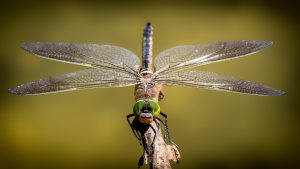
Supporting plants like rushes, iris, and native grasses strengthen habitat quality. Dragonflies respond quickly when ecosystems improve.
By planting thoughtfully and avoiding pesticides, you invite dragonflies to thrive. Start planting today and let dragonflies restore balance to your yard naturally.


