The best plants for ghost shrimp play a crucial role in creating a healthy and balanced aquarium environment. Choosing the right aquatic plants provides natural shelter, encourages grazing, and helps stabilize water conditions for shrimp in both nano and large tanks.
Live plants also support the aquarium ecosystem by improving oxygen levels and reducing harmful nitrates. Many aquarists find that shrimp spend most of their time exploring plant surfaces where algae and biofilm grow.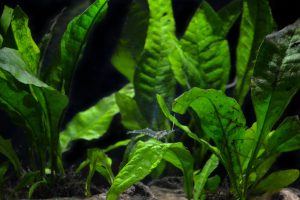
A densely planted aquarium can significantly improve shrimp survival rates, especially during delicate molting periods. Plants create safe hiding spaces that protect shrimp from stress and potential predators.
In this guide, you will discover how to choose the best plants for ghost shrimp and which species work best for creating a thriving shrimp habitat.
Also Read: Best Tanks For Shrimp
10 Best Plants for Ghost Shrimp – Optimal Shrimp Tank Guide
1. Java Moss (Taxiphyllum barbieri) – Best Moss Plant for Ghost Shrimp Grazing and Breeding Tanks
Java Moss (Taxiphyllum barbieri) provides a dense habitat for ghost shrimp to hide and graze. Its fine structure allows shrimp to feed on biofilm and algae throughout the day. Moss mats also enhance water stability and oxygenation.
It thrives in low-light aquariums and grows quickly to form protective cover. Shrimp frequently gather inside moss patches during molting, improving survival rates. The plant traps debris and absorbs excess nutrients, reducing nitrate buildup.
Java Moss is considered one of the best plants for ghost shrimp tanks. Its fast growth and hardy nature make it ideal for densely planted tanks. Overall, it provides shelter, grazing surfaces, and water quality improvement.
Pros:
• Shrimp shelter
• Easy care
• Low light
• Fast growth
• Biofilm rich
• Hardy plant
• Breeding aid
Cons:
• Overgrowth risk
• Needs trimming
• Debris trap
2. Anubias Nana – Best Low-Light Plant for Ghost Shrimp Nano Tanks
Anubias Nana is a durable plant that attaches easily to rocks or driftwood. Ghost shrimp explore its broad leaves for algae and biofilm. Its slow growth ensures long-lasting habitat structure.
The plant survives in low light without CO₂ injection. Thick leaves resist shrimp damage while maintaining aesthetics. Anubias Nana adds natural structure and midground cover for aquascapes.
Considered one of the best low-light plants for ghost shrimp, it combines resilience and visual appeal. Its compact size makes it ideal for nano tanks. Overall, it supports shrimp activity and tank decoration.
Pros:
• Hardy plant
• Low light
• Shrimp safe
• Slow growth
• Decorative
• Easy care
• Long lifespan
Cons:
• Slow spread
• Algae risk
• Pricey
3. Marimo Moss Ball – Best Decorative Plant for Ghost Shrimp Grazing Tanks
Marimo Moss Balls provide an interactive grazing surface for ghost shrimp. Their soft, spherical shape collects biofilm and microalgae. Shrimp frequently climb and feed on them.
They improve water quality by absorbing nitrates and reducing pollutants. Minimal maintenance is required; occasional rinsing keeps their shape. Compact size makes them ideal for small tanks and desktop setups.
Marimo Moss Balls rank among the best decorative plants for shrimp tanks. They support feeding, shelter, and water quality simultaneously. Overall, they combine aesthetics with functionality in shrimp habitats.
Pros:
• Unique look
• Shrimp grazing
• Easy care
• Low light
• Compact size
• Water filter
• Tank-friendly
Cons:
• Slow growth
• Limited coverage
• Rare supply
4. Java Fern – Best Hardy Plant for Ghost Shrimp Community Tanks
Java Fern attaches to rocks and driftwood, providing hiding spots under wide leaves. Its low-maintenance growth tolerates a variety of tank conditions. Shrimp benefit from algae that naturally grows on its leaves.
Thrives in low to moderate light without fertilizers. It adds vertical structure and creates natural cover zones. The plant steadily grows without disrupting water chemistry.
Java Fern is one of the best hardy plants for ghost shrimp aquariums. Its resilience, decorative shape, and shrimp-friendly structure enhance tank ecology. Overall, it balances durability, aesthetics, and shrimp habitat needs.
Pros:
• Hardy plant
• Low light
• Shrimp shelter
• Easy care
• Long leaves
• Decorative
• Tank-stable
Cons:
• Slow growth
• Leaf algae
• Needs anchor
5. Hornwort – Best Fast-Growing Plant for Ghost Shrimp Water Filtration
Hornwort creates dense cover for ghost shrimp while floating or anchoring in substrate. Its fine leaves allow secure grazing spaces. Fast growth improves water stability and oxygenation.
It absorbs excess nutrients and reduces algae outbreaks. Thrives in multiple lighting conditions for flexible tank setups. Dense foliage encourages shrimp activity and hiding.
Hornwort is considered one of the best fast-growing plants for ghost shrimp tanks. Its nutrient control and protective foliage make it highly functional. Overall, it supports filtration, oxygenation, and habitat structure.
Pros:
• Fast growth
• Nitrate control
• Shrimp shelter
• Floating plant
• Easy care
• Oxygen boost
• Dense foliage
Cons:
• Needle shedding
• Frequent trimming
• Messy look
6. Amazon Frogbit – Best Floating Plant for Ghost Shrimp Shade and Cover
Amazon Frogbit floats on the water surface and creates shaded zones. Ghost shrimp use its roots for cover and grazing. Roots collect biofilm, enhancing feeding opportunities.
It absorbs nitrates and phosphates efficiently while limiting excess light. Rapid propagation allows quick coverage of tank surfaces. Floating design provides natural shade and reduces algae growth.
Amazon Frogbit is one of the best floating plants for ghost shrimp tanks. It combines nutrient absorption, shade, and safe grazing areas. Overall, it balances aesthetics and functional shrimp habitat support.
Pros:
• Floating cover
• Long roots
• Fast spread
• Nitrate control
• Natural shade
• Shrimp refuge
• Easy care
Cons:
• Surface crowding
• Root trimming
• Light blocking
7. Dwarf Sagittaria – Best Carpet Plant for Ghost Shrimp Bottom Habitat
Dwarf Sagittaria forms a grassy carpet that shrimp walk and graze across. Its runners create dense protective zones, especially during molting. Adds a natural aesthetic to tank floors.
Thrives in moderate light and nutrient-rich substrate. Spreads faster than most carpet plants and forms dense underwater lawns. Shrimp find security and grazing opportunities within its blades.
Dwarf Sagittaria is considered one of the best carpet plants for ghost shrimp tanks. It creates bottom shelter while enhancing tank appearance. Overall, it provides grazing, protection, and visual appeal.
Pros:
• Carpet plant
• Shrimp shelter
• Fast runners
• Natural look
• Easy care
• Good coverage
• Tank-stable
Cons:
• Needs substrate
• Moderate light
• Trimming needed
8. Water Wisteria – Best Oxygenating Plant for Ghost Shrimp Aquariums
Water Wisteria increases oxygen levels and provides cover for ghost shrimp. It can grow planted or floating, allowing flexibility. Shrimp hide and graze among its soft leaves.
Absorbs excess nutrients to stabilize water and reduce algae. Unique leaf shape enhances visual interest in aquascapes. Grows rapidly under moderate lighting and requires low maintenance.
Water Wisteria is one of the best oxygenating plants for ghost shrimp tanks. It combines water quality improvement, shelter, and aesthetic appeal. Overall, it is versatile, functional, and low-maintenance.
Pros:
• Fast growth
• Oxygen boost
• Shrimp shelter
• Decorative
• Easy care
• Nutrient control
• Versatile growth
Cons:
• Frequent trimming
• Moderate light
• Fragile stems
9. Cryptocoryne Wendtii – Best Rooted Plant for Ghost Shrimp Aquascapes
Cryptocoryne Wendtii forms thick clusters for shrimp to hide and graze. Its compact size works well in midground planting. Leaves collect algae and biofilm that shrimp feed on.
Thrives in low to medium light with minimal maintenance. Adds natural structure for aquascaping. Slow spread ensures long-term stability without overtaking the tank.
Cryptocoryne Wendtii is one of the best rooted plants for ghost shrimp tanks. It combines protective cover, grazing surfaces, and natural tank design. Overall, it supports shrimp health and visual appeal.
Pros:
• Compact plant
• Shrimp shelter
• Hardy growth
• Decorative
• Easy care
• Aquascaping use
• Long lifespan
Cons:
• Melt risk
• Slow spread
• Root feeders
10. Subwassertang – Best Rare Plant for Ghost Shrimp Breeding Tanks
Subwassertang forms dense mats that protect shrimp and provide grazing surfaces. Ghost shrimp frequently explore and feed on microorganisms within its leaves. Ideal for breeding tanks and refuges.
Grows in low light without fertilizers. Dense structure improves survival of baby shrimp. Slow growth produces thick, long-lasting cover.
Subwassertang is considered one of the best rare plants for ghost shrimp tanks. It supports breeding, habitat density, and low-maintenance care. Overall, it provides shelter, grazing, and long-term tank stability.
Pros:
• Dense shelter
• Shrimp grazing
• Rare plant
• Easy care
• Low light
• Breeding aid
• Unique look
Cons:
• Slow growth
• Hard sourcing
• Higher cost
Best Plants for Ghost Shrimp FAQs
1. What plants do ghost shrimp like the most?
Ghost shrimp prefer dense plants and mosses that provide shelter and food. Java Moss, Subwassertang, and Hornwort are among their favorites because they grow biofilm and algae. These natural surfaces supply constant grazing opportunities.
2. Are live plants necessary for ghost shrimp?
Live plants are not strictly required but are highly recommended. Plants stabilize water chemistry, provide oxygen, and create hiding spots. Shrimp survival rates are significantly higher in planted tanks.
3. Can ghost shrimp damage aquarium plants?
Ghost shrimp rarely damage healthy plants. They mainly feed on algae, decaying leaves, and biofilm. In fact, they help keep plants cleaner.
4. What lighting is best for plants in ghost shrimp tanks?
Most shrimp plants thrive under low to moderate LED aquarium lighting. Excessive light can cause algae growth. Balanced lighting supports both plant health and shrimp comfort.
5. Do ghost shrimp eat algae on plants?
Yes, ghost shrimp are excellent algae eaters. They constantly graze on algae films growing on plant leaves. This natural behavior helps keep aquariums clean.
6. How many plants should be in a shrimp tank?
Experts recommend heavily planted aquariums for shrimp. A dense layout creates more hiding spaces and grazing areas. Many successful shrimp tanks contain at least 60% plant coverage.
7. What is the best plant for breeding ghost shrimp?
Java Moss and Subwassertang are considered top breeding plants. Their dense structure protects baby shrimp. They also grow microorganisms that young shrimp feed on.
Conclusion
In conclusion, choosing the best plants for ghost shrimp is essential for creating a healthy and stable aquarium environment. Dense plants provide shelter, natural food sources, and water filtration that greatly improves shrimp survival.
Among the options discussed, Java Moss stands out as the best choice because it offers unmatched grazing surfaces and hiding areas. Its rapid growth and low maintenance make it ideal for both beginners and experienced aquarists.
The runner-up is Anubias Nana, which excels in durability and low-light environments. Its broad leaves provide algae grazing areas while requiring minimal care.
Adding a mix of mosses, floating plants, and rooted plants creates the perfect shrimp habitat. If you want your ghost shrimp to thrive, start building a planted aquarium today and experiment with these proven aquatic plants.
Recent Posts
Best autumn plants for summer create stunning, long-lasting displays that transform any garden. Selecting the right varieties early ensures healthy growth, vibrant color, and extended bloom...
Autumn is the perfect season to refresh your outdoor space, and choosing the best plants for autumn hanging baskets ensures vibrant color and texture even as temperatures drop. Gardeners and...