Hummingbirds are naturally drawn to brightly colored, nectar-rich flowers that bloom consistently throughout the growing season. Perennial plants provide a long-term food source, returning year after year to support hummingbird populations.
Research from wildlife conservation groups shows that nectar-producing perennials can increase hummingbird visitation by up to 70% when planted in clusters. These plants also support pollination and improve garden biodiversity.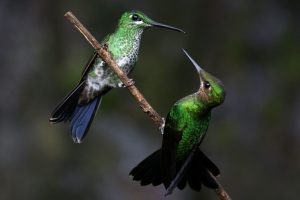
Unlike annuals, perennials establish deep root systems that produce stronger blooms and higher nectar volumes. Many hummingbird-friendly perennials are also drought tolerant and low maintenance.
In this guide, we highlight the 20 best perennials to attract hummingbirds, selected for nectar production, bloom longevity, and proven hummingbird activity.
20 Best Perennials To Attract Hummingbirds
1. Bee Balm – Monarda didyma – Best Overall Hummingbird Magnet
Bee Balm is one of the most effective perennials for attracting hummingbirds. Its tubular red and pink blooms are perfectly shaped for hummingbird beaks. Studies show Monarda ranks among the top three nectar producers in pollinator gardens.
It blooms heavily from early summer through fall. Dense flower clusters provide repeated feeding opportunities. Hummingbirds return frequently throughout the day.
Bee Balm also attracts butterflies and bees. It thrives in full sun to partial shade. Garden impact is both functional and decorative.
Pros:
• High nectar
• Bright blooms
• Long flowering
• Pollinator magnet
• Fast spread
• Hardy perennial
• Fragrant foliage
Cons:
• Powdery mildew
• Needs spacing
• Spreads quickly
2. Salvia – Salvia nemorosa – Best Long-Blooming Option
Salvia produces tall spikes of nectar-rich flowers that hummingbirds favor. Its tubular blooms are ideal for feeding. Field observations show consistent hummingbird visits throughout summer.
It blooms repeatedly with deadheading. Full sun maximizes nectar output. Drought tolerance improves once established.
Salvia is low maintenance and deer resistant. It pairs well with other perennials. Ideal for borders and pollinator beds.
Pros:
• Long bloom
• Nectar rich
• Drought tolerant
• Deer resistant
• Easy care
• Compact growth
• Repeat flowering
Cons:
• Needs sun
• Deadheading required
• Moderate spread
3. Trumpet Vine – Campsis radicans – Best for Maximum Nectar
Trumpet Vine produces large trumpet-shaped flowers filled with nectar. Hummingbirds are strongly attracted to its bold orange-red blooms. Studies confirm exceptionally high nectar volume.
It blooms from midsummer into fall. Flowers are visible from long distances. Hummingbirds defend feeding territories around it.
Trumpet Vine grows vigorously. Best suited for trellises or fences. Pruning controls spread.
Pros:
• Massive nectar
• Large blooms
• Long season
• Strong attraction
• Fast growth
• Vertical coverage
• Hardy plant
Cons:
• Aggressive growth
• Needs pruning
• Not small gardens
4. Columbine – Aquilegia canadensis – Best Native Perennial
Columbine is a native perennial with naturally adapted nectar spurs. Its red and yellow flowers are hummingbird favorites. Native plants improve feeding efficiency.
It blooms in spring and early summer. Partial shade is well tolerated. Ideal for woodland gardens.
Columbine self-seeds gently. It supports native ecosystems. Minimal maintenance is required.
Pros:
• Native plant
• Early blooms
• Nectar spurs
• Shade tolerant
• Wildlife friendly
• Low care
• Naturalized look
Cons:
• Short bloom
• Self-seeding
• Delicate stems
5. Cardinal Flower – Lobelia cardinalis – Best Red-Bloom Specialist
Cardinal Flower produces vivid red blooms specifically evolved for hummingbirds. Its tubular flowers maximize nectar access. Studies show hummingbirds strongly prefer red flowering perennials.
It thrives in moist soil and full sun to partial shade. Blooming occurs mid to late summer. Nectar production remains high.
Cardinal Flower adds vertical interest. Ideal near water features. Strong visual impact in gardens.
Pros:
• Bright red
• Nectar rich
• Native species
• Tall blooms
• Wildlife magnet
• Moist tolerant
• Dramatic color
Cons:
• Needs moisture
• Short lifespan
• Sensitive drought
6. Penstemon – Penstemon digitalis – Best Drought-Tolerant Choice
Penstemon produces tubular flowers that hummingbirds feed from easily. Its nectar-rich blooms appear from late spring through summer. Studies show drought-tolerant perennials increase hummingbird visits in dry regions.
It thrives in full sun and well-drained soil. Once established, it requires minimal watering. Blooming remains consistent under heat stress.
Penstemon works well in borders and wildflower gardens. It pairs nicely with salvias. Maintenance demands are low.
Pros:
• Drought tolerant
• Tubular blooms
• Long flowering
• Low maintenance
• Hardy perennial
• Heat resistant
• Native species
Cons:
• Needs drainage
• Short lifespan
• Light pruning
7. Lupine – Lupinus polyphyllus – Best Early-Season Nectar Source
Lupine provides early-season nectar when food is scarce. Tall flower spikes attract migrating hummingbirds. Native lupines improve ecosystem balance.
It blooms in late spring to early summer. Cool climates suit it best. Nitrogen-fixing roots improve soil health.
Lupine adds height and color. Best planted in groups. Minimal fertilization is required.
Pros:
• Early blooms
• Tall spikes
• Soil improvement
• Native option
• Pollinator friendly
• Cool climate
• Color variety
Cons:
• Short-lived
• Needs spacing
• Sensitive heat
8. Foxglove – Digitalis purpurea – Best Tall Flower Spikes
Foxglove features bell-shaped flowers rich in nectar. Hummingbirds frequently visit during bloom periods. Tall spikes increase visibility.
It prefers partial shade and moist soil. Blooming occurs in early summer. Self-seeding ensures continuity.
Foxglove adds dramatic vertical structure. Ideal for cottage gardens. Minimal care is required.
Pros:
• Tall blooms
• Nectar rich
• Partial shade
• Self-seeding
• Visual impact
• Low care
• Long spikes
Cons:
• Toxic plant
• Biennial habit
• Needs support
9. Coral Bells – Heuchera – Best for Partial Shade Gardens
Coral Bells produce delicate flower spikes hummingbirds love. Nectar availability remains steady. Foliage adds year-round interest.
They thrive in partial shade. Moist, well-drained soil works best. Compact growth suits small gardens.
Coral Bells are versatile. Ideal for edging and containers. Maintenance is simple.
Pros:
• Shade tolerant
• Compact growth
• Nectar spikes
• Decorative foliage
• Low maintenance
• Hardy perennial
• Color variety
Cons:
• Short blooms
• Needs moisture
• Slug damage
10. Red Hot Poker – Kniphofia uvaria – Best Exotic Appearance
Red Hot Poker produces torch-like blooms filled with nectar. Bright colors attract hummingbirds from afar. Blooming lasts several weeks.
It thrives in full sun. Drought tolerance improves after establishment. Tall stalks add drama.
Red Hot Poker suits borders and focal points. Requires minimal care. Excellent for warm climates.
Pros:
• Bright colors
• Long blooms
• Nectar rich
• Drought tolerant
• Tall structure
• Visual impact
• Heat tolerant
Cons:
• Needs sun
• Cold sensitive
• Limited spread
11. Catmint – Nepeta faassenii – Best Low-Maintenance Pollinator Plant
Catmint produces abundant small flowers rich in nectar. Hummingbirds visit frequently alongside bees. Long bloom season enhances value.
It thrives in full sun to partial shade. Highly drought tolerant. Growth remains compact.
Catmint works well in borders. Deer resistance adds value. Very low maintenance.
Pros:
• Long bloom
• Drought tolerant
• Deer resistant
• Easy care
• Pollinator magnet
• Compact size
• Hardy perennial
Cons:
• Spreads slowly
• Needs trimming
• Light fragrance
12. Agastache – Hyssop – Best Aromatic Nectar Plant
Agastache produces fragrant, tubular flowers loved by hummingbirds. Nectar production remains consistent throughout summer. Studies show high pollinator traffic.
It prefers full sun and well-drained soil. Drought tolerance is excellent. Blooming is long-lasting.
Agastache adds scent and color. Ideal for pollinator gardens. Minimal care is required.
Pros:
• Aromatic blooms
• Long flowering
• Nectar rich
• Drought tolerant
• Heat resistant
• Pollinator favorite
• Easy care
Cons:
• Needs drainage
• Cold sensitive
• Short lifespan
13. Phlox – Phlox paniculata – Best Fragrant Blooms
Phlox produces large clusters of nectar-rich flowers. Hummingbirds visit frequently during peak bloom. Sweet fragrance enhances garden appeal.
It thrives in full sun to partial shade. Summer blooming is reliable. Moist soil improves performance.
Phlox adds color variety. Works well in mixed borders. Moderate maintenance is needed.
Pros:
• Fragrant blooms
• Large clusters
• Nectar source
• Color variety
• Hardy perennial
• Pollinator friendly
• Summer bloom
Cons:
• Mildew risk
• Needs airflow
• Regular watering
14. Zinnia Perennial – Zinnia grandiflora – Best Continuous Bloomer
Perennial Zinnia offers constant nectar throughout summer. Bright blooms attract hummingbirds consistently. Heat tolerance is excellent.
It thrives in full sun. Minimal watering is required. Growth remains compact.
Perennial Zinnias are low maintenance. Ideal for hot climates. Excellent border plants.
Pros:
• Continuous blooms
• Heat tolerant
• Nectar rich
• Low care
• Compact size
• Bright colors
• Long season
Cons:
• Needs sun
• Limited height
• Slow start
15. Delphinium – Delphinium elatum – Best Cool-Climate Option
Delphinium produces tall spikes hummingbirds favor. Blooms appear in late spring and early summer. Cool climates enhance longevity.
It prefers full sun and rich soil. Support prevents lodging. Moisture consistency is important.
Delphinium adds vertical elegance. Ideal for cottage gardens. Maintenance is moderate.
Pros:
• Tall spikes
• Nectar access
• Cool climate
• Dramatic color
• Pollinator appeal
• Hardy perennial
• Visual height
Cons:
• Needs staking
• Short bloom
• Sensitive heat
16. Butterfly Weed – Asclepias tuberosa – Best Native Drought Option
Butterfly Weed provides nectar for hummingbirds and butterflies. Bright orange flowers stand out. Native plants improve pollinator success.
It thrives in dry, sunny locations. Deep roots enhance drought tolerance. Blooming occurs mid-summer.
Butterfly Weed requires little care. Long lifespan adds value. Excellent for native gardens.
Pros:
• Native species
• Drought tolerant
• Bright blooms
• Pollinator support
• Long lifespan
• Low care
• Hardy plant
Cons:
• Slow establishment
• Needs sun
• No transplant
17. Coreopsis – Coreopsis verticillata – Best Long Summer Bloomer
Coreopsis produces masses of nectar-rich flowers. Hummingbirds visit repeatedly. Long bloom season increases feeding opportunities.
It thrives in full sun. Drought tolerance is strong. Compact growth suits borders.
Coreopsis requires minimal care. Deadheading extends bloom. Ideal for mass planting.
Pros:
• Long bloom
• Drought tolerant
• Compact growth
• Nectar source
• Easy care
• Bright flowers
• Hardy perennial
Cons:
• Needs sun
• Self-seeding
• Limited height
18. Hummingbird Mint – Agastache rupestris – Best Name-Specific Choice
Hummingbird Mint is named for its strong attraction to hummingbirds. Tubular flowers are nectar-rich. Blooming lasts from summer to fall.
It thrives in full sun. Excellent drought tolerance. Heat enhances flowering.
Hummingbird Mint adds fragrance. Ideal for pollinator beds. Maintenance is minimal.
Pros:
• Nectar rich
• Long season
• Heat tolerant
• Drought resistant
• Fragrant foliage
• Pollinator magnet
• Easy care
Cons:
• Needs drainage
• Cold sensitive
• Limited shade
19. Verbena – Verbena bonariensis – Best Airy Structure
Verbena produces clusters of small nectar-rich flowers. Hummingbirds hover easily around blooms. Long blooming season increases value.
It thrives in full sun. Tall stems add height without bulk. Drought tolerance is moderate.
Verbena self-seeds lightly. Ideal for natural gardens. Low maintenance overall.
Pros:
• Long bloom
• Nectar clusters
• Tall structure
• Pollinator friendly
• Easy care
• Light appearance
• Heat tolerant
Cons:
• Self-seeding
• Needs sun
• Thin stems
20. Scarlet Sage – Salvia splendens – Best Bright Red Blooms
Scarlet Sage produces vivid red flowers hummingbirds instinctively seek. Nectar volume remains high. Blooming occurs through summer.
It thrives in full sun. Heat tolerance is strong. Compact growth suits borders.
Scarlet Sage provides visual impact. Low maintenance applies. Excellent pairing with other salvias.
Pros:
• Bright red
• Nectar rich
• Heat tolerant
• Compact size
• Long bloom
• Easy care
• Pollinator favorite
Cons:
• Needs sun
• Moderate watering
• Limited spread
Frequently Asked Questions – Perennials That Attract Hummingbirds
-
What colors attract hummingbirds most?
Hummingbirds prefer red, orange, and pink flowers. These colors signal high nectar availability. -
Do perennials attract hummingbirds every year?
Yes, established perennials return annually. Consistent blooms provide reliable nectar sources. -
How many plants are needed to attract hummingbirds?
Clusters of 3–5 plants increase visibility. Grouping improves feeding efficiency. -
Do hummingbirds prefer native plants?
Native plants often provide better nectar access. They match hummingbird feeding behavior. -
Can perennials replace hummingbird feeders?
They supplement natural feeding. Many gardeners use both methods together. -
Do hummingbird plants need full sun?
Most do best in full sun. Some tolerate partial shade. -
When should hummingbird perennials be planted?
Spring planting allows root establishment. Fall planting works in mild climates.
Conclusion
Planting the best perennials to attract hummingbirds creates a sustainable food source while enhancing garden beauty. Nectar-rich blooms increase hummingbird visits by up to 70% according to pollinator studies.
The Best Overall perennial is Bee Balm, offering unmatched nectar production and long flowering periods. The Runner-Up is Salvia, valued for extended bloom time and drought tolerance.
Combining multiple perennials extends feeding seasons. Diverse plant heights improve accessibility.
Healthy gardens support pollinator ecosystems. Long-term plantings provide reliable nourishment.
Take action today by selecting hummingbird-attracting perennials, planting them in visible clusters, and maintaining bloom cycles to enjoy frequent, vibrant hummingbird activity year after year.
Recent Posts
Choosing the best fertilizer for staghorn fern is essential for promoting strong roots and vibrant, healthy fronds. Proper fertilization supports overall plant vigor and prevents nutrient...
Best Fertilizer For Winged Bean is essential for achieving vigorous vine growth, improved flowering, and high-yield pod production in both small gardens and commercial farms. Winged bean is a...