Choosing the best material for planter boxes is essential for durability, plant health, and long-term gardening success. The right material influences drainage, insulation, weight, and overall maintenance requirements.
Different materials offer unique advantages depending on climate, plant type, and garden design. Some materials are better for vegetables, while others suit decorative plants or permanent installations.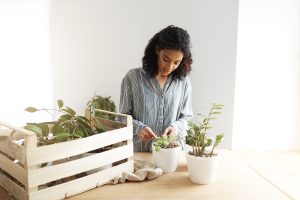
Understanding material properties helps prevent common issues like root overheating, poor drainage, or structural damage. Selecting the correct planter material ensures optimal growth conditions and reduces replacement costs.
In this guide, we explore the best material for planter boxes, covering durability, maintenance, and performance. You will discover which materials work best for your specific gardening needs and environment.
10 Best Material For Planter Boxes
1. Cedar Wood – Best Durable and Rot-Resistant Planter Material
Cedar wood is perfect for best rot-resistant wood for planter boxes due to its natural resistance to decay and insects. It performs well in outdoor environments and maintains structural integrity for years. Its insulating properties protect plant roots from extreme temperatures.
Cedar is lightweight and easy to assemble into custom planter designs. It requires minimal treatment compared to other woods. This makes it ideal for vegetables, herbs, and flowers in raised beds or containers.
Gardeners prefer cedar for its balance of durability and natural appearance. It blends seamlessly into outdoor spaces while supporting healthy plant growth. Overall, cedar is a top-tier material for long-lasting planter boxes.
Pros:
• Rot-resistant
• Durable
• Lightweight
• Natural look
• Pest-resistant
• Insulating
• Easy build
Cons:
• Expensive
• Needs sealing
• Softwood dents
2. Redwood – Best Premium Long-Lasting Wood
Redwood is ideal for best premium wood for planter boxes durability due to its natural oils that resist decay and pests. It performs exceptionally well in outdoor conditions with minimal warping. Its rich color enhances the visual appeal of any garden.
It provides excellent insulation for roots, keeping soil temperature stable. Redwood works well for large raised beds and decorative planters. It is especially suitable for high-end landscaping projects.
Gardeners value redwood for its strength and aesthetic quality. It offers long-term performance with minimal maintenance. Overall, redwood is a premium option for durable planter boxes.
Pros:
• Long-lasting
• Rot-resistant
• Beautiful color
• Pest-resistant
• Stable
• Insulating
• Strong
Cons:
• Expensive
• Heavy
• Limited supply
3. Teak – Best Luxury Weather-Resistant Wood
Teak is perfect for best luxury wood for outdoor planter boxes because of its superior weather resistance. Its natural oils protect against moisture, insects, and rot. Teak maintains its strength even in harsh climates.
It is highly durable and requires very little maintenance over time. Teak planters can last decades without significant wear. Its golden-brown finish adds a premium look to outdoor spaces.
Gardeners choose teak for its elegance and longevity. It is ideal for decorative and high-end gardening setups. Overall, teak is one of the most durable and stylish planter materials available.
Pros:
• Weather-resistant
• Durable
• Stylish
• Rot-resistant
• Pest-resistant
• Long-lasting
• Low maintenance
Cons:
• Very expensive
• Heavy
• Hard source
4. Pine Wood – Best Budget-Friendly Wooden Material
Pine wood is suitable for best affordable wood for planter boxes for gardeners on a budget. It is widely available and easy to work with for DIY projects. When treated, pine can resist rot and pests effectively.
It is lightweight and ideal for small to medium planter boxes. However, untreated pine may degrade quickly in wet conditions. Applying sealant or paint improves its durability significantly.
Gardeners appreciate pine for its affordability and accessibility. It is perfect for beginners or temporary setups. Overall, pine is a cost-effective option for planter boxes.
Pros:
• Affordable
• Easy work
• Lightweight
• Available
• Customizable
• Versatile
• Beginner-friendly
Cons:
• Needs treatment
• Less durable
• Rot risk
5. Plastic – Best Lightweight Planter Material
Plastic is ideal for best lightweight planter box material for portability. It is water-resistant, affordable, and available in many designs. Plastic planters are easy to move and reposition.
They require minimal maintenance and do not rot or rust. Many plastic planters include built-in drainage systems. They are suitable for herbs, flowers, and small vegetables.
Gardeners value plastic for convenience and flexibility. It is perfect for balconies and urban gardening. Overall, plastic is a practical and budget-friendly planter material.
Pros:
• Lightweight
• Affordable
• Waterproof
• Portable
• Durable
• Easy clean
• Versatile
Cons:
• Less aesthetic
• Can crack
• Heat retention
6. Resin / Composite – Best Low-Maintenance Planter Material
Resin is perfect for best low maintenance planter box material for outdoors. It mimics wood or stone while offering superior durability. Resin resists fading, cracking, and weather damage.
It is lightweight yet strong, making it easy to handle. Many resin planters include self-watering features. They are suitable for both decorative and functional gardening.
Gardeners prefer resin for its durability and modern design. It requires little upkeep compared to wood. Overall, resin is an excellent long-term planter material.
Pros:
• Low maintenance
• Durable
• Lightweight
• Weatherproof
• Stylish
• Rot-proof
• Easy clean
Cons:
• Less natural
• Can fade
• Limited strength
7. Metal (Steel/Aluminum) – Best Modern Planter Material
Metal is ideal for best modern material for planter boxes durability. Steel and aluminum provide strong, long-lasting structures. They offer a sleek and contemporary garden aesthetic.
Metal retains heat, which benefits heat-loving plants. However, insulation may be needed in extreme climates. These planters are suitable for flowers, herbs, and vegetables.
Gardeners value metal for strength and modern style. It is durable and resistant to pests and rot. Overall, metal is a reliable and stylish planter material.
Pros:
• Strong
• Durable
• Modern look
• Rot-proof
• Weather-resistant
• Sleek
• Long-lasting
Cons:
• Heat retention
• Can dent
• Heavy
8. Concrete – Best Heavy-Duty Planter Material
Concrete is perfect for best heavy duty planter box material for large gardens. It is extremely durable and withstands harsh weather conditions. Concrete provides excellent insulation for plant roots.
It is ideal for permanent planter installations. Concrete can be molded into decorative shapes and textures. However, proper drainage is essential to prevent water buildup.
Gardeners choose concrete for stability and longevity. It is perfect for large plants, shrubs, and trees. Overall, concrete is a strong and permanent planter solution.
Pros:
• Extremely durable
• Stable
• Weatherproof
• Insulating
• Decorative
• Long-lasting
• Strong
Cons:
• Very heavy
• Expensive
• Hard move
9. Terracotta – Best Breathable Clay Material
Terracotta is ideal for best breathable planter box material for healthy roots. Its porous structure allows air and moisture exchange. This helps prevent overwatering and root rot.
It works well for herbs, succulents, and small vegetables. However, terracotta dries out quickly and requires frequent watering. It may crack in freezing temperatures.
Gardeners love terracotta for its natural look and plant health benefits. It enhances root aeration and drainage. Overall, it is a classic and effective planter material.
Pros:
• Breathable
• Natural look
• Good drainage
• Lightweight
• Affordable
• Root healthy
• Traditional
Cons:
• Breakable
• Dries fast
• Frost damage
10. Fabric (Grow Bags) – Best Flexible Planter Material
Fabric grow bags are perfect for best fabric material for planter boxes and root aeration. They allow excellent airflow to roots, preventing root circling. Fabric planters are lightweight and portable.

They promote healthy root systems through air pruning. These planters are ideal for vegetables like potatoes, tomatoes, and peppers. They also fold easily for storage.
Gardeners appreciate fabric planters for flexibility and performance. They are cost-effective and easy to use. Overall, fabric is a modern and efficient planter material.
Pros:
• Lightweight
• Portable
• Breathable
• Root pruning
• Affordable
• Foldable
• Easy use
Cons:
• Short lifespan
• Needs watering
• Less sturdy
Best Material For Planter Boxes FAQs
1. Which planter box material lasts the longest?
Wood like cedar, redwood, or teak and heavy materials like concrete provide the longest lifespan. Proper treatment and maintenance increase durability.
2. Which material is best for vegetables?
Cedar, resin, and plastic are ideal for vegetable planters. They are lightweight, durable, and safe for edible crops.
3. Are metal planters good for hot climates?
Metal planters can retain heat, which benefits sun-loving plants but may require insulation for cooler or delicate roots.
4. Can I use plastic planters outdoors year-round?
Yes, high-quality, UV-resistant plastic planters withstand sun, rain, and frost. Lightweight and portable designs make seasonal changes easy.
5. Is concrete too heavy for balconies?
Concrete planters are heavy and may not be suitable for upper-story balconies. Smaller or lightweight resin alternatives are better for high-rise spaces.
6. Which planter box materials need the least maintenance?
Resin, plastic, and metal require minimal maintenance compared to wood. They resist rot, fading, and pests naturally.
7. Can I mix materials in my garden?
Yes, combining wood, resin, metal, or concrete planters can enhance aesthetics and functionality. Choose materials based on plant needs, climate, and style preferences.
Conclusion
In conclusion, the best material for planter boxes depends on durability, aesthetics, and plant needs. Wood materials like cedar, redwood, and teak offer natural beauty, insulation, and rot resistance, making them ideal for long-term outdoor use.
The runner-up materials include resin, plastic, and metal planters. They provide lightweight, low-maintenance, and weather-resistant options suitable for small spaces, urban gardens, or portable setups.
Concrete is excellent for stability and large installations, while metal adds a modern, sleek look. Resin and plastic planters are versatile, easy to maintain, and perfect for beginner gardeners.
Choosing the right planter material ensures your plants thrive, your garden looks attractive, and your planters last for years. Evaluate your space, climate, and plant types to select the best and runner-up materials for your garden.
Start upgrading your garden today by picking the right material for your planter boxes. Durable, attractive, and functional choices will maximize growth, ease of maintenance, and long-term gardening success.
Recent Posts
10 Best Drought Tolerant Container Plants For Full Sun And Heat
Finding the best drought tolerant container plants for full sun and heat can transform your outdoor space into a low-maintenance oasis. Many gardeners struggle with intense sunlight and water...
Choosing the best kitchen sink for rental property is a critical decision that directly affects maintenance costs, tenant satisfaction, and long-term durability. Rental kitchens face constant wear,...