Selecting the best insecticide for thrips in chilli is essential for protecting chilli plants from severe yield losses and leaf damage. Thrips infestations can reduce chilli production by 30–60%, especially during warm and dry growing seasons.
These tiny pests, particularly Scirtothrips dorsalis, feed on plant sap and damage leaves, buds, and young fruits. Infested plants often develop curled leaves, brittle buds, and stunted growth that significantly lowers fruit production.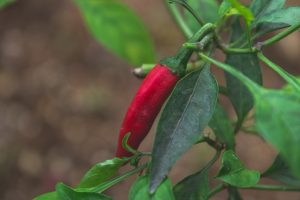
Many farmers combine systemic insecticides with contact sprays to achieve effective thrips management. Using both chemical and organic treatments can target multiple life stages, including larvae and adult insects.
In this guide, we review the best insecticide for thrips in chilli, including systemic insecticides, organic neem formulations, and broad-spectrum contact sprays. You will also discover proper application timing, dosage tips, and strategies to achieve maximum thrips control while protecting beneficial insects.
10 Best Insecticide For Thrips In Chilli
1. Spinosad 45% SC – Best Organic Insecticide For Thrips In Chilli Plants
Spinosad 45% SC is one of the most effective insecticides for controlling thrips in chilli crops. It works through ingestion and contact action, quickly paralyzing and killing pests feeding on leaves. Agricultural recommendations suggest 3.2 ml per 10 liters of water for effective control.
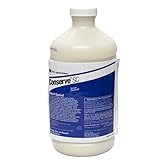
The insecticide is derived from natural soil bacteria and is widely used in organic farming systems. It penetrates leaf tissue and provides translaminar protection against hidden pests.
Farmers use this product during early infestation stages for best results. Regular monitoring and proper spraying intervals can significantly reduce thrips populations.
Pros
• Organic formula
• Fast action
• Translaminar control
• Safe crops
• Effective larvae
• Low residue
• Broad spectrum
Cons
• Sun sensitive
• Short residual
• Multiple sprays
2. Imidacloprid 17.8% SL – Best Systemic Insecticide For Thrips In Chilli Crops
Imidacloprid 17.8% SL is a powerful systemic insecticide widely used to control sucking pests like thrips. It is absorbed by the plant and transported through vascular tissues, killing insects feeding on treated plants.
Recommended dosage is 3 ml per 10 liters of water, making it highly effective for severe infestations.
Because it acts systemically, the insecticide protects new growth as well as treated leaves. This makes it particularly effective in chilli fields with heavy pest pressure.
Pros
• Systemic action
• Long residual
• Rapid control
• Effective sucking pests
• Easy spray
• Reliable performance
• Widely used
Cons
• Chemical formula
• Pollinator risk
• Resistance risk
3. Emamectin Benzoate 5% SG – Best Larvae Control Insecticide For Thrips In Chilli
Emamectin Benzoate 5% SG is highly effective against larvae and feeding thrips. It disrupts insect nerve activity and causes paralysis shortly after ingestion.
Agricultural recommendations suggest 4 g per 10 liters of water for chilli crops.
This insecticide is commonly used in integrated pest management programs. Its targeted mode of action helps reduce pest populations while maintaining crop health.
Pros
• Powerful control
• Fast knockdown
• Larvae control
• Low dosage
• Reliable results
• Broad spectrum
• Crop safe
Cons
• Chemical product
• Limited residual
• Multiple sprays
4. Fipronil 5% SC – Best Broad Spectrum Insecticide For Thrips In Chilli Farming
Fipronil 5% SC is a broad-spectrum insecticide effective against multiple chilli pests including thrips, aphids, and leaf miners. It disrupts the insect nervous system, causing rapid mortality.
Recommended dosage is 1.5 ml per liter of water for effective pest management.
The insecticide provides contact and stomach action, ensuring quick control of active infestations. Farmers commonly rotate it with other insecticides to prevent resistance development.
Pros
• Broad spectrum
• Fast action
• Strong control
• Reliable results
• Easy application
• Good coverage
• Multi pest control
Cons
• Chemical pesticide
• Environmental risk
• Resistance risk
5. Dimethoate 30% EC – Best Contact Insecticide For Thrips In Chilli Plants
Dimethoate 30% EC is a contact and systemic insecticide widely used for sucking pests. It penetrates plant tissues and eliminates insects feeding on leaves and stems.
Recommended dosage is 1 ml per liter of water for effective chilli thrips management.
The insecticide provides rapid knockdown and short-term protection. Farmers often apply it during early infestation stages to prevent population growth.
Pros
• Quick control
• Contact action
• Systemic effect
• Affordable
• Reliable spray
• Easy mixing
• Rapid results
Cons
• Chemical toxicity
• Short residual
• Protective gear
6. Thiacloprid 21.7% SC – Best Systemic Thrips Insecticide For Chilli Plants
Thiacloprid 21.7% SC is another effective systemic insecticide for thrips management. It disrupts the nervous system of sucking pests and prevents feeding.
Recommended dosage is 6 ml per 10 liters of water for chilli crops.
The insecticide provides long-lasting protection and works well in rotation with other chemicals. Proper application ensures consistent pest suppression.
Pros
• Systemic action
• Long residual
• Strong control
• Easy application
• Reliable results
• Broad spectrum
• Crop safe
Cons
• Chemical pesticide
• Resistance risk
• Pollinator concern
7. Acephate 75% SP – Best Powerful Insecticide For Thrips In Chilli Farms
Acephate 75% SP is a strong organophosphate insecticide used for severe thrips infestations. It works through systemic and contact action to eliminate sucking insects quickly.
Recommended dosage is 1.5 g per liter of water when applied to chilli crops.
This insecticide provides rapid control and is widely used in commercial chilli farming. However, careful handling and protective equipment are necessary during spraying.
Pros
• Strong control
• Systemic action
• Rapid knockdown
• Reliable performance
• Multi pest control
• Easy spray
• Commercial use
Cons
• Chemical toxicity
• Protective gear
• Resistance risk
8. Neem Oil (Azadirachtin) – Best Organic Insecticide For Thrips In Chilli Gardens
Neem oil containing azadirachtin is a natural insecticide used for organic chilli farming. It acts as a feeding deterrent, growth regulator, and repellent for thrips.
Recommended application rate is 2–3 ml per liter of water depending on the formulation.
Neem oil disrupts insect development and reduces reproduction rates. It is ideal for small gardens and environmentally friendly pest control programs.
Pros
• Organic product
• Eco friendly
• Repellent action
• Safe crops
• Easy use
• Integrated control
• Sustainable farming
Cons
• Slow action
• Repeated sprays
• Rain sensitive
9. Spinetoram 11.7% SC – Best Modern Insecticide For Thrips In Chilli Farming
Spinetoram 11.7% SC is an advanced insecticide derived from the same bacterial group as spinosad. It provides highly effective control of thrips and other sucking pests.
Recommended dosage is 1 ml per liter of water for chilli crops.
The insecticide penetrates leaf tissue and disrupts insect nerve activity. It offers fast action and reliable protection in commercial chilli production.
Pros
• Fast knockdown
• Advanced formula
• Effective thrips
• Reliable control
• Crop safe
• Easy application
• Modern pesticide
Cons
• Chemical product
• Higher cost
• Rotation needed
10. Oxydemeton-Methyl 25% EC – Best Systemic Thrips Spray For Chilli Plants
Oxydemeton-Methyl 25% EC is a systemic insecticide used to control sucking pests such as thrips, aphids, and mites. It spreads through plant tissues and eliminates insects feeding on sap.
Recommended dosage is 1 ml per liter of water for chilli crops.
Farmers often apply this insecticide when infestations become severe. Rotating with other insecticides helps maintain effectiveness and reduce resistance.
Pros
• Systemic action
• Strong control
• Reliable results
• Easy spray
• Broad spectrum
• Crop protection
• Fast absorption
Cons
• Chemical pesticide
• Protective gear
• Resistance risk
Best Insecticide For Thrips In Chilli Frequently Asked Questions
1. What is the best insecticide for thrips in chilli plants?
Spinosad and imidacloprid are among the most effective options. Both control thrips quickly and protect chilli plants from further damage.
2. What are the symptoms of thrips damage in chilli crops?
Common symptoms include leaf curling, silvery streaks, brittle buds, and reduced fruit production. Severe infestations can cause stunted plant growth.
3. Can organic insecticides control thrips in chilli plants?
Yes. Neem oil and other azadirachtin-based products can reduce thrips populations and are widely used in organic farming systems.
4. When should I spray insecticide for chilli thrips?
Spray insecticides when early symptoms appear or when thrips populations reach damaging levels. Early treatment prevents severe crop damage.
5. How often should insecticides be applied?
Most insecticides are applied every 7–10 days depending on infestation severity and product label recommendations.
6. Can thrips develop resistance to insecticides?
Yes. Rotating different insecticides with different modes of action helps prevent resistance.
7. What farming practices help reduce thrips infestations?
Crop rotation, proper irrigation, and monitoring plants regularly can help reduce thrips populations naturally.
Conclusion
In conclusion, the best insecticide for thrips in chilli depends on infestation severity, farming method, and environmental considerations. Systemic insecticides such as imidacloprid provide long-lasting protection, while contact sprays like spinosad deliver rapid control.
The best overall option is Spinosad 45% SC, offering effective and relatively eco-friendly thrips control. The runner-up is Imidacloprid 17.8% SL, which provides strong systemic protection against sucking pests.
Integrating chemical and organic insecticides with cultural practices ensures long-term pest management. Rotating insecticides, monitoring crops regularly, and maintaining healthy plants helps achieve the most effective thrips control in chilli crops.
Recent Posts
Choosing the best pet safe alternative to Roundup for dogs is essential for maintaining a weed-free yard without exposing your pets to harmful chemicals. Many conventional herbicides contain...
Creating a lively, bird-friendly landscape begins with choosing the best plants that attract birds in Florida. The right selection provides nectar, seeds, berries, and shelter that naturally draw...