Water lilies (Nymphaea spp.) can quickly overtake ponds and lakes, which is why choosing the best herbicide for water lilies is essential for maintaining balanced aquatic ecosystems. These aquatic plants spread through rhizomes that allow rapid surface coverage in calm water bodies, making herbicides for water lilies necessary for effective control.
Effective management of water lilies depends on how herbicides for water lilies interact with plant physiology and aquatic environments. Different herbicides for water lilies work through either systemic absorption that targets root structures or direct contact damage that affects surface tissues.
Environmental factors such as sediment nutrients, water depth, and sunlight exposure strongly influence how herbicides for water lilies perform in real pond conditions. Application timing during active growth stages significantly improves absorption efficiency and overall control success.
In this guide, the best herbicide for water lilies is explained through chemical mechanisms, application strategies, and ecological safety, helping you choose the right herbicides for water lilies for long-term pond management.
10 Best Herbicides for Water Lilies
1. Glyphosate-Based Aquatic Herbicides– effective glyphosate herbicide for water lilies in ponds
Glyphosate-based aquatic herbicides are highly effective for controlling water lilies. These herbicides are specially formulated for use in aquatic environments and target the plant’s root system, ensuring complete eradication.
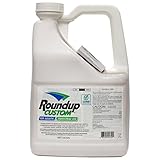
Glyphosate works by inhibiting an enzyme essential for plant growth, leading to the death of the water lilies. It is best applied as a foliar spray, directly onto the leaves of the water lilies. For best results, apply during the growing season when the plants are actively transporting nutrients.
One of the key advantages of glyphosate is its ability to penetrate the plant’s system and kill it from the roots up. This ensures that the water lilies do not regrow, providing long-lasting control. Always follow the manufacturer’s instructions for safe and effective use in aquatic environments.
2. Diquat Herbicide– fast-acting diquat herbicide for water lilies
Diquat is a fast-acting herbicide that provides quick control of water lilies. It is commonly used in aquatic environments and works by disrupting the plant’s cell membranes, leading to rapid desiccation and death.

This herbicide is best applied as a foliar spray, directly onto the leaves of the water lilies. It is particularly effective when applied during the growing season when the plants are actively transporting nutrients. Diquat is rainfast within a few hours of application, ensuring that it remains effective even after rainfall.
One of the benefits of diquat is its ability to provide visible results within a few days. It is also safe for use in aquatic environments when applied as directed. Always follow the label instructions for optimal results.
3. 2,4-D Aquatic Herbicide– selective 2,4-D herbicide for water lilies in lakes
2,4-D aquatic herbicide is a selective herbicide that targets broadleaf plants like water lilies while sparing most aquatic grasses. It is commonly used in lakes and ponds to control invasive aquatic plants.
This herbicide works by mimicking a plant hormone, causing uncontrolled growth that leads to the death of the water lilies. It is best applied as a foliar spray, directly onto the leaves of the water lilies. For best results, apply during the growing season when the plants are actively transporting nutrients.
One of the benefits of 2,4-D is its selectivity, which makes it safe for use in areas with desirable aquatic plants. It is also rainfast within a few hours of application, ensuring that it remains effective even after rainfall. Always follow the label instructions for optimal results.
4. Fluridone Herbicide– long-lasting fluridone herbicide for water lilies
Fluridone is a slow-acting herbicide that provides long-lasting control of water lilies. It is commonly used in large bodies of water, such as lakes and reservoirs, to control invasive aquatic plants.
This herbicide works by inhibiting photosynthesis in the water lilies, leading to their gradual death. It is best applied as a liquid or granular treatment to the water. For best results, apply during the growing season when the plants are actively transporting nutrients.
One of the key advantages of fluridone is its residual activity, which prevents regrowth for an extended period. This makes it an excellent choice for large-scale water lily control. Always follow the manufacturer’s instructions for safe and effective use in aquatic environments.
5. Triclopyr Aquatic Herbicide– effective triclopyr herbicide for water lilies in ponds
Triclopyr aquatic herbicide is a selective herbicide that targets broadleaf plants like water lilies while sparing most aquatic grasses. It is commonly used in ponds and small lakes to control invasive aquatic plants.

This herbicide works by mimicking a plant hormone, causing uncontrolled growth that leads to the death of the water lilies. It is best applied as a foliar spray, directly onto the leaves of the water lilies. For best results, apply during the growing season when the plants are actively transporting nutrients.
One of the benefits of triclopyr is its selectivity, which makes it safe for use in areas with desirable aquatic plants. It is also rainfast within a few hours of application, ensuring that it remains effective even after rainfall. Always follow the label instructions for optimal results.
6. Imazapyr Aquatic Herbicide– imazapyr herbicide for water lilies in large lakes
Imazapyr aquatic herbicide is a non-selective herbicide that provides long-lasting control of water lilies. It is commonly used in large lakes and reservoirs to control invasive aquatic plants.

This herbicide works by inhibiting an enzyme essential for plant growth, leading to the death of the water lilies. It is best applied as a liquid treatment to the water. For best results, apply during the growing season when the plants are actively transporting nutrients.
One of the key advantages of imazapyr is its residual activity, which prevents regrowth for an extended period. This makes it an excellent choice for large-scale water lily control. Always follow the manufacturer’s instructions for safe and effective use in aquatic environments.
7. Endothall Herbicide– endothall herbicide for water lilies in small ponds
Endothall is a fast-acting herbicide that provides quick control of water lilies. It is commonly used in small ponds and water gardens to control invasive aquatic plants.

This herbicide works by disrupting the plant’s cell membranes, leading to rapid desiccation and death. It is best applied as a liquid treatment to the water. For best results, apply during the growing season when the plants are actively transporting nutrients.
One of the benefits of endothall is its ability to provide visible results within a few days. It is also safe for use in aquatic environments when applied as directed. Always follow the label instructions for optimal results.
8. Carfentrazone-Ethyl Herbicide– carfentrazone-ethyl herbicide for water lilies in water gardens
Carfentrazone-ethyl is a fast-acting herbicide that provides quick control of water lilies. It is commonly used in water gardens and small ponds to control invasive aquatic plants.
This herbicide works by disrupting the plant’s cell membranes, leading to rapid desiccation and death. It is best applied as a foliar spray, directly onto the leaves of the water lilies. For best results, apply during the growing season when the plants are actively transporting nutrients.
One of the benefits of carfentrazone-ethyl is its ability to provide visible results within a few days. It is also safe for use in aquatic environments when applied as directed. Always follow the label instructions for optimal results.
9. Penoxsulam Herbicide– penoxsulam herbicide for water lilies in reservoirs
Penoxsulam is a selective herbicide that targets broadleaf plants like water lilies while sparing most aquatic grasses. It is commonly used in reservoirs and large lakes to control invasive aquatic plants.
This herbicide works by inhibiting an enzyme essential for plant growth, leading to the death of the water lilies. It is best applied as a liquid treatment to the water. For best results, apply during the growing season when the plants are actively transporting nutrients.
One of the benefits of penoxsulam is its selectivity, which makes it safe for use in areas with desirable aquatic plants. It is also rainfast within a few hours of application, ensuring that it remains effective even after rainfall. Always follow the label instructions for optimal results.
10. Copper-Based Herbicides– copper-based herbicide for water lilies in ponds
Copper-based herbicides are effective for controlling water lilies and other aquatic plants. They work by disrupting the plant’s cell membranes, leading to rapid desiccation and death.
These herbicides are best applied as a liquid treatment to the water. They are particularly effective when applied during the growing season when the plants are actively transporting nutrients. Copper-based herbicides are also effective against algae, making them a versatile choice for aquatic weed control.
One of the benefits of copper-based herbicides is their ability to provide quick results. They are also safe for use in aquatic environments when applied as directed. Always follow the label instructions for optimal results.
11. Navigate Granular Aquatic Herbicide – best herbicide for water lilies targeted systemic control in ponds
Navigate Granular Aquatic Herbicide is the best herbicide for water lilies targeted systemic control in ponds because it utilizes 2,4-D as an active ingredient that disrupts plant cell growth at the hormonal level. Additionally, this systemic action allows the chemical to penetrate leaf tissue and move through vascular systems to the root zone. As a result, water lilies are eliminated from the source rather than just surface-level foliage.

The granular formulation ensures precise application, especially in spot treatment scenarios where overuse of liquid herbicides may cause unnecessary dispersion. Moreover, the EPA-approved composition confirms regulated safety standards for aquatic ecosystems when applied correctly. Therefore, it effectively targets invasive species like Eurasian Milfoil and Bladderwort without harming surrounding water conditions.
This herbicide works by mimicking plant growth hormones, causing uncontrolled cell division that ultimately leads to structural failure within the plant. Furthermore, the slow-release granules sink directly to the root zone, improving efficiency and reducing chemical waste. Overall, it delivers professional-grade performance for long-term aquatic weed control.
Pros:
• Targeted control
• Systemic action
• EPA approved
• Granular form
• Root elimination
• Pro grade
• Spot treatment
Cons:
• Chemical based
• Application care
• Not instant
12. Weedtrine-D Aquatic Herbicide – best fast acting herbicide for water lilies surface control
Weedtrine-D Aquatic Herbicide is the best fast acting herbicide for water lilies surface control because it contains diquat dibromide, which disrupts photosynthesis at the cellular level by interfering with electron transport in chloroplasts. Additionally, this rapid biochemical reaction causes plant cells to lose integrity almost immediately upon contact. As a result, visible wilting and browning occur within hours of application.

The liquid formulation allows for easy surface application, ensuring even coverage across floating leaves such as water lily pads. Moreover, diquat remains localized on treated plant tissue, preventing deep movement into root systems. Therefore, it is highly effective for quick knockdown of surface vegetation without affecting sediment-rooted structures.
This herbicide is particularly useful for immediate aesthetic improvement in ponds where overgrown lilies block sunlight or water flow. Furthermore, the fast-acting nature reduces oxygen depletion risks compared to slower-decaying plant material when used correctly. Overall, it delivers efficient short-term control for aquatic weed management.
Pros:
• Fast acting
• Easy apply
• Surface control
• Visible results
• Affordable
• Widely available
• Quick cleanup
Cons:
• No root kill
• Short term
• Repeat needed
Tips Buyers Guide for the Best Herbicide for Water Lilies
- Choose the Right Type — Decide whether you need a selective or non-selective herbicide based on your specific needs.
- Check Product Labels — Ensure the herbicide is safe for aquatic environments and effective against water lilies.
- Consider Residual Control — Select herbicides that provide long-lasting control to reduce the need for frequent applications.
- Application Timing — Apply herbicides during the growing season when water lilies are actively growing for maximum effectiveness.
- Safety Precautions — Follow safety guidelines to protect yourself, aquatic life, and the environment.
- Rainfastness — Choose herbicides that are rainfast to ensure effectiveness after application.
- Environmental Impact — Opt for herbicides with minimal environmental impact, especially if you are near sensitive ecosystems.
By following these tips, you can select the best herbicide for water lilies and ensure effective control of this invasive aquatic plant.
FAQs – Best Herbicide for Water Lilies
1. What is the best herbicide for water lilies in ponds?
The best herbicide for water lilies in ponds is a systemic option like 2,4-D because it penetrates plant tissues and travels to the root system. This process ensures complete elimination rather than temporary surface damage.
2. Which herbicide kills water lilies permanently?
A systemic herbicide for water lilies such as 2,4-D or triclopyr kills plants permanently by disrupting internal growth hormones. This prevents regrowth by destroying underground rhizomes.
3. What is the best fast acting herbicide for water lilies?
The best fast acting herbicide for water lilies is diquat-based products because they destroy plant cells on contact. However, they only provide short-term control since roots remain unaffected.
4. Can glyphosate be used as a herbicide for water lilies?
Yes, glyphosate can be used as a herbicide for water lilies when applied to leaves above the water surface. It works systemically but is most effective on emergent or floating foliage.
5. What herbicide works best for large water lily infestations?
The best herbicide for large water lily infestations is fluridone because it treats the entire water body over time. It inhibits pigment production, leading to gradual plant decline.
6. Are contact herbicides effective for water lilies?
Contact herbicides for water lilies are effective for quick visual control of leaves and stems. However, they do not kill the root system, so repeated applications are required.
7. How long does herbicide take to kill water lilies?
The time it takes for a herbicide for water lilies to work depends on the type used. Contact herbicides act within days, while systemic herbicides may take several weeks for complete control.
Conclusion
In conclusion, the best herbicide for water lilies is Navigate Granular Aquatic Herbicide because of its powerful systemic action that targets roots for complete and long-lasting control. The runner-up is Weedtrine-D Aquatic Herbicide, chosen for its fast-acting surface results and quick visual improvement in ponds.
Navigate stands out as the best option since it penetrates the plant system and eliminates water lilies from the root zone, preventing regrowth effectively. In contrast, Weedtrine-D works quickly on contact, making it ideal for users who need immediate results rather than long-term eradication.
The best choice is ideal for pond owners dealing with persistent or large infestations where root kill is essential for lasting management. Meanwhile, the runner-up is better suited for smaller infestations or situations where rapid cleanup and aesthetic improvement are the main priority.
Ultimately, selecting between the best and runner-up depends on whether you value long-term control or fast action in your aquatic weed management strategy. Both options provide reliable performance when used correctly, helping maintain a clean, balanced, and healthy water environment.
Recent Posts
Finding the best low cost mini excavator requires looking beyond the purchase price and comparing the machine's engine, operating weight, digging depth, hydraulic system, width, attachments, and...
Choosing the best size mini excavator for septic work depends on excavation depth, machine width, operating weight, hydraulic capability, and the space available around the installation area. The...