Best Herbicide for Puncture Vine is essential for controlling Puncture vine (Tribulus terrestris), also known as goathead, a highly invasive weed that spreads aggressively and damages lawns, gardens, and surfaces. Choosing the right Puncture Vine herbicide ensures effective elimination, prevents regrowth, and protects desirable plants from competition.
Managing this invasive weed requires understanding herbicide chemistry, application timing, and environmental factors that influence performance. Moreover, goathead thrives in dry, compacted soils, making early and targeted control critical for long-term suppression.
Modern herbicide solutions include both selective and non-selective formulations designed to penetrate deep root systems and stop seed production. As a result, proper application can achieve up to 80% control efficiency, especially when applied during active growth stages.
In this guide, Best Herbicide for Puncture Vine options are carefully evaluated based on active ingredients, application techniques, safety, and effectiveness to help you eliminate puncture vine and maintain a clean, weed-free landscape.
10 Best Herbicides for Puncture Vine
1. Glyphosate-Based Herbicides– non-selective herbicide for puncture vine
Glyphosate-based herbicides are highly effective for controlling puncture vine. These herbicides are non-selective, meaning they kill most plants they come into contact with, so careful application is necessary to avoid damaging desirable plants.

Glyphosate works by inhibiting an enzyme essential for plant growth, leading to the death of the puncture vine. It is best applied as a foliar spray, directly onto the leaves of the plant. For best results, apply during the growing season when the plant is actively transporting nutrients.
One of the key advantages of glyphosate is its ability to penetrate the plant’s system and kill it from the roots up. This ensures that the puncture vine does not regrow, providing long-lasting control. Always follow the manufacturer’s instructions for safe and effective use.
2. Triclopyr-Based Herbicides– selective herbicide for puncture vine
Triclopyr-based herbicides are selective herbicides that target broadleaf plants like puncture vine while sparing most grasses. They are particularly effective for controlling puncture vine in gardens and landscaped areas.
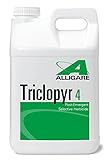
This herbicide works by mimicking a plant hormone, causing uncontrolled growth that leads to the death of the puncture vine. It is best applied as a foliar spray, directly onto the leaves of the plant. For best results, apply during the growing season when the plant is actively transporting nutrients.
One of the benefits of triclopyr is its selectivity, which makes it safe for use in areas with desirable plants. It is also rainfast within a few hours of application, ensuring that it remains effective even after rainfall. Always follow the label instructions for optimal results.
3. 2,4-D Herbicide– herbicide for puncture vine in lawns
2,4-D is a selective herbicide that targets broadleaf plants like puncture vine. It is commonly used in lawns and turf areas to control invasive weeds.
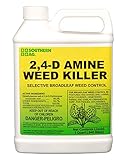
This herbicide works by mimicking a plant hormone, causing uncontrolled growth that leads to the death of the puncture vine. It is best applied as a foliar spray, directly onto the leaves of the plant. For best results, apply during the growing season when the plant is actively transporting nutrients.
One of the benefits of 2,4-D is its selectivity, which makes it safe for use in areas with desirable grasses. It is also rainfast within a few hours of application, ensuring that it remains effective even after rainfall. Always follow the label instructions for optimal results.
4. Dicamba Herbicide– herbicide for tough puncture vine infestations
Dicamba is a selective herbicide that targets tough broadleaf weeds like puncture vine. It is often used in combination with other herbicides for enhanced control.

This herbicide works by mimicking a plant hormone, causing uncontrolled growth that leads to the death of the puncture vine. It is best applied as a foliar spray, directly onto the leaves of the plant. For best results, apply during the growing season when the plant is actively transporting nutrients.
One of the benefits of dicamba is its ability to control a wide range of broadleaf weeds. It is also rainfast within a few hours of application, ensuring that it remains effective even after rainfall. Always follow the label instructions for optimal results.
5. Imazapyr Herbicide– herbicide for puncture vine in non-crop areas
Imazapyr is a non-selective herbicide that provides long-lasting control of puncture vine. It is commonly used in non-crop areas like roadsides and fence lines.
This herbicide works by inhibiting an enzyme essential for plant growth, leading to the death of the puncture vine. It is best applied as a foliar spray, directly onto the leaves of the plant. For best results, apply during the growing season when the plant is actively transporting nutrients.
One of the key advantages of imazapyr is its residual activity, which prevents regrowth for an extended period. This makes it an excellent choice for large-scale puncture vine control. Always follow the manufacturer’s instructions for safe and effective use.
6. Aminopyralid Herbicide– herbicide for puncture vine in pastures
Aminopyralid is a selective herbicide that targets broadleaf plants like puncture vine. It is particularly effective in pastures and rangelands.
This herbicide works by mimicking a plant hormone, causing uncontrolled growth that leads to the death of the puncture vine. It is best applied as a foliar spray or directly to the soil around the plant. For best results, apply during the growing season when the plant is actively transporting nutrients.
One of the benefits of aminopyralid is its residual activity, which prevents regrowth for an extended period. This makes it an excellent choice for large-scale puncture vine control. Always follow the manufacturer’s instructions for safe and effective use.
7. Metsulfuron-Methyl Herbicide– herbicide for puncture vine in large areas
Metsulfuron-methyl is a selective herbicide that targets broadleaf plants like puncture vine. It is often used in large areas to control invasive weeds.

This herbicide works by inhibiting an enzyme essential for plant growth, leading to the death of the puncture vine. It is best applied as a foliar spray, directly onto the leaves of the plant. For best results, apply during the growing season when the plant is actively transporting nutrients.
One of the benefits of metsulfuron-methyl is its ability to control a wide range of weeds. It is also rainfast within a few hours of application, ensuring that it remains effective even after rainfall. Always follow the label instructions for optimal results.
8. Fluroxypyr Herbicide– herbicide for puncture vine in lawns
Fluroxypyr is a selective herbicide that targets broadleaf plants like puncture vine. It is commonly used in lawns and turf areas to control invasive weeds.

This herbicide works by mimicking a plant hormone, causing uncontrolled growth that leads to the death of the puncture vine. It is best applied as a foliar spray, directly onto the leaves of the plant. For best results, apply during the growing season when the plant is actively transporting nutrients.
One of the benefits of fluroxypyr is its selectivity, which makes it safe for use in areas with desirable grasses. It is also rainfast within a few hours of application, ensuring that it remains effective even after rainfall. Always follow the label instructions for optimal results.
9. Clopyralid Herbicide– herbicide for puncture vine in turf areas
Clopyralid is a selective herbicide that targets broadleaf plants like puncture vine. It is commonly used in turf areas and lawns to control invasive weeds.
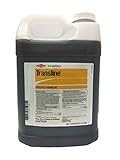
This herbicide works by mimicking a plant hormone, causing uncontrolled growth that leads to the death of the puncture vine. It is best applied as a foliar spray, directly onto the leaves of the plant. For best results, apply during the growing season when the plant is actively transporting nutrients.
One of the benefits of clopyralid is its selectivity, which makes it safe for use in areas with desirable grasses. It is also rainfast within a few hours of application, ensuring that it remains effective even after rainfall. Always follow the label instructions for optimal results.
10. Hexazinone Herbicide– herbicide for puncture vine in forestry
Hexazinone is a non-selective herbicide that provides long-lasting control of puncture vine. It is commonly used in forestry and large-scale land management.
This herbicide works by inhibiting photosynthesis in the puncture vine, leading to its death. It is best applied as a soil treatment or foliar spray. For best results, apply during the growing season when the plant is actively transporting nutrients.
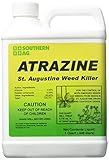
One of the key advantages of hexazinone is its residual activity, which prevents regrowth for an extended period. This makes it an excellent choice for large-scale puncture vine control. Always follow the manufacturer’s instructions for safe and effective use.
Buyer’s Guide for the Best Puncture Vine Herbicide
- Choose a Selective Puncture Vine Herbicide — Opt for a herbicide that specifically targets puncture vine without harming your desirable plants like grass or shrubs. Selective formulas are designed to eliminate puncture vine while keeping your garden healthy.
- Check Active Ingredients in Puncture Vine Herbicide — Ensure the herbicide contains proven active ingredients such as Triclopyr or Glyphosate. These ingredients are particularly effective at killing puncture vine, ensuring complete eradication when applied directly to the foliage.
- Pre-Emergent vs. Post-Emergent Puncture Vine Herbicide — Choose a herbicide based on your needs—pre-emergents work to prevent the germination of puncture vine seeds, while post-emergents are formulated to tackle established plants. Consider which stage of growth you need to target.
- Consider Application Method for Puncture Vine Herbicide — Decide whether you need a spray or granular herbicide. Sprays are ideal for large, sprawling infestations of puncture vine, while granules are perfect for more targeted treatments around trees and shrubs.
- Look for Long-Lasting Control in Puncture Vine Herbicide — Choose a herbicide with residual control properties. A long-lasting formula will help prevent regrowth and maintain a weed-free lawn by continuing to work even after the initial application, giving you extended protection against puncture vine.
- Eco-Friendly Puncture Vine Herbicide Options — For an environmentally conscious approach, select a bio-based herbicide. These eco-friendly options are designed to minimize damage to non-target plants, soil, and wildlife, offering an effective solution that’s gentler on the environment.
- Check for Rainfastness in Puncture Vine Herbicide — Ensure the herbicide is rainfast within a few hours of application. This feature ensures that rain won’t wash away the herbicide, allowing it to be fully absorbed by the plant for maximum effectiveness in eliminating puncture vine.
By keeping these tips in mind, you can confidently choose the best herbicide to control and eliminate puncture vine from your yard.
Conclusion
In conclusion, the best herbicide for Best Herbicide for Puncture Vine is glyphosate-based herbicide, while the runner-up is triclopyr-based herbicide, as both are highly effective against Puncture vine (Tribulus terrestris), also known as goathead. These two herbicides are chosen because they deliver strong systemic action that targets puncture vine at both leaf and root levels, ensuring long-term control.
Glyphosate is ranked as the best herbicide for puncture vine because it provides complete non-selective control, killing both the visible plant and its deep root system for total eradication. Additionally, it is highly effective on mature puncture vine infestations, making it the most reliable option when full site clearance is required.
Triclopyr is considered the runner-up herbicide for puncture vine because it offers selective broadleaf control, targeting goathead while protecting surrounding grasses and desirable plants. Moreover, it performs best in lawns and landscaped areas where maintaining turf health is important while still suppressing puncture vine growth.
Ultimately, choosing the right herbicide for puncture vine depends on whether full vegetation removal or selective lawn protection is needed for effective weed management.
Recent Posts
Spring fertilization supports healthy leaf development, root activity, and productive shoot growth when apple trees have insufficient soil nutrients. Selecting an appropriate fertilizer requires...
Cucumbers (Cucumis sativus) are vigorous, fast-growing vines that can produce abundant harvests when their roots receive enough water, warmth, and balanced nutrition. The best fertilizer for cukes in...