Carolina geranium (also called Carolina cranesbill) is a common lawn and garden weed that can spread rapidly if not controlled. Its deep root system and prolific seed production make it difficult to remove manually, especially in established turfgrass. Selecting the best herbicide for Carolina geranium helps ensure effective weed control without damaging desirable lawn grasses or ornamental plants.
Many lawn owners underestimate how stubborn Carolina geranium can be, leading to repeated infestations and uneven turf quality. Because this weed tolerates mowing and compaction, chemical control often provides the most reliable results. Identifying the right herbicide — one that targets geranium yet is safe for your lawn type — is essential for long‑term weed suppression.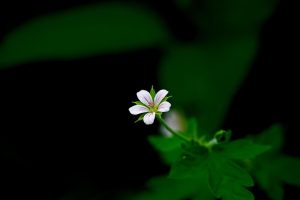
While some broadleaf herbicides work for general weed control, not all are equally effective against Carolina geranium. Variable herbicide formulations influence control speed, turf safety, and residual effects. Applying correctly timed treatments with compatible products provides the best chance of eliminating this weed from lawns and landscaped beds.
In this guide, we present the best herbicide for Carolina geranium, comparing options for homeowners, landscapers, and turf professionals. Each product is reviewed with performance notes, usage tips, and turfgrass safety considerations to help you choose the most effective solution for your specific situation.
Best Herbicide For Carolina Geranium
1. Trimec Broadleaf Herbicide – Best All‑Around Selective Lawn Weed Killer
Trimec Broadleaf Herbicide is widely recognized as one of the best herbicides for Carolina geranium and other broadleaf lawn weeds. Its blend of active ingredients — including dicamba, 2,4‑D, and MCPP — works systemically to disrupt weed growth at the root and foliage levels. This results in visible weed control within 7–14 days on actively growing Carolina geranium.
This formulation is safe for most common cool‑season and warm‑season turfgrasses when applied according to label instructions. Homeowners appreciate its versatility, as it also targets dandelions, clover, chickweed, and plantain. The ready‑to‑use spray or concentrate options make application simple and convenient.
For best results, apply when Carolina geranium is actively growing and temperatures are moderate. Avoid mowing 24–48 hours before and after treatment to allow herbicide absorption. With proper timing, Trimec helps reduce regrowth and improves lawn uniformity over time.
Pros:
• Broadleaf control
• Lawn safe
• Systemic action
• Easy mix
• Versatile use
• Multiple weeds
• Visible results
Cons:
• Multiple apps
• Not pre‑emergent
• Label specific
2. Ortho WeedClear Lawn Weed Killer – Best DIY Spot Treatment
Ortho WeedClear Lawn Weed Killer is a ready‑to‑use broadleaf herbicide formulated for homeowners tackling Carolina geranium and other tough weeds. Its blend of selective ingredients works on weed foliage without harming most turfgrass when applied accurately. This product is ideal for spot treatments and small lawn areas.
The ready‑spray bottle with a trigger makes application simple—no mixing required. It’s especially effective for visible weed patches where Carolina geranium has become established. Many users appreciate the convenience and consistent results on common lawn weeds.
Apply on calm, dry days when the weed is actively growing for best performance. Like other post‑emergent herbicides, it may take 1–2 weeks to show full control. Regular monitoring and follow‑up treatments help prevent new seedlings from becoming problematic.
Pros:
• Ready‑to‑use
• Easy apply
• Lawn‑safe
• Spot treatment
• Broadleaf kill
• Quick access
• No mix
Cons:
• Smaller areas
• Repeat use
• Spray drift
3. Turflon Ester – Best for St. Augustine and Sensitive Lawns
Turflon Ester (triclopyr) is a selective herbicide noted for its effectiveness against tough broadleaf weeds like Carolina geranium, especially on St. Augustine, centipede, and other sensitive turf types. Unlike many broadleaf herbicides, Turflon Ester targets weeds with minimal turfgrass injury when used properly.
This product penetrates thick weed leaves and translocates to the roots, improving long‑term suppression. It’s particularly useful when controlling weeds in lawns that cannot tolerate 2,4‑D or dicamba. Landscapers often choose Turflon Ester for stubborn patches where other products show limited control.
For best results, apply when weeds are actively growing, avoiding extremes of heat or drought. Careful calibration of spray equipment ensures even coverage and reduces risk to desirable plants. With proper application, Turflon Ester delivers effective Carolina geranium control with turf safety.
Pros:
• Turf‑safe
• Deep control
• Sensitive lawns
• Root kill
• Systemic
• Visible results
• Reduced injury
Cons:
• Label caution
• Repeat needed
• Not universal
4. Weed B Gon Weed Killer – Best Fast Acting Lawn Herbicide
Weed B Gon Weed Killer is a fast‑acting broadleaf herbicide that targets Carolina geranium, clover, dandelion, and other weeds common in lawns. Its formulation combines multiple active ingredients to interrupt weed cell growth and decline foliage quickly. Many users report visible yellowing of weeds within days.
This herbicide is applicable on a variety of turfgrass types, making it suitable for homeowners seeking a quick solution. Application is straightforward with spray attachment or tank sprayer equipment. Consistent use during peak weed growth results in improved lawn appearance.
Apply during active growth for maximum effectiveness and avoid mowing shortly before or after treatment. Like many broadleaf herbicides, Weed B Gon performs best when weeds are small to moderate in size rather than mature. Proper timing increases control success and reduces retreatment frequency.
Pros:
• Rapid action
• Broadleaf kill
• Easy apply
• Lawn safe
• Visible results
• Multiple weeds
• DIY friendly
Cons:
• Repeat needed
• Spray drift
• Not pre‑emergent
5. Celsius WG Herbicide – Best Professional‑Strength Option
Celsius WG Herbicide is a professional‑grade weed killer offering excellent control of Carolina geranium and other tough broadleaf weeds. Its multiple active ingredients—including pyroxsulam—provide enhanced weed control with limited turf injury. This systemic product moves quickly through weed foliage to the roots.
Users often see significant weed reduction within one to two weeks after application. Celsius WG is suitable for both warm and cool‑season turfgrasses when used at recommended rates. It’s especially beneficial for larger lawns or properties with heavy infestations.
Apply when Carolina geranium is actively growing and the lawn is healthy. Mix according to label instructions and avoid treating during drought or high stress periods. With careful use, Celsius WG delivers consistent, robust weed control.
Pros:
• Professional strength
• Systemic kill
• Broadleaf focus
• Lawn safe
• Good coverage
• Long‑lasting
• Visible results
Cons:
• Requires care
• Multiple apps
• Not DIY core
6. SpeedZone Lawn Weed Killer – Best for Multiple Broadleaf Weeds
SpeedZone Lawn Weed Killer combines several active ingredients for broadleaf weed control, including Carolina geranium, clover, and plantain. Its balanced formula targets foliage and roots, making it an effective option for general lawn weed management.
This product is appropriate for many turfgrass types when label instructions are followed. Its broad spectrum makes it ideal for homeowners dealing with mixed weed problems rather than a single species. Many lawn owners find it performs well during spring and early summer growth.
Apply on cool, sunny days with calm winds to maximize coverage and minimize drift. As with other post‑emergent herbicides, consistent monitoring and follow‑up treatments improve long‑term results. Proper dosage and application timing are key to effective weed suppression.
Pros:
• Multi‑weed kill
• Lawn safe
• Fast action
• Easy to apply
• Visible results
• Turf‑friendly
• DIY option
Cons:
• Repeat use
• Not pre‑emergent
• Spray caution
7. Pre‑Emergent Herbicide (e.g., Prodiamine) – Best Preventative Control
Pre‑emergent herbicides like Prodiamine create a soil barrier that prevents weed seeds—including Carolina geranium seeds—from germinating. Applied before weed emergence in early spring or fall, they reduce new infestations before they start. This approach helps limit the need for repeated post‑emergent sprays.
Pre‑emergents don’t kill existing weeds but prevent their establishment from seed. Homeowners benefit by applying a single preventative treatment rather than repeated control measures. Combining pre‑emergent with targeted post‑emergent applications often yields the best long‑term control strategy.
Apply when soil temperatures first reach levels that encourage seed germination (often 55–60°F). Water the lawn after application to activate the soil barrier. Regular monitoring ensures new weeds are caught early and treated appropriately.
Pros:
• Prevents seeds
• Long protection
• Lawn safe
• Reduces weeds
• Soil barrier
• Early season
• Less spraying
Cons:
• Not post kill
• Timing critical
• Requires water
8. Glyphosate (Spot Treatment) – Best for Renovation Areas
Glyphosate is a non‑selective herbicide that kills all plant vegetation it contacts, including Carolina geranium roots and foliage. It’s best used as a spot treatment in lawn renovation projects, bare soil, or areas you intend to reseed or replace turf.
Glyphosate translocates through weed leaves to the roots, giving thorough control in treated areas. Because it kills desirable turfgrass as well, careful application is critical. Use it only where turf loss is acceptable, such as driveways, garden beds, or during lawn renovation.
Spot treat weeds individually or in small patches to avoid collateral damage. Once weeds are killed and removed, you can replant or reseed those areas with desired turfgrass or ornamentals. This method is highly effective for heavy Carolina geranium infestations where selective herbicides have failed.
Pros:
• Powerful kill
• Root kill
• Fast action
• Spot use
• Visible results
• Effective
• Strong
Cons:
• Not lawn safe
• Kills grass
• Safety risk
9. WeedMaster Lawn Weed Killer – Best Combined Broadleaf Formula
WeedMaster Lawn Weed Killer blends multiple active ingredients (dicamba and 2,4‑D) for broadleaf weed control, including Carolina geranium. This systemic formula targets weeds at the root and foliar level for thorough control.
It’s suitable for many cool‑season turfgrasses and performs well when applied during active weed growth. Many homeowners find WeedMaster effective against multiple broadleaf species, making it a versatile lawn weed control option.
Apply on calm, mild days when weeds are actively growing. Follow label guidance for appropriate dilution and spray coverage. This product works best when used as part of an integrated lawn care plan with regular maintenance.
Pros:
• Broadleaf kill
• Lawn safe
• Systemic action
• Easy apply
• Multiple weeds
• Visible control
• DIY ready
Cons:
• Repeat use
• Not pre‑emergent
• Label caution
10. Broadleaf Weed Killer Granules – Best Granular Application
Granular broadleaf weed killer options provide even coverage and are ideal for larger lawns where spray application is difficult. These products contain selective herbicide ingredients that control Carolina geranium and other broadleaf weeds while feeding turfgrass.
Granules are easy to spread with a broadcast spreader and reduce drift issues common with sprays. They provide slow, consistent release of herbicide, offering gradual weed suppression throughout the growing season.
Apply granules evenly over thin grass and weed patches according to label guidance. Water in lightly after application to activate the herbicide. This method is ideal for homeowners who prefer granular treatments over liquid sprays.
Pros:
• Easy spread
• Lawn safe
• Broadleaf kill
• Granular format
• Large areas
• Reduced drift
• Dual action
Cons:
• Slow action
• Repeat use
• Not pre‑emergent
Best Herbicide For Carolina Geranium FAQs
1. When should I apply herbicide for Carolina geranium?
Apply when Carolina geranium is actively growing—typically in cool spring and fall months. Optimal weed absorption occurs during moderate temperatures.
2. Will broadleaf herbicides harm my lawn?
Most selective herbicides are safe for common turfgrass when applied according to label directions. Avoid application on stressed turf.
3. Can I prevent geranium with pre‑emergent herbicides?
Yes, pre‑emergent herbicides reduce seed germination and help limit new infestations in early spring.
4. Do I need multiple treatments?
Often yes—new seeds may germinate after initial treatment, and follow‑up applications improve control.
5. Can I mix herbicides with fertilizers?
Some products combine weed control with lawn feed, but always check compatibility before mixing.
6. Are granular herbicides as effective as liquid sprays?
Granular products are effective for large areas but may act slower than liquid sprays on existing weeds.
7. Should I mow before or after treatment?
Avoid mowing 24–48 hours before and after herbicide application to allow maximum absorption.
Conclusion
In conclusion, selecting the best herbicide for Carolina geranium depends on your lawn type, weed severity, and preferred application method. Trimec Broadleaf Herbicide stands out as the best all‑around choice for broadleaf weed control in most lawn settings.
The runner‑up products—including Ortho WeedClear and Turflon Ester—provide excellent options for homeowners and sensitive turf types needing targeted weed management. Each product offers specific strengths, whether convenience, sensitive lawn safety, or professional‑grade control.
Combining post‑emergent herbicides with pre‑emergent prevention and regular lawn care practices ensures the best long‑term results against Carolina geranium. Consistent application timing, proper turfgrass care, and repeat treatments when needed help maintain a healthy, weed‑free lawn.
Start applying these recommended herbicides today to eliminate Carolina geranium from your lawn and protect your turf’s appearance and health. With the right product and approach, you can achieve consistent, long‑lasting weed control this season.
Recent Posts
The best fertilizer for Aechmea fasciata is essential for promoting vibrant bract coloration, strong root systems, and steady vegetative growth throughout the active season. Selecting fertilizers...
The best fertilizer for landscaping is essential for maintaining lush lawns, vibrant plants, and healthy soil structure across diverse outdoor environments. Selecting fertilizers with NPK ratios such...