The best fertilizer for Podocarpus should provide essential nutrients that encourage strong root development, dense foliage, and healthy vegetative growth. Podocarpus plants are commonly grown as landscape trees, espaliers, trained hedges, and privacy screens, making appropriate fertilization important for maintaining their appearance and long-term health.
Iron and sulphur are particularly relevant when maintaining the deep green foliage associated with healthy Podocarpus plants. Nitrogen supports leafy growth, phosphorus contributes to root development, and potassium supports overall plant vigor and stress tolerance.
A balanced fertilizer with an approximate 6-6-6 NPK ratio is one option for general Podocarpus feeding, although the ideal formulation depends on soil conditions, plant age, and growing requirements. Slow-release fertilizers are especially useful because they provide nutrients gradually and reduce the need for frequent applications.
In this guide, we compare 20 best fertilizer for Podocarpus options for different growing situations, including container plants, mature trees, and established hedges. We also explain how to select suitable fertilizers, maintain deep green foliage, and avoid nutrient deficiencies or fertilizer burn.
Reviews: 20 Best Fertilizer For Podocarpus
1. Miracle-Gro All Purpose Continuous Release Plant Food – Best Fertilizer for Podocarpus Hedges
Miracle-Gro All Purpose Continuous Release Plant Food is the best fertilizer for Podocarpus hedges because its granular formulation provides nutrients gradually to support healthy foliage and vegetative development. It is suitable for gardeners maintaining established Podocarpus hedges, ornamental shrubs, and landscape trees. Its controlled-release design also makes it convenient for people who prefer less frequent fertilizer applications.

- FEEDS ALL PLANTS: Miracle-Gro Water Soluble All Purpose Plant Food is a plant fertilizer that feeds all outdoor, in-ground and indoor plants, including roses, flowers, houseplants, vegetables, and trees
- PROMOTES GROWTH: Use this all-purpose plant food outdoors and indoors to grow bigger, more beautiful plants (vs unfed plants); starts working instantly to promote quick, beautiful results

Apply the granules according to the product label, distributing them around the root zone rather than concentrating them against the stems. Water thoroughly after application when required by the instructions to help activate nutrient release. Avoid applying excessive fertilizer because concentrated nutrients can damage roots and cause foliage discoloration.
This fertilizer is a practical option for maintaining Podocarpus plants during active growth. Regular feeding can support healthy foliage and new shoot development when the plant also receives adequate sunlight and water. For deep green foliage, check whether the growing medium provides sufficient iron and sulphur rather than relying on NPK alone.
- Convenient granular application
- Supports vegetative growth
- Suitable for established hedges
- Provides gradual nutrient release
- Helps maintain healthy foliage
- Reduces frequent feeding requirements
- Useful for ornamental shrubs
- Excessive application can burn roots
- Requires correct dosage
- May not supply every deficient micronutrient
2. Neptune’s Harvest Fish and Seaweed Fertilizer – Best Organic Fertilizer for Podocarpus in Pots
Neptune’s Harvest Fish and Seaweed Fertilizer is the best organic fertilizer for Podocarpus in pots because it combines fish-derived nutrients with seaweed components in a liquid formulation. It is particularly useful for gardeners who prefer organic liquid feeding for container-grown ornamental plants. Its liquid form also makes it convenient to distribute around the restricted root zone of potted Podocarpus.

- Combined for Maximum Growth: Neptune’s Harvest Fish & Seaweed organic fertilizer is an organic all-purpose liquid plant food formulated with 75% fish and 25% seaweed for a perfect blend of nutrients; this organic plant fertilizer delivers consistent feeding as a liquid fertilizer and plant food for vegetables, flowers, trees, lawns, and indoor plants, supporting balanced growth throughout the growing season and is safe for kids and pets
- Power of Fish & Seaweed: This fish & seaweed organic plant fertilizer uses hydrolyzed fish and seaweed to supply essential nutrients in a balanced, plant-ready form; the organic all-purpose liquid fertilizer improves flavor and nutritional value of produce, brings out bright color in flowers, and supports strong plant development, making it a reliable liquid fertilizer for gardens, lawns, and indoor plants
The original recommendation identifies this fertilizer with a 6-6-6 nutrient balance, but the exact NPK analysis should be checked on the particular product label before application. Dilute the concentrate according to the manufacturer’s directions and apply it evenly around the root zone. Avoid using an undiluted solution because excessive fertilizer concentration can injure roots.
Fish-based fertilizers can contribute nutrients and organic compounds that support soil biological activity. Regular, correctly diluted feeding can complement a suitable potting medium and consistent watering program. For Podocarpus plants grown in containers, monitor drainage and nutrient accumulation because salts can build up when fertilizers are applied too frequently.
- Organic fish and seaweed formulation
- Suitable for container feeding
- Supports foliage development
- Supplies nutrients in liquid form
- Can support soil biological activity
- Easy to dilute and apply
- Useful for regular feeding programs
- Requires dilution before application
- Fish odor may be noticeable
- Overapplication can damage roots
3. PRO Organic Tree and Shrub Fertilizer – Best Fertilizer for Established Podocarpus Hedges
PRO Organic Tree and Shrub Fertilizer is the best fertilizer for established Podocarpus hedges because it is designed for woody ornamental plants that require consistent nutritional support. It is included in the original recommendations for gardeners maintaining thick, well-established hedges. Its organic formulation also makes it relevant to gardeners interested in improving soil fertility.

- FOR USE ON: Use Evergreen-tone organic fertilizer for all needle leaf and broadleaf evergreens. This includes pine, fir spruce, juniper as well as azaleas, rhododendron and camellias
- CONTAINS: Evergreen-tone is a rich blend of the finest natural & organic ingredients enhanced with our exclusive Bio-tone formula; 4-3-4 Fertilizer analysis with 5% Sulfur. Contains no sludges or fillers.
The original recommendation suggests feeding Podocarpus hedges approximately three times during the growing season. However, the appropriate frequency should be determined by the product’s release characteristics, local growing conditions, and the plant’s nutritional requirements. Apply the fertilizer around the root zone and follow the label rather than relying on a fixed quantity for every hedge.
Iron and sulphur are important considerations when maintaining healthy green foliage, especially where soil conditions restrict nutrient availability. A suitable tree and shrub fertilizer can complement good soil management, adequate drainage, and regular pruning. Avoid combining several concentrated fertilizers without calculating their total nutrient contribution.
- Designed for trees and shrubs
- Suitable for hedge applications
- Supports root establishment
- Contributes to soil fertility
- Useful for landscape plantings
- Can support healthy foliage
- Suitable for established plants
- Requires correct application rates
- May need complementary micronutrients
- Excessive feeding can cause damage
4. Liquid Aerating Soil Loosener – Best Soil Conditioner for Podocarpus Root Development
Liquid Aerating Soil Loosener is the best soil conditioner for Podocarpus root development where compacted soil restricts root access to air, water, and nutrients. It is included in the original recommendations as a supplementary product for improving growing conditions rather than as a conventional NPK fertilizer. It may be considered where the manufacturer specifies its use for improving soil structure.

- Liquid Soil Loosener: Can be used Alone or with Mechanical or Core Aeration, Aerating and Aerate Tools. Liquid Soil Loosener Conditions Compact Soil. Helps the Downward Movement of Water Allowing Vertical Drainage and Increased Water Infiltration.
- Concentrated Soil Conditioner: Soften Your Soil with this Advanced Lawn Solution, Easy To Use Treatment. Liquid Soil Loosener is Concentrated Liquid Solution. 32 ounce Bottle Covers up to 32,000 square feet.
Apply the product according to its label and evaluate the soil before deciding whether additional aeration or drainage improvements are necessary. Soil loosening products should not be treated as replacements for nitrogen, phosphorus, potassium, iron, or sulphur fertilizers. Where hardpans or severe compaction are present, physical soil improvement and appropriate drainage management may also be required.
Podocarpus roots need adequate oxygen for healthy development, making soil structure an important part of fertilization management. Well-aerated soil helps roots access nutrients and water more effectively. This product is therefore best considered a supplementary soil-management option rather than the main fertilizer in a Podocarpus feeding program.
- Intended for soil conditioning
- Can complement soil management
- Useful for compacted growing areas
- Supports attention to soil aeration
- May improve water movement
- Complements fertilizer applications
- Suitable for evaluating drainage problems
- Not a complete NPK fertilizer
- Cannot replace physical drainage improvements
- Results depend on soil conditions
5. Organic Fertilizer Multi-Purpose – Best Fertilizer for Podocarpus Gracilior
Organic Fertilizer Multi-Purpose is the best fertilizer for Podocarpus gracilior when its nutrient analysis provides the requirements of the growing plant. Podocarpus gracilior, commonly associated with the African fern pine, is often grown as a tree or screening plant. The original recommendation identifies a granular multi-purpose organic fertilizer as a slow-release feeding option for this variety.
No products found.
The original article recommends a 6-6-6 nutrient balance and mentions an iron content of approximately 2% for its selected product. Check the actual product analysis because formulations vary between brands, and do not assume that every multi-purpose organic fertilizer contains these percentages. Apply the granules according to the label, distributing them across the active root zone.
The original feeding schedule suggests reapplication after approximately 3.5–4.5 months, but this interval should only be used when it agrees with the manufacturer’s instructions. Nitrogen supports foliage and shoot development, while phosphorus and potassium contribute to other aspects of plant growth. Adequate iron availability is particularly important where Podocarpus develops yellow foliage associated with iron deficiency.
- Suitable for ornamental trees
- Granular formulation
- Can provide gradual nutrient release
- Supports foliage development
- Contributes to root growth
- Useful for landscape plantings
- Organic options are available
- Nutrient analysis varies by brand
- Excessive feeding can burn roots
- Reapplication depends on the label
6. Root Rocket Transplant Fertilizer – Best Fertilizer for Newly Planted Podocarpus Trees
Root Rocket Transplant Fertilizer is the best fertilizer for newly planted Podocarpus trees when the goal is to support root establishment after transplanting. It is included in the original article because it was recommended for encouraging root development in newly established Podocarpus trees. Its use is particularly relevant when establishing landscape trees and replacing weak plants.

- SPECIAL MIX: Root Rocket is a special mix of nutrients that have been horticulturalist-tested for amazing results. Proven to help young plants in their transition from nursery containers into the ground or a more permanent container
The original recommendation describes this product as a slow-release granular fertilizer containing nutrients intended to support root and shoot development. Follow the manufacturer’s application instructions and avoid placing concentrated granules directly against exposed roots. Newly transplanted Podocarpus should receive adequate irrigation and should not be forced into rapid growth through excessive fertilization.
A healthy root system improves the plant’s ability to absorb water and mineral nutrients from the surrounding soil. The original article suggests reapplication after approximately three months, but the actual interval depends on the product formulation and label. Monitor new growth and root establishment before deciding whether additional feeding is necessary.
- Intended for transplant establishment
- Supports root development
- Granular application
- Suitable for newly planted trees
- Can support shoot development
- Convenient to distribute around plants
- Complements proper transplant care
- Excessive use can cause fertilizer burn
- Requires appropriate watering
- Not a substitute for proper planting
7. Andersons PGF 16-0-8 With Humic – Best Slow-Release Fertilizer for Podocarpus
Andersons PGF 16-0-8 With Humic is the best slow-release fertilizer for Podocarpus where additional nitrogen and potassium are required and soil phosphorus levels are already sufficient. Its formulation contains 16% nitrogen, 0% phosphorus, and 8% potassium. The granular formulation and humic components make it an option for gardeners looking for controlled nutrient delivery.

- Super-fine particles provide even distribution, with twice the number of particles per square foot
- Phosphorus-free fertilizer blend
The absence of phosphorus can be useful where soil testing shows that phosphorus is already sufficient, but it does not mean Podocarpus never requires phosphorus. Nitrogen supports leafy growth, while potassium contributes to plant vigor and stress tolerance. Apply the product evenly around the root zone according to the label and water as directed.
The original article highlights the small granular particles and controlled-release coating as convenient application features. This type of fertilizer may be particularly useful for established hedges and landscape plantings that need consistent nutrient availability. Monitor foliage color because additional iron may be needed if yellowing is caused by iron deficiency rather than inadequate nitrogen.
- Slow-release granular formulation
- Contains nitrogen and potassium
- Includes humic components
- Convenient to spread
- Supports vegetative growth
- Suitable for established plantings
- Useful where phosphorus is already sufficient
- Does not supply phosphorus
- May require additional micronutrients
- Application rate must follow the label
8. Osmocote Plus Smart-Release Plant Food – Best Controlled-Release Fertilizer for Podocarpus
Osmocote Plus Smart-Release Plant Food is the best controlled-release fertilizer for Podocarpus when a steady nutrient supply is needed for container plants and ornamental plantings. Its granular formulation is commonly used for container plants, shrubs, and ornamental specimens. Its controlled-release design makes it convenient for gardeners who want to reduce the frequency of fertilizer applications.

- CONTINUOUS RELEASE NUTRITION: Osmocote Smart-Release Plant Food Plus Outdoor & Indoor1 granular fertilizer contains 11 essential nutrients and feeds live plants up to 6 full months
- USE WITH VIRTUALLY ALL PLANTS: This plant food for houseplants, flowers, vegetables, trees, shrubs, roses, and more works in virtually all growing conditions both indoors and outdoors, in containers, raised beds, and in-ground garden.
Distribute the granules evenly through the growing medium or around the root zone according to the product instructions. The nutrient release period can vary with temperature and other growing conditions, so follow the packaging rather than assuming a fixed feeding interval. For container-grown Podocarpus, avoid overfilling the pot with fertilizer because salts can accumulate in restricted growing media.
This fertilizer is useful where a consistent nutrient supply is more practical than frequent liquid feeding. It can support foliage and root development when the plant receives adequate water and light. Check the nutrient analysis for iron and other micronutrients if your Podocarpus shows persistent yellowing.
- Controlled-release granules
- Convenient for container plants
- Reduces frequent feeding
- Supports steady nutrient availability
- Suitable for ornamental shrubs
- Easy to distribute
- Useful for established plants
- Release rate varies with temperature
- Excessive application can increase salt levels
- Micronutrient content varies by formulation
9. Espoma Tree-Tone Organic Fertilizer – Best Organic Tree Fertilizer for Podocarpus
Espoma Tree-Tone Organic Fertilizer is the best organic tree fertilizer for Podocarpus when gardeners want a tree and shrub formulation for landscape plantings. It is an organic granular fertilizer designed for trees and shrubs, making it a potential option for landscape Podocarpus. It is particularly relevant for gardeners who prefer organic nutrient sources instead of relying entirely on synthetic fertilizers.

- FOR USE ON: Use Tree-tone organic fertilizer for all shade, fruit and ornamental trees including apple and peach trees
- CONTAINS: Tree-tone is a rich blend of the finest natural & organic ingredients enhanced with our exclusive Bio-tone formula; 6-3-2 Fertilizer analysis with 5% calcium. Contains no sludges or fillers.
Apply the fertilizer around the tree’s root zone using the manufacturer’s recommended rate for the plant’s size. Avoid placing granules directly against the trunk or concentrated around the root collar. Water the area after application when the product instructions recommend it.
Organic tree fertilizers can complement good soil management by supplying nutrients as their components break down. Their performance depends on soil temperature, moisture, microbial activity, and the nutrient composition of the product. Use soil testing to determine whether additional iron, sulphur, or other nutrients are required.
- Organic tree and shrub formulation
- Suitable for landscape trees
- Granular application
- Supports soil fertility
- Useful for established plantings
- Can complement organic soil management
- Convenient for outdoor use
- Nutrient release depends on soil conditions
- May have an organic fertilizer odor
- Not necessarily a complete micronutrient solution
10. Jobe’s Evergreen Fertilizer Spikes – Best Fertilizer Spikes for Podocarpus Trees
Jobe’s Evergreen Fertilizer Spikes are the best fertilizer spikes for Podocarpus trees when convenient nutrient placement around established landscape specimens is the priority. These spikes are designed for evergreen trees and shrubs, making them a possible option for suitable Podocarpus plantings. Their solid format allows gardeners to apply nutrients beneath the soil surface rather than spreading granules across the entire planting area.
No products found.
Insert the spikes at the distances and depths specified by the manufacturer, taking care to distribute them around the active root zone. Do not place all spikes immediately beside the trunk because the majority of feeder roots are distributed farther outward. Follow the label’s spacing instructions and avoid adding extra spikes in an attempt to accelerate growth.
Fertilizer spikes can simplify feeding for individual trees and established shrubs. Their usefulness depends on the plant’s root distribution, soil moisture, and the nutrient analysis of the selected formulation. Check whether the product supplies the micronutrients needed to maintain healthy green Podocarpus foliage.
- Convenient solid fertilizer format
- Designed for evergreen plants
- Suitable for individual landscape trees
- Reduces surface fertilizer scattering
- Simple placement around trees
- Provides concentrated nutrient delivery
- Useful for established specimens
- Incorrect placement can damage roots
- Not ideal for every container
- Must follow spike spacing instructions
11. Dr. Earth Acid Lovers Fertilizer – Best Fertilizer for Podocarpus With Iron Requirements
Dr. Earth Acid Lovers Fertilizer is the best fertilizer for Podocarpus with iron requirements when soil conditions restrict the availability of essential micronutrients. It is included as a specialty option for gardeners managing ornamental plants in acidic growing media. Its suitability for Podocarpus should be determined by the soil pH and the actual nutrient analysis.

- The only non-GMO project verified fertilizer in the U.S.A.
- People & pet Safe - no synthetic chemicals, GMO infested chicken manure or toxic ingredients.
Before applying an acid-loving plant fertilizer, check whether the soil is excessively alkaline or already within a suitable pH range. Podocarpus can develop nutrient availability problems when soil conditions restrict iron uptake, but lowering pH unnecessarily can create other nutrient imbalances. Apply the fertilizer according to the package instructions and avoid combining it with additional acidifying products without assessing the soil.
Iron availability is important when Podocarpus foliage becomes yellow while the veins remain relatively green. However, similar symptoms can also arise from root damage, poor drainage, and other nutrient deficiencies. Correctly identifying the cause of discoloration is more effective than applying an iron-rich fertilizer automatically.
- Specialty fertilizer for acid-loving plants
- Useful where soil pH is unsuitable
- Organic formulations are available
- Supports ornamental plant nutrition
- Can complement iron management
- Suitable for selected landscape plantings
- Encourages soil testing before treatment
- Not required in every Podocarpus soil
- Excessive acidification can cause imbalances
- Product formulations vary
12. Miracle-Gro Shake ‘N Feed All Purpose Plant Food – Best Extended-Feeding Fertilizer for Podocarpus
Miracle-Gro Shake ‘N Feed All Purpose Plant Food is the best extended-feeding fertilizer for Podocarpus when gardeners want a convenient granular product for ornamental plants and shrubs. Its formulation is designed for gradual nutrient delivery, making it a practical option for gardeners maintaining several Podocarpus plants in the same landscape. It can also reduce the need for frequent liquid feeding.

- 3 MONTHS OF FEEDING: Miracle-Gro Shake 'N Feed All Purpose Plant Food feeds plants for up to 3 months, and nourishes above and below the soil
- GROW STRONGER PLANTS: This plant food contains vital micronutrients to grow stronger, vibrant, and more productive plants (vs unfed plants)
Spread the granules evenly around the plant according to the recommended application rate. Keep fertilizer away from direct contact with trunks and stems, and water as directed after application. The product’s nutrient analysis should be checked before use to confirm that it suits the nutritional requirements of the particular Podocarpus planting.
A gradual nutrient supply can support foliage and shoot development during active growth. Avoid combining this fertilizer with another controlled-release product unless the total nutrient application has been calculated. Regular observation of foliage color and shoot growth helps determine whether the feeding program is adequate.
- Convenient granular application
- Designed for extended feeding
- Suitable for ornamental shrubs
- Supports vegetative growth
- Useful for garden plantings
- Reduces frequent liquid applications
- Easy to distribute around plants
- Product analysis must be checked
- Excessive use can damage roots
- Not specifically formulated for Podocarpus
13. Scotts Evergreen, Flowering Tree and Shrub Fertilizer – Best Fertilizer for Podocarpus Privacy Screens
Scotts Evergreen, Flowering Tree and Shrub Fertilizer is the best fertilizer for Podocarpus privacy screens when its nutrient formulation matches the needs of established evergreen plantings. It is included as a general landscape fertilizer option for evergreen and ornamental plants. It may be considered where its nutrient composition is appropriate for the soil and hedge.
No products found.
Apply the fertilizer evenly along the root zone rather than concentrating it around individual stems. Use the manufacturer’s recommended rate according to the product formulation and the size of the planting. Irrigate appropriately after application and avoid feeding drought-stressed or severely damaged plants until their growing conditions improve.
Established Podocarpus screens benefit from balanced nutrition, adequate sunlight, and regular maintenance pruning. Fertilizer can support new foliage and branch development, but it cannot compensate for severe shade or poor drainage. Consider soil testing when the hedge develops persistent yellowing or uneven growth.
- Intended for evergreen landscape plants
- Suitable for tree and shrub applications
- Supports healthy foliage
- Useful for privacy screens
- Convenient granular feeding
- Can complement regular hedge care
- Suitable for established landscapes
- Formulation varies by product version
- Excessive nitrogen can cause problems
- Requires correct application rates
14. Down to Earth All Natural Fertilizer – Best Natural Fertilizer for Podocarpus
Down to Earth All Natural Fertilizer is the best natural fertilizer for Podocarpus when gardeners want to incorporate organic nutrient sources into their landscape maintenance program. The brand offers different granular formulations for varying plant requirements. Choose a nutrient analysis that suits the Podocarpus growing conditions rather than assuming every formulation is interchangeable.

- Down to Earth Granular Humic Acids is a five pound box of all natural fertilizer and is listed by the Organic Materials Review Institute (OMRI) for use in organic production
- A highly concentrated source of humic acids ideal for use on fields, turf, vegetable gardens and may potentially increase a plant's ability to take up micronutrients from the soil
Apply the selected formulation according to its label, taking account of the plant’s size and the existing nutrient levels in the soil. Organic fertilizers often release nutrients as microorganisms break down their components, making moisture and soil temperature important factors. Avoid applying excessive quantities simply because the product is organic.
This type of fertilizer can be useful for gardeners who want to incorporate organic nutrient sources into their Podocarpus maintenance program. Check whether the selected formulation supplies sufficient nitrogen, phosphorus, and potassium for the intended purpose. Additional iron or sulphur should only be supplied where soil conditions and plant symptoms justify it.
- Offers organic fertilizer options
- Available in different formulations
- Suitable for ornamental planting programs
- Can support soil biological activity
- Granular products are convenient
- Useful for landscape maintenance
- Allows selection by nutrient analysis
- Formulations have different nutrient ratios
- Nutrient release depends on conditions
- May require supplementary micronutrients
15. Jobe’s Organics Tree and Shrub Fertilizer – Best Organic Fertilizer for Podocarpus Trees
Jobe’s Organics Tree and Shrub Fertilizer is the best organic fertilizer for Podocarpus trees when gardeners want a granular product intended for woody ornamental plants. Its formulation is designed for tree and shrub applications, making it a possible option for landscape Podocarpus. Its granular format makes it suitable for gardeners who prefer spreading fertilizer around established trees and shrubs.
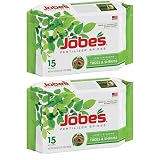
- IDEAL FOR: All deciduous trees and shrubs
- Easy to use fertilizer spikes with no wasteful runoff, mess, hazards or smells
Apply the product around the root zone using the manufacturer’s recommended rate for the plant’s size. Do not pile fertilizer against the trunk, and water the area as directed to support nutrient release. Organic fertilizer performance depends on soil moisture, temperature, and the activity of soil microorganisms.
Podocarpus trees require sufficient nutrients to maintain foliage and produce healthy new growth. An organic tree and shrub fertilizer can complement mulching, irrigation, and good soil management. Review the nutrient analysis before purchasing to determine whether it supplies the balance required by the particular planting.
- Organic tree and shrub formulation
- Convenient granular application
- Suitable for landscape trees
- Supports soil fertility
- Can complement mulching programs
- Useful for established plants
- Easy to distribute around the root zone
- Nutrient release may be gradual
- Product analysis must be checked
- Excessive application can cause damage
16. Fish Emulsion Fertilizer – Best Liquid Fertilizer for Green Podocarpus Foliage
Fish Emulsion Fertilizer is the best liquid fertilizer for green Podocarpus foliage when supplemental nutrients are needed during active growth. It is an organic liquid option commonly used for ornamental plants, shrubs, and container-grown specimens. Its liquid form makes it convenient to distribute around individual plants when diluted correctly.

- For Organic Gardening: Certified by OMRI for organic use, this organic fish fertilizer is trusted by gardeners who value natural growing practices
- Made with Fish: Trusted for generations, this fish emulsion fertilizer is a natural source of essential nutrients to support plant growth
Dilute the product according to the manufacturer’s instructions and apply it to moist soil around the root zone. The nutrient analysis of fish emulsion products varies, so check the label before using it as the main fertilizer. Avoid excessive feeding, especially when the plant is already growing vigorously.
Fish emulsion can contribute nitrogen and other nutrients that support vegetative development. It is not automatically a complete source of iron, sulphur, or every micronutrient required by Podocarpus. Combine its use with soil testing and appropriate growing conditions when managing persistent foliage discoloration.
- Liquid application is convenient
- Organic nutrient source
- Suitable for container plants
- Supports vegetative growth
- Easy to dilute
- Can complement granular feeding
- Useful for regular plant maintenance
- Fish odor may be noticeable
- Requires dilution
- May not supply every micronutrient
17. Seaweed Extract Fertilizer – Best Supplementary Fertilizer for Podocarpus Root and Shoot Growth
Seaweed Extract Fertilizer is the best supplementary fertilizer for Podocarpus root and shoot growth when gardeners want to complement their main feeding program. Seaweed products contain various naturally occurring compounds and mineral components, depending on the formulation. They can be considered when supporting ornamental plant maintenance and transplant recovery.

- CONVENIENT TRANSPLANT SUPPORT - We've specifically formulated our seaweed extract kelp plant food to kickstart seed germination and cushion transplant shock. Just a quick foliar or soil drench delivers unparalleled vigor & vitality, ensuring a smooth transition
- NUTRIENT-RICH - Supercharge your garden with the potent essential minerals found in our sea kelp fertilizer. Infused with boron, molybdenum, copper, and zinc, our formula guarantees that every leaf & root absorbs the vital nutrients they need
Dilute the seaweed extract according to the product instructions and apply it through the recommended soil or foliar method. Do not assume that seaweed extract provides enough nitrogen, phosphorus, and potassium to replace a complete fertilizer. Use it as a supplement where appropriate rather than as the only nutrient source for Podocarpus.
Seaweed products may complement an established feeding routine, particularly when plants are recovering from transplanting or environmental stress. Their composition differs between manufacturers, making label analysis important before application. Continue providing suitable irrigation, drainage, and balanced nutrition to maintain healthy growth.
- Useful as a supplementary treatment
- Available in liquid formulations
- Easy to dilute and apply
- Can complement transplant care
- Suitable for ornamental plants
- Fits into integrated plant maintenance
- Can be combined with balanced nutrition
- Not a complete fertilizer
- Formulations vary considerably
- Requires correct dilution
18. Iron Chelate Fertilizer – Best Iron Supplement for Yellowing Podocarpus Leaves
Iron Chelate Fertilizer is the best iron supplement for yellowing Podocarpus leaves when the symptoms are caused by confirmed iron deficiency. Chelated iron products provide iron in a form designed to remain available under specified soil conditions. They are useful when Podocarpus develops chlorosis associated with iron deficiency rather than general nitrogen shortage.

- 1 Gallon Jug
- Corrects Iron deficiency in flowers, vegetables, shrubs & trees.
Before applying iron chelate, inspect the leaves and assess the soil pH, drainage, and root health. Iron deficiency often produces yellowing between leaf veins, particularly on newer foliage, although similar symptoms can have other causes. Select a chelated iron formulation suitable for the soil pH and follow its label carefully.
Iron supplementation can help restore normal foliage color when iron deficiency is confirmed. It will not correct yellowing caused by waterlogged roots, root damage, or other nutrient deficiencies. Maintain suitable soil conditions and avoid repeated iron applications without evaluating the plant’s response.
- Supplies supplemental iron
- Useful for confirmed iron deficiency
- Available in different chelated forms
- Can support healthy foliage color
- Suitable for targeted nutrient correction
- Easy to apply when label directions are followed
- Complements a balanced feeding program
- Does not replace complete fertilizer
- Wrong formulation may be ineffective
- Requires diagnosis before application
19. Sulphur Soil Amendment – Best Supplement for Podocarpus Grown in Alkaline Soil
Sulphur Soil Amendment is the best supplement for Podocarpus grown in alkaline soil when testing confirms that soil pH needs adjustment. Elemental sulphur can gradually acidify suitable soils through microbial activity, potentially improving the availability of certain nutrients. It is included because the original article identifies sulphur as an important consideration for maintaining healthy Podocarpus foliage.

- Promotes Healthy Growth: True Prilled Sulfur supports overall plant growth, helping to produce superior flowers, vegetables, herbs, and foliage for an abundant harvest.
- Essential for Lowering Soil pH: Naturally lowers soil pH, improving the availability of vital micronutrients that plants need for optimal health and growth.
Test the soil pH before applying elemental sulphur because the required quantity depends on the starting pH, soil texture, organic matter, and desired adjustment. Apply only the amount recommended by a reliable soil test or product instructions. Excessive acidification can create nutrient imbalances and damage plant roots.
Sulphur is an essential plant nutrient, but elemental sulphur soil amendments and sulphur-containing fertilizers are not interchangeable in their effects. A soil amendment changes soil chemistry gradually, while a fertilizer supplies nutrients according to its formulation. Use the appropriate product for the actual soil problem rather than applying sulphur simply to make Podocarpus leaves darker.
- Useful for selected alkaline soils
- Can gradually lower soil pH
- Supports nutrient availability management
- Provides an essential plant nutrient
- Complements soil testing
- Available in granular formulations
- Useful for targeted soil correction
- Not a complete NPK fertilizer
- Works gradually
- Excessive application can damage soil balance
20. Balanced 6-6-6 Granular Fertilizer – Best General-Purpose Fertilizer for Podocarpus
Balanced 6-6-6 granular fertilizer is the best general-purpose fertilizer for Podocarpus when established plants require a balanced supply of nitrogen, phosphorus, and potassium. Its equal nutrient proportions make it a suitable option for gardeners following the original article’s general 6-6-6 recommendation. Its granular formulation also makes it convenient for spreading fertilizer around the root zone of trees and hedges.
No products found.
Apply the granules according to the product label and the size of the root zone being treated. Distribute fertilizer evenly and avoid direct contact with trunks, exposed roots, or foliage. Water after application when required by the manufacturer’s instructions.
A balanced 6-6-6 formulation is not automatically the best option for every Podocarpus planting because soil nutrient levels vary. Soil testing helps determine whether equal amounts of nitrogen, phosphorus, and potassium are appropriate. For plants with confirmed iron or sulphur deficiencies, a separate targeted treatment may be necessary.
- Balanced primary nutrient ratio
- Supplies nitrogen for foliage
- Supplies phosphorus for root functions
- Supplies potassium for plant vigor
- Suitable for selected ornamental plantings
- Available in granular formulations
- Reflects the original 6-6-6 recommendation
- Not ideal for every soil condition
- May require additional micronutrients
- Excessive application can burn roots
How to Select the Best Fertilizer for Podocarpus
Selecting the best fertilizer for Podocarpus is important because different varieties and growing environments have different nutritional requirements. Podocarpus may be grown as an individual tree, hedge, privacy screen, espalier, or container specimen, and each planting situation affects fertilizer selection.
The original recommendations emphasize slow-release feeding, iron, sulphur, and a balanced 6-6-6 NPK ratio. The following factors explain how to apply those principles when selecting fertilizer for different Podocarpus plants.
1. Podocarpus Diameter and Plant Size
Plant size is an important consideration when calculating fertilizer requirements for established Podocarpus trees and hedges. The original recommendation suggests approximately 3 lb of fertilizer annually for plants with a trunk diameter of 6 inches or less and approximately 5 lb for larger specimens.
These figures should be treated as reference points rather than universal rates because fertilizers have different nutrient concentrations. A 3 lb application of a low-analysis organic fertilizer supplies substantially fewer nutrients than the same quantity of a concentrated synthetic fertilizer. Always calculate the actual application using the product label, plant size, and soil test results.
2. Podocarpus Grown in Containers
Container-grown Podocarpus requires careful fertilizer management because the roots are restricted to a limited volume of growing medium. Unlike plants growing in the ground, container specimens cannot explore a large soil area for additional nutrients. This makes controlled-release granular fertilizers particularly convenient for maintaining a consistent nutrient supply.
Water-soluble fertilizers can also be used when diluted according to the manufacturer’s directions. However, frequent applications may cause salts to accumulate in the growing medium, especially where drainage is poor. Flush the container with clean water when appropriate and ensure that excess water can escape freely.
3. Podocarpus Grown in the Ground
Podocarpus grown directly in the ground can access nutrients from a wider root zone, making soil fertility an important consideration when selecting fertilizer. The original recommendations favor slow-release products because they gradually supply nutrients to established trees and hedges. This is particularly useful when maintaining long rows of Podocarpus as privacy screens.
Choose a granular formulation that suits the soil’s existing nutrient levels and the plant’s growth stage. Apply it around the root zone rather than directly against the trunk. Where soil tests show adequate phosphorus, a fertilizer with a lower phosphorus concentration may be more appropriate.
4. Iron Requirements and Deep Green Foliage
Iron is essential for chlorophyll formation and normal plant metabolism, making it important for maintaining healthy green Podocarpus foliage. Iron deficiency can cause interveinal chlorosis, where leaf tissue turns yellow while the veins remain relatively green. This problem is often associated with alkaline soil or other conditions that restrict iron availability.
A chelated iron supplement may help when iron deficiency is confirmed. However, yellow leaves can also result from poor drainage, damaged roots, or other nutrient deficiencies. Diagnose the cause before applying additional iron.
5. Sulphur Content and Soil Conditions
Sulphur is an essential nutrient involved in protein formation and several plant metabolic processes. The original article emphasizes sulphur as an important consideration when selecting fertilizer for Podocarpus. A fertilizer containing sulphur can contribute to plant nutrition, while elemental sulphur may be used to lower soil pH in appropriate conditions.
These products have different purposes and should not be confused. Test the soil before applying elemental sulphur because excessive acidification can interfere with nutrient availability. Select a fertilizer that supplies the nutrients actually required by the plant.
6. Slow-Release Versus Water-Soluble Fertilizer
Slow-release fertilizers provide nutrients gradually over a longer period, making them suitable for established Podocarpus trees, hedges, and container plants. Granular products can reduce the need for frequent feeding when their release period matches the plant’s growth requirements. They are particularly useful for gardeners who prefer a simpler fertilization schedule.
Water-soluble fertilizers provide nutrients in a readily available form and can be useful when plants require supplemental feeding. However, they usually need more frequent applications and careful dilution. Choose between the two formulations according to the growing environment, nutrient requirements, and product instructions.
7. Fertilizer Application Timing
Podocarpus should generally be fertilized during periods of active growth rather than immediately before unfavorable weather conditions. The original recommendation advises stopping fertilization approximately two months before the expected frost date in regions where frost occurs. This reduces the risk of encouraging tender new growth that may be damaged by cold temperatures.
In frost-free climates, application timing should be based on active growth, rainfall, irrigation, and the fertilizer’s release characteristics. Avoid feeding drought-stressed or severely damaged plants until their growing conditions improve. Follow the product label to determine the appropriate reapplication interval.
Best Fertilizer For Podocarpus Frequently Asked Questions
1. What is the best fertilizer for Podocarpus?
A slow-release balanced fertilizer is a suitable general option for many established Podocarpus plants. The original recommendation favors an approximate 6-6-6 NPK ratio, while also emphasizing iron and sulphur for healthy foliage and appropriate nutrient availability.
2. Is 6-6-6 fertilizer good for Podocarpus?
Yes, a 6-6-6 fertilizer can provide balanced nitrogen, phosphorus, and potassium for Podocarpus when those nutrients are required by the soil and plant. However, it is not a universal requirement, and soil testing can help determine whether a different nutrient ratio would be more appropriate.
3. How do I make my Podocarpus leaves dark green?
Maintain suitable sunlight, well-drained soil, adequate irrigation, and balanced nutrition to encourage healthy green foliage. If leaves become yellow, investigate possible iron deficiency, unsuitable soil pH, root damage, and poor drainage before applying additional fertilizer.
4. How often should I fertilize Podocarpus?
The frequency depends on the fertilizer formulation, plant size, growing conditions, and whether the plant is in a container or in the ground. Slow-release products may require fewer applications than water-soluble fertilizers, so follow the manufacturer’s recommended schedule rather than applying fertilizer at arbitrary intervals.
5. Is slow-release fertilizer better for Podocarpus?
Slow-release fertilizer is often convenient for Podocarpus because it supplies nutrients gradually and reduces the need for frequent applications. It is particularly useful for established hedges, landscape trees, and container-grown specimens when the product is correctly selected and applied.
6. Why are my Podocarpus leaves turning yellow?
Yellowing can result from iron deficiency, nitrogen deficiency, poor drainage, overwatering, root damage, or unsuitable soil pH. Yellowing between the veins of young leaves may indicate iron deficiency, while more general yellowing can have several causes. Examine the symptoms and growing conditions before choosing a fertilizer treatment.
7. Can I use organic fertilizer on Podocarpus?
Yes, organic fertilizers such as suitable fish-based products, tree and shrub fertilizers, and other organic granular formulations can be used on Podocarpus. Select a product with an appropriate nutrient analysis and follow the application instructions to avoid overfertilization.
Conclusion
In conclusion, the best fertilizer for Podocarpus should provide suitable nutrients for healthy roots, vigorous growth, and deep green foliage. Miracle-Gro All Purpose Continuous Release Plant Food is the leading general-purpose selection from the original recommendations, while Neptune’s Harvest Fish and Seaweed Fertilizer is a useful organic option for gardeners who prefer liquid feeding.
The other selections offer alternatives for different growing requirements, including Podocarpus gracilior, newly planted trees, established hedges, and container specimens. Andersons PGF 16-0-8 With Humic is another option where a slow-release nitrogen and potassium formulation is appropriate and soil phosphorus levels are already sufficient.
When selecting fertilizer, pay attention to the NPK ratio, iron and sulphur availability, soil pH, plant size, and growing environment. A balanced 6-6-6 fertilizer can be suitable in some situations, but soil testing and product-label directions should determine the actual nutrient application.
Finally, remember that fertilizer alone cannot correct poor drainage, damaged roots, or unsuitable growing conditions. Combining appropriate slow-release feeding with good irrigation, healthy soil structure, and proper maintenance will help your Podocarpus trees and hedges develop dense, attractive, and healthy foliage.
Recent Posts
What Is The NPK Ratio In Triple Super Phosphate (TSP) Fertilizer?
Triple Super Phosphate (TSP) is a concentrated phosphorus fertilizer used to correct phosphorus deficiencies and support essential plant development processes. The standard NPK ratio in Triple Super...
Hydroponic gardening allows growers to cultivate vegetables, herbs, fruits and selected ornamental plants without relying on conventional garden soil. The best plants to grow hydroponically are...