Best Deer Resistant Evergreen Shrubs provide a reliable landscaping solution by combining year-round foliage with natural chemical deterrents that reduce browsing damage.Deer pressure in residential landscapes continues to rise, especially in suburban and forest-edge gardens where natural forage is limited.
These shrubs survive grazing pressure due to their secondary metabolites such as terpenes, alkaloids, and phenolic compounds. These compounds interfere with deer olfactory receptors and reduce palatability at a biochemical level.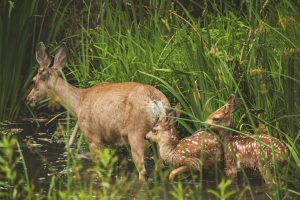
Evergreen structure ensures continuous canopy coverage even during winter dormancy periods when most deciduous plants lose foliage. This maintains both garden aesthetics and ecological shelter for beneficial insects and birds.
In this guide , we will explore the top 10 best deer resistant evergreen shrubs, focusing on plant chemistry, structural resilience, and ecological performance to help create low-maintenance and deer-resistant landscapes year-round.
Top 10 Best Deer Resistant Evergreen Shrubs
1. Buxus sempervirens (English Boxwood) – Best Dense Evergreen Shrub for Formal Deer Resistant Hedges
English Boxwood is a structured evergreen shrub engineered for dense hedging systems and is widely regarded as the best deer resistant evergreen shrub for formal landscape borders with high pruning tolerance. Its leaves contain alkaloid compounds that produce a bitter chemical profile that reduces herbivory. The waxy cuticle layer also limits moisture loss, improving drought resilience. This combination strengthens long-term structural stability in landscape design.

The biochemical composition includes essential oils that interfere with mammalian taste receptors and reduce feeding interest. The compact branching system increases lignin concentration, which strengthens stem rigidity. This structural chemistry allows repeated pruning without compromising vascular integrity. The plant maintains form even under heavy shaping pressure.
The evergreen foliage supports year-round chlorophyll activity, maintaining consistent photosynthesis. Dense leaf clustering reduces light penetration, limiting internal water loss. This improves survival in both shaded and exposed environments. The plant remains stable under seasonal stress conditions.
Pros:
• Dense growth
• Evergreen form
• High pruning
• Pest resistant
• Formal shape
• Long lifespan
• Heat tolerant
Cons:
• Slow growth
• Root rot risk
• High maintenance
2. Ilex aquifolium (English Holly) – Best Spiny Evergreen Shrub for Deer Deterrent Defense
English Holly is a chemically defended evergreen shrub recognized as the best deer resistant evergreen shrub for natural physical deterrent protection systems in garden borders. Its leaves contain saponins and phenolic compounds that create a bitter metabolic response in herbivores. The spiny leaf morphology adds mechanical deterrence at a structural level.
The wax-coated surface reduces transpiration and improves water retention efficiency during drought stress. The redox-active compounds in leaves support oxidative stress resistance in low temperatures. This biochemical adaptation enhances winter survival capacity in exposed landscapes.
The plant produces dense berry clusters that support wildlife biodiversity without increasing deer attraction. The rigid branching structure increases lignification, improving mechanical strength. This makes it suitable for perimeter planting and barrier hedging systems.
Pros:
• Spiny leaves
• Berry production
• Evergreen color
• Strong defense
• Wildlife support
• Cold hardy
• Dense growth
Cons:
• Sharp edges
• Slow start
• Heavy pruning
3. Viburnum tinus – Best Flowering Evergreen Shrub for Deer Resistant Garden Color
Viburnum tinus is a flowering evergreen shrub classified as the best deer resistant evergreen shrub for ornamental flowering and chemical deterrence in mixed landscape systems. Its foliage contains iridoid glycosides that produce bitterness at a sensory receptor level in deer. These compounds reduce grazing frequency significantly.
The plant exhibits continuous flowering cycles supported by steady carbohydrate metabolism. Its leaf structure contains lignin reinforcement that enhances resistance to physical damage. The evergreen nature ensures uninterrupted chlorophyll function throughout seasonal cycles.
The floral chemistry attracts pollinators while deterring herbivores simultaneously. This dual-function ecological mechanism improves garden biodiversity. The plant maintains aesthetic appeal even in winter conditions.
Pros:
• Year-round bloom
• Pest resistant
• Strong foliage
• Pollinator friendly
• Low maintenance
• Cold tolerant
• Decorative
Cons:
• Moderate growth
• Pruning needed
• Leaf drop
4. Prunus laurocerasus (Cherry Laurel) – Best Fast Growing Evergreen Shrub for Deer Resistant Screens
Cherry Laurel is a fast-growing evergreen shrub identified as the best deer resistant evergreen shrub for rapid privacy screening with chemical defense properties. It contains cyanogenic glycosides that release deterrent compounds when foliage is damaged. This biochemical response discourages repeated browsing.
The leaf structure is thick and waxy, reducing water loss through cuticular transpiration. High chlorophyll density enhances photosynthetic output, accelerating growth rates. This supports rapid establishment in boundary planting systems.
The dense canopy formation blocks wind exposure and improves microclimate stability. The plant maintains foliage integrity even under stress conditions. This makes it highly effective for privacy hedging systems.
Pros:
• Fast growth
• Dense screen
• Evergreen cover
• Deer resistant
• Hardy plant
• Shade tolerant
• Strong structure
Cons:
• Toxic berries
• Large spread
• Heavy pruning
5. Pieris japonica – Best Acid-Loving Evergreen Shrub for Deer Resistant Woodland Gardens
Pieris japonica is a decorative evergreen shrub identified as the best deer resistant evergreen shrub for acidic soil woodland ecosystems with toxic alkaloid defense chemistry. The plant contains grayanotoxins that disrupt herbivore neurological response systems. This chemical defense significantly reduces grazing damage.
The glossy leaves reduce transpiration loss and maintain hydration efficiency in acidic soils. The plant exhibits slow but stable metabolic growth patterns under shaded conditions. This makes it ideal for woodland garden design systems.
Spring growth produces red new foliage that enhances visual appeal. The plant supports pollinator activity without increasing deer attraction. It maintains structural integrity across seasonal transitions.
Pros:
• Acid soil
• Evergreen foliage
• Decorative bloom
• Deer resistant
• Shade tolerant
• Compact form
• Low maintenance
Cons:
• Slow growth
• Toxic leaves
• Soil specific
6. Euonymus japonicus – Best Coastal Evergreen Shrub for Deer Resistant Wind Exposure Areas
Euonymus japonicus is a coastal evergreen shrub considered the best deer resistant evergreen shrub for salt-tolerant and wind-exposed environments with resilient leaf chemistry. The plant contains sesquiterpenes that reduce herbivore feeding activity. These compounds create a bitter taste profile.
The waxy leaf surface improves salt spray resistance and reduces desiccation. The plant maintains chloroplast stability under high wind exposure. This enhances survival in coastal environments.
Branch elasticity improves mechanical resistance under storm pressure. The plant maintains structure even in harsh climatic conditions. This makes it suitable for exposed garden borders.
Pros:
• Salt tolerant
• Wind hardy
• Evergreen leaf
• Dense growth
• Low care
• Deer resistant
• Urban friendly
Cons:
• Moderate growth
• Prone pests
• Needs pruning
7. Osmanthus heterophyllus – Best Fragrant Evergreen Shrub for Deer Resistant Sensory Defense
Osmanthus heterophyllus is a fragrant evergreen shrub identified as the best deer resistant evergreen shrub for aromatic chemical deterrence systems in sensory-based garden design. The plant contains volatile aromatic oils that interfere with deer olfactory recognition. This reduces feeding attraction significantly.
The leaf structure includes sharp edges that act as mechanical deterrents. The wax-coated surface enhances water retention efficiency. This improves drought resistance in exposed conditions.
Fragrance emission increases during warm conditions, strengthening deterrent properties. The plant maintains evergreen foliage year-round. This ensures continuous landscape coverage.
Pros:
• Fragrant leaves
• Evergreen form
• Deer resistant
• Dense structure
• Low maintenance
• Drought hardy
• Ornamental
Cons:
• Slow growth
• Sharp leaves
• Pruning needed
8. Photinia × fraseri – Best Red-Tipped Evergreen Shrub for Deer Resistant Color Contrast Gardens
Photinia × fraseri is a visually striking shrub considered the best deer resistant evergreen shrub for color-changing foliage systems with phenolic defense compounds. The red new growth contains anthocyanins that also contribute to oxidative stress resistance. These compounds reduce palatability for deer.
The evergreen base foliage ensures year-round chlorophyll activity. The plant demonstrates rapid shoot regeneration after pruning. This supports hedge formation systems.
The dense branching pattern improves wind resistance and structural durability. The plant maintains visual contrast throughout seasons. This enhances landscape design value.
Pros:
• Red foliage
• Fast growth
• Evergreen base
• Deer resistant
• Dense hedge
• Ornamental
• Hardy
Cons:
• Disease risk
• Frequent pruning
• Leaf spotting
9. Aucuba japonica – Best Shade-Tolerant Evergreen Shrub for Deer Resistant Dark Garden Areas
Aucuba japonica is a shade-tolerant evergreen shrub identified as the best deer resistant evergreen shrub for low-light garden environments with high chlorophyll efficiency adaptation. The plant contains bitter glycosides that reduce herbivore feeding activity.
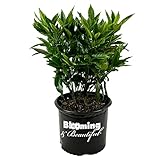
Its glossy leaves enhance light absorption efficiency in shaded conditions. The plant maintains stable photosynthesis under low sunlight exposure. This makes it ideal for woodland understory planting.
The speckled leaf pattern increases ornamental value. The plant remains evergreen throughout winter cycles. This ensures continuous ground coverage.
Pros:
• Shade tolerant
• Evergreen leaf
• Deer resistant
• Low light
• Decorative
• Hardy plant
• Easy care
Cons:
• Slow growth
• Toxic berries
• Limited sun
10. Taxus baccata (English Yew) – Best Long-Lived Evergreen Shrub for Deer Resistant Structural Landscapes
English Yew is a long-lived evergreen shrub classified as the best deer resistant evergreen shrub for structural landscape longevity with high alkaloid toxicity defense systems. The plant contains taxine alkaloids that are toxic to herbivores. This creates a strong chemical deterrent effect.

The dense needle structure improves water retention efficiency and reduces transpiration. The plant exhibits extremely slow but stable growth patterns. This contributes to long-term landscape stability.
The dark evergreen canopy provides year-round structural coverage. The plant tolerates heavy pruning and shaping. This makes it suitable for formal and natural landscapes.
Pros:
• Very long life
• Dense foliage
• Deer resistant
• Evergreen form
• Shade tolerant
• Strong structure
• Low care
Cons:
• Toxic plant
• Slow growth
• Heavy pruning
FAQs – Best Deer Resistant Evergreen Shrubs
1. What are the best deer resistant evergreen shrubs for home landscaping?
The best deer resistant evergreen shrubs for landscaping include Boxwood, Holly, and Cherry Laurel because they contain alkaloids, saponins, and cyanogenic compounds that reduce herbivory by interfering with deer taste and digestive receptors. These chemical defenses make foliage unpalatable and less likely to be browsed.
2. Why do deer avoid certain evergreen shrubs naturally?
Deer avoid certain evergreen shrubs due to secondary metabolites such as terpenes, phenolic acids, and toxic glycosides. These compounds activate negative sensory responses and disrupt digestion, making the plant biologically unfavorable as a food source.
3. Which fast-growing deer resistant evergreen shrubs are best for privacy screens?
Cherry Laurel is one of the fastest-growing deer resistant evergreen shrubs for privacy screens because it has high chlorophyll activity and cyanogenic glycosides. These compounds discourage feeding while allowing rapid vegetative growth and dense canopy formation.
4. Are deer resistant evergreen shrubs completely deer-proof?
No shrub is completely deer-proof, but highly resistant species significantly reduce browsing damage. When multiple chemical defense mechanisms are combined, deer feeding frequency drops due to sensory overload and reduced palatability.
5. Which deer resistant evergreen shrubs grow well in shaded areas?
Aucuba japonica and Pieris japonica perform well in shaded environments because they maintain stable chlorophyll function under low light conditions. Their glycoside-based defense chemistry continues to deter deer even in forest understory conditions.
6. What evergreen shrubs have the strongest chemical defense against deer?
Taxus baccata and Osmanthus heterophyllus have some of the strongest chemical defenses due to toxic alkaloids and volatile aromatic oils. These compounds directly interfere with herbivore metabolic and sensory systems.
7. How can I design a deer resistant evergreen garden effectively?
A strong deer resistant garden combines multiple evergreen shrubs with different defense chemistries, such as alkaloid-based, aromatic, and structural deterrents. This layered system reduces the likelihood of deer adapting to a single plant defense strategy.
Conclusion
In conclusion, selecting the best deer resistant evergreen shrubs is essential for creating durable landscapes that maintain structure and minimize browsing damage. The best choice is English Boxwood due to its dense lignified structure and alkaloid-based chemical deterrents, while the runner-up is English Holly because its spiny foliage and saponin compounds create strong natural feeding resistance.
These evergreen shrubs rely on biochemical defenses such as alkaloids, glycosides, terpenes, and phenolic compounds that disrupt deer sensory and digestive responses. Their evergreen physiology ensures continuous metabolic activity, which maintains deterrent strength across all seasons.
Performance varies depending on environmental factors such as soil type, moisture balance, and light exposure. Combining multiple species improves resistance by layering different chemical and structural defense mechanisms.
A well-planned planting system enhances long-term garden stability while reducing maintenance pressure from herbivore damage. Start using deer resistant evergreen shrubs today to build a resilient, low-damage, and visually consistent landscape.
Recent Posts
Finding plants that start with H is an easy way to discover a diverse group of trees, shrubs, flowers, herbs, and ornamental plants for the garden. The letter H includes familiar landscape favorites...
Choosing plants that bloom at night can transform a garden after sunset by adding flowers, fragrance, and visual interest when most daytime blooms have closed. Many nocturnal flowers are pale, highly...