Selecting the best companion plants for spinach is essential for gardeners seeking healthy, productive crops. Proper plant pairings can improve soil health, deter pests, and boost overall spinach yield.
Companion planting works by combining plants that enhance each other’s growth, reduce weeds, and attract beneficial insects. These strategies create a thriving garden ecosystem without relying on chemicals.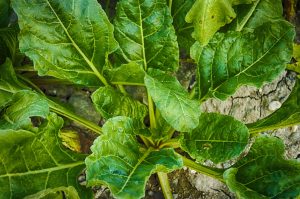
Vegetables, herbs, and flowers all provide unique benefits when paired correctly with spinach. By choosing compatible plants, you improve nutrient availability, airflow, and moisture retention naturally.
In this guide, the best companion plants for spinach are explored to help you maximize growth, reduce pests, and improve yields. You will discover which combinations are ideal for both garden beds and containers.
10 Best Companion Plants for Spinach
1. Basil – Best Herb Companion for Spinach Pest Control
Basil is an excellent herb companion for spinach, naturally repelling aphids and leaf miners that damage leaves. Its strong aromatic oils confuse pests while encouraging beneficial insects. Consequently, spinach plants remain healthy and productive.
Basil thrives in similar warm conditions as spinach, making it compatible for both garden beds and containers. It grows quickly without competing aggressively for nutrients, allowing spinach to develop fully. Therefore, it’s a low-maintenance companion for small-space gardening.
Additionally, basil attracts pollinators, indirectly boosting the overall vitality of nearby plants. This dual benefit of pest control and insect attraction enhances garden efficiency. As a result, basil is highly recommended for sustainable planting systems.
Pros:
• Pest control
• Fast growth
• Easy care
• Pollinator friendly
• Nutrient safe
• Space efficient
• Aromatic
Cons:
• Needs water
• Sensitive to cold
• Frequent pruning
2. Marigold – Best Flower Companion for Spinach Protection
Marigolds protect spinach from nematodes and harmful insects by releasing natural chemicals into the soil. They attract beneficial insects like ladybugs, which feed on spinach pests. As a result, pest populations decline naturally.
These flowers thrive in full sun alongside spinach, adding both functional and visual benefits. Their bright blooms improve garden aesthetics while supporting healthy spinach growth. Therefore, marigolds are ideal for both beds and container gardens.
Marigolds are easy to grow, requiring minimal care and offering fast flowering cycles. They provide a dual role of pest control and beauty in the garden. Consequently, they are a practical choice for organic gardeners.
Pros:
• Nematode control
• Pest deterrent
• Easy growth
• Bright blooms
• Low maintenance
• Fast flowering
• Beneficial insects
Cons:
• Seasonal bloom
• Needs sun
• Short-lived
3. Carrots – Best Root Companion for Spinach Soil Balance
Carrots complement spinach by improving soil aeration through their deep roots. They reduce soil compaction and create space for spinach roots to expand. As a result, both crops benefit from improved nutrient uptake.
Carrots grow at a different soil depth than spinach, avoiding root competition. This separation allows both plants to thrive without stress. Therefore, interplanting spinach with carrots maximizes garden productivity.
Additionally, carrots attract predatory insects that feed on common pests, indirectly protecting spinach leaves. They also stabilize soil moisture, preventing rapid drying. Consequently, carrots are an excellent garden partner for spinach.
Pros:
• Root aeration
• Soil enrichment
• Pest support
• Space efficient
• Moisture retention
• Nutrient balance
• Easy harvest
Cons:
• Slow germination
• Susceptible to pests
• Requires thinning
4. Garlic – Best Pest-Repelling Companion for Spinach
Garlic protects spinach by deterring aphids, spider mites, and other harmful insects. Its strong scent confuses pests while supporting natural defenses. Consequently, spinach leaves remain intact and healthy.
Garlic grows slowly underground, posing no competition for spinach nutrients. Its low maintenance makes it ideal for beds or container gardens. Therefore, spinach and garlic can coexist efficiently.
Moreover, garlic encourages beneficial insects and improves soil microbial activity. This supports long-term soil fertility and plant vigor. As a result, garlic is a reliable spinach companion.
Pros:
• Pest repellent
• Low maintenance
• Soil enhancer
• Beneficial insects
• Easy planting
• Long-lasting
• Non-competitive
Cons:
• Slow growth
• Space required
• Strong odor
5. Strawberries – Best Fruit Companion for Spinach
Strawberries provide ground cover that protects spinach from soil-borne diseases and weeds. Their low-growing habit shades soil, conserving moisture. As a result, spinach experiences less stress in warm conditions.
They have shallow roots, minimizing competition for nutrients. Strawberries also attract pollinators, indirectly boosting surrounding plant health. Therefore, both crops grow well together in beds or containers.
Additionally, strawberries’ trailing growth suppresses weeds effectively. This reduces maintenance while supporting healthy spinach development. Consequently, strawberries are a practical, dual-purpose companion plant.
Pros:
• Ground cover
• Moisture retention
• Pest support
• Pollinator friendly
• Easy harvest
• Non-competitive
• Weed reduction
Cons:
• Space intensive
• Susceptible to disease
• Short fruit season
6. Lettuce – Best Cool-Season Companion for Spinach
Lettuce provides shade to spinach during hot days, reducing leaf stress. It grows quickly and requires similar care to spinach. As a result, spinach leaves remain tender and productive.
Lettuce’s shallow roots avoid nutrient competition, allowing both plants to thrive. It can be interplanted densely, maximizing small garden or container space. Therefore, layered planting improves garden efficiency.
Additionally, lettuce attracts beneficial insects and helps maintain soil moisture. This improves overall plant health and reduces the need for chemical inputs. Consequently, lettuce is an excellent companion for spinach.
Pros:
• Soil shading
• Fast growth
• Moisture retention
• Low maintenance
• Cool-season support
• Space efficient
• Non-competitive
Cons:
• Heat sensitive
• Short harvest
• Needs watering
7. Chives – Best Herb Companion for Spinach Disease Prevention
Chives deter aphids and other insects naturally, protecting spinach leaves. Their strong aroma repels pests while attracting pollinators. As a result, spinach stays healthier throughout its life cycle.
Chives grow in compact clumps that do not compete with spinach for space. They are perennial, requiring minimal care once established. Therefore, they make a long-term addition to garden beds or containers.
Additionally, chives improve soil microbial activity, enhancing nutrient availability. This supports spinach growth and flavor. Consequently, chives are a reliable herb companion.
Pros:
• Pest deterrent
• Perennial
• Low maintenance
• Soil enhancer
• Compact growth
• Pollinator friendly
• Aromatic
Cons:
• Slow start
• Needs sun
• Space needed
8. Peas – Best Nitrogen-Fixing Companion for Spinach
Peas improve soil fertility by fixing nitrogen, benefiting nutrient-hungry spinach. Their climbing habit provides vertical growth without competing for space. As a result, spinach yields increase naturally.
Peas grow in cooler weather, complementing spinach’s preferred conditions. Interplanting helps create a multi-layered, efficient garden system. Therefore, peas and spinach thrive together.
Additionally, peas attract pollinators and beneficial insects. This reduces pest pressure on spinach leaves. Consequently, peas are a top companion for nutrient-rich gardening.
Pros:
• Nitrogen boost
• Vertical growth
• Pest support
• Space efficient
• Pollinator friendly
• Soil improvement
• Easy care
Cons:
• Needs support
• Seasonal crop
• Susceptible to pests
9. Borage – Best Pollinator Companion for Spinach
Borage attracts bees and other pollinators, indirectly improving spinach health and productivity. Its edible flowers add value to the garden while supporting beneficial insect activity. As a result, spinach plants thrive with reduced pest pressure.
Borage also accumulates trace minerals in its leaves, enhancing soil fertility naturally. It grows vigorously without outcompeting nearby spinach plants. Therefore, it works well in both garden beds and containers.
Additionally, borage can be used as a living mulch, reducing weeds and conserving soil moisture. This improves spinach root health and overall growth. Consequently, borage is highly recommended.
Pros:
• Attracts pollinators
• Soil improvement
• Edible flowers
• Pest support
• Low maintenance
• Fast growth
• Moisture retention
Cons:
• Spreads aggressively
• Needs space
• Seasonal
10. Radish – Best Fast-Growing Companion for Spinach
Radishes grow quickly, breaking up soil and creating loose conditions for spinach roots. Their quick harvest reduces soil nutrient depletion. As a result, spinach roots can expand and absorb nutrients efficiently.
Radishes deter certain pests like leaf miners and flea beetles. They also provide partial shade and help retain soil moisture. Therefore, radishes make a practical companion plant for layered planting.
Additionally, radishes are low-maintenance and easy to harvest. They integrate well into both garden beds and container gardens. Consequently, radishes are a versatile, beneficial companion for spinach.
Pros:
• Fast growth
• Pest deterrent
• Soil aeration
• Low maintenance
• Space efficient
• Moisture retention
• Easy harvest
Cons:
• Short season
• Needs water
• Root competition
Best Companion Plants for Spinach FAQs
1. What are the best companion plants for spinach in containers?
Herbs like basil and chives, as well as fast-growing lettuce and radishes, are ideal for container planting. They share nutrients and reduce pests without overcrowding.
2. Can flowers really protect spinach from pests?
Yes. Flowers like marigolds and borage attract beneficial insects and deter harmful pests. This reduces the need for pesticides naturally.
3. Should I plant nitrogen-fixing crops with spinach?
Absolutely. Plants like peas improve soil nitrogen content, benefiting nutrient uptake for spinach.
4. Do root vegetables pair well with spinach?
Yes. Carrots and radishes improve soil aeration and nutrient availability while minimizing competition.
5. Are there perennial companions for spinach?
Chives and borage are perennial or self-seeding plants that provide long-term pest control and pollinator support.
6. Can companion planting increase spinach yield?
Yes. Proper companions improve soil, pest control, and pollination, which can significantly boost spinach growth and harvest.
7. Which plants should I avoid near spinach?
Plants like potatoes and fennel compete for nutrients or inhibit growth. Avoid planting them directly next to spinach.
Conclusion
In conclusion, the best companion plants for spinach improve growth, reduce pests, and enhance soil fertility. Basil and marigolds are top picks for pest control, making them the best overall choices.
Radishes and carrots are excellent for soil aeration and nutrient balance, making them strong runner-up options. They support root development without competing with spinach leaves.
Borage and peas add pollinator and nitrogen benefits, further improving yields and long-term garden health. These companion plants work well in both garden beds and containers.
By using these plant pairings, gardeners can create a thriving spinach ecosystem naturally. Implementing companion planting strategies ensures higher yields and healthier, more resilient spinach crops.
Recent Posts
The best fertilizer for Aechmea fasciata is essential for promoting vibrant bract coloration, strong root systems, and steady vegetative growth throughout the active season. Selecting fertilizers...
The best fertilizer for landscaping is essential for maintaining lush lawns, vibrant plants, and healthy soil structure across diverse outdoor environments. Selecting fertilizers with NPK ratios such...