Bell peppers are a vibrant and nutritious addition to any home garden. However, cultivating them successfully requires more than just sunlight and watering; selecting the best companion plant for bell peppers can enhance growth, deter pests, and improve yields naturally.
Companion planting has long been a trusted method for gardeners, combining compatible plants to improve soil fertility and pest resistance. When properly planned, it creates a balanced ecosystem that benefits all plants in the garden.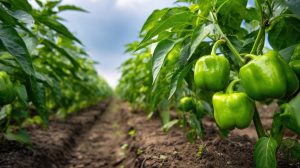
Bell peppers are susceptible to pests such as aphids, spider mites, and flea beetles. They also require nutrient-rich soil and proper spacing to maximize fruit production, making companion planting a strategic necessity.
In this guide , we explore the best companion plant for bell peppers, including herbs, vegetables, and flowers that protect against pests, attract pollinators, and enrich the soil. These recommendations are backed by research and practical gardening experience to ensure maximum results.
10 Best Companion Plant For Bell Peppers
1. Basil – Best Companion Plant for Bell Pepper Pest Control
Basil is perfect for repelling pests like aphids and spider mites while enhancing bell pepper growth. Its aromatic oils naturally discourage harmful insects without chemicals. This dual benefit increases both yield and fruit quality.
Basil thrives in full sun and grows quickly alongside bell peppers. Moreover, it does not compete aggressively for nutrients, allowing both plants to flourish. Consequently, it improves garden productivity efficiently.
Pollinators such as bees are attracted to basil flowers, improving fruit set by up to 20% in small gardens. Its aromatic leaves also improve the flavor of nearby crops. This combination makes basil a must-have companion plant.
Pros:
• Pest repellent
• Boosts yield
• Fast growth
• Easy care
• Dual harvest
• Aromatic
• Pollinator friendly
Cons:
• Needs water
• Cold sensitive
• Frequent pruning
2. French Marigold – Best Flower Companion for Bell Pepper Protection
French Marigold is ideal for deterring nematodes and harmful insects naturally. Bell peppers planted nearby remain healthier with stronger roots. Additionally, the flowers add vibrant color to your garden.
Marigolds attract beneficial insects such as ladybugs and hoverflies that feed on aphids. Consequently, they reduce pest pressure and the need for chemical treatments. They also improve biodiversity in the garden.
They are easy to grow in full sun and bloom quickly. Their low maintenance and pest-repelling abilities make them highly valuable. Overall, they support both productivity and aesthetic appeal.
Pros:
• Nematode control
• Pest deterrent
• Easy growth
• Bright blooms
• Low care
• Fast flowering
• Beneficial insects
Cons:
• Seasonal plant
• Needs sunlight
• Short lifespan
3. Spinach – Best Ground Cover for Bell Peppers
Spinach serves as excellent ground cover, reducing weeds and conserving soil moisture. This improves bell pepper root health. Additionally, spinach grows quickly and fills gaps efficiently.
Its shallow roots prevent competition with bell peppers. Furthermore, spinach shades the soil, keeping it cool in hot weather. This enhances root development and reduces stress on peppers.
Spinach is easy to harvest and can be intercropped without disrupting bell pepper growth. Consequently, it maximizes garden space while providing additional food value. Its fast-growing nature makes it a practical companion.
Pros:
• Weed control
• Moisture retention
• Fast growth
• Space saving
• Soil cooling
• Easy harvest
• Nutrient balance
Cons:
• Bolts quickly
• Needs watering
• Short cycle
4. Bush Beans – Best Nitrogen-Fixing Companion for Bell Peppers
Bush Beans enrich the soil with nitrogen, promoting stronger bell pepper growth. Nitrogen fixation reduces the need for synthetic fertilizers. This increases overall yield naturally.
Beans occupy different root zones than bell peppers, minimizing competition. Furthermore, their roots help aerate soil, improving water absorption. Consequently, they create a healthy growing environment.
Nitrogen-fixing crops can boost vegetable yields by up to 30%, according to research. Beans are easy to grow, high-yielding, and compatible with bell peppers. They provide a sustainable long-term benefit.
Pros:
• Nitrogen boost
• Soil enrichment
• High yield
• Easy growth
• Space efficient
• Fast harvest
• Root support
Cons:
• Pest prone
• Needs warmth
• Seasonal crop
5. Cilantro – Best Herb Companion for Pest Repulsion
Cilantro is highly effective at repelling aphids and small pests naturally. Its strong aroma confuses insects, keeping bell peppers safe. This reduces the need for pesticides significantly.
Cilantro attracts beneficial insects like parasitic wasps. Consequently, natural pest control is enhanced. It also grows quickly, filling spaces between bell pepper plants.
The herb is easy to cultivate and adds flavor to meals. Its short growth cycle allows for multiple harvests. Overall, cilantro provides both protection and culinary value.
Pros:
• Pest control
• Fast growth
• Space saving
• Easy planting
• Beneficial insects
• Aromatic
• Dual use
Cons:
• Bolts fast
• Heat sensitive
• Needs water
6. Nasturtium – Best Trap Crop for Bell Peppers
Nasturtium acts as a trap crop, attracting aphids and beetles away from bell peppers. This reduces pest damage while protecting the main crop naturally. Additionally, the trailing vines provide ground coverage to suppress weeds.
Nasturtiums grow quickly, spreading over the soil and retaining moisture effectively. Consequently, bell peppers benefit from reduced competition and improved hydration. The bright flowers also attract pollinators, boosting fruit production.
The leaves and flowers are edible, offering additional culinary benefits. Furthermore, they are easy to maintain and require minimal care. Overall, nasturtiums are a functional, aesthetic, and protective companion plant.
Pros:
• Trap pests
• Edible plant
• Fast spread
• Weed control
• Moisture retention
• Low care
• Attractive
Cons:
• Spreads fast
• Needs space
• Seasonal growth
7. Oregano – Best Perennial Pest Defense
Oregano provides long-term pest deterrence for bell peppers through its aromatic foliage. Insects avoid planting areas near oregano naturally. This reduces the need for chemical sprays.
As a perennial, oregano returns year after year, reducing replanting labor. Furthermore, it attracts pollinators like bees, which improves bell pepper fruit set. Its low maintenance nature makes it ideal for sustainable gardens.
Oregano also strengthens soil structure over time, improving overall plant resilience. Additionally, it can be harvested for culinary use, providing flavor while protecting crops. This dual functionality makes oregano a highly recommended companion.
Pros:
• Pest deterrent
• Perennial plant
• Low maintenance
• Drought tolerant
• Pollinator friendly
• Aromatic
• Long lasting
Cons:
• Spreads quickly
• Strong flavor
• Needs pruning
8. Lettuce – Best Cool-Season Shade Support
Lettuce is an excellent ground cover for bell peppers, shading soil and conserving moisture. This reduces heat stress during hot summer months. Additionally, lettuce grows quickly without competing for nutrients.
Lettuce thrives in partial shade, creating a microclimate that protects pepper roots. Moreover, it fills in garden gaps efficiently, maximizing space. This promotes healthier pepper growth and reduces weed pressure.
The crop is easy to harvest multiple times and grows well alongside peppers. Consequently, gardeners gain both protection and edible greens. Lettuce provides a practical, low-maintenance companion.
Pros:
• Soil shading
• Moisture retention
• Fast growth
• Easy harvest
• Space saving
• Cool support
• Low competition
Cons:
• Heat sensitive
• Short lifespan
• Needs water
9. Thyme – Best Low-Growing Weed Suppression Companion
Thyme serves as low-growing ground cover, suppressing weeds around bell peppers naturally. Its dense growth limits competition for nutrients. Additionally, thyme releases aromatic oils that deter pests.
Thyme is drought-tolerant and requires minimal maintenance, making it suitable for low-care gardens. It also attracts pollinators, enhancing fruit set. Consequently, it improves both soil and plant health.
Thyme thrives in sunny locations and complements bell pepper planting without competing aggressively. Its aromatic leaves can also be harvested for cooking. Overall, thyme provides protection, yield enhancement, and culinary value.
Pros:
• Weed control
• Pest deterrent
• Low maintenance
• Drought tolerant
• Compact growth
• Aromatic
• Long lasting
Cons:
• Slow start
• Needs sun
• Limited spread
10. Borage – Best Pollinator Companion
Borage is perfect for attracting pollinators to bell peppers, boosting fruit production naturally. Bees and other beneficial insects are drawn to the star-shaped flowers. Consequently, yield and quality improve significantly.
Borage also contributes trace minerals to the soil, improving bell pepper strength and resilience. Furthermore, it grows quickly and produces abundant blooms for extended periods. This makes it a dual-purpose companion.
The edible flowers and leaves provide culinary options while supporting garden health. Borage is easy to grow and requires minimal care, making it an ideal organic companion plant. Overall, it maximizes pollination and soil enrichment.
Pros:
• Attracts pollinators
• Soil enrichment
• Fast growth
• Long flowering
• Easy care
• Edible blooms
• Dual purpose
Cons:
• Spreads rapidly
• Needs sun
• Short-lived
Best Companion Plant for Bell Peppers FAQs
1. What is the best companion plant for bell peppers?
Basil is one of the best companion plants for bell peppers because it repels pests and enhances bell peppers’ flavor and growth naturally.
2. Can I plant tomatoes with bell peppers?
It is not recommended to plant tomatoes with bell peppers, as both are nightshades and can share pests and diseases that harm bell peppers.
3. Do marigolds help bell peppers grow better?
Yes, marigolds help bell peppers grow better by deterring nematodes and attracting beneficial insects that protect bell peppers from pests.
4. Which herbs are best to plant with bell peppers?
Herbs such as basil, oregano, and cilantro are the best to plant with bell peppers because they repel pests and attract pollinators that improve bell peppers’ yield.
5. Can flowers improve the growth of bell peppers?
Yes, flowers like nasturtiums and borage can improve the growth of bell peppers by attracting pollinators and acting as trap crops for pests that target bell peppers.
6. How far should companion plants be from bell peppers?
Companion plants should be spaced 6–18 inches away from bell peppers to ensure proper airflow, healthy root development, and reduced competition for nutrients.
7. Is companion planting better than using pesticides for bell peppers?
Yes, companion planting is better for bell peppers than using pesticides because it naturally reduces pests, improves soil health, and increases bell peppers’ yield without chemicals.
Conclusion
In conclusion, selecting the best companion plant for bell peppers dramatically improves growth, pest control, and fruit quality. Basil is the best choice due to its pest-repelling properties, pollinator attraction, and flavor enhancement.
Marigolds serve as a strong runner-up, providing nematode control and attracting beneficial insects. Together, they protect bell peppers while supporting soil health.
Other companions like spinach, bush beans, cilantro, nasturtium, oregano, lettuce, thyme, and borage further boost growth and reduce chemical reliance. This integrated approach promotes a thriving, sustainable garden.
Implement these companion planting strategies today to enjoy healthier, higher-yielding bell peppers while creating an eco-friendly and productive garden
Recent Posts
The best fertilizer for Aechmea fasciata is essential for promoting vibrant bract coloration, strong root systems, and steady vegetative growth throughout the active season. Selecting fertilizers...
The best fertilizer for landscaping is essential for maintaining lush lawns, vibrant plants, and healthy soil structure across diverse outdoor environments. Selecting fertilizers with NPK ratios such...