Nobody wants invasive weeds taking over their pasture, but if you’re noticing dense patches of Yorkshire Fog, immediate action is crucial. This perennial grass spreads quickly, outcompeting desirable plants, reducing grazing quality, and impacting pasture productivity.
Yorkshire Fog thrives in damp, nutrient-rich soils and can dominate large areas if left unmanaged. Its rapid growth and high seed production make it challenging to control, while overgrazing or poor pasture management often accelerates its spread.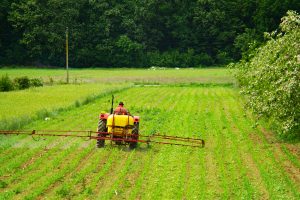
Effective removal requires a combination of cultural, mechanical, and chemical strategies tailored to your pasture conditions. Proper timing, mowing, overseeding, and targeted herbicide application all play vital roles in restoring healthy, productive fields.
In this guide, you’ll discover the 10 best methods of how to get rid of Yorkshire Fog, including expert techniques, seasonal timing, and practical tips to reclaim your pasture efficiently and sustainably.
How Do You Get Rid Of Yorkshire Fog? Find 10 Best Methods
1. Improve Soil Drainage – Best Long-Term Prevention Strategy
Yorkshire fog thrives in waterlogged or compacted soil. Improving drainage reduces the moisture conditions that favor its growth. Aeration and soil amendment are essential corrective measures.
Core aeration allows oxygen penetration and improves root health of desirable grasses. Incorporating organic matter enhances soil structure and microbial activity. Well-drained soil discourages Yorkshire fog regrowth.
Long-term turf health depends on correcting environmental conditions. Without drainage improvements, chemical control alone may fail. Sustainable lawn recovery begins below the surface.
Pros:
• Long-term solution
• Improves turf health
• Reduces moisture buildup
• Prevents recurrence
• Enhances root growth
• Eco-friendly
• Supports dense lawn
Cons:
• Labor intensive
• Gradual results
• Requires equipment
2. Apply Selective Lawn Herbicide – Most Effective Chemical Control
Selective herbicides designed for broadleaf and grassy weed control can suppress Yorkshire fog. Products containing appropriate grass-selective active ingredients are most effective. Application during active growth improves absorption.
Spring and early summer treatments yield the highest success rates. Always follow label instructions for turf safety. Spot treatment reduces chemical usage and protects desirable grass.
Chemical control works best when combined with cultural practices. Reapplication may be required for severe infestations. Monitoring is essential for complete eradication.
Pros:
• Fast results
• Targeted control
• Effective suppression
• Easy application
• Works on large areas
• Professional-grade option
• Reliable method
Cons:
• May need repeat application
• Chemical exposure
• Weather dependent
3. Overseeding with Competitive Grass – Natural Suppression Method
Dense turf crowds out Yorkshire fog naturally. Overseeding with high-quality perennial ryegrass or fescue strengthens lawn competition. Thicker turf limits seed germination.
Early autumn is the ideal time for overseeding. Soil preparation ensures strong seed-to-soil contact. Proper watering encourages rapid establishment.
Healthy turf acts as a biological barrier. Over time, Yorkshire fog loses dominance in competitive conditions. Regular maintenance sustains results.
Pros:
• Natural control
• Improves lawn density
• Enhances appearance
• Long-term benefit
• Reduces weeds
• Eco-friendly
• Cost-effective
Cons:
• Takes time
• Requires maintenance
• Seasonal timing critical
4. Adjust Soil pH – Correct Acidic Conditions
Yorkshire fog prefers acidic soil conditions. Conducting a soil test identifies pH imbalance. Lime application raises pH to optimal turf levels (6.0–6.5).
Balanced pH improves nutrient availability for desirable grasses. Healthier turf competes more effectively against invasive species. Application should follow soil test recommendations.
pH correction is gradual but sustainable. Avoid over-liming to prevent nutrient lockout. Monitoring ensures consistent soil balance.
Pros:
• Improves soil health
• Long-term solution
• Boosts turf vigor
• Enhances nutrient uptake
• Sustainable
• Cost-effective
• Prevents recurrence
Cons:
• Slow adjustment
• Requires soil test
• Risk of over-application
5. Regular Mowing at Proper Height – Turf Density Control
Maintaining mowing height between 2.5–3 inches encourages dense grass growth. Short scalping weakens desirable turf and favors Yorkshire fog. Consistent mowing reduces seed head formation.
Frequent mowing prevents the plant from spreading seeds. Sharp blades ensure clean cuts and reduce stress. Proper mowing improves overall lawn resilience.
Healthy mowing practices limit infestation spread. It supports thick turf and discourages coarse grass patches. Integrated maintenance strengthens control efforts.
Pros:
• Prevents seed spread
• Encourages dense lawn
• Easy implementation
• Cost-effective
• Improves appearance
• Supports healthy roots
• Reduces weeds
Cons:
• Requires consistency
• Equipment needed
• Not a standalone cure
6. Manual Removal – Best for Small Patches
For minor infestations, hand removal is effective. Dig out the entire root system to prevent regrowth. Ensure removal before seed production.
Moist soil makes extraction easier. Fill gaps with quality topsoil and reseed immediately. This prevents reestablishment.
Manual control works best in early stages. It avoids chemical use and is environmentally safe. However, it is labor intensive.
Pros:
• Chemical-free
• Immediate removal
• Effective for small areas
• Low cost
• Precise control
• Safe for pets
• Environmentally friendly
Cons:
• Labor intensive
• Not suitable for large areas
• Risk of incomplete removal
7. Improve Fertilization Practices – Strengthen Desired Grass
Yorkshire fog thrives in low-nutrient soils. Balanced fertilization strengthens preferred turf species. Nitrogen-rich fertilizers improve density and color.
Apply fertilizer during active turf growth seasons. Avoid over-fertilization to prevent runoff and stress. Healthy grass naturally suppresses weeds.
Strong turf competes aggressively for sunlight and nutrients. Consistent feeding reduces invasion risk. Lawn vigor is key to long-term control.
Pros:
• Boosts turf health
• Enhances density
• Improves appearance
• Supports competition
• Prevents weeds
• Easy application
• Sustainable
Cons:
• Overuse risk
• Seasonal timing needed
• Requires maintenance
8. Scarification (Dethatching) – Remove Surface Build-Up
Thatch accumulation favors Yorkshire fog establishment. Mechanical scarification removes excess organic matter. This improves air and nutrient penetration.
Spring or autumn is ideal for dethatching. Removing debris encourages desirable grass growth. Follow with overseeding for best results.
Reduced thatch creates less favorable conditions for invasion. Regular maintenance ensures lasting improvement. Turf recovery follows proper aftercare.
Pros:
• Improves airflow
• Reduces weed habitat
• Enhances soil contact
• Supports overseeding
• Long-term benefit
• Mechanical solution
• Improves turf health
Cons:
• Equipment required
• Temporary lawn stress
• Seasonal timing
9. Use Non-Selective Herbicide (Full Renovation) – Severe Infestation Solution
For heavily infested lawns, full renovation may be required. Non-selective herbicides eliminate all vegetation. This resets the lawn entirely.
After treatment, prepare soil and reseed with quality turf varieties. Proper timing ensures strong establishment. Renovation provides complete removal.
This method is effective but drastic. It requires patience and investment. Best for extreme cases where other methods fail.
Pros:
• Complete eradication
• Effective for large areas
• Resets lawn
• Long-term solution
• High success rate
• Allows turf upgrade
• Eliminates multiple weeds
Cons:
• Kills all grass
• Time consuming
• Higher cost
10. Maintain Consistent Lawn Care Routine – Prevent Future Growth
Preventative maintenance is essential after removal. Regular aeration, fertilization, mowing, and overseeding maintain dense turf. Consistency reduces vulnerability.
Monitor for early signs of reinfestation. Quick response prevents spread. Healthy turf ecosystems discourage invasive grasses.
Long-term success depends on routine care. Sustainable management outperforms reactive treatment. Prevention is the most reliable method.
Pros:
• Prevents recurrence
• Improves overall lawn
• Cost-effective long term
• Reduces chemical use
• Sustainable
• Easy integration
• Strengthens turf
Cons:
• Requires commitment
• Ongoing effort
• Not instant results
How Do You Get Rid Of Yorkshire Fog FAQs
1. What causes Yorkshire fog to grow in lawns?
Poor drainage, acidic soil, low nutrients, and compacted ground create ideal conditions.
2. Is Yorkshire fog a weed?
Yes, it is considered an invasive coarse grass in managed lawns.
3. Can mowing alone remove Yorkshire fog?
No, mowing helps control spread but will not eliminate established plants.
4. When is the best time to treat Yorkshire fog?
Spring and early summer during active growth provide the best results.
5. Will lime kill Yorkshire fog?
Lime does not kill it directly but improves soil conditions that favor desirable grasses.
6. Can I remove Yorkshire fog without chemicals?
Yes, through manual removal, overseeding, soil correction, and maintenance.
7. How long does it take to fully eliminate Yorkshire fog?
It may take one full growing season or longer depending on infestation severity.
Conclusion
The best way to get rid of Yorkshire fog combines soil improvement, turf strengthening, and targeted control measures. Chemical herbicides offer rapid suppression, while overseeding and drainage correction provide long-term prevention.
For minor patches, manual removal works effectively. Severe infestations may require full renovation for complete eradication.
Sustainable lawn management is the ultimate defense. With consistent care, balanced soil, and dense turf, Yorkshire fog can be controlled and prevented from returning
Recent Posts
The best fertilizer for Aechmea fasciata is essential for promoting vibrant bract coloration, strong root systems, and steady vegetative growth throughout the active season. Selecting fertilizers...
The best fertilizer for landscaping is essential for maintaining lush lawns, vibrant plants, and healthy soil structure across diverse outdoor environments. Selecting fertilizers with NPK ratios such...